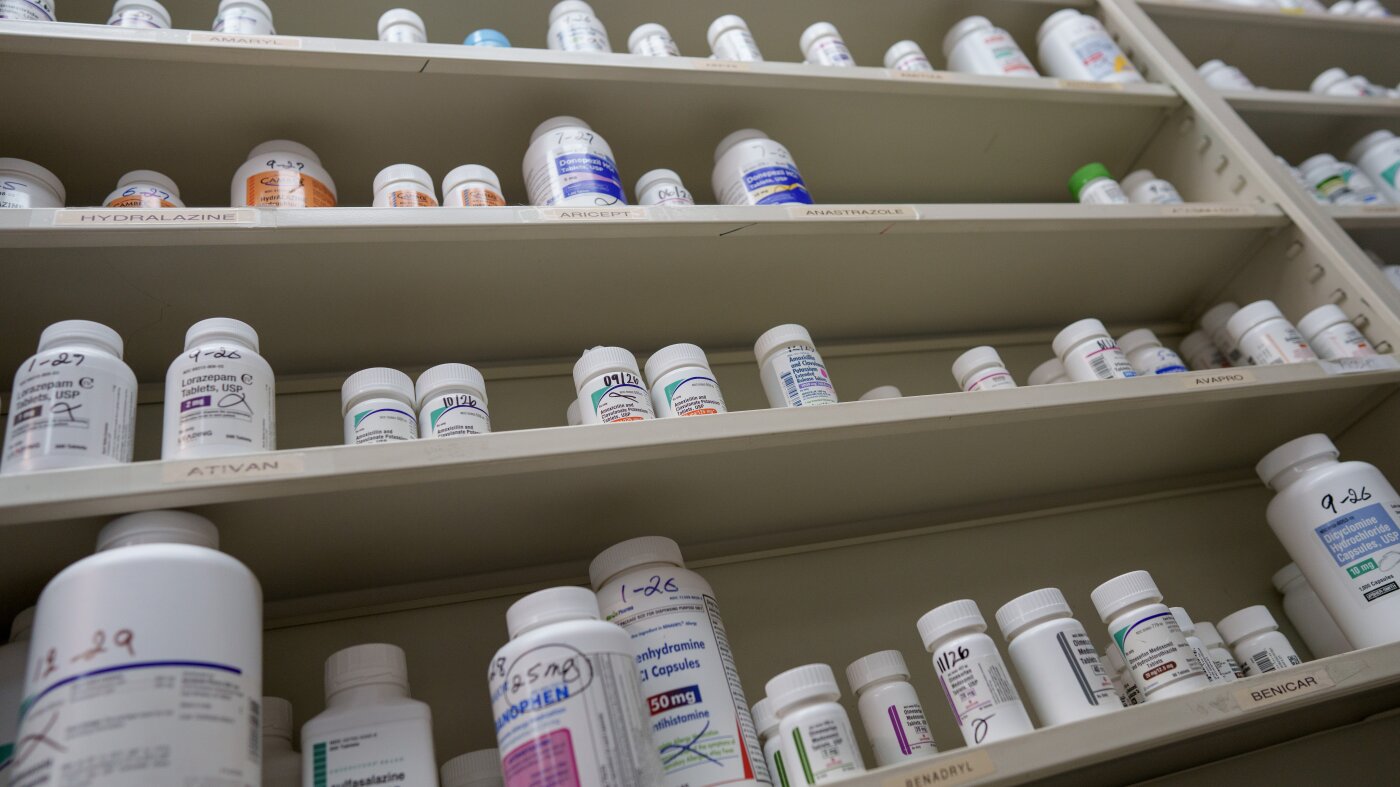
The U.S. Centers for Medicare & Medicaid Services (CMS) has announced that it will end the temporary program that for two years kept Medicare Part D prescription drug premiums from rising sharply. The decision will affect about 25 million beneficiaries, who will find out their 2027 premiums in the fall of 2026, shortly before the U.S. midterm elections.
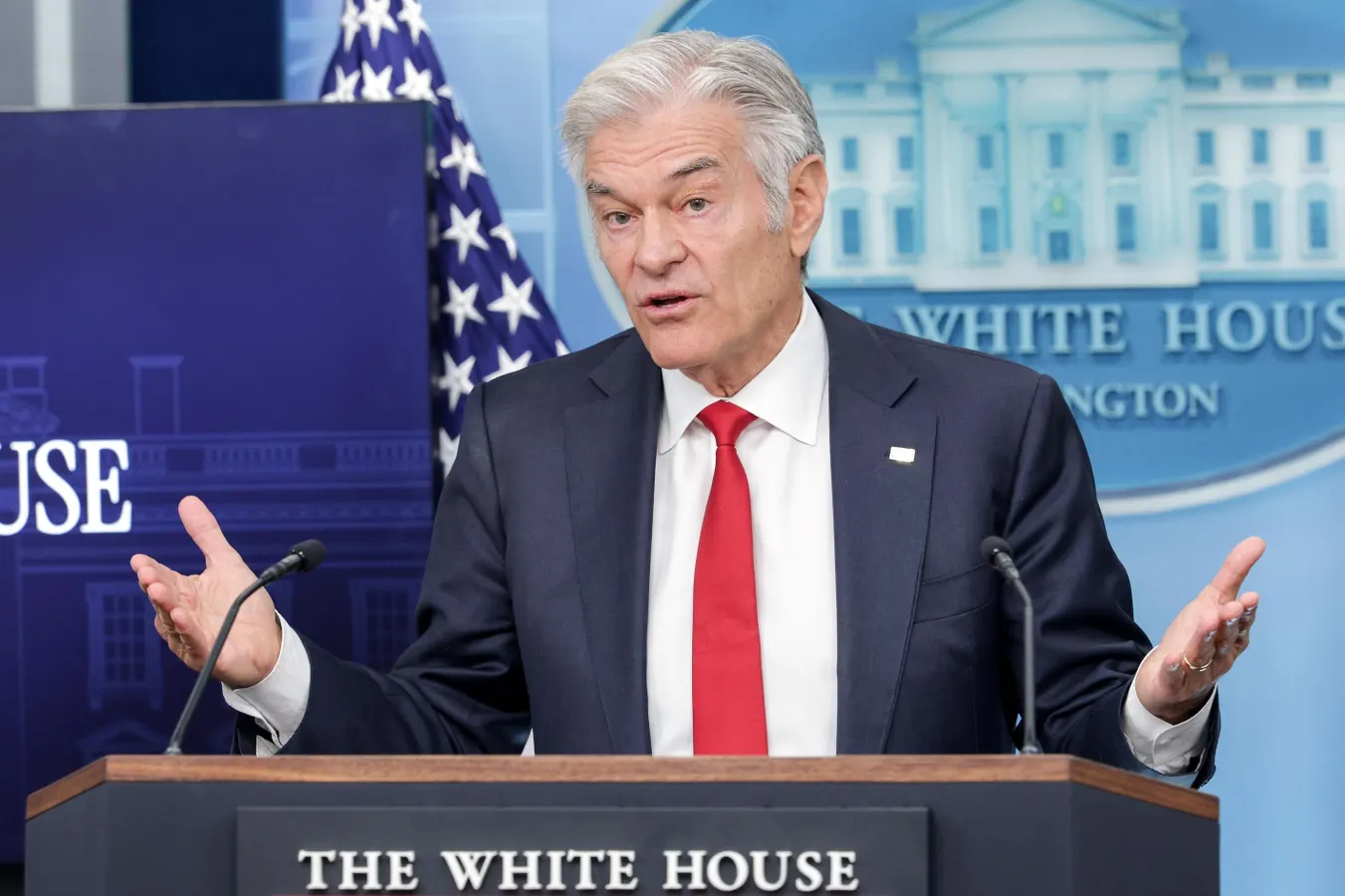
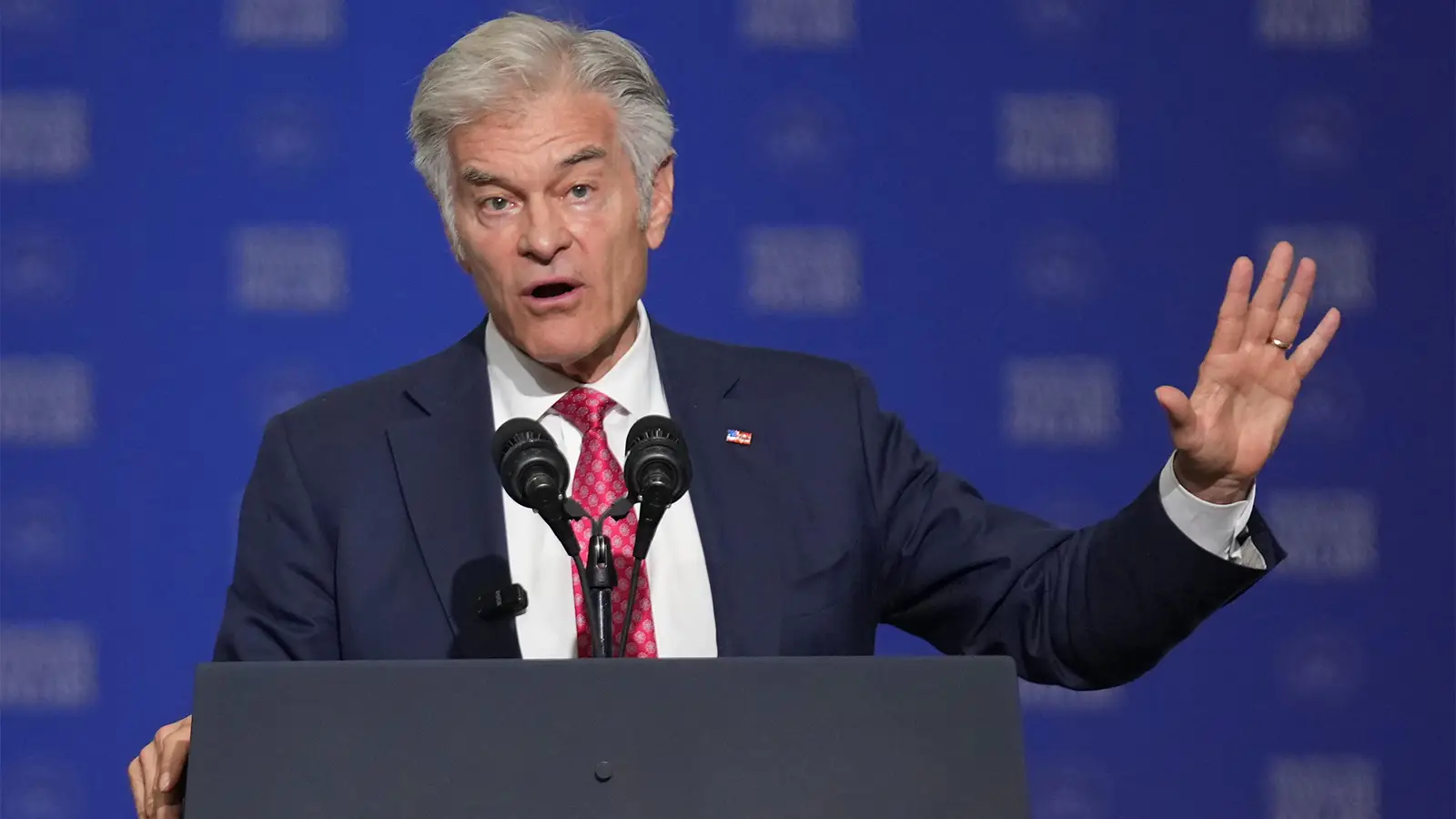
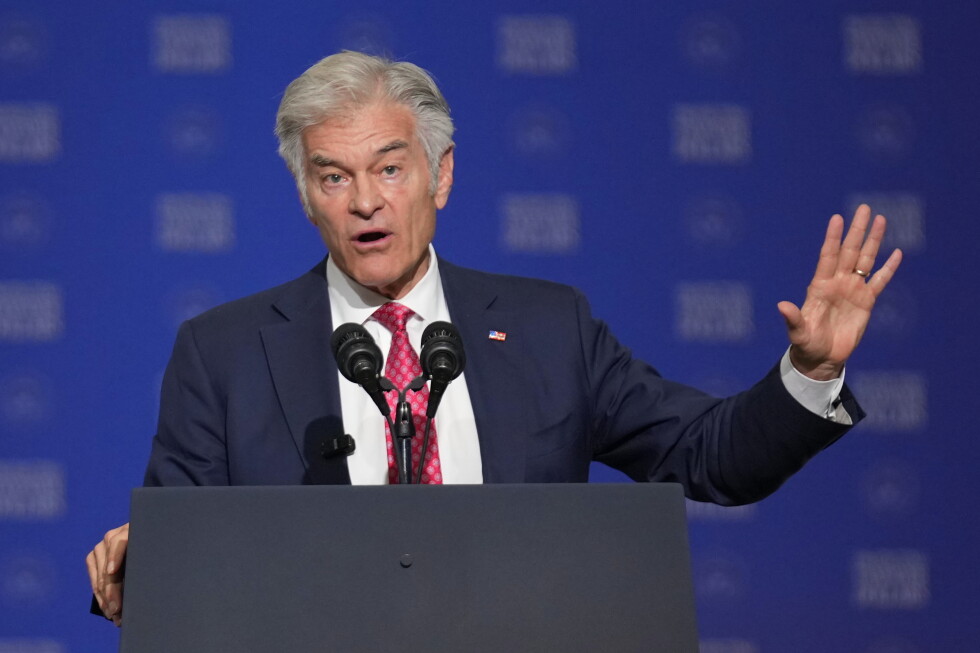
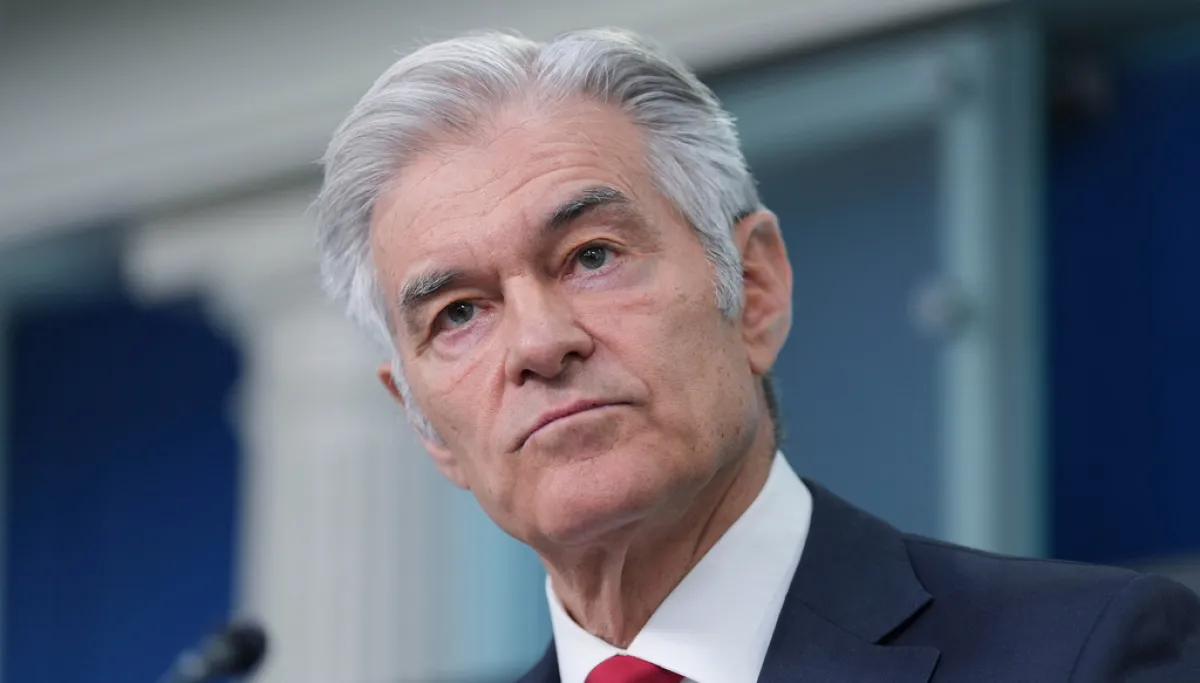
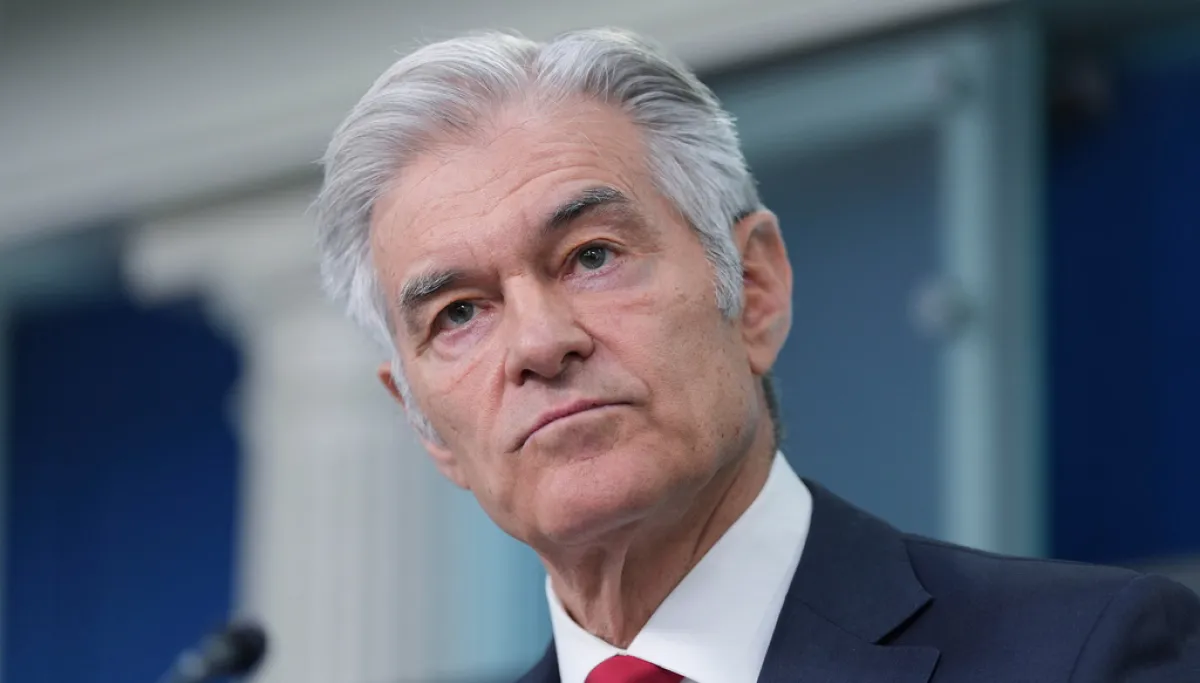
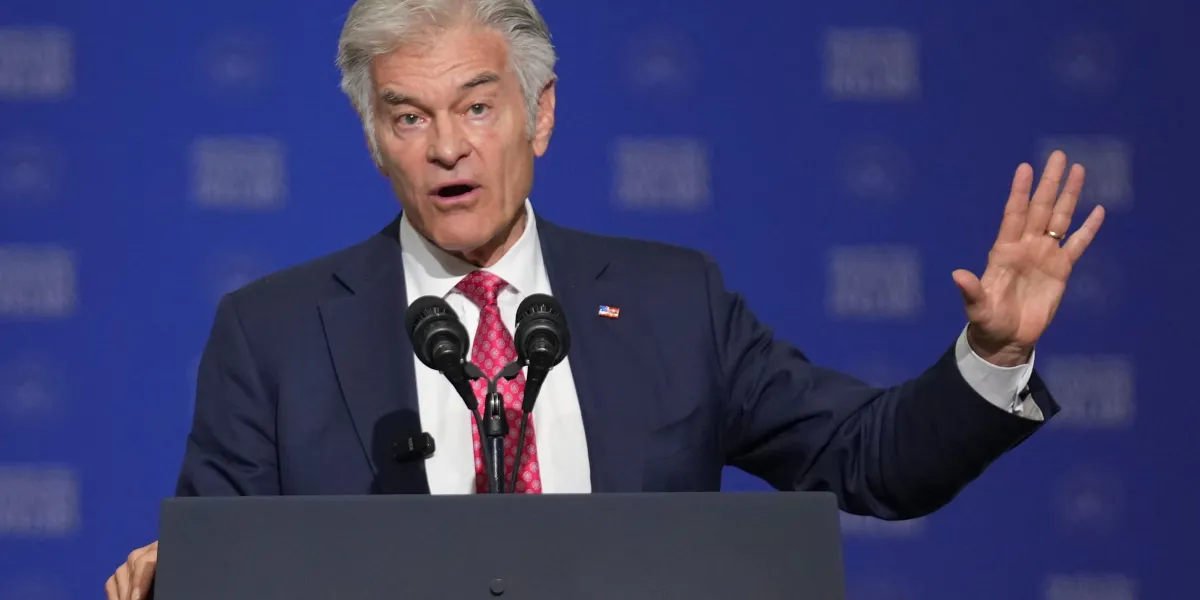
CMS Administrator Mehmet Oz said ending the subsidies would prevent billions of taxpayer dollars from being directed to insurance companies. The program cost the agency about $3.6 billion in 2026. According to Oz, premiums for most Medicare beneficiaries will increase by less than $10 per month. Democrats criticized the decision as representing part of a broader trend toward making healthcare more expensive, citing cuts to Medicaid spending and the expiration of Affordable Care Act health insurance subsidies as other examples.
A. Mark Fendrick, MD, a primary care physician and the director of the University of Michigan's Center for Value-Based Insurance Design has studied the effects of healthcare costs on patient behavior for four decades. As he told The Insider, the policy will primarily affect Medicare beneficiaries enrolled in stand-alone prescription drug plans rather than those in Medicare Advantage. He said higher premiums are likely to encourage some people to switch to Medicare Advantage plans: