By Daniel Zimmerer
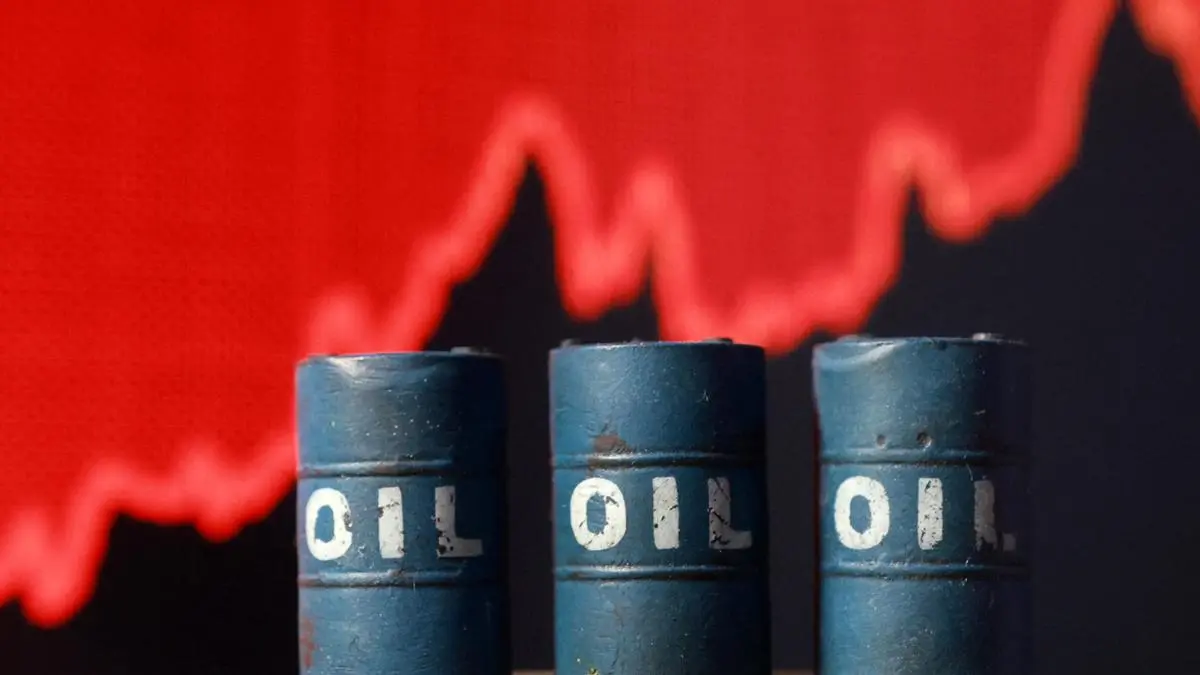
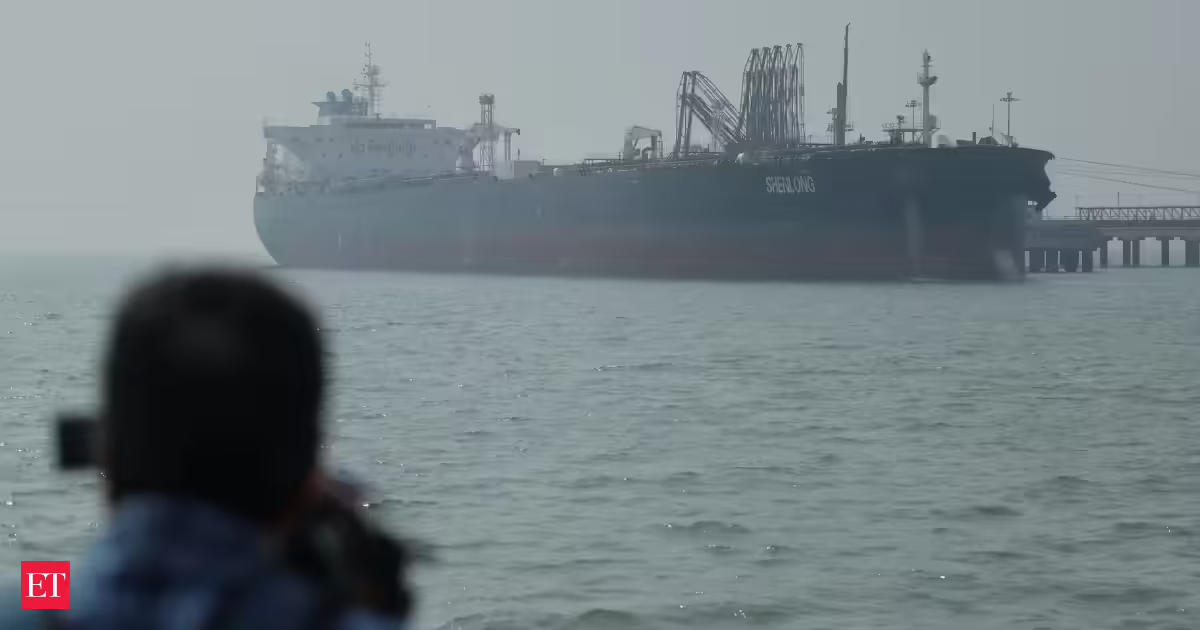
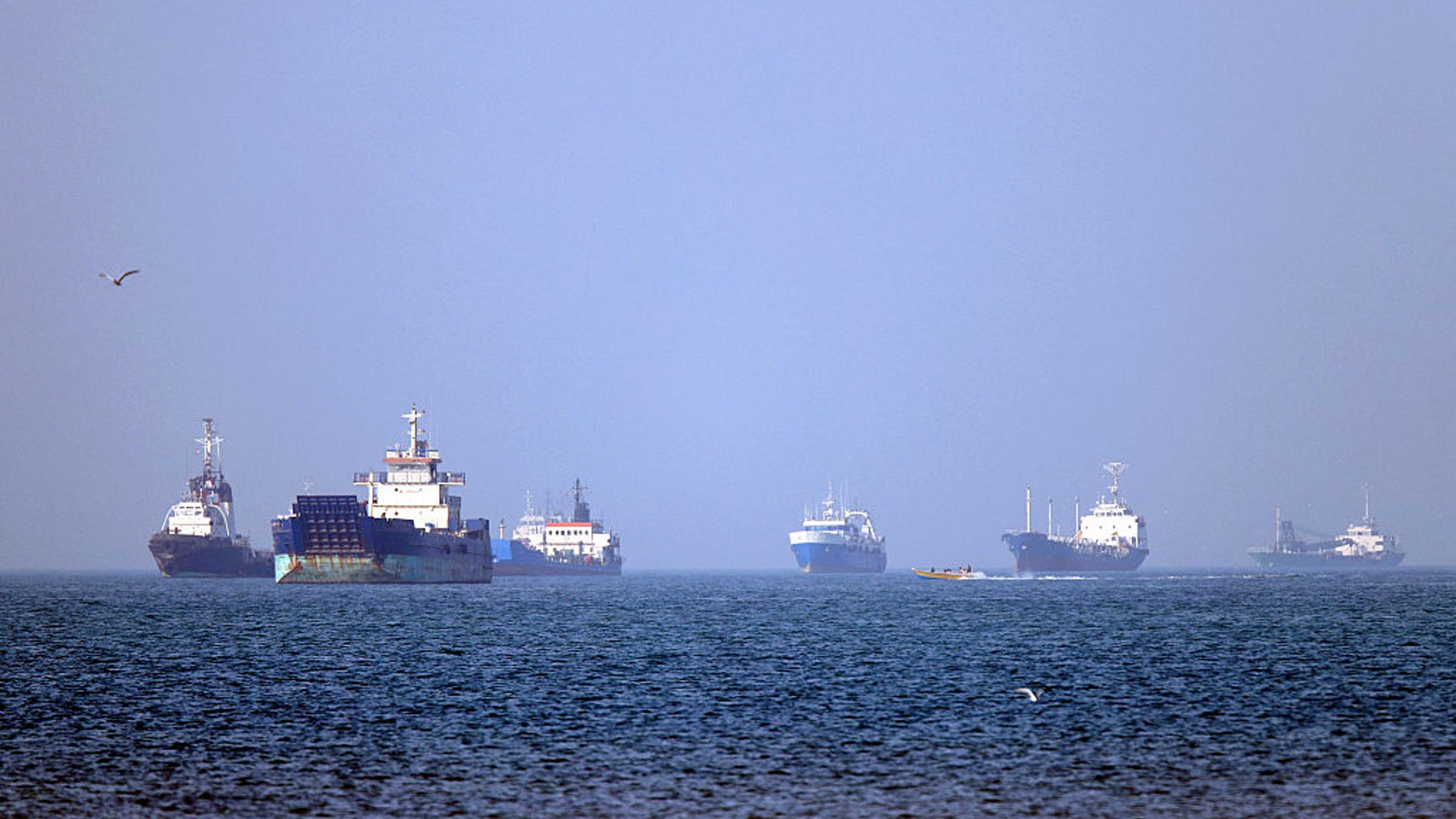
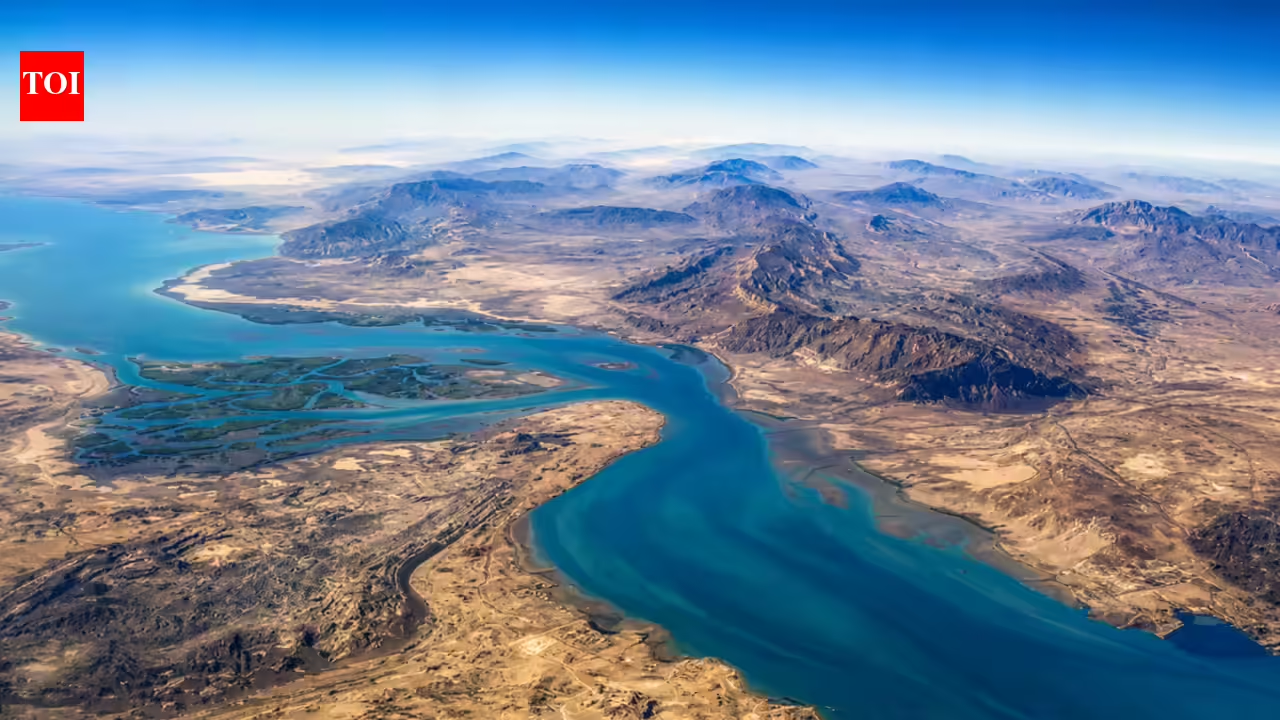
Even if the Strait of Hormuz reopens to maritime traffic, the damage has already been done. According to a recent warning by the International Energy Agency (IEA), the blockade of the strategic waterway has left producers in the Middle East with a backlog of more than one billion barrels of crude oil. Observers such as Ember are already describing the situation as the largest oil supply shock in history.
The energy market had already been under pressure before this latest crisis. In 2022, Russia, the world's largest exporter of fossil energy, invaded Ukraine. The war forced Europe to wean itself off its most important energy supplier. With the Iran conflict, the continent then found itself cut off for months from the liquefied natural gas (LNG) imported from the Middle East as a replacement. In other words, Europe has been hit by a double shock.
Investment Is Shifting at High Speed
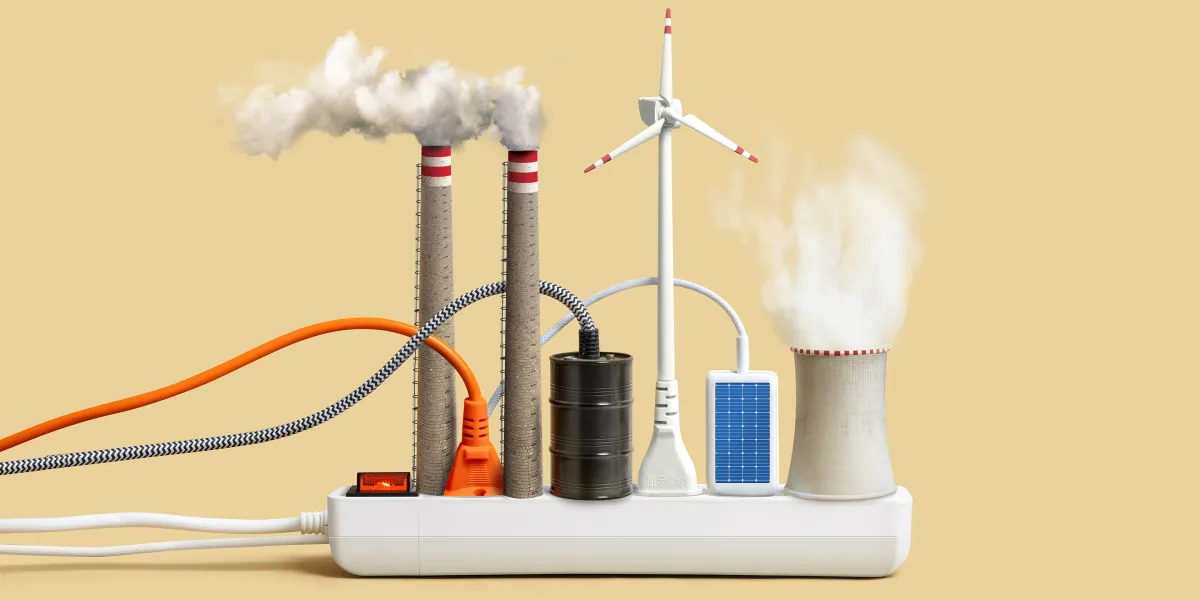
In our view, these developments underline the importance of the energy transition. The conclusion is straightforward: the more uncertain the supply of fossil fuels becomes in an increasingly unstable geopolitical environment, the more urgent the search for alternatives.