Originally published on tamiz.pro.
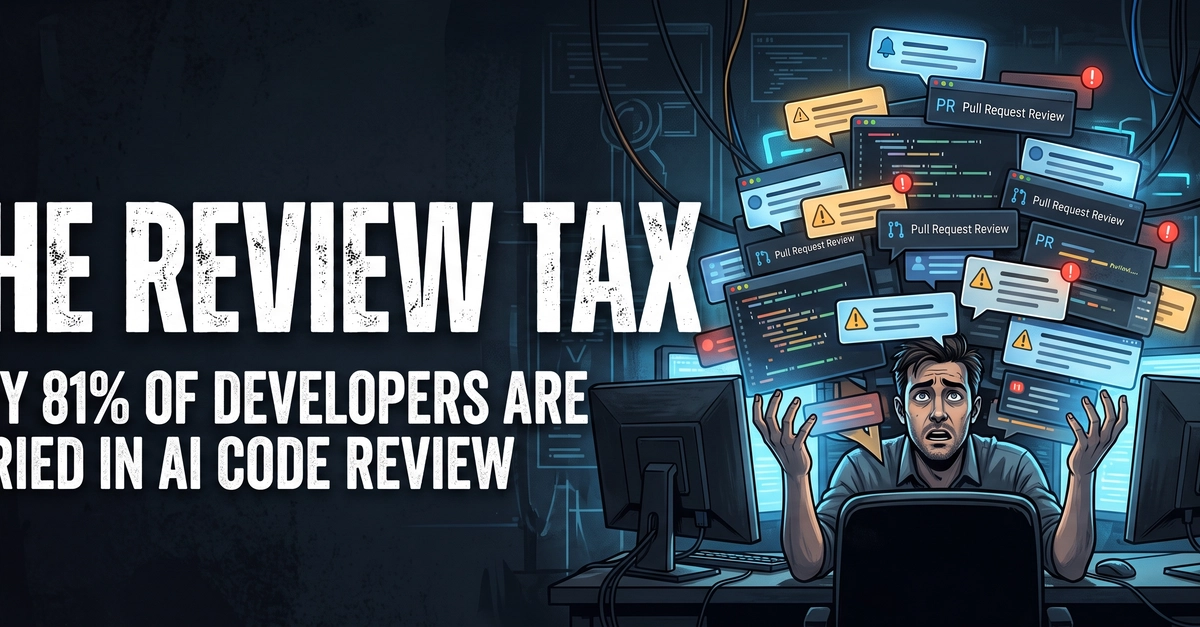
In the modern software development lifecycle, Artificial Intelligence has become the ubiquitous intern that never sleeps but occasionally suggests deleting your main branch. While AI coding assistants have drastically accelerated boilerplate generation, they have inadvertently introduced a new, hidden cost to engineering teams: The Review Tax. This is the cumulative time senior engineers spend sifting through low-confidence, hallucinated, or redundant code suggestions from generic Large Language Models (LLMs). It is the cognitive overhead of distinguishing between a genuinely helpful optimization and a syntactically correct but logically flawed suggestion.
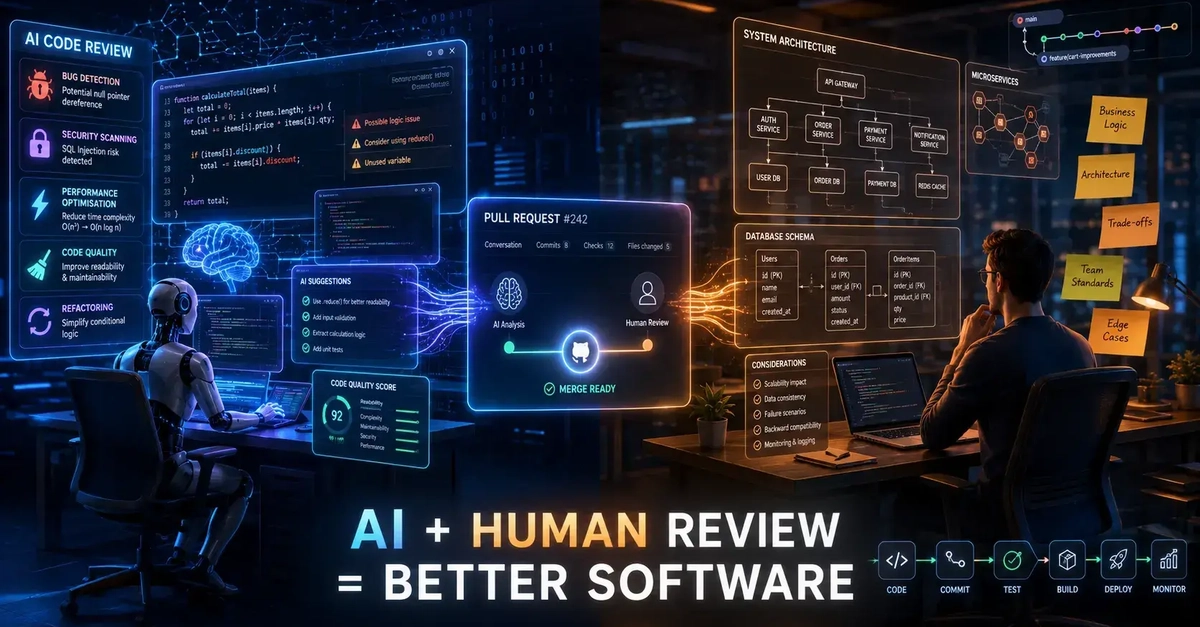
As codebases grow in complexity and team velocity increases, the linear model of "AI generates, human reviews" breaks down. The solution isn't to use less AI, but to orchestrate it more intelligently. This is where the paradigm shifts from single-turn AI prompts to multi-agent orchestration.
AWS Kiro, Amazon’s AI-powered coding experience for IntelliJ and VS Code, represents a significant leap in this direction. By leveraging Kiro Crew, developers can move beyond isolated code completions to coordinated, multi-agent workflows that handle context, security, and architectural consistency holistically. This tutorial explores how to configure and utilize AWS Kiro Crew to automate the review process, reduce noise, and turn the Review Tax into a strategic advantage.