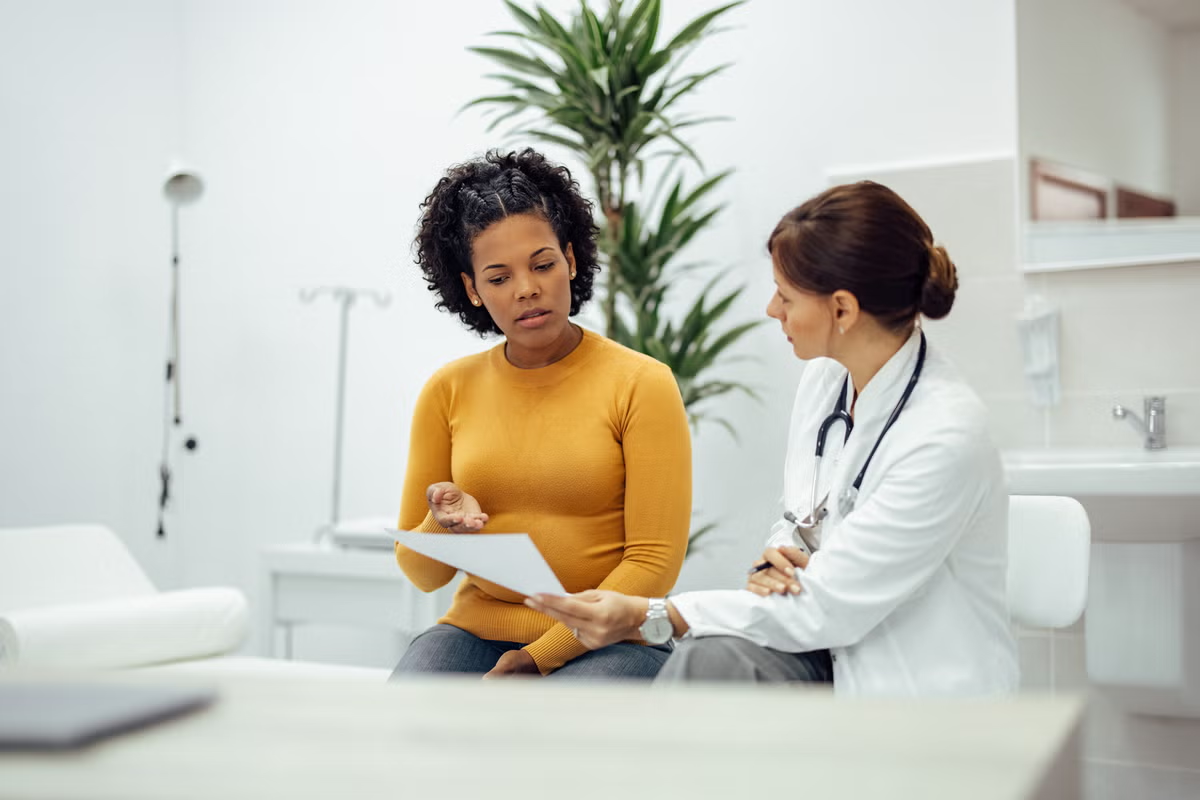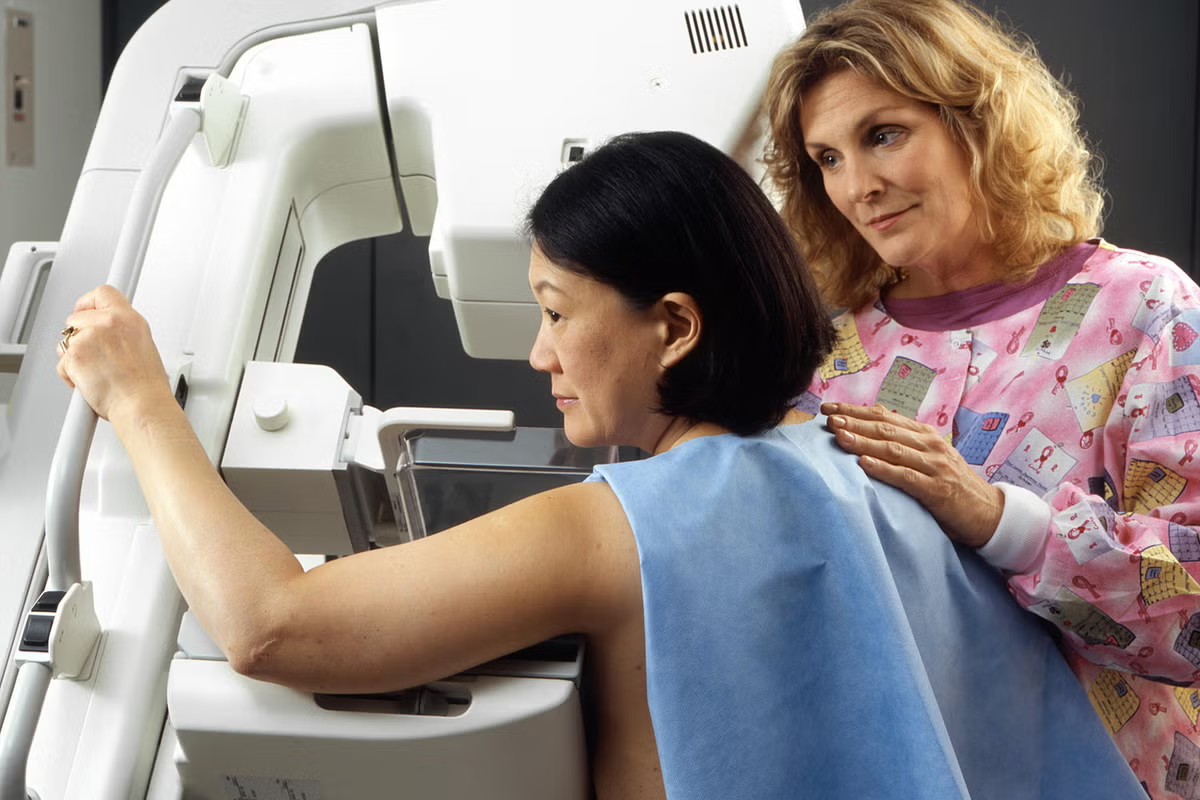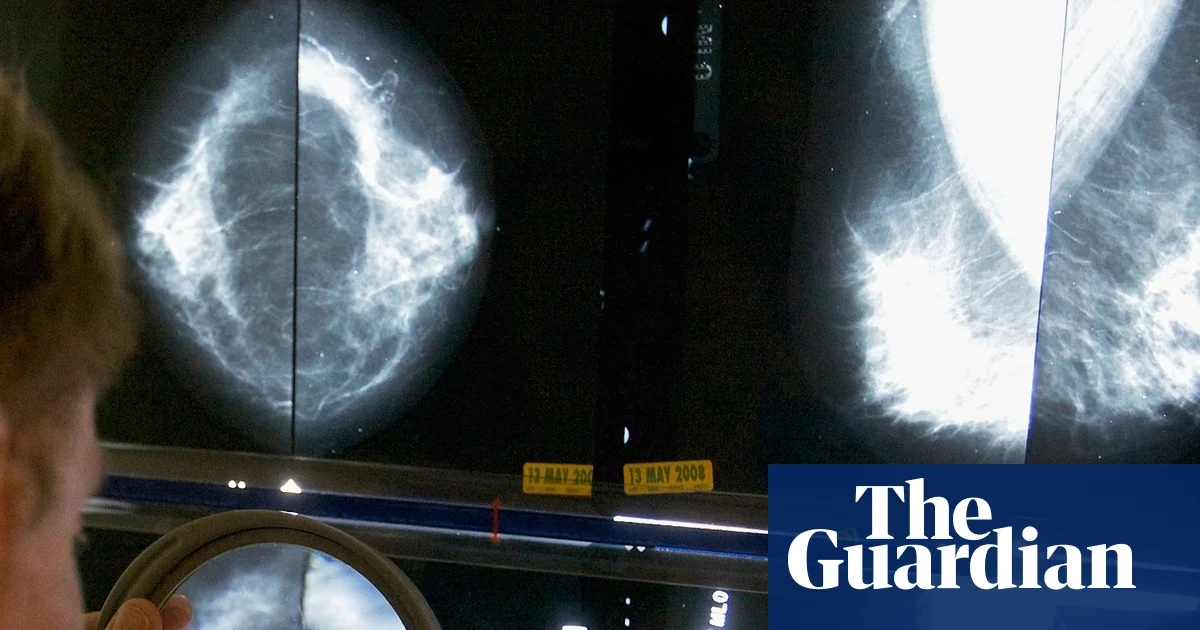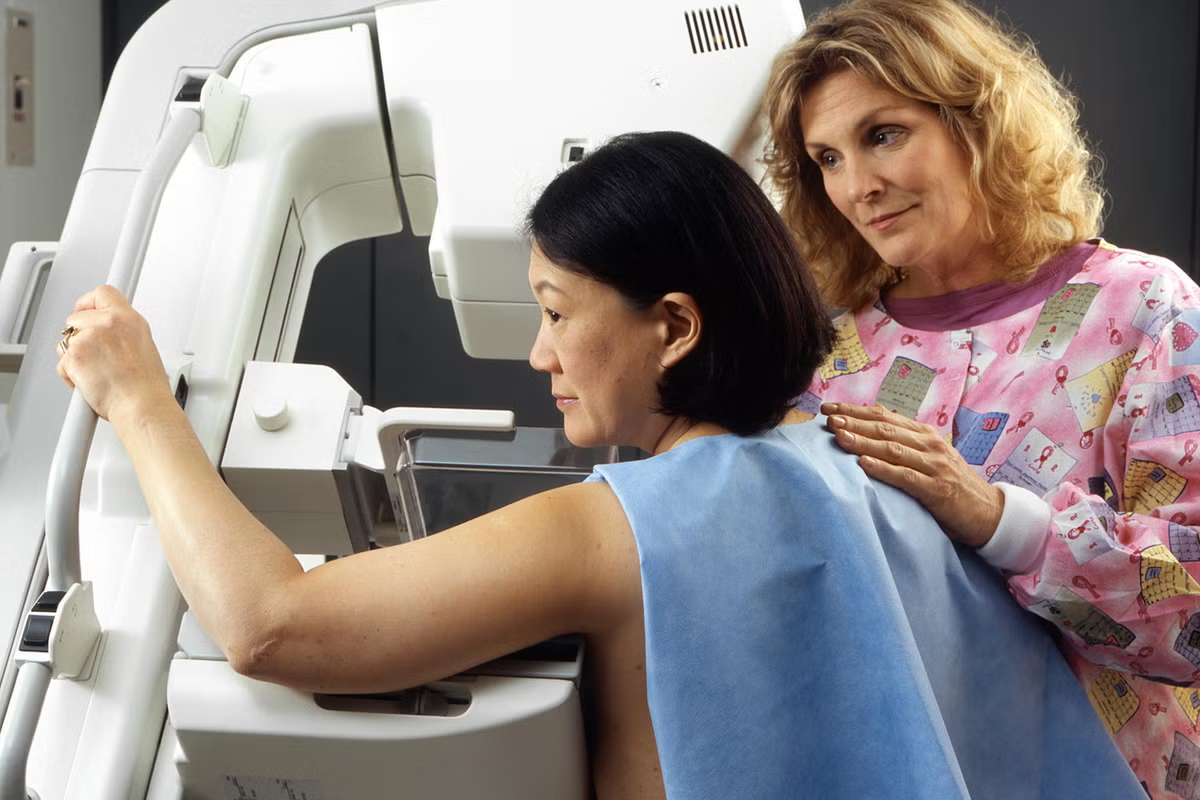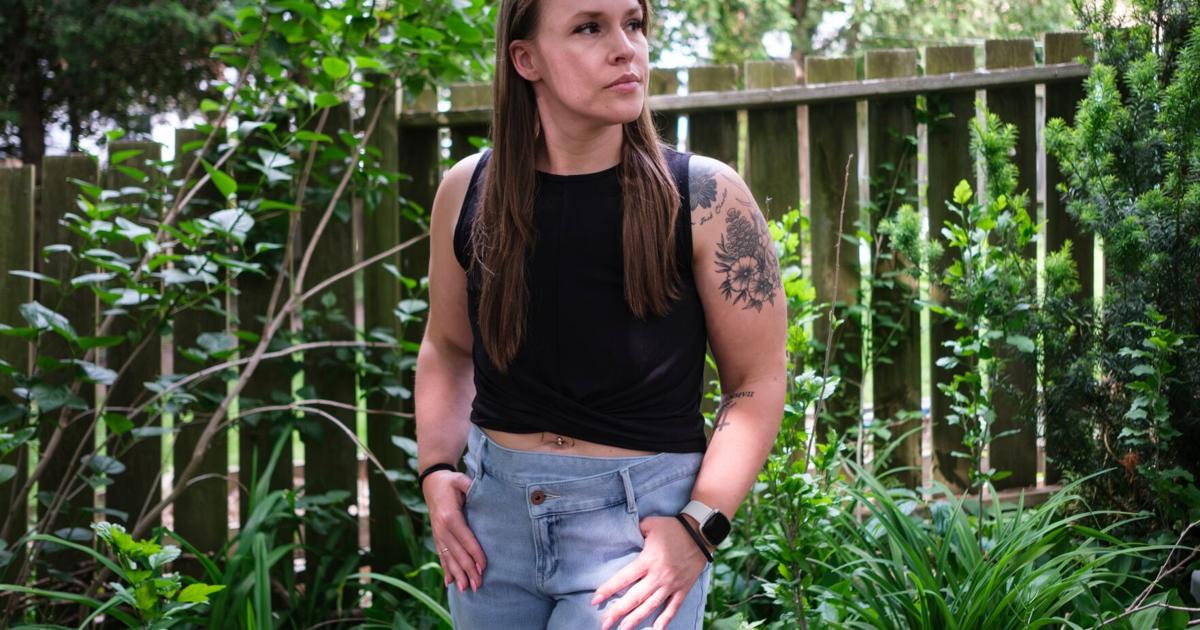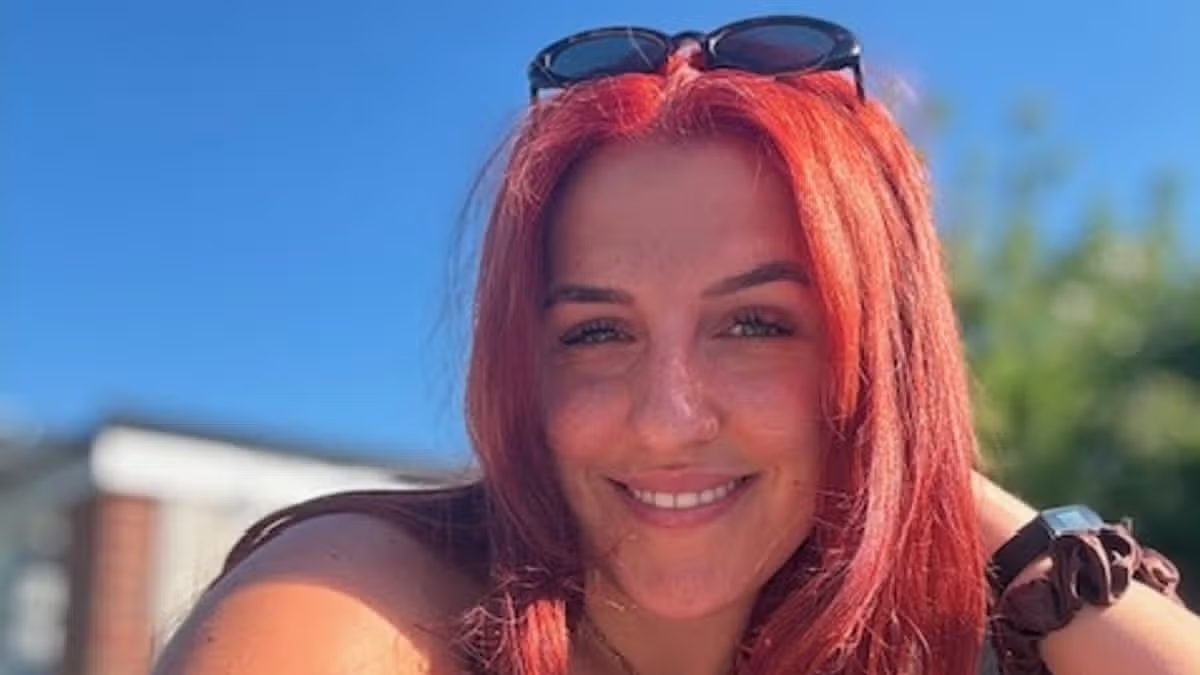
Following shock new findings that breast cancer checks in the UK are currently missing up to 95 per cent of at-risk women under the age of 50, the Mirror hears from two young survivors who are pushing for change13:10, 07 Aug 2026Updated 13:10, 07 Aug 2026Nichol Demetri was just 27 years old when she woke up and noticed spots of blood on her pyjama top. Her nipples were leaking a bloody discharge.Now 29, Nichol had no idea at the time that this was a classic symptom of breast cancer until she searched her symptoms online. Like so many young women, the disease just wasn't on her radar.Nichol booked a GP appointment, but her doctor wasn't overly concerned and tried to prescribe her antibiotics for a suspected infection.As a London-based personal trainer and lymphatic drainage therapist, Nichol was young, fit, had no family history of breast cancer, and didn't appear to have a lump. No alarm bells were ringing for the doctor - but Nichol couldn't shake the feeling that something was horribly wrong."I just had such a strong feeling - like you know your body," Nichol told the Mirror. "I said, 'Can I please be referred to the breast clinic?' He only referred me because I asked."Medics at the breast clinic were similarly unconcerned, citing her family history and lack of a lump. They took a fluid sample, performed an ultrasound and advised her to return in two weeks.The ultrasound picked up nothing - a common issue in younger women, whose dense breast tissue often masks tumours on scans.By the time that fortnight was up, Nichol's symptoms were getting worse."The whole right side of my left breast turned hard," she recalled. "That's when they started to show concern, and said I could come in for a biopsy in three weeks. I said, 'No, I want a biopsy right now.'Her persistence saved her life. Following an immediate biopsy, mammograms and an MRI, Nichol was diagnosed on June 7, 2024, with extensive ductal carcinoma in situ (DCIS), a Stage 0 breast cancer located in the milk ducts. While DCIS is low-grade, Nichol's growth measured a massive 10 cm, meaning she would have to undergo a full mastectomy - a life-changing procedure for anyone, let alone a young woman so dedicated to her health and fitness career."It felt like the whole world came crashing down," said Nichol. "I felt proven right, but at the same time, my whole life was changing in an instant."Earlier this week, new analysis revealed that breast cancer checks in the UK currently miss up to 95 per cent of women under 50 who are at risk of developing the disease within the next decade.While women over 50 receive routine mammogram checks, National Institute for Health and Care Excellence (NICE) guidelines for younger women primarily focus on inherited gene mutations, ignoring lifestyle and non-hereditary factors.This means women under the age of 50 are rarely screened unless they have a strong family history.Amber, Nichol's friend and fellow breast cancer survivor, isn't shocked by the statistics. The 29-year-old financial paraplanner from Kent, who documents her recovery on TikTok and Instagram, via @ambers_pinkpath, told the Mirror: "Ninety per cent of the people that I talk to online are under 50. How much longer will it take for people to realise that getting breast cancer young isn't rare? It's actually quite common."In Spring 2024, Amber was a healthy 26-year-old preparing for an African safari when she noticed a lump in her breast that she couldn't feel all the time.Experiencing mild chest pain, she initially assumed she had strained a muscle at the gym."I didn't think it was going to be breast cancer," said Amber. "No young person immediately jumps to that."Her GP placed her on an urgent two-week cancer referral. Thirteen days later, Amber underwent mammograms, an ultrasound, and a biopsy. Like Nichol, dense breast tissue made her tumour difficult to spot on standard scans.In May 2024 - her birthday month - an MRI revealed a 5cm tumour that required a mastectomy, along with chemotherapy and radiotherapy after cells were detected in her lymph nodes."I remember looking at my parents and thinking, 'Are you okay? Your baby girl has just been diagnosed with cancer at 26'", Amber recalled.While Amber has been pleased with the treatment she's received, she's heard of some "horrible" experiences from those she's connected with online."The number of people I get coming to me saying their GP told them they were 'too young'. Nobody is too young."For both women, surviving cancer has meant navigating a complex aftermath.Facing a mastectomy as a young, active woman was particularly daunting for Nichol. "I've spoken to a lot of older women who said they didn't care about symmetry or losing a nipple," said Nichol, who often wears sports bras. "But I was young, and I did care."Through her partner's private healthcare, Nichol underwent a DIEP flap reconstruction, which uses stomach tissue and fat to recreate a natural breast shape. Though surgeons weren't able to save her nipple, she had further reconstructive surgery, and she is now in remission. However, hormone therapy plunged her into sudden medical menopause, an experience she describes as "tough but manageable".Nichol says she found herself "searching high and low" for survivors who had "rebuilt their strength and confidence".Now engaged, Nichol uses TikTok, via @olympiafitnesspt, to inspire others and has thrown herself into travelling to far-flung destinations, including Thailand."I wish people could have the mindset you get after cancer without having to go through it. You just see life differently, though you're left with the scars, the trauma, and scanxiety."Amber also faced many hurdles. After undergoing a mastectomy and implant reconstruction in June 2024, a course of radiotherapy in December 2024 "immediately damaged the implant". In June 2025, Amber underwent symmetry surgery on her other breast and had an implant replaced in January 2026.Following another mastectomy implant failure, which left Amber needing emergency surgery, she opted for a 10-hour DIEP reconstructionShe also had to undergo emergency IVF before starting chemotherapy - a painful experience while her peers were celebrating exciting life milestones."Cancer is awful, no matter what age," said Amber. When you're younger, your friends are going through all of these amazing milestones, like having babies, while you're going through IVF."They're moving on with their lives, and you just feel a bit stagnant, like you're sitting on a bench watching the whole world go on, but you can't do anything about it."Now in remission, Amber says that finishing treatment isn't the end of the journey."I'm menopausal, and I've got chemo brain fog," she said. "My life isn't back to normal. Outsiders see you finish treatment and assume everything is fine, asking if you're 'better now.'"I'm never going to be back to normal; it's a new version of me. I'm almost glad that I didn't have to ring a bell, because it's not the end of the journey, it's the start of a new chapter."Nichol hopes to see change going forward, adding, "Even if there is no family history or they are young, I think it should be taken more seriously. Evidence is showing that more and more young people are being diagnosed with cancer."Dr Simon Vincent, chief scientific officer at Breast Cancer Now, told the Mirror: "Finding new ways to identify women at increased risk could help to prevent some breast cancers or detect them earlier, when treatment is more likely to be successful."These findings highlight the limitations of NICE’s current referral criteria, and so this research must now be carefully considered as part of the current review of its Family History guidelines."However, it’s equally important that any changes come with the needed investment in family history services, so they can be implemented effectively and fairly across the NHS."The review should urgently seek to address the variation in access to assessment, screening, and risk-reducing interventions in family history services across England, so that everyone has timely access to information and support."Overall, this study highlights the value of long-term research like the Breast Cancer Now Generations Study, which is helping us better understand who is most at risk of developing breast cancer and why.Article continues below"Anyone with concerns about their risk of developing breast cancer can speak to their GP. You can also access support and information on breast cancer from our expert nurses by calling our free, confidential helpline on 0808 800 6000 or visit breastcancernow.org.”Do you have a story to share? Email me at julia.banim@reachplc.com
'I was diagnosed with breast cancer at 27 - doctors told me I was too young'
Following shock new findings that breast cancer checks in the UK are currently missing up to 95 per cent of at-risk women under the age of 50, the Mirror hears from two young survivors who are pushing for change
1,405 words~6 min read