‘Theory was cool. Theory was French. Theory was also, strange though it might sound, sexy.’ When Emily Eakin first encountered ‘theory’ as a Harvard undergraduate in the 1980s, it marked the start of an obsession, intense as a love affair. She wasn’t the only one. For the Anglophone world, France has long represented a style of thinking that is just that: stylish. It’s not for nothing that an estimated three million American tourists flock to the boulevards of Paris each year. The place is synonymous with glamour in its most alluringly intelligent form. For Eakin and hordes of other turtleneck-wearing students, literary theory – a style of reading that emerged from the work of successive waves of French intellectuals in the late 20th century – was a shortcut to that Gallic sophistication. The fact that the writing of these thinkers happened to be ‘barely accessible to the lay reader’ only heightened the appeal. Theory was like a secret code: mastery of it promised access to a ‘counterculture’, even ‘an intellectual elite’.
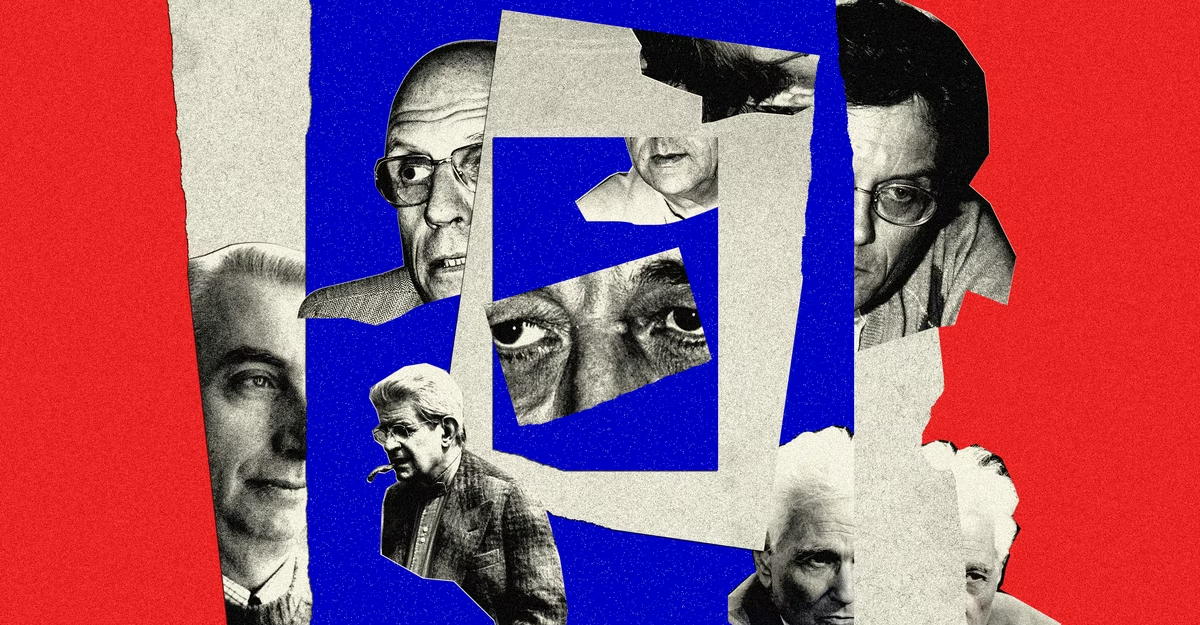
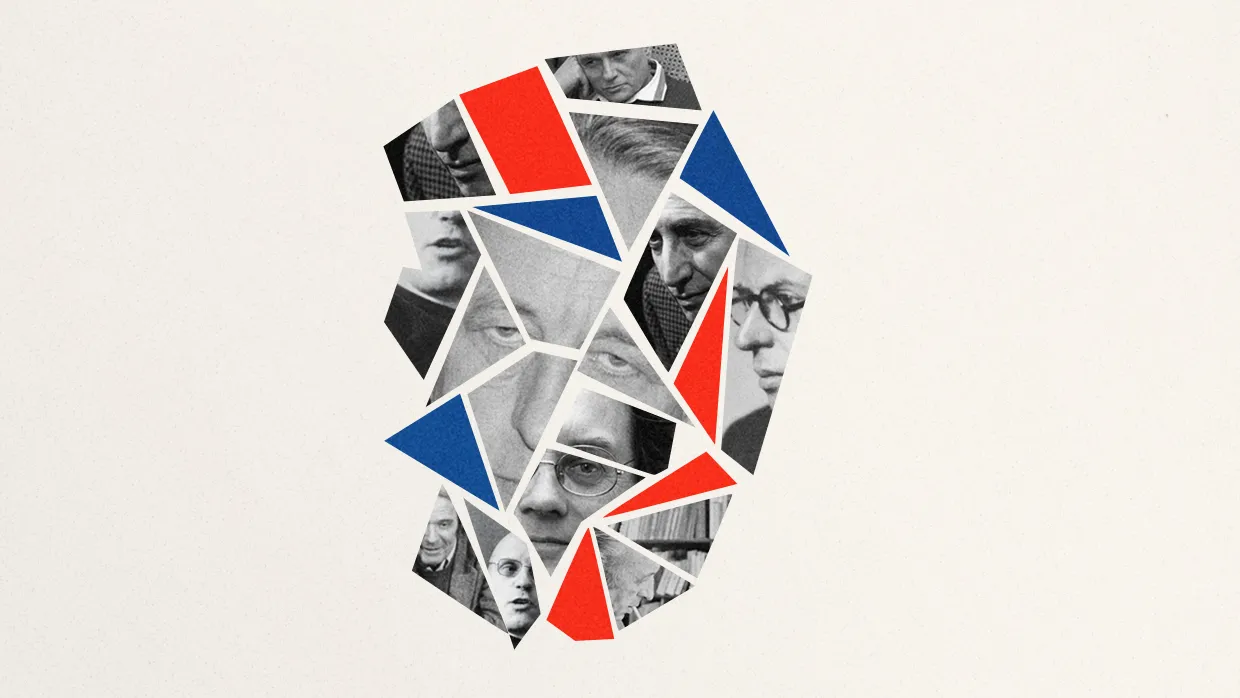
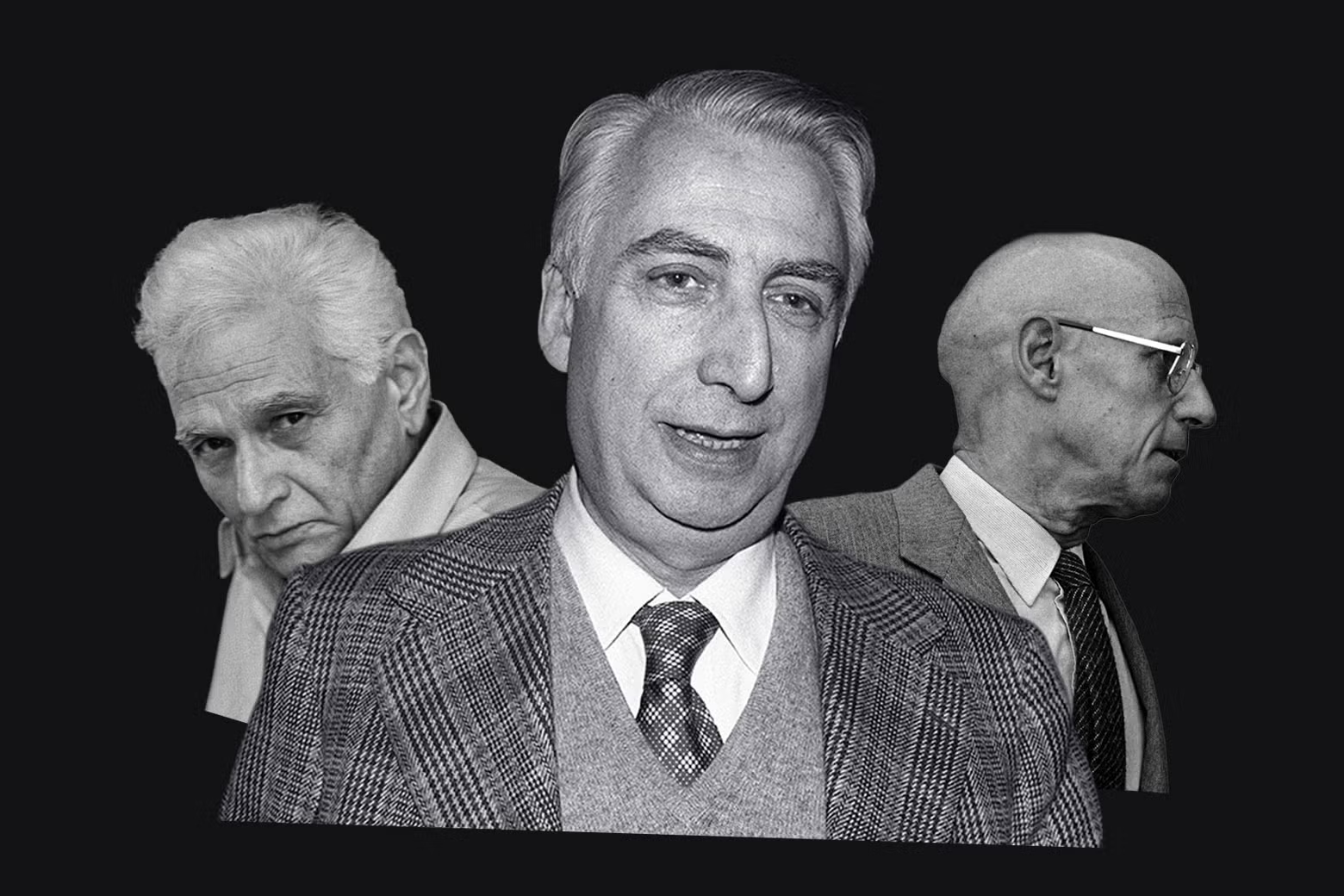
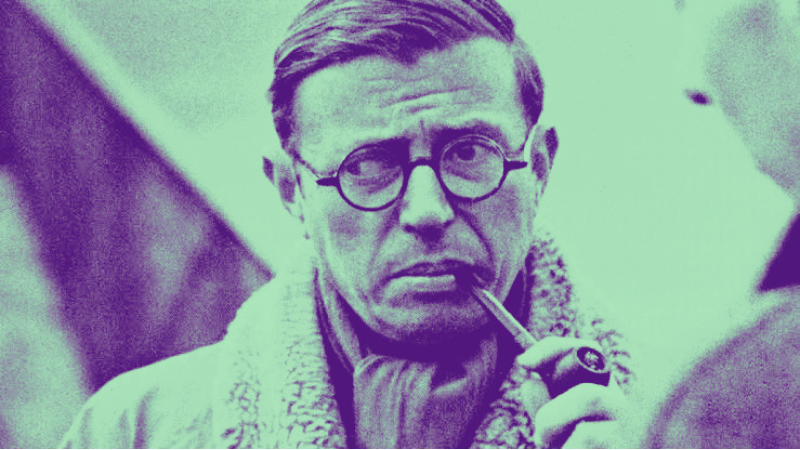
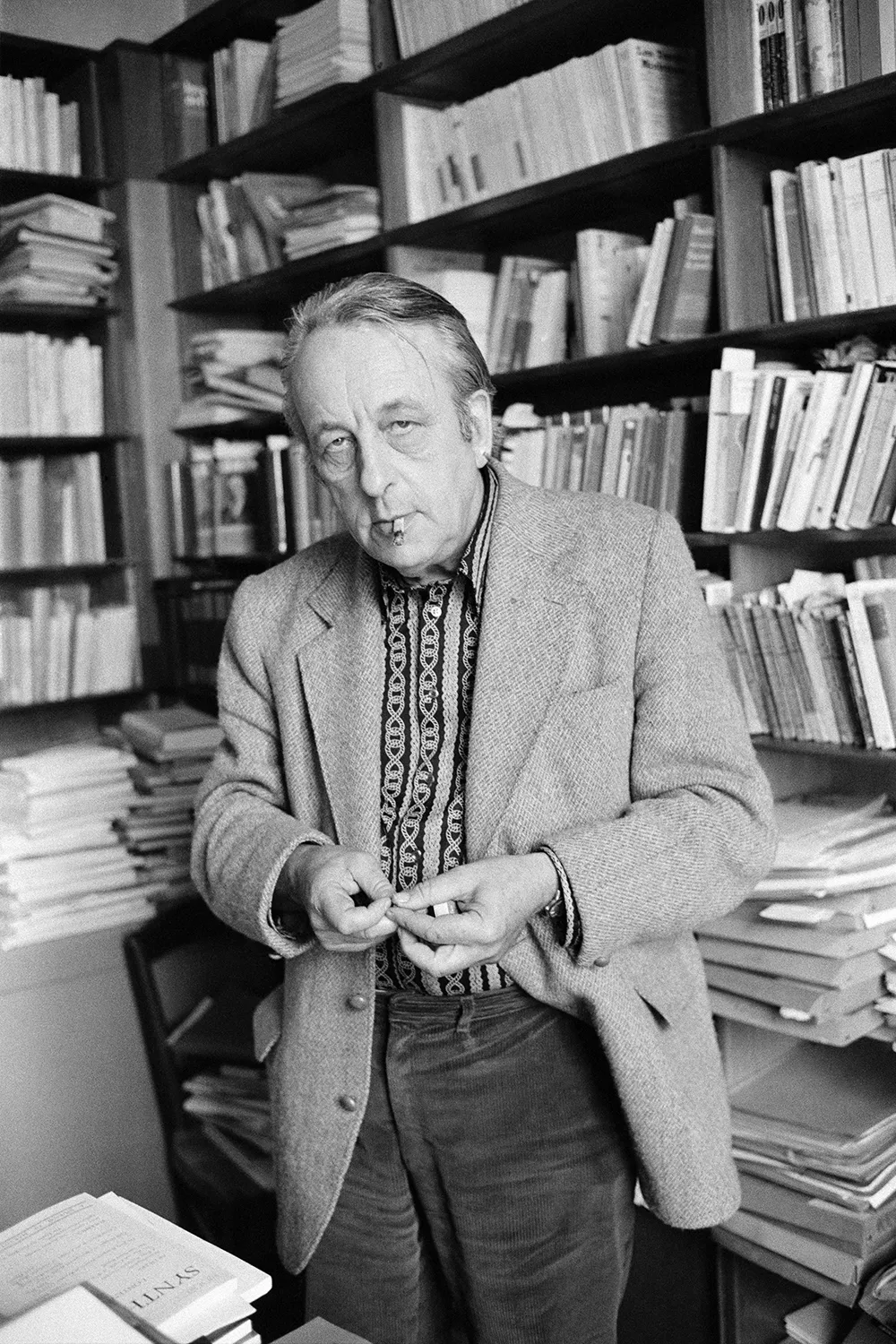
But what if ‘the Frenchmen’ – a term Eakin designates for a group spanning multiple disciplines and decades, from Louis Althusser to Roland Barthes, Jacques Derrida to Michel Foucault – weren’t themselves as cool as their clever ideas and Frenchness made them seem? In her book, by turns a memoir, biography and work of intellectual history, Eakin sets out to ‘re-embody’ these men. In so doing, she uncovers the complicated and at times unpleasant personalities beyond the sexy stereotype. It’s a genuinely useful project. By the time I came to ‘literary theory’ as an undergraduate much more recently, the likes of Barthes and Jacques Lacan had been reduced to soundbites – the ‘Death of the Author’; the ‘mirror stage’. It didn’t occur to us, or to me at least, to consider them as individuals shaped by personal experience, or that their environments would have influenced their thinking. We were more likely to take their ideas at face value because a previous generation, Eakin’s, had digested them for us in advance.