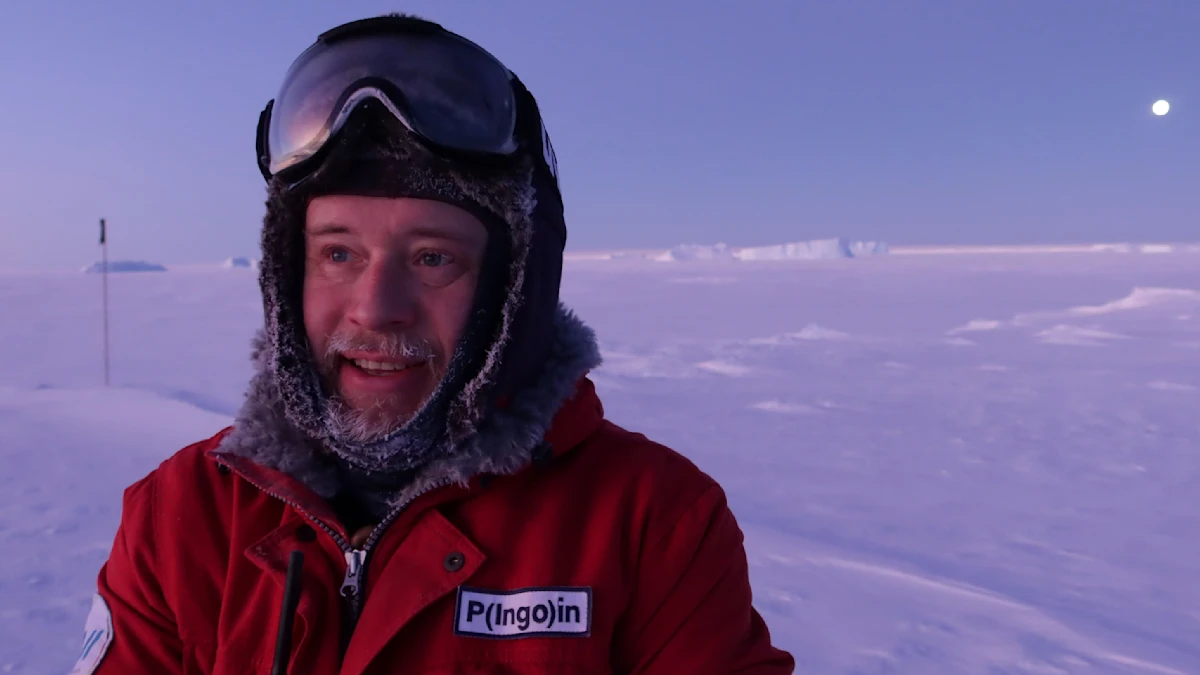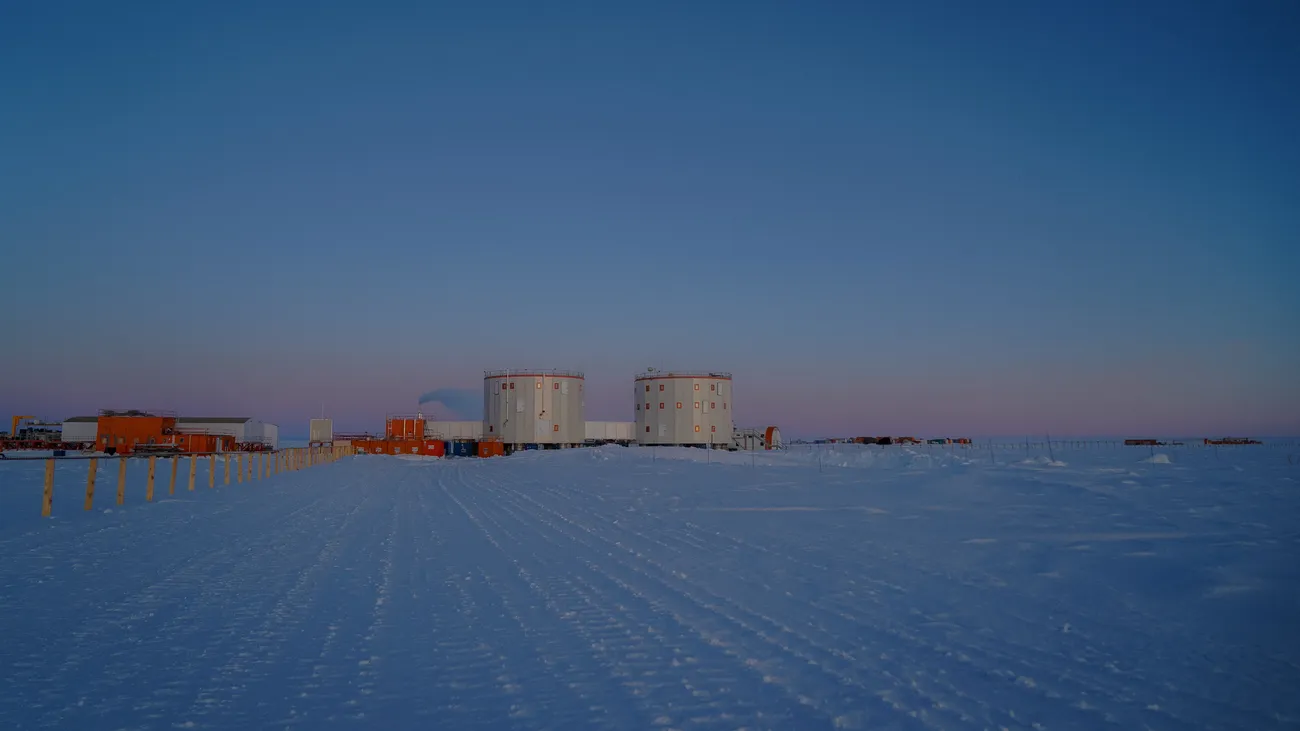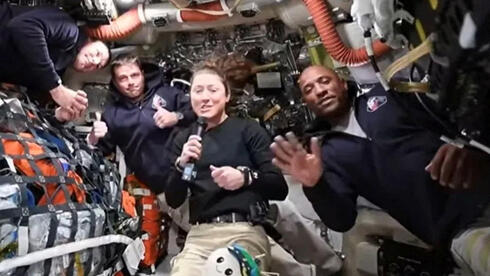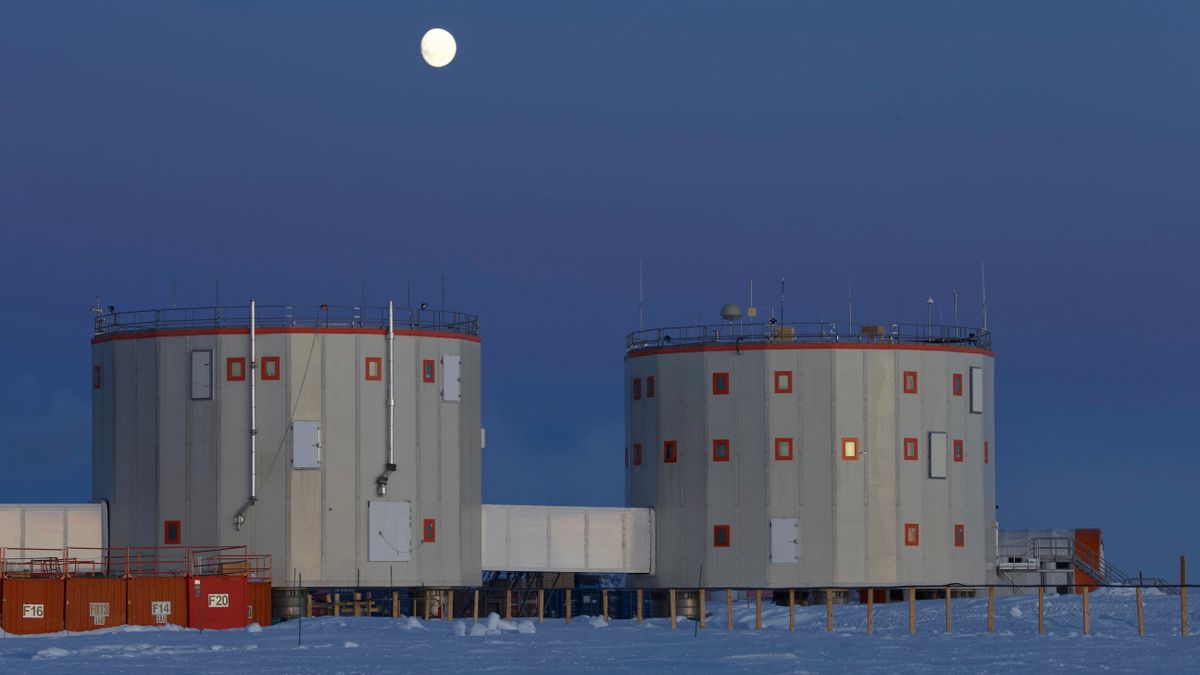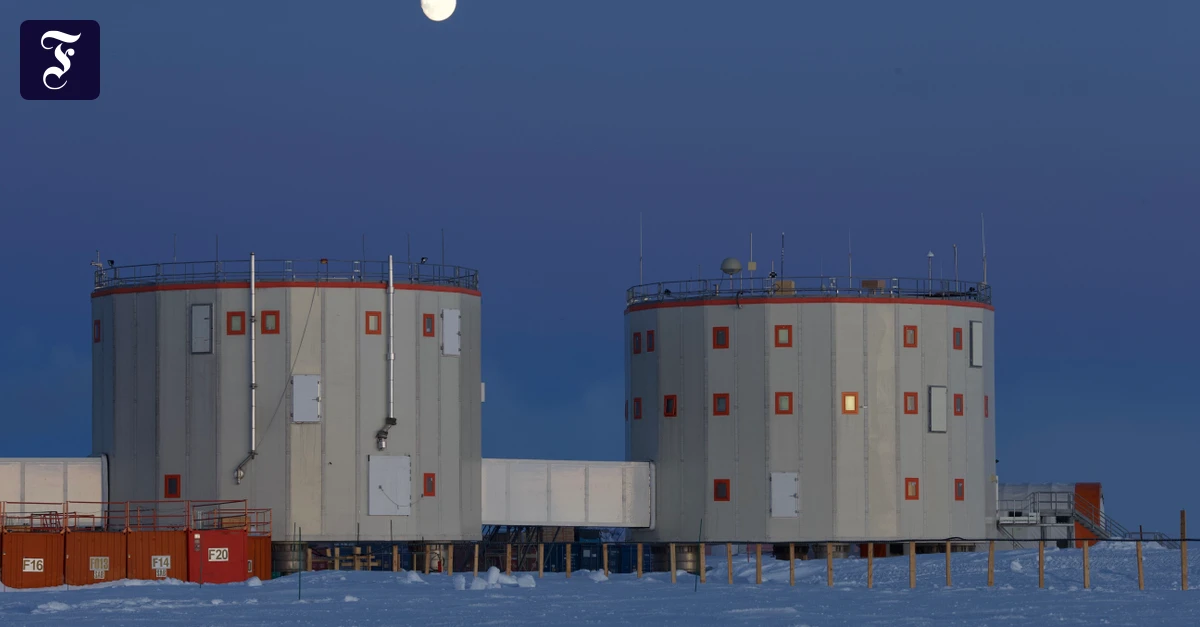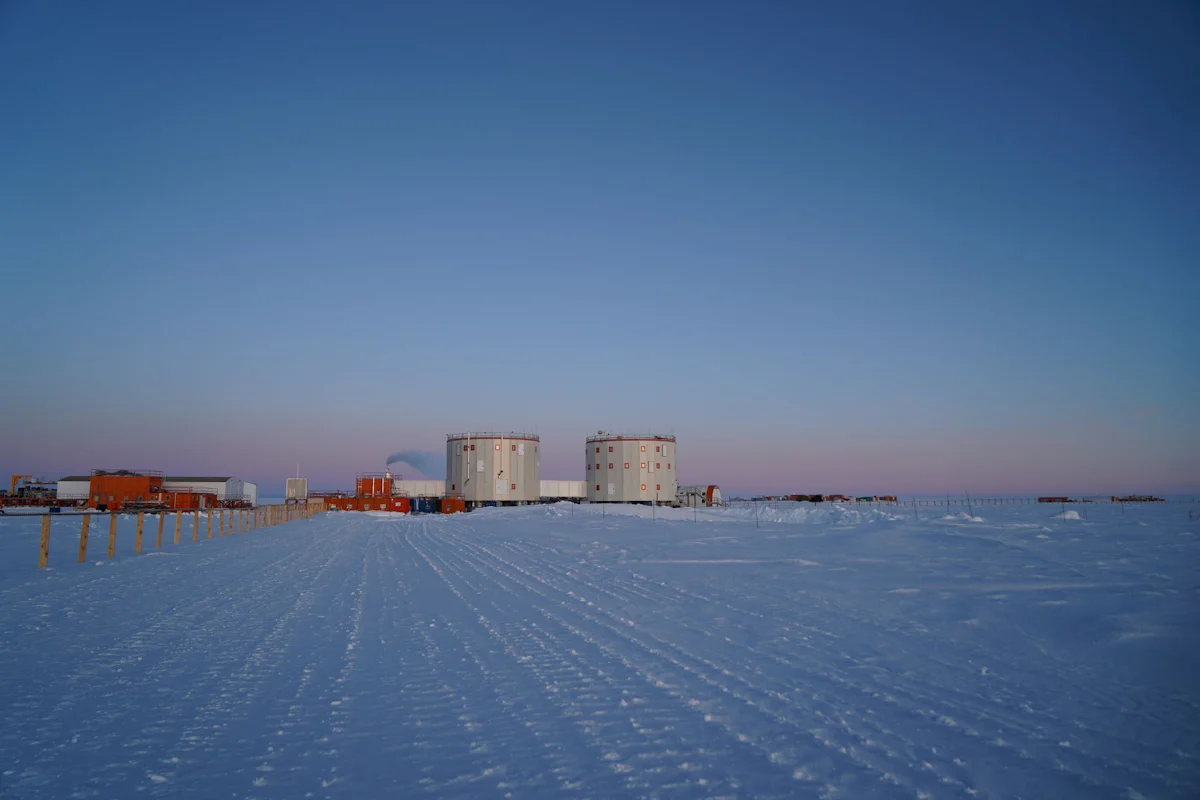
Long space missions can force small crews to endure isolation, cramped living conditions, and intense psychological pressure for months at a time. To better understand how those conditions shape teamwork, an international research group studied a ten-month overwintering mission at Concordia Station in Antarctica.
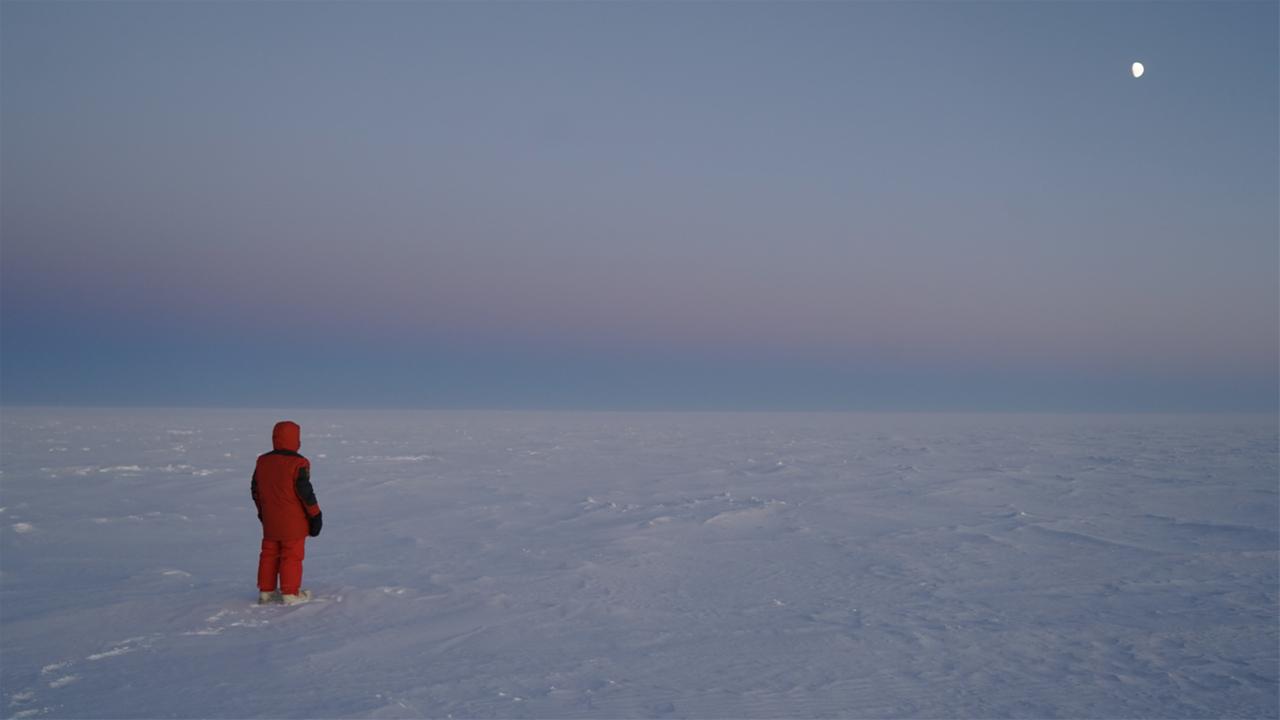
The research was led by Jan Schmutz, a professor in the Department of Psychology at the University of Zurich, and Andrea Cantisani, a psychiatrist and research associate at the University of Bern. Concordia Station is among the most remote places on Earth, with winter temperatures falling as low as minus 80 °C (-112 °F). Its isolation makes it one of the strongest real-world stand-ins for future extended missions to the Moon or Mars.
Tracking Social Changes in Extreme Isolation
The mission included 12 crew members, who completed questionnaires at four points during the ten-month period. They also wore sensors that automatically measured when they were physically close to other team members and how long those encounters lasted.
By combining the questionnaire responses with the sensor data, the researchers were able to follow changes in loneliness, trust, conflict, social relationships, team cohesion, and perceived performance throughout the mission.