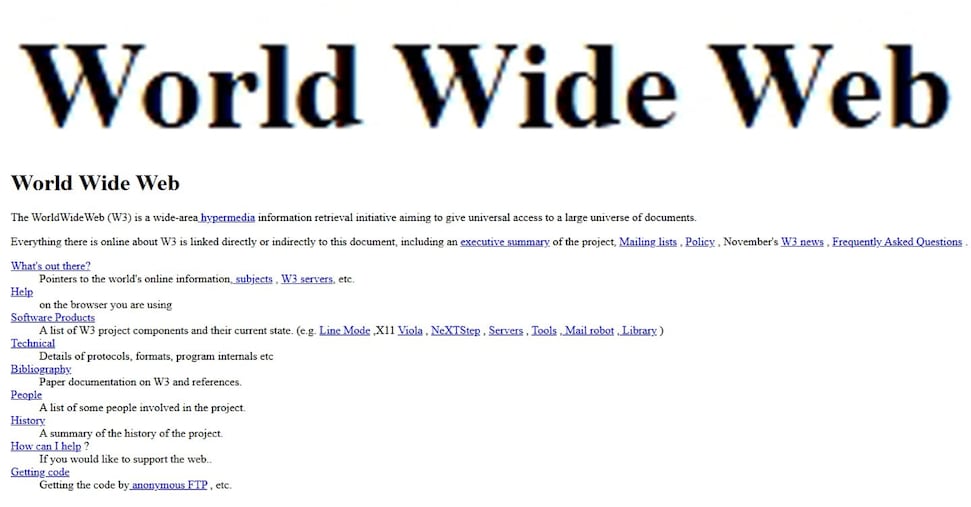
On 6 August 1991, a British scientist at CERN posted a quiet note to an internet newsgroup. Tim Berners-Lee wanted a way to store and link documents so his colleagues could find each other’s work. He called it the world wide web. “We are very interested in spreading the web to other areas,” he wrote, in what has to rank among the great understatements of the century.
Thirty-five years on, the web is how most of the planet works, shops, argues, and falls in love. It also, by its creator’s own account, lost its way. Speaking to The Guardian last year, Berners-Lee lamented “a handful of large platforms harvesting users’ private data” and algorithms “addictive by design.” Trading personal data for access, he said, “certainly does not fit with my vision for a free web.”
From documents to destinations
Here is the part that would have sounded like pure science fiction in 1991. While the web marked its birthday, an American firm called Offworld Industries said it had gone to Tokyo to talk about building things in space. Not satellites. Hotels.
The company, run by longtime space-habitat evangelist John Blincow, said its CEO had returned from an “exploratory meeting” at construction giant Kajima’s headquarters, alongside people linked to Japan’s space agency JAXA and Nippon Travel Agency.