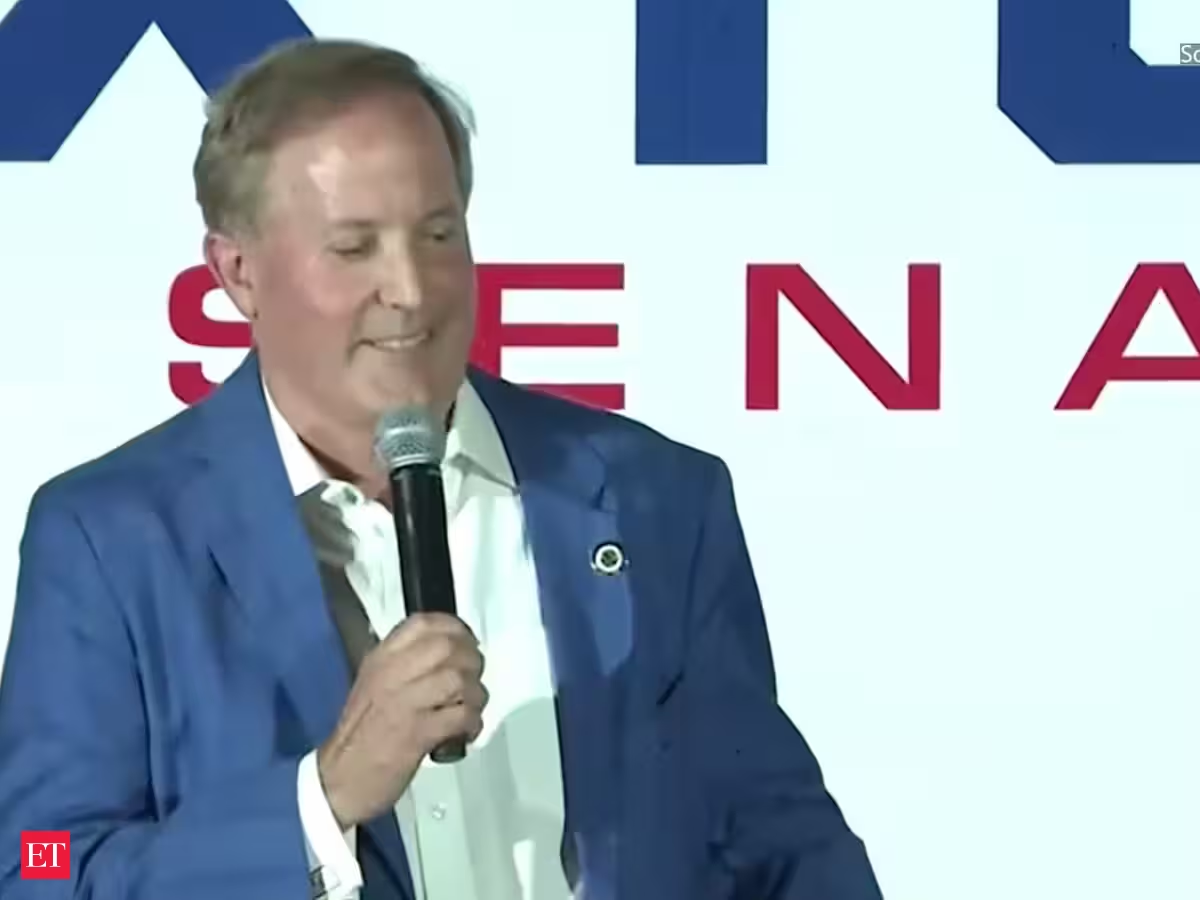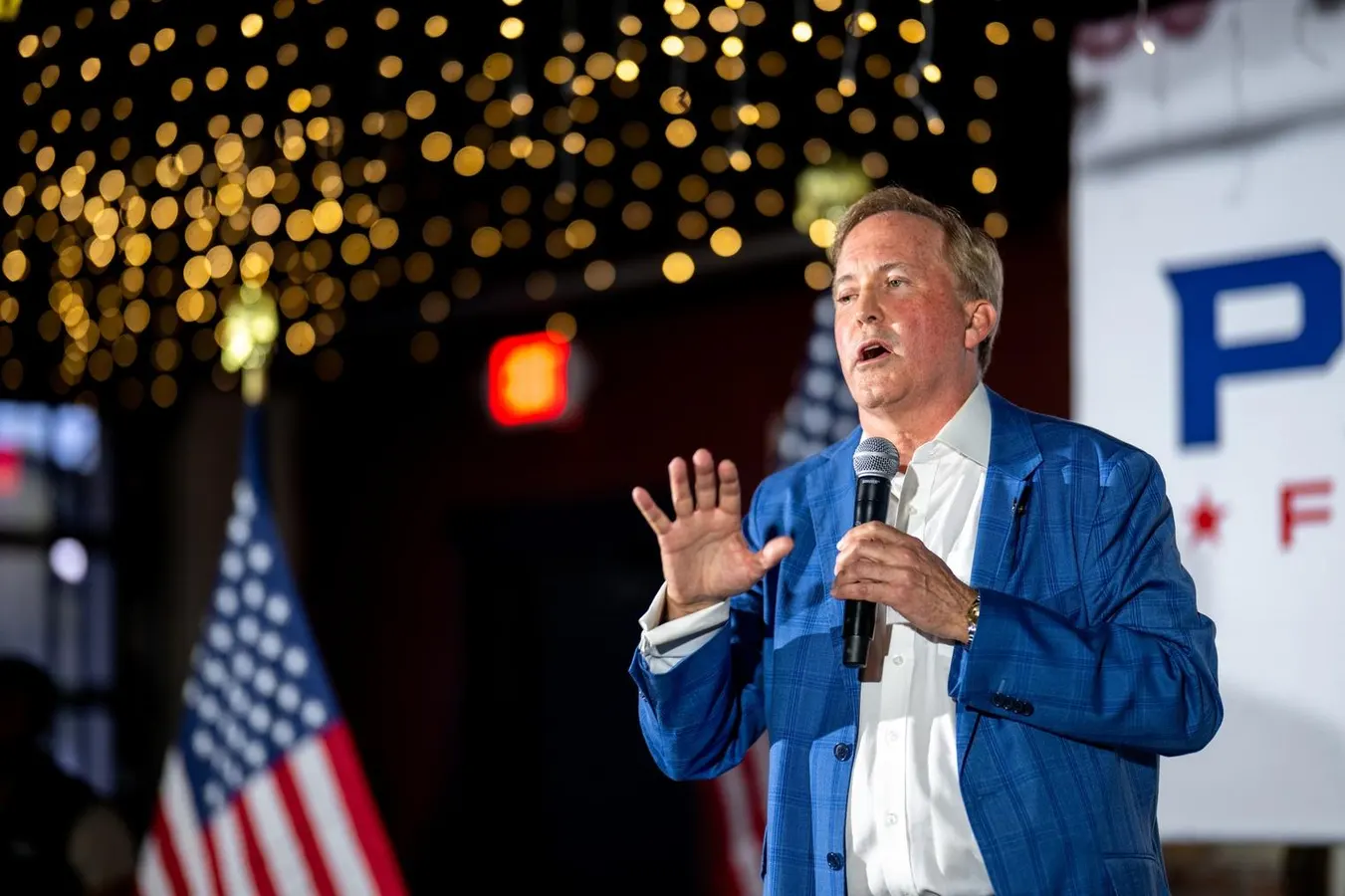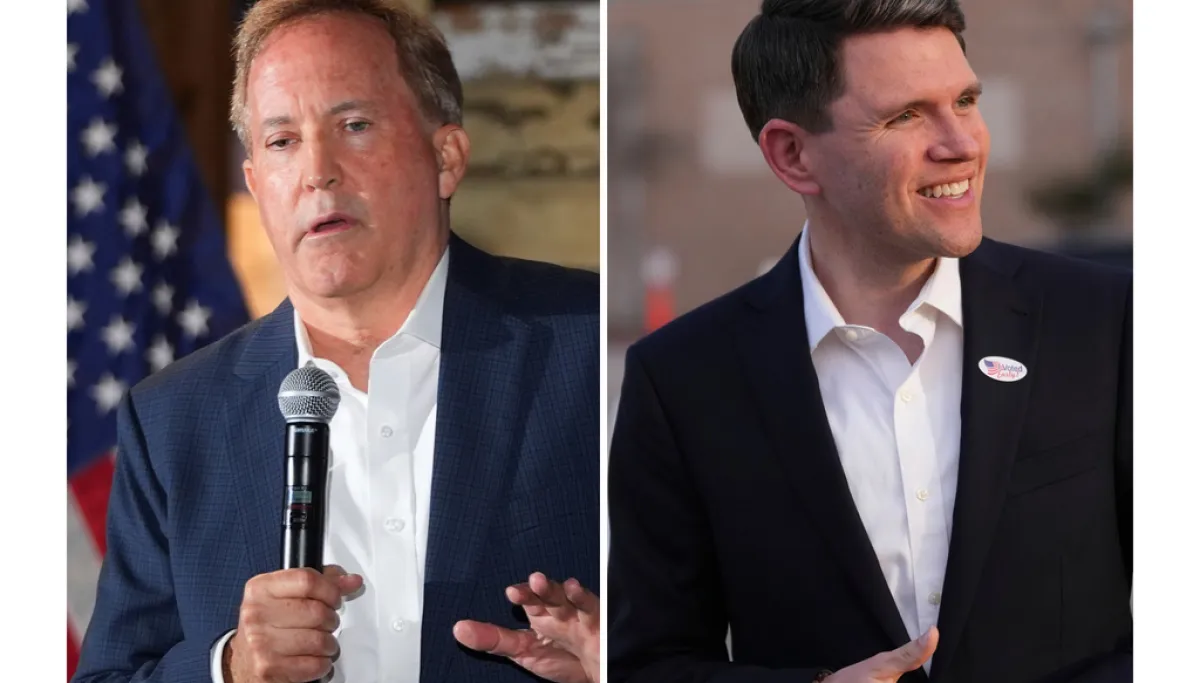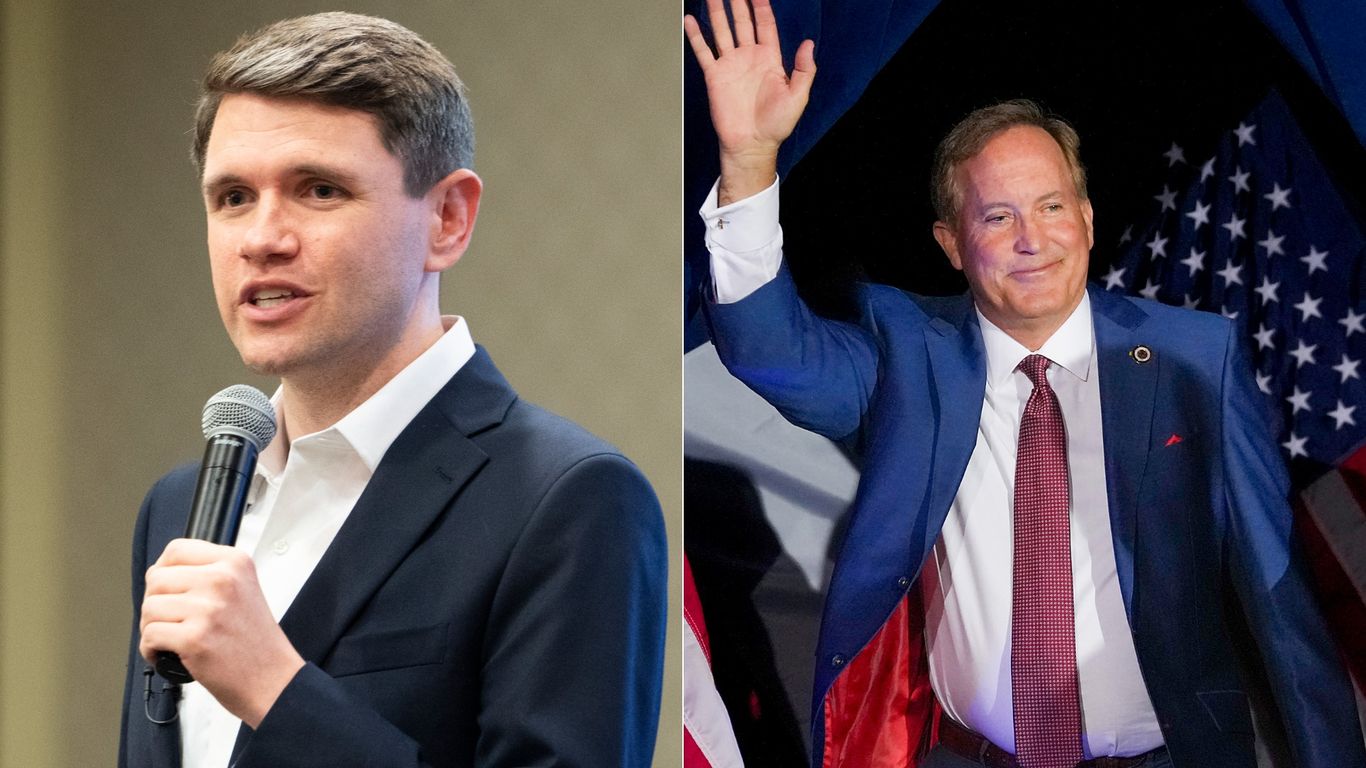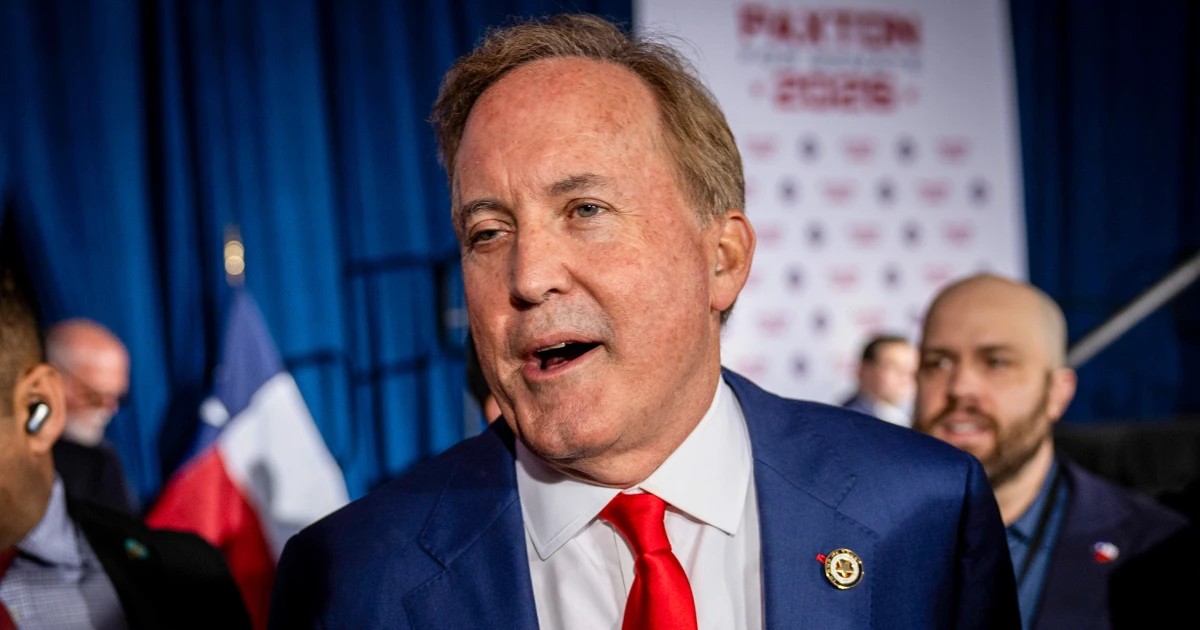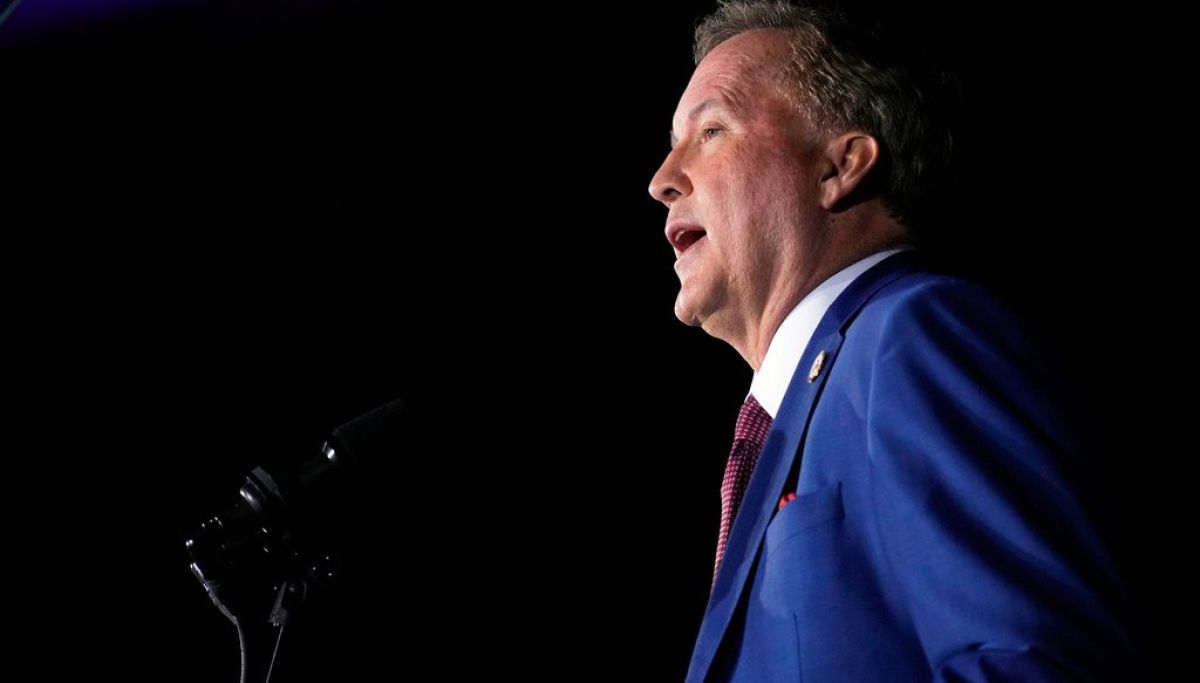
Supply-side economists are panning Texas Senate hopeful Ken Paxton‘s tax proposal, saying it cuts against the long-sought Republican goal of broadening the tax base while lowering overall rates.Paxton, the attorney general of Texas who is running against Democratic state Rep. James Talarico in this year’s election, has released a plan to grant tax breaks for housing, healthcare, and children, aimed at voters upset about the cost of living.As with the tax breaks that President Donald Trump campaigned on and enacted, such as cutting taxes on tips and Social Security, the proposals championed by Paxton have a populist bent but cut against the tax reform principles embraced by conservatives for decades.
SWAN SONG FOR SUPPLY-SIDERS? ‘BIG, BEAUTIFUL BILL’ SIGNALS SHIFT IN GOPConservative economists argue that the plan isn’t sound and could increase prices in some cases, by increasing demand for certain goods and services without increasing supply. It would also complicate the tax code, rather than simplifying it. And it would not produce lower rates, which free-market economists see as helpful for increasing economic efficiency.“What is being proposed here is a distinct departure from the traditional Republican tax reform agenda of broadening the base and lowering the rates,” Adam Michel, director of tax policy studies at the libertarian Cato Institute, told the Washington Examiner.The Paxton campaign did not respond to a request for comment on the criticisms.Among the proposals in the Paxton plan, which the campaign has dubbed the “Protecting the Texas Promise Agenda,” are a $25,000 deduction for out-of-pocket medical expenses and premiums, a $50,000 home down payment deduction, a $5,000 “healthy living” deduction, a 100% increase in the child tax credit, and making the Trump Accounts program permanent.Will McBride, vice president of federal tax policy at the Tax Foundation, said the plan is “not great.”“It goes in the opposite direction of tax reform, and it’s the reason tax reform is needed,” McBride told the Washington Examiner.McBride said tax reform, as it’s commonly understood, entails removing special preferences and carve-outs that accumulate over decades and complicate the tax code.In 1986, President Ronald Reagan shepherded through landmark tax legislation with bipartisan support that simplified the tax code, closed loopholes, and was designed to make the system fairer. It gutted special tax deductions and lowered income and corporate taxes.Since then, broadening the tax base has been the North Star for Republican budgeteers. The idea is that special deductions and credits should be limited in the tax code so that there is a larger amount of income being taxed. That larger pool allows for overall rates to be lowered without reducing the revenues that fund the government.Broadening the base was top of mind for former House Speaker Paul Ryan, a budget hawk who helped enact the 2017 Tax Cuts and Jobs Act, better known as the Trump tax cuts. But since then, the Republican Party has shifted, at least with some policies, toward narrowing the base.For instance, many of the tax promises from the 2024 Trump presidential campaign — such as no taxes on tips, no taxes on overtime, and raising the cap on state and local tax deductions — cut in the other direction, away from broadening the base.Supply-side opponents of these provisions that only apply to certain subsets of taxpayers argue that they create distortions in the tax code. For example, cutting taxes on tips could give full-service restaurants an advantage over fast-casual chains. Allowing more deductions for state and local taxes paid could incentivize mayors to spend more on government services.Preston Brashers, a research fellow at Advancing American Freedom’s Plymouth Institute for Free Enterprise, said the proposal is “taking the wrong approach.”“I think ultimately it reveals a misunderstanding of what tax policy is supposed to be about, about how the economy works,” Brashers told the Washington Examiner.Still, Paxton is betting that the plan will resonate with voters who are fed up with high inflation and with homeownership being out of reach.“Washington has made it harder than ever to get ahead, and the American dream is slipping away as the cost of everything from housing to healthcare rises,” Paxton said in an ad released by the campaign about the plan.“My agenda is very simple: I believe every Texan should be able to buy a home, raise a family, and live a healthy life without struggling to make ends meet,” the GOP Senate hopeful added.‘Subsidies on top of subsidies’