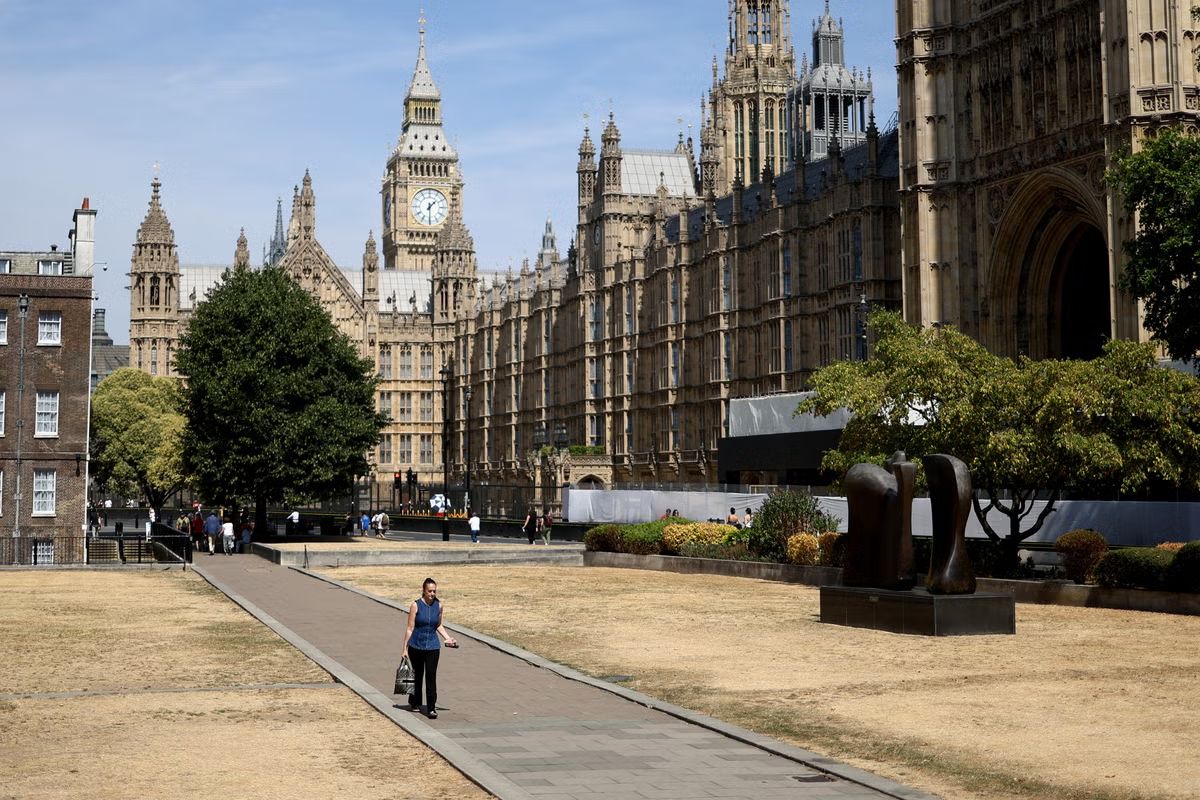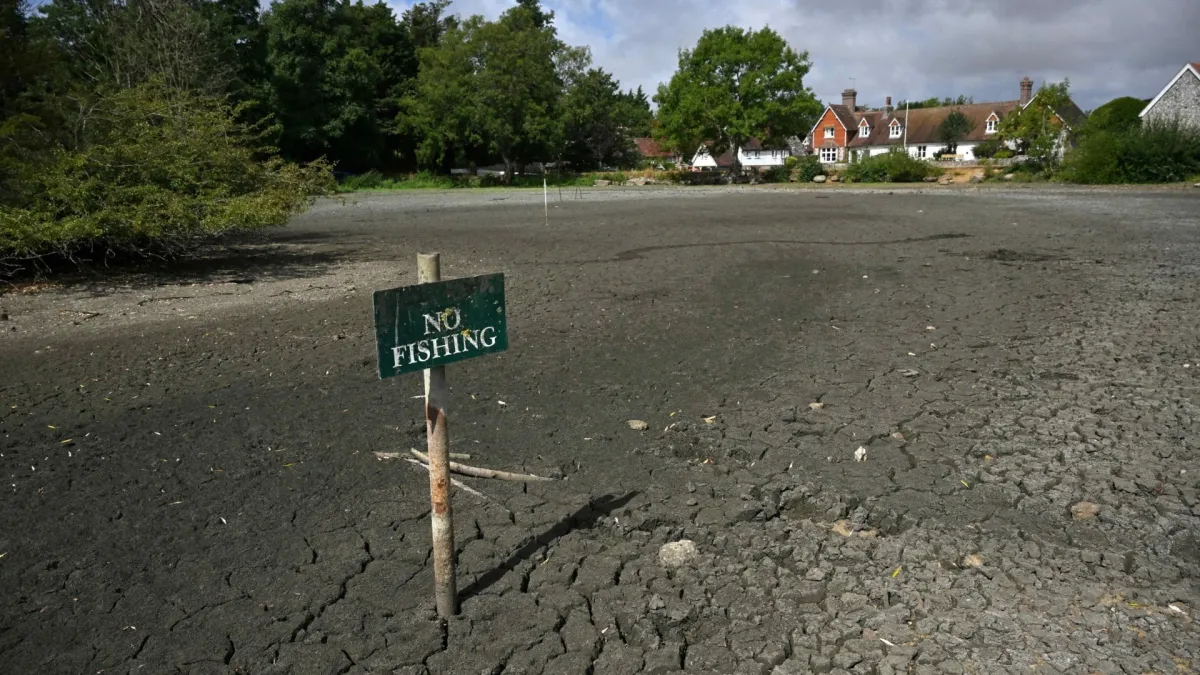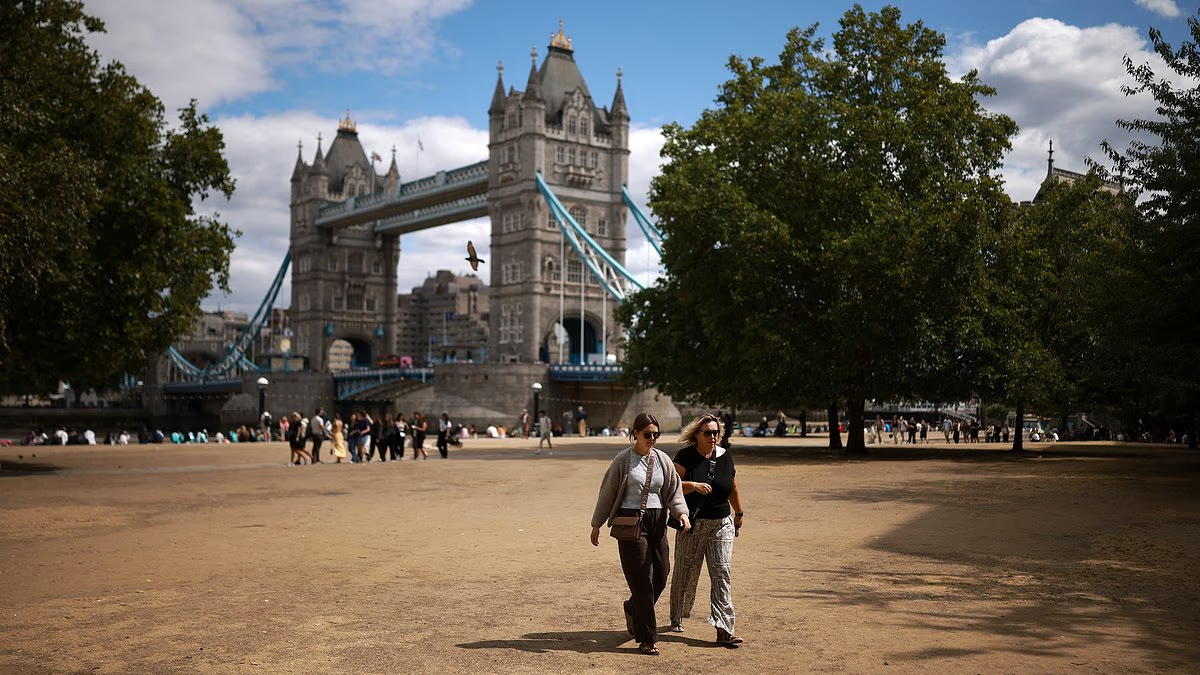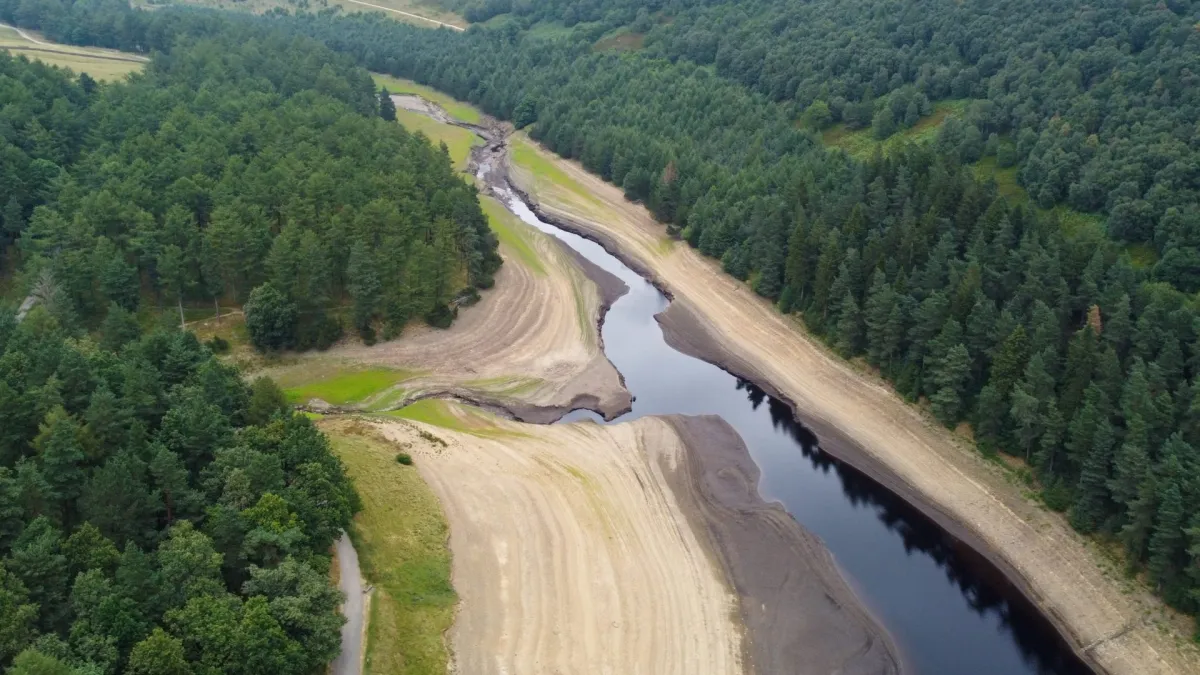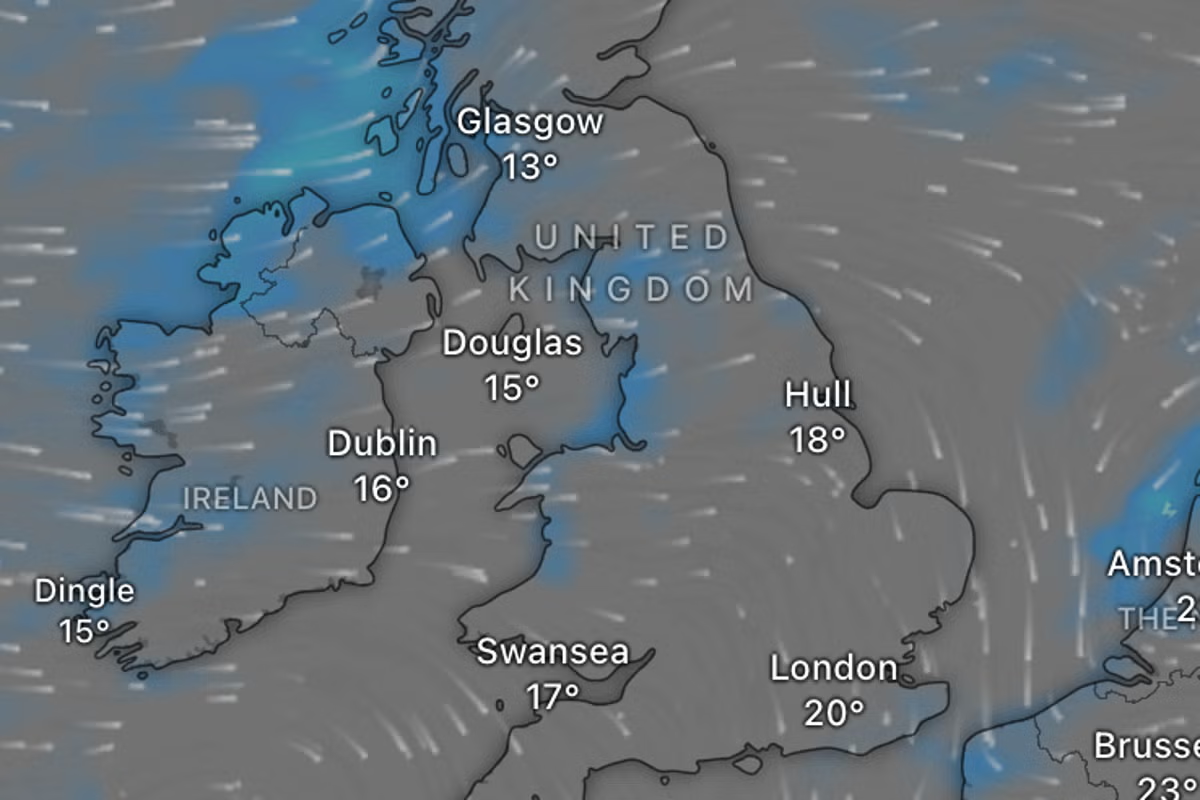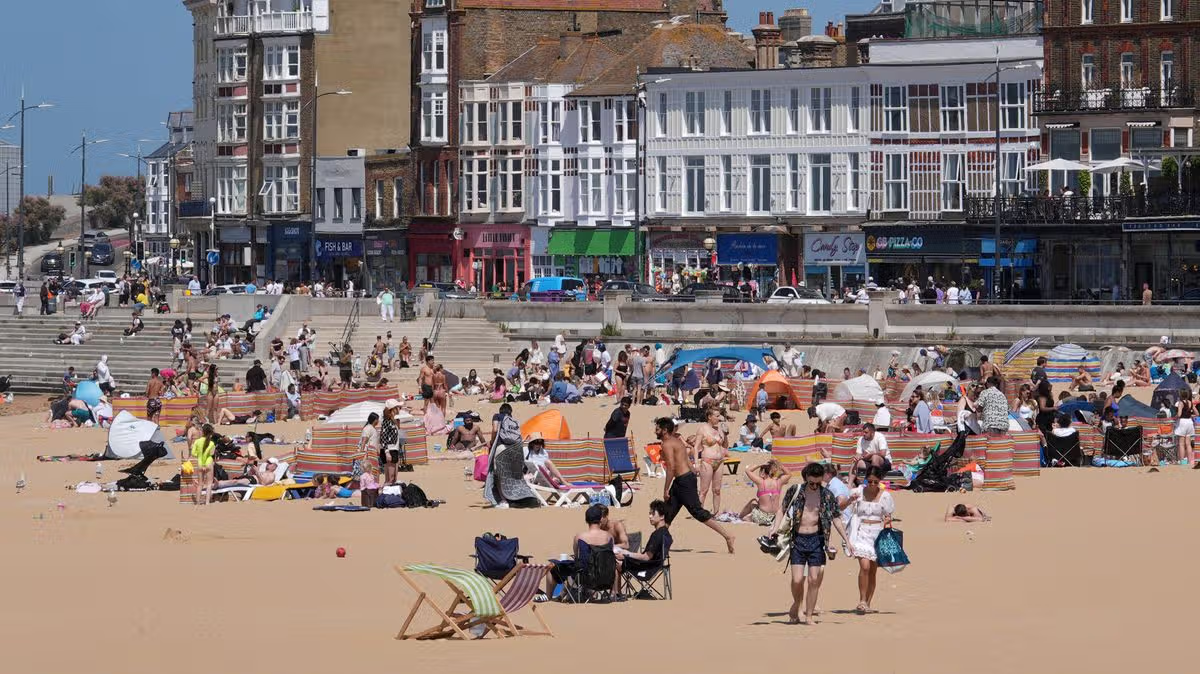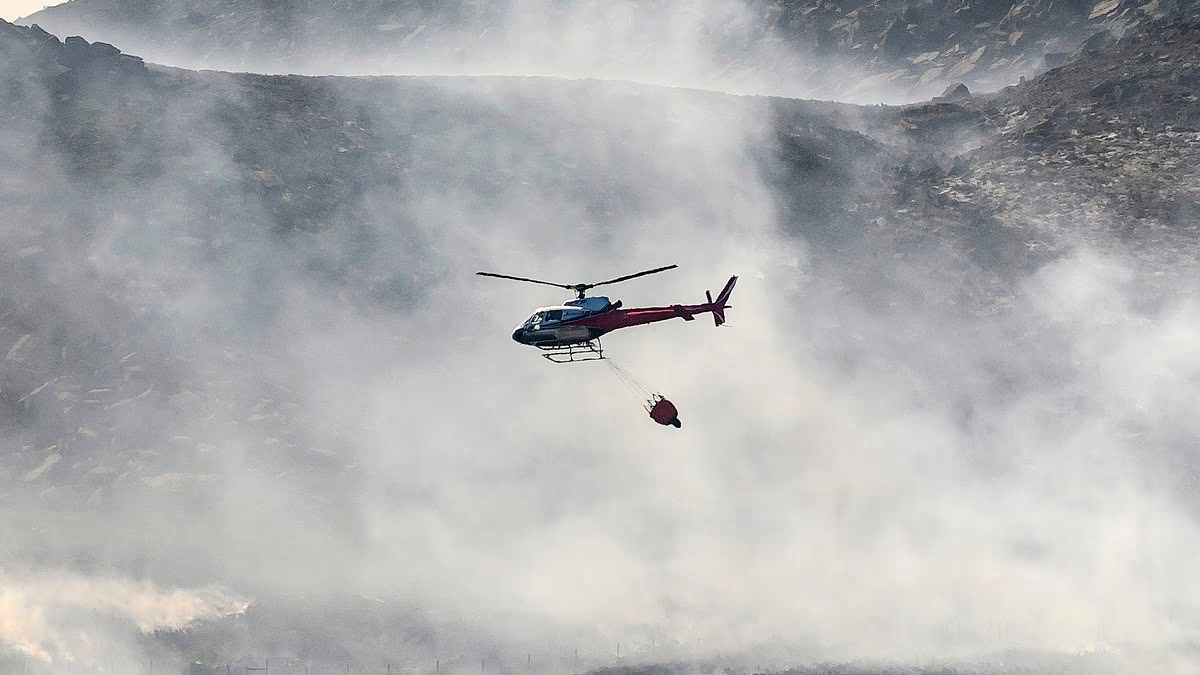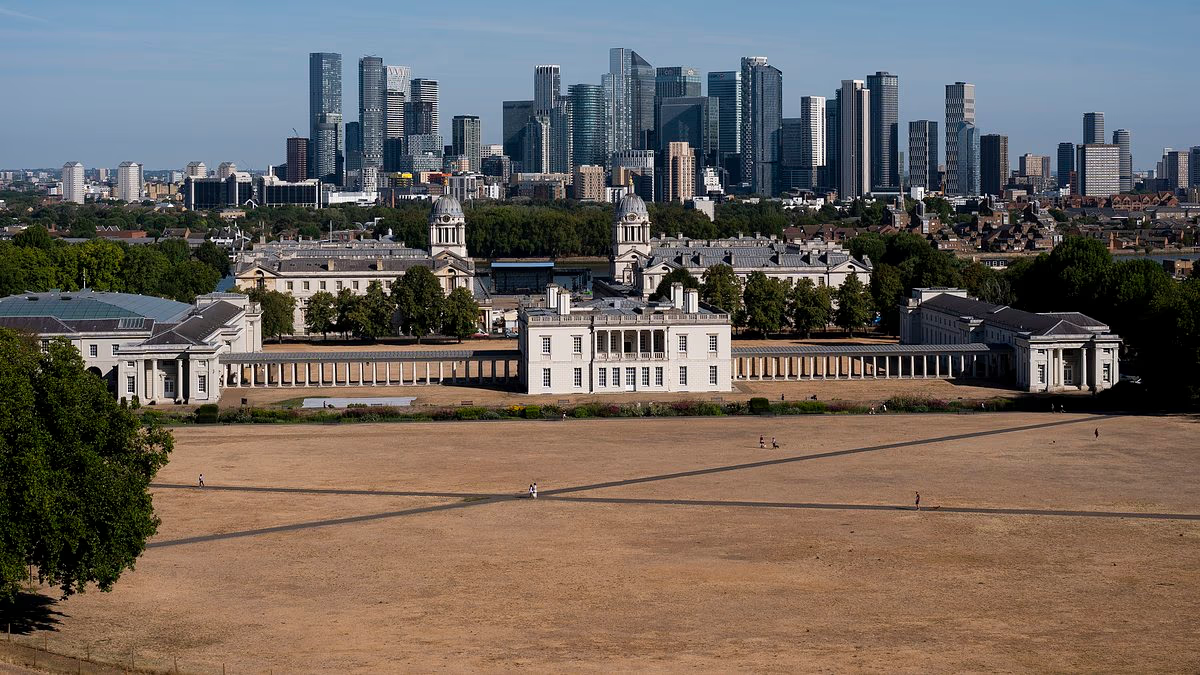
Britain is set to endure its sixth heatwave in three months from this weekend with temperatures soaring past 30C again - as some areas hit 50 days without rain.The drought-hit country is currently having a brief respite from the otherwise-relentless heat as fresh Atlantic air has brought cooler conditions in recent days.Yesterday was the first time in 36 days that nowhere in the UK had been in a heatwave, although it was also the 50th dry day in a row for Wisley in Surrey.But southerly winds will now draw hot continental air into the UK this weekend as the next heatwave begins, with forecasts suggesting it could last until at least Thursday.The UK Health Security Agency (UKHSA) issued yellow heat health alerts across the South and Midlands from tomorrow until Tuesday, and these could be extended.The Government agency has warned the latest high temperatures could put further pressure on the NHS, with more vulnerable people likely to require medical treatment.The Met Office defines a heatwave as three consecutive days when daily maximum temperatures meet or exceed a temperature threshold which varies by region.The criteria is 28C in London, with latest forecasts showing this should be met each day between tomorrow and Thursday. Highs are set to be between 28C and 33C. Scorched grass at Greenwich Park in south-east London today as the dry weather continues Hot air balloons take to the air at dawn during the Bristol Balloon Fiesta which begins today The Met Office London forecast shows the 28C heatwave threshold will be met from tomorrow Southerly winds will now draw hot continental air into the UK as the next heatwave begins The UK Health Security Agency (UKHSA) has issued yellow heat health alerts from tomorrowThe extreme weather of summer 2026 has already brought five heatwaves, including two record-breaking periods in May and June that led to over 2,800 excess deaths.Two more heatwaves followed in July, while the fifth was confirmed on Monday as Worcestershire and Suffolk both hit three days in a row of threshold temperatures.Forecasters said temperatures had dropped down closer to averages for this time of year since Wednesday, but they are expected to rise again from tomorrow.Met Office meteorologist Honor Criswick said: 'The warm weather is continuing once again.'She added that today is set to be a 'nice, dry, settled day with quite a bit of warm sunshine around'.Tomorrow, Northern Ireland and parts of Scotland can expect to see some cloud and outbreaks of rain, Ms Criswick said.But it will be another dry day with plenty of sunshine elsewhere, with highs of about 29C across central and southern England and eastern areas of Wales.Ms Criswick added: 'Where we see the sunshine, it's going to start to turn quite increasingly warm on Saturday.'Saturday night going into Sunday, that's a slightly warmer day, so temperatures are already going to be that bit higher starting off the day, which is why we'll see a bit of an increase once again on Sunday – probably reaching between 30C and 32C, and that'll be somewhere across south or south-east England. A UK heatwave is official when a location records at least three consecutive days of daily maximum temperatures which meet or exceed a specified threshold - which varies by region'Once again on Sunday we do just have some bits of showery rain sinking their way southeastwards, so a few more areas could catch a few showers.'But it's only just a few showers, and there's not much rain, really. It's not going to be enough to make any real difference to the dry summer we've had.'A slight dip in temperatures is expected next Monday, reaching around 27C to 29C across southern England.'Then on Tuesday, they come up again,' Ms Criswick said, adding the heat will become more widespread across England and Wales.The ongoing hot and dry weather has resulted in wildfires across the country - including a major blaze at Llanwonno in the Rhondda, South Wales, which has spread to an area the size of over 500 football pitches.Flames have come dangerously close to engulfing homes in the village of Blaenllechau in the valley below, with photos showing the scorched black earth left behind by the fire.No homes have been evacuated but earlier this week a rest centre was set up to support those affected by smoke and a major incident was declared due to the strain being placed on fire resources.A specialist firefighting helicopter was brought in on Wednesday and has been helping South Wales Fire and Rescue Service (SWFRS) bring the blaze under control. The aftermath of a major wildfire at Llanwonno in the Rhondda, South Wales, this week Flames have come dangerously close to engulfing homes in the village of Blaenllechau Photos show the scorched black earth left behind by the wildfire in the Rhondda this week More than 22 acres of important coastal heathland burned for five days in a huge wildfire at Headon Warren near The Needles on the Isle of Wight (pictured on July 23)On the Isle of Wight, more than 22 acres of important coastal heathland that burned for five days in a huge wildfire are expected to take ‘years to recover’.The huge blaze on rare grassland at Headon Warren near The Needles was so devastating that the area will not return to ‘full health’ for a long time, according to the National Trust.Up to 80 firefighters attended at the fire’s peak to bring it under control, after it is thought to have been caused by a small campfire.Headon Warren is located on steep slopes near a cliff edge which made the fire very difficult to tackle and a helicopter had to be deployed to drop seawater on the flames.Paul Davies, countryside manager for the National Trust on the Isle of Wight, said: ‘While nature will recover, some areas are likely to take years to return to full health, and inevitably it will impact our long-term restoration efforts.’Last month was the driest July for England and Wales since records began in 1836, according to provisional figures released by the Met Office.Nineteen counties across England recorded effectively no rainfall – 1mm or less – across the whole of the month.England as a whole had just a 10th of the average rainfall for the month while Wales saw just 9 per cent of the average, with both countries seeing less than half of the rainfall in the previous record dry July in 1911.The UK, England and Wales have all recorded their sunniest Julys on record – and for England and Wales it was the sunniest calendar month ever observed.
Drought-hit Britain's sixth heatwave in three months starts tomorrow
The drought-hit UK is currently having a brief respite from the otherwise-relentless heat as fresh Atlantic air has brought cooler conditions in recent days, but this will change again tomorrow.
1,093 words~5 min read