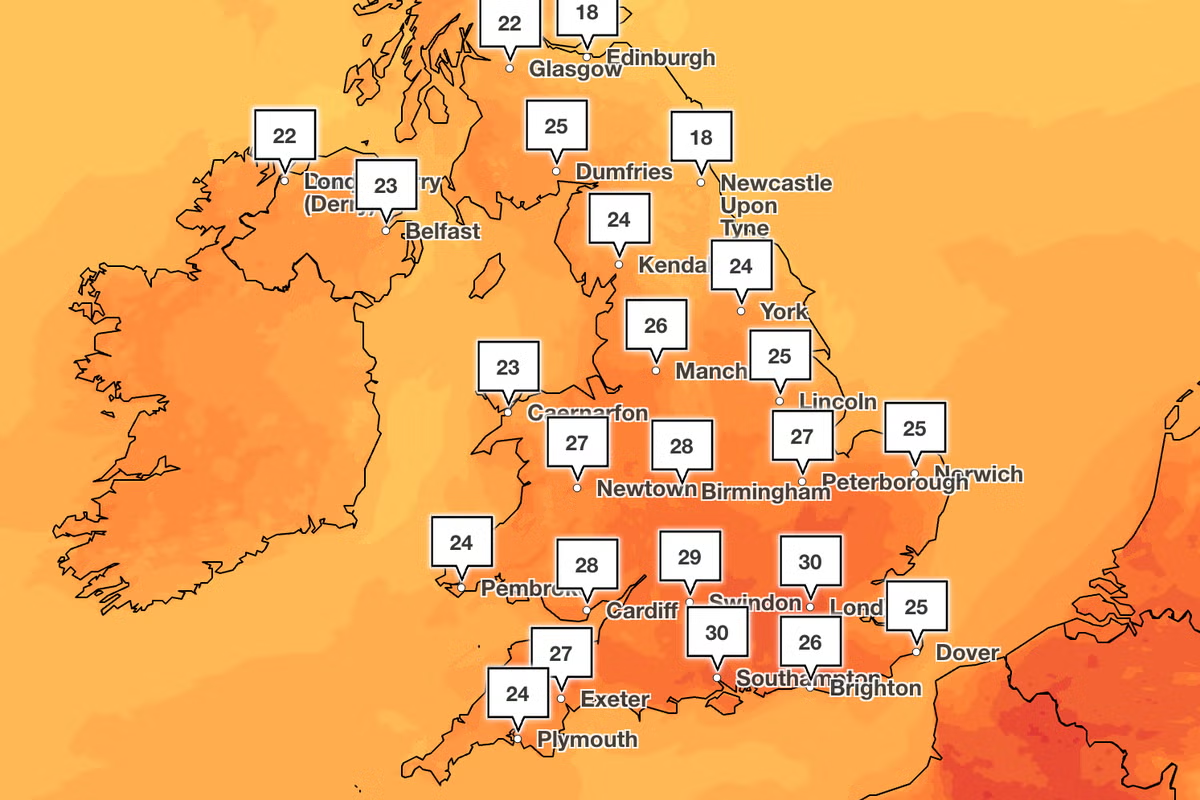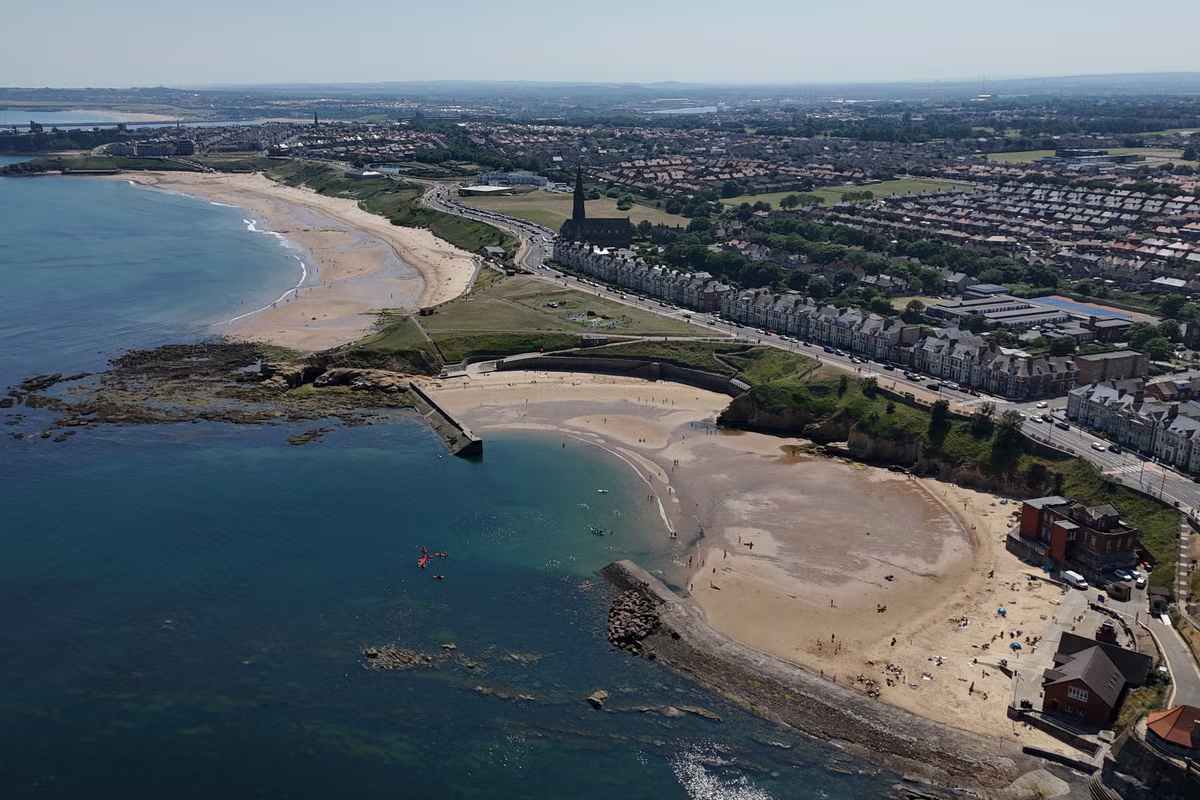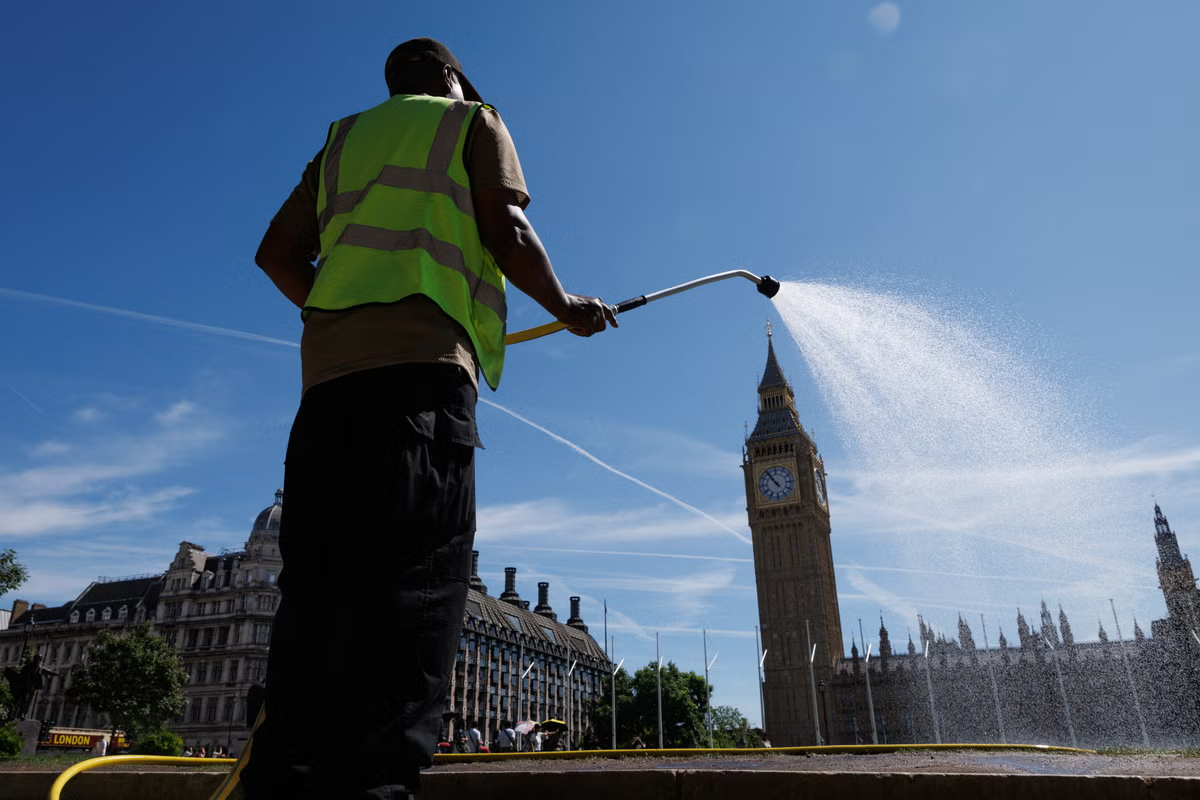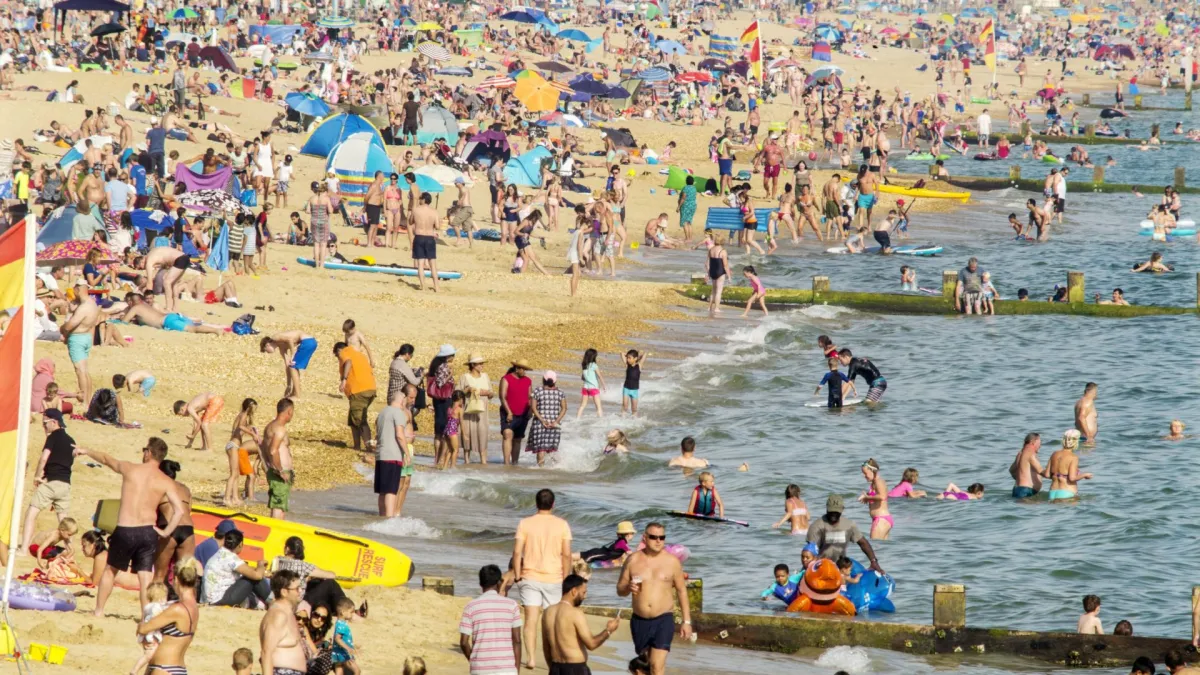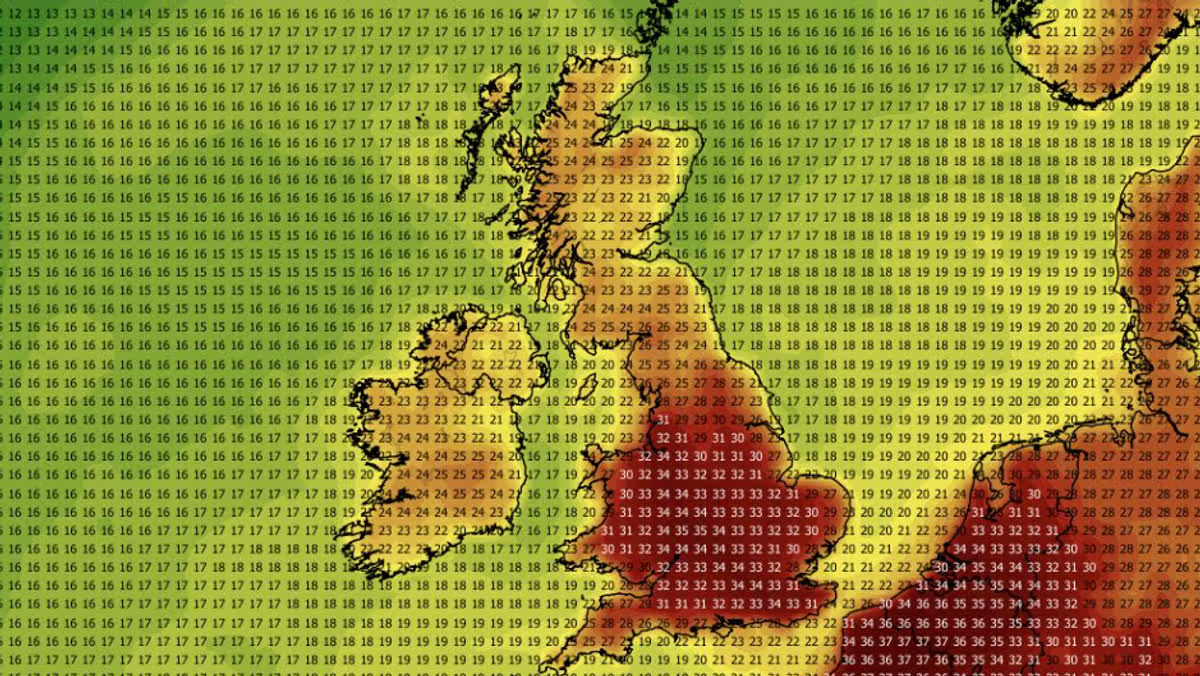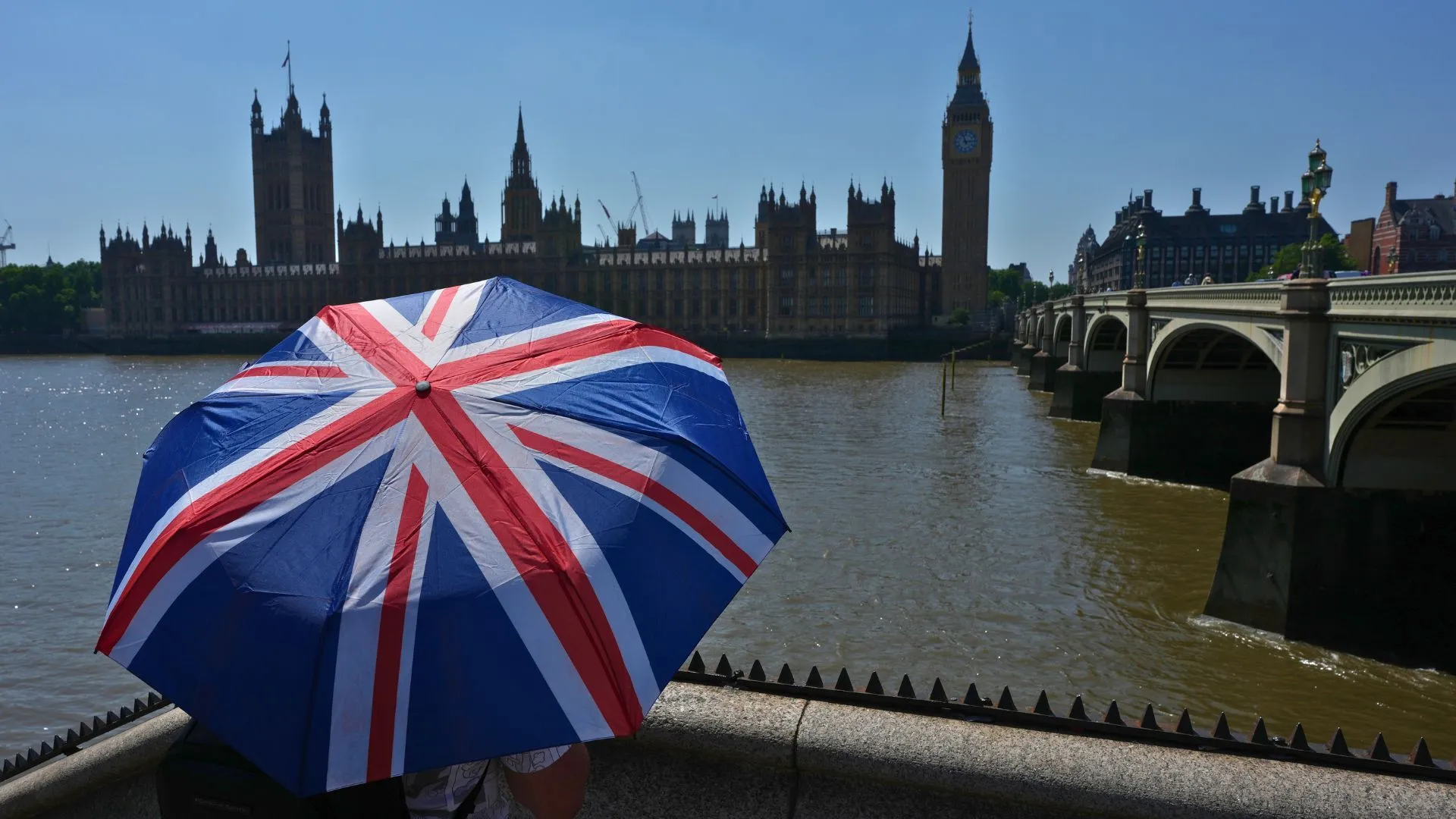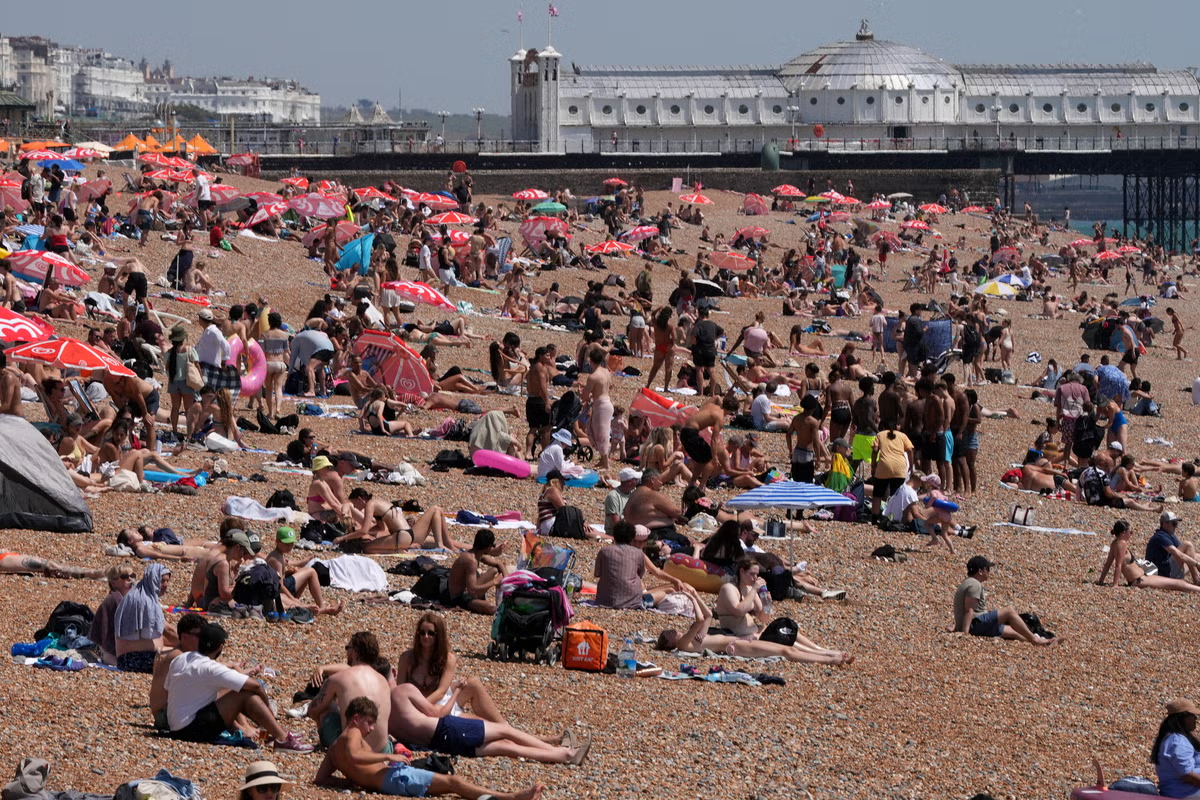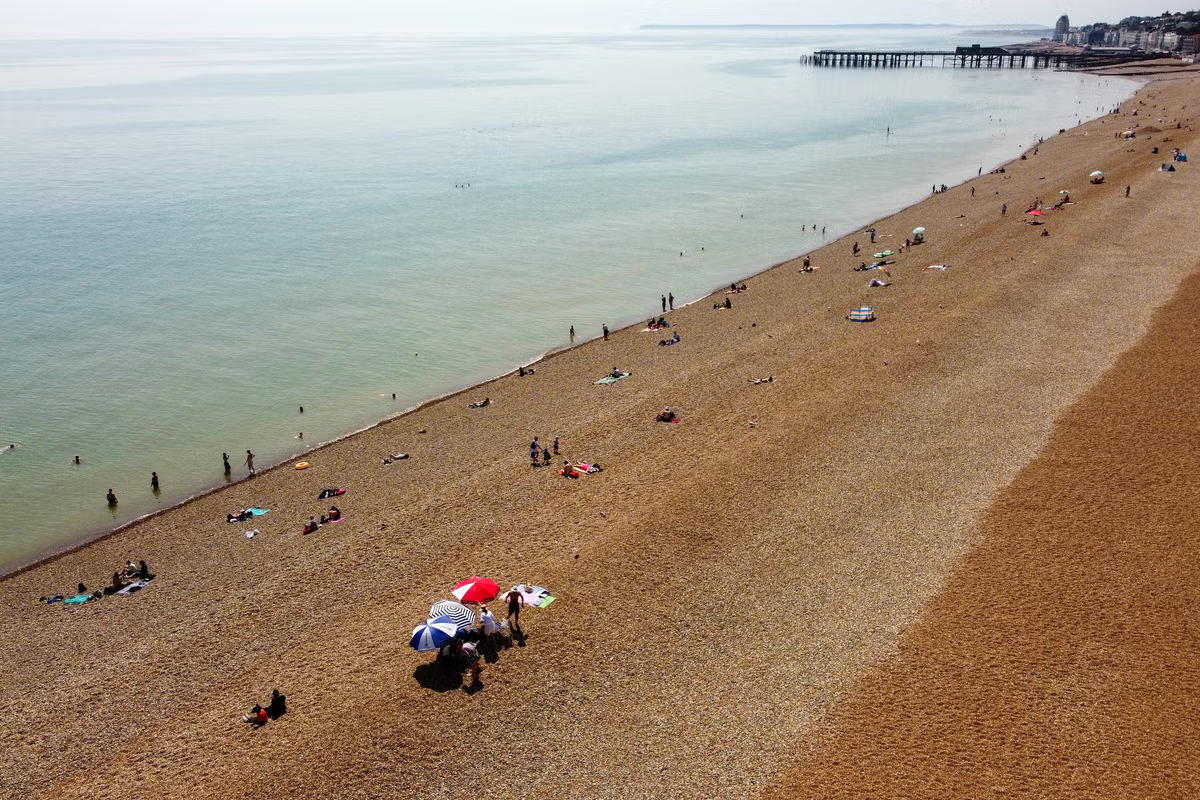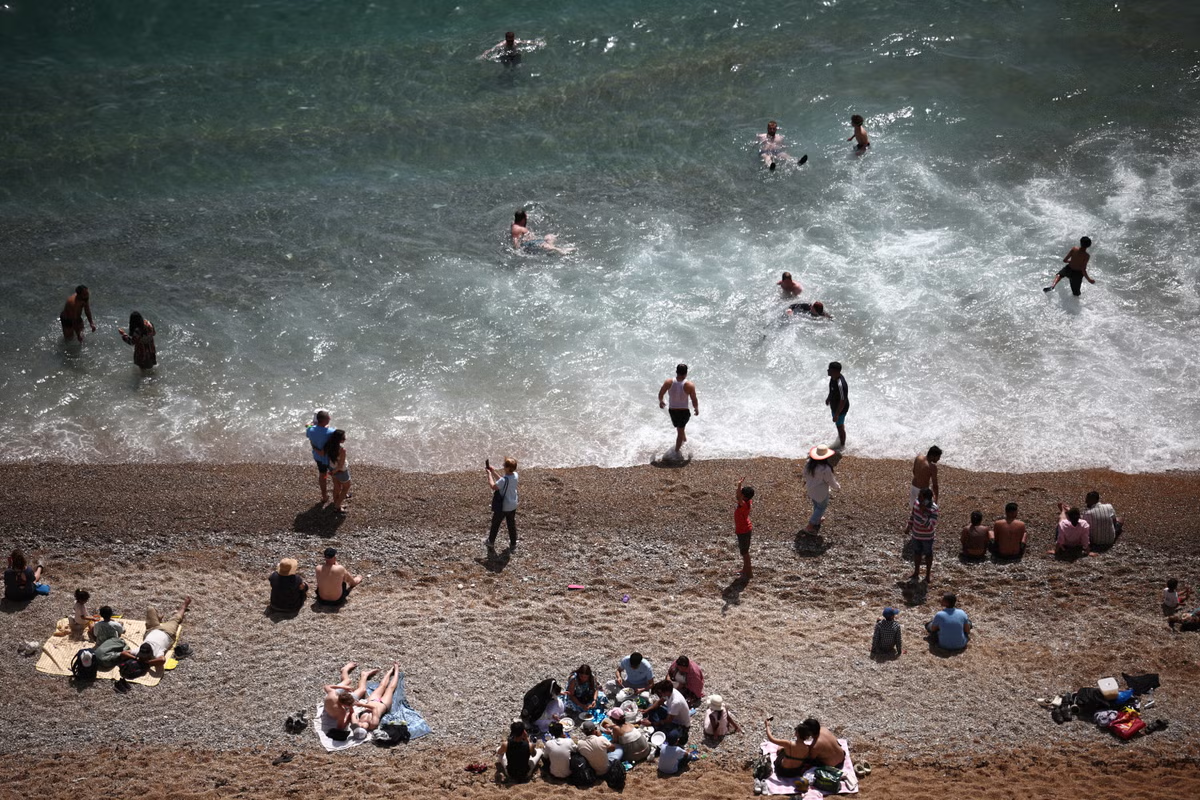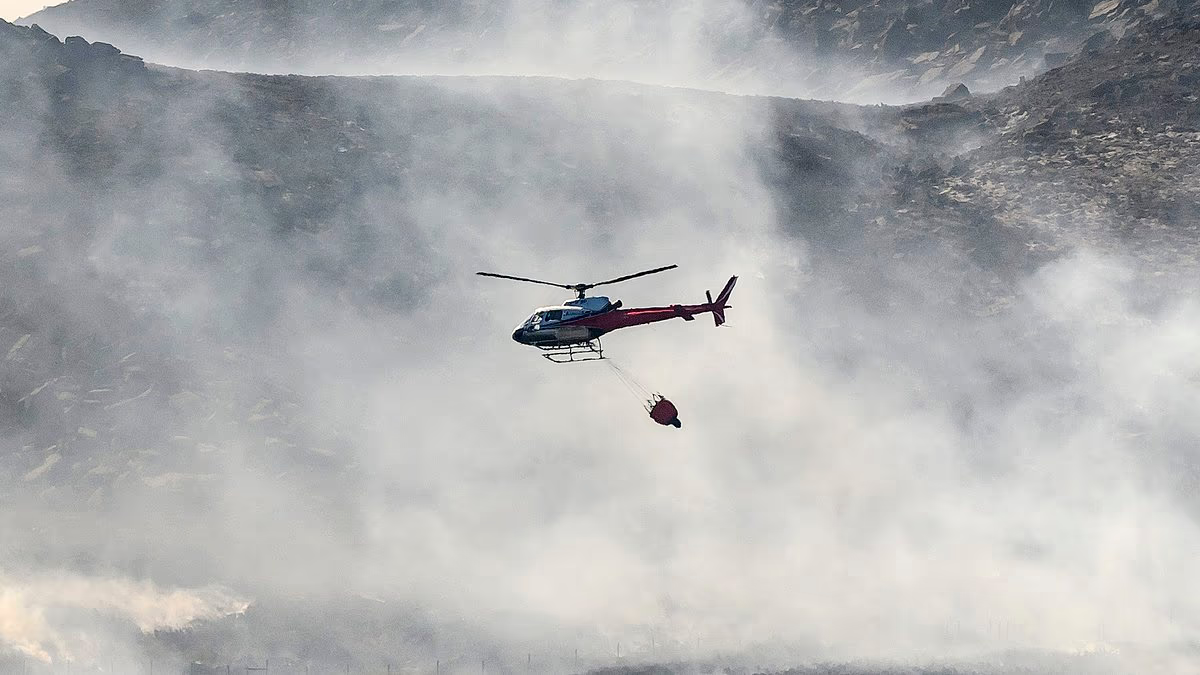
Britons could have to endure another 10 days of blistering temperatures as the country's record-breaking heatwave enters a third week - with no sign of rain in sight.UK temperatures have topped 30C for the past 11 days, making 2026 the first year on record to reach 35C in May, June and July, according to the Met Office.The mercury rose to 30.5C in Hurn, Dorset, on Wednesday, and the high temperatures are set to continue into the weekend and into next week.With no end in sight for the nation's soaring temperatures, fears are growing that wildfires which have been spreading across the country could continue. Firefighters are still tackling a huge blaze that broke out on Saturday on a moorland in Greater Manchester, six days after the countryside started to burn.The wildfire started at Dove Stone Reservoir in Greenfield, Saddleworth, but has spread rapidly and merged with another blaze one mile away at Tintwistle Moor.And despite lower temperatures, firefighters in northeast Scotland are still battling the blaze which struck Cairngorms National Park on Wednesday morning.The Met Office said the hotter temperatures will be 'locked in for the next seven to 10 days' but said it is too soon to say if the conditions will last into late July. The wildfire started at Dove Stone Reservoir in Greenfield, Saddleworth, but has spread rapidly Firefighters have warned it could take days to extinguish a huge blaze that broke out on Saturday on the moorland in Greater Manchester Firefighters worked through the night tackling the wildfire which has led to the evacuation of residents in the CairngormsTemperatures are set to drop slightly to the mid 20s on Friday, but still hot enough to prolong the heatwave David Hayter, the Met Office's deputy chief meteorologist, said: 'Every day for the last 11 days somewhere in the UK has seen temperatures reach or exceed 30C.'The high pressure will continue for the next week or so at least, but will shift enough to enable a more northerly flow that will introduce a cooler feel that will end the run of 30C days.'However, we are still likely to see some locations remain in heatwave conditions to finish the week.'He said: 'July and August are the main months in the UK for heatwaves.'Having had three significant heatwaves in the UK already this year and very little rainfall for many, dry soils could provide less resistance to daytime heating, again challenging heatwave criteria into the second half of the summer.'Whether the current heatwave continues will depend on whether there are three days of temperatures above 28C in London or 25C for the rest of the country.Forecasters said some isolated showers could appear over the weekend during a dip in temperatures, but they are unlikely to appear for very long. Britons have so far coped with a sweltering summer of above-average temperatures and persistently warm nights.England has been particularly warm, with mean temperatures currently 2.4C above the average 21C that could be expected.The Met Office said Wales is sitting 2.2C above an average of around 19.3C, and while Scotland and Northern Ireland have remained closer to their seasonal norms of 17.3C and 18.6C, they are still running above average at 0.9C and 1.3C respectively.There has been persistently warm conditions across much of the UK, particularly in England and Wales, throughout the summer so far. Met Police horses were spotted cooling off in the summer heat as they stopped for a refreshing drink from the water fountain in St James's Park, central London, on Thursday Visitors are given umbrellas to shield from the scorching sun outside Sir John Soane's Museum People flocked to the seaside resort of Lyme Regis as temperatures soared on SaturdayMet Office science manager Amy Doherty said: 'We're only halfway through summer, yet 2026 has already delivered more days above 30C than the whole of 1976 and become the first year on record to reach 35C in May, June and July.'What stands out most, however, is that the warmth has not been confined to the daytime, with overnight temperatures tracking at record levels for this stage of the season.'The high humidity so far this summer has also been unusual, making conditions particularly uncomfortable.'Taken together, these statistics make 2026 one of the most remarkable starts to a UK summer in our records.'In Lincolnshire, a dust tornado was seen spinning across a shop car parkDramatic footage was captured at The Vine Farm Shop & Cafe in Spalding, Lincolnshire, on July 10 with the rare weather phenomenon revolving around cars.The business said it was 'not something you see every day' and their customers were quick to make comparisons with Dorothy Gale from The Wizard of Oz.One said: 'I've a feeling we're not in Kansas anymore.' Another added that it was 'like Wizard of Oz and yellow brick road'.So-called dust devils are strong, well-formed whirlwinds that are usually harmless - but they can endanger people and buildings.The Met Office describes a dust devil as an upward spiralling vortex that can vary in height from a few feet to over 1,000ft.Dust devils grow upwards from the ground and are usually several metres in diameter at the base before narrowing above.They mostly occur in desert areas where the ground is dry and high surface temperatures produce strong updraughts.Unlike tornadoes, they spiral upwards from the ground rather than down from the clouds.They usually last for only a few minutes before cool air is sucked into the base of the vortex, cooling the ground and cutting off its heat supply.A spokesperson for The Vine Farm Shop & Cafe said: 'Not something we see every day in the Farm Shop & Cafe car park.'Meanwhile in Scotland, the wildfire at the Cairngorms National Park continues to burn, with businesses including campsites and ski resorts evacuated as a precaution.Smoke could be seen for miles around the site of the fire on Thursday morning, as at least four fire engines and other resources tackled the blaze.The wildfire was confined on Thursday afternoon, the Scottish Government’s Justice Secretary Neil Gray said. No casualties were reported.Mr Gray said: 'This wildfire in the Cairngorms National Park is currently contained thanks to the exceptional work of firefighters who have been on the scene since Wednesday morning.'Public safety is the priority, which is why the decision to evacuate a campsite and various properties has been taken as a precautionary measure.'The justice secretary thanked those involved in fighting the fire, adding the site will be monitored 'closely'.He urged locals to stay up to date with the latest guidance, adding: 'A very high wildfire warning was issued on Wednesday and continues to be in place across Scotland until Monday.'Everyone in the countryside is urged to avoid naked flames, choose picnics over barbecues, and fully extinguish cigarettes.'The RSPB, which runs the nearby Loch Garten nature reserve, said approximately 300 hectares of land was burnt.The charity said 27 of its staff and volunteers helped fight the blaze on Wednesday, using equipment including all-terrain vehicles with water bowsers, backpack hoses and shovels.It added there was no helicopter support available to fight the blaze, saying it believed they had all been deployed to wildfires south of the border.Some locals expressed concerns that tourists were still trying to access the area despite road closures being in place.
Heatwave to last for another 10 DAYS as wildfires continue to rage
UK temperatures have topped 30C for the past 11 days, making 2026 the first year on record to reach 35C in May, June and July, according to the Met Office.
1,204 words~5 min read