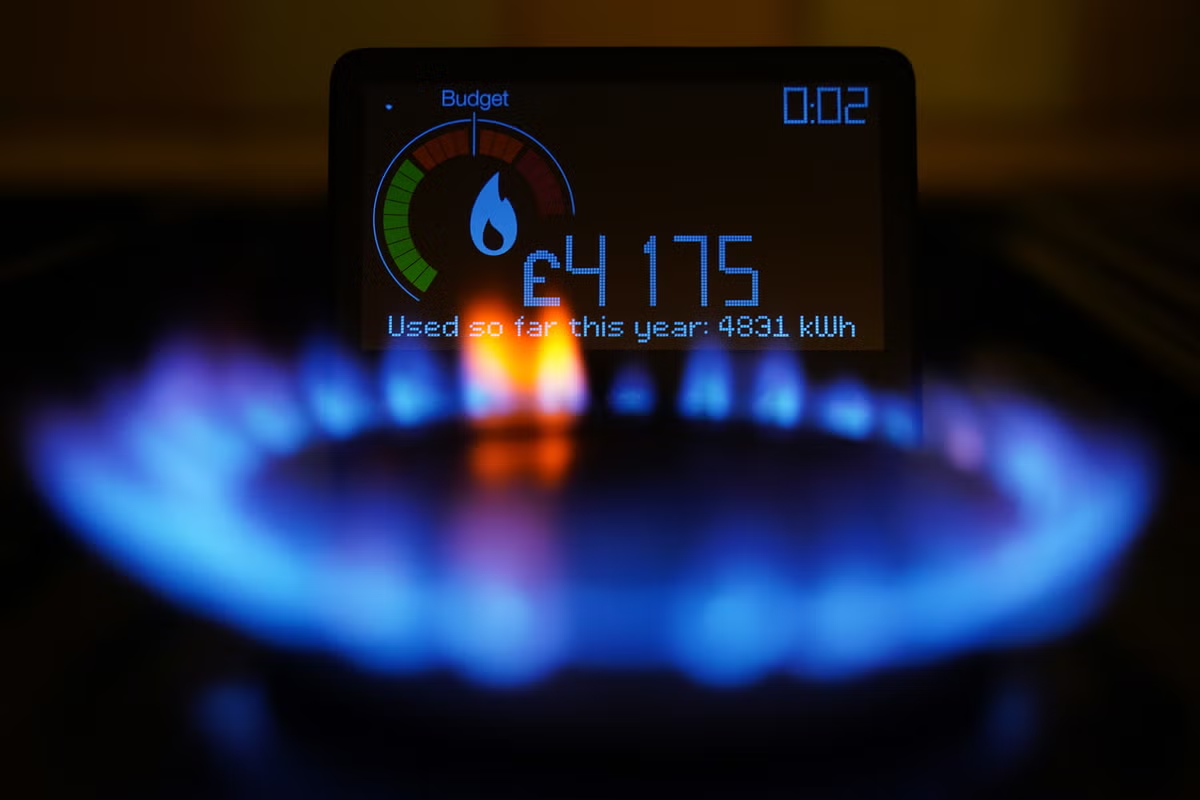
Ofgem has shared a energy-saving tips for Brits to take advantage ofRory Poulter11:33, 07 Aug 2026Households have been given a ten-point plan issued by the energy regulator to help slash sky-high bills.Ofgem, the industry watchdog, took to social media to set out a checklist of simple changes that families can make around the house - insisting that even small tweaks to daily habits can deliver significant savings. Chief among the tips is the advice to swap baths for showers, with the regulator pointing out that heating a full tub of water uses considerably more energy than a quick wash under the shower head.But the bath-versus-shower switch was just one of ten money-saving measures set out by the watchdog in a post shared with its followers, under the heading: "Here are 10 energy saving tips that you can do around your house to reduce your energy usage and in turn reduce your energy bills."The regulator, which sets the notorious price cap reviewed every three months, was at pains to stress that the cap itself is only half the story - insisting that how much gas and electricity a household actually burns through has just as much bearing on the final bill.Top of the list was insulation, with Ofgem urging homeowners to install or top up loft insulation to stop precious heat escaping through the roof - traditionally one of the biggest culprits for warmth leaking out of British homes.Families were also told to avoid using the tumble dryer where possible, with the appliance long known as one of the most power-hungry machines in the average home, guzzling electricity that can otherwise be saved by air-drying clothes.Draught-proofing was another key recommendation, with the regulator advising households to seal gaps around doors and windows to keep the heat in - though it cautioned homeowners not to block ventilation channels in the process.Simple behavioural changes featured heavily too. Ofgem said switching appliances off at the plug, rather than leaving them lurking on standby, could help chip away at bills, as could the age-old habit of turning off lights in empty rooms.Even laundry habits came under scrutiny, with the watchdog recommending a 30°C wash, a full drum and shorter cycles wherever possible - all of which, it said, reduce the energy needed to get clothes clean. Bulbs also made the cut, with households told that switching to energy-efficient LED lighting could save up to £4 per bulb every year - a modest saving on paper, but one that mounts up in a home with a dozen or more fittings.Rounding off the list, Ofgem suggested fitting window film or secondary glazing, particularly in homes with older single-glazed windows, and insulating hot water tanks with lagging to cut the amount of heat lost from the cylinder.Content cannot be displayed without consentThe advice lands as households continue to grapple with the lingering effects of the cost-of-living crisis, with millions still watching every penny as winter approaches.Campaigners have long argued that while political rows over the price cap dominate headlines, it is often these unglamorous, practical steps - insulating, unplugging, washing at lower temperatures - that make the real difference to the final figure landing on the doormat.Ofgem's ten energy-saving tipsArticle continues belowSwap baths for showersInstall or top up loft insulationAvoid using the tumble dryerDraught-proof doors and windowsSwitch appliances off at the plug rather than leaving them on standbyTurn off lights in empty roomsWash clothes at 30°C, with a full drum and shorter cyclesSwitch to energy-efficient LED bulbs - save up to £4 per bulb a yearFit window film or secondary glazing, especially on single-glazed windowsInsulate your hot water tank with lagging
'Make shower switch' to slash energy bills this summer
Ofgem has shared a energy-saving tips for Brits to take advantage of
603 words~3 min read