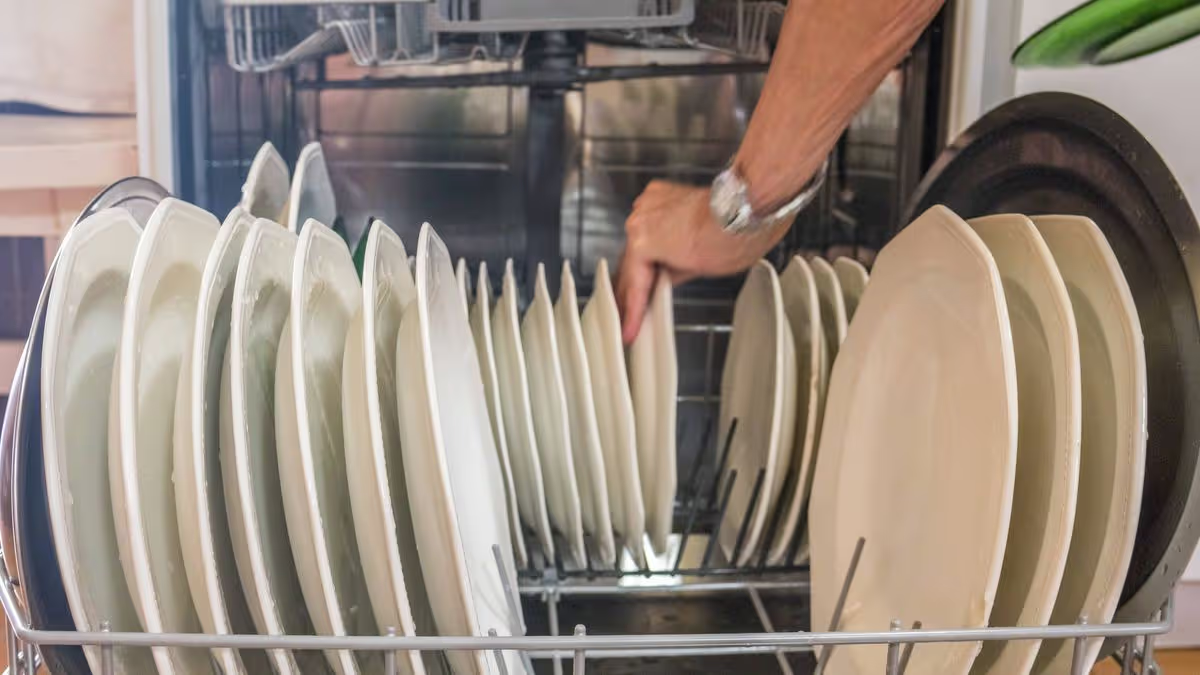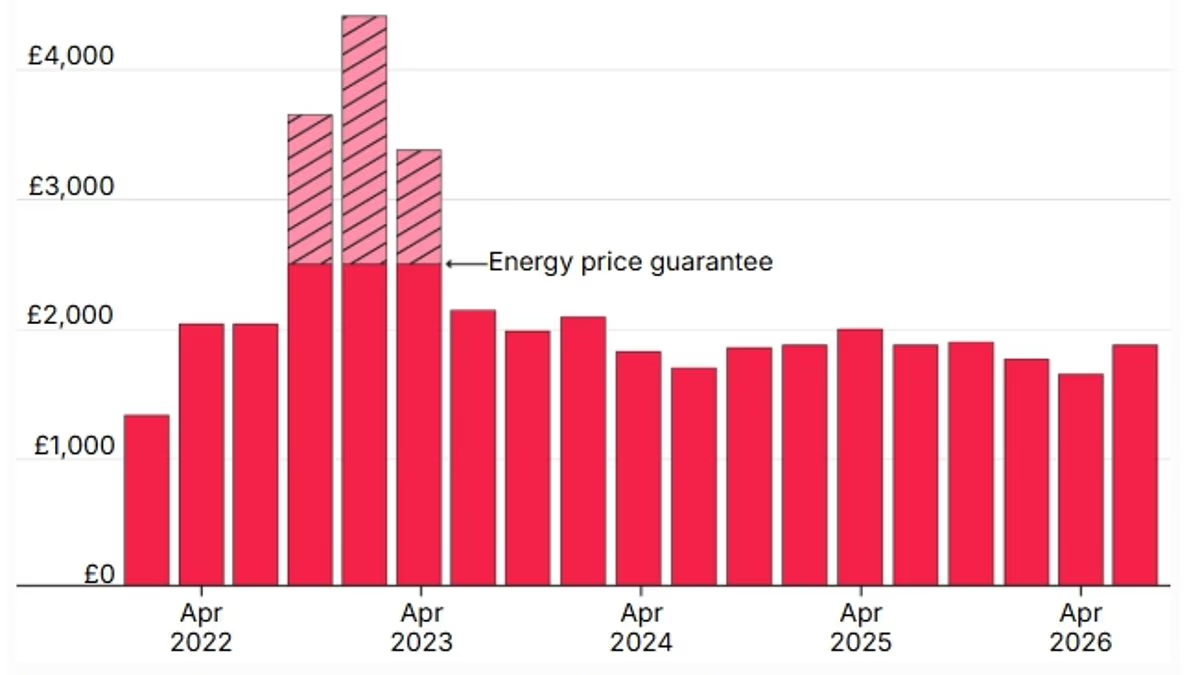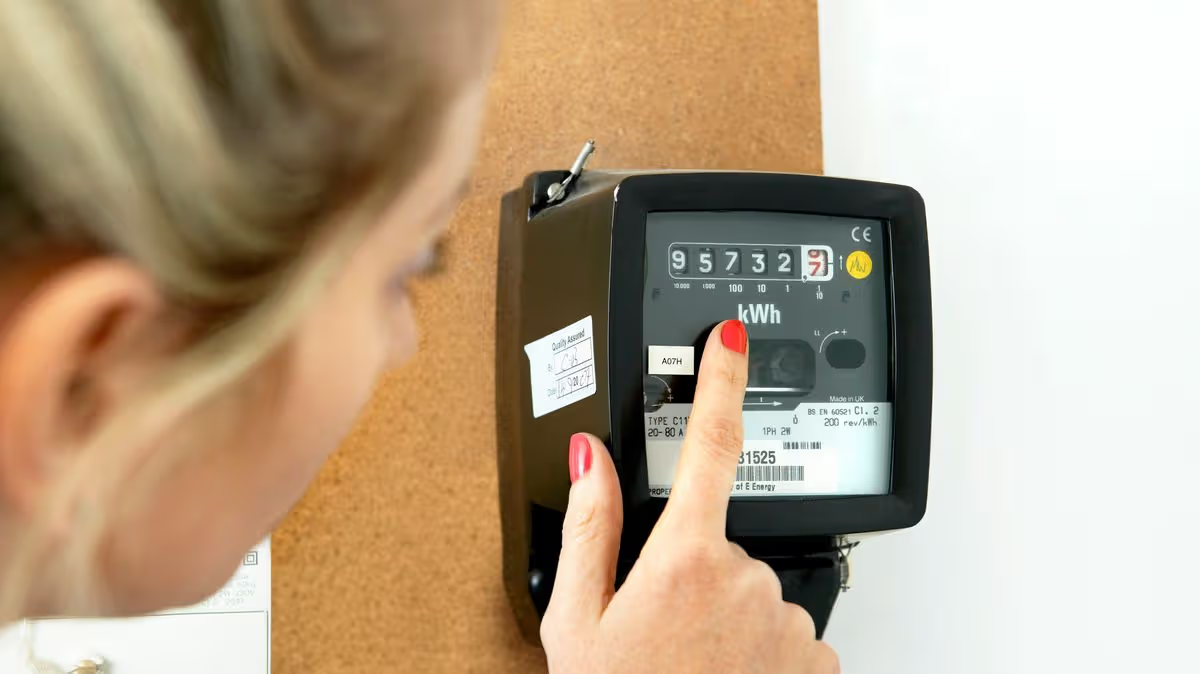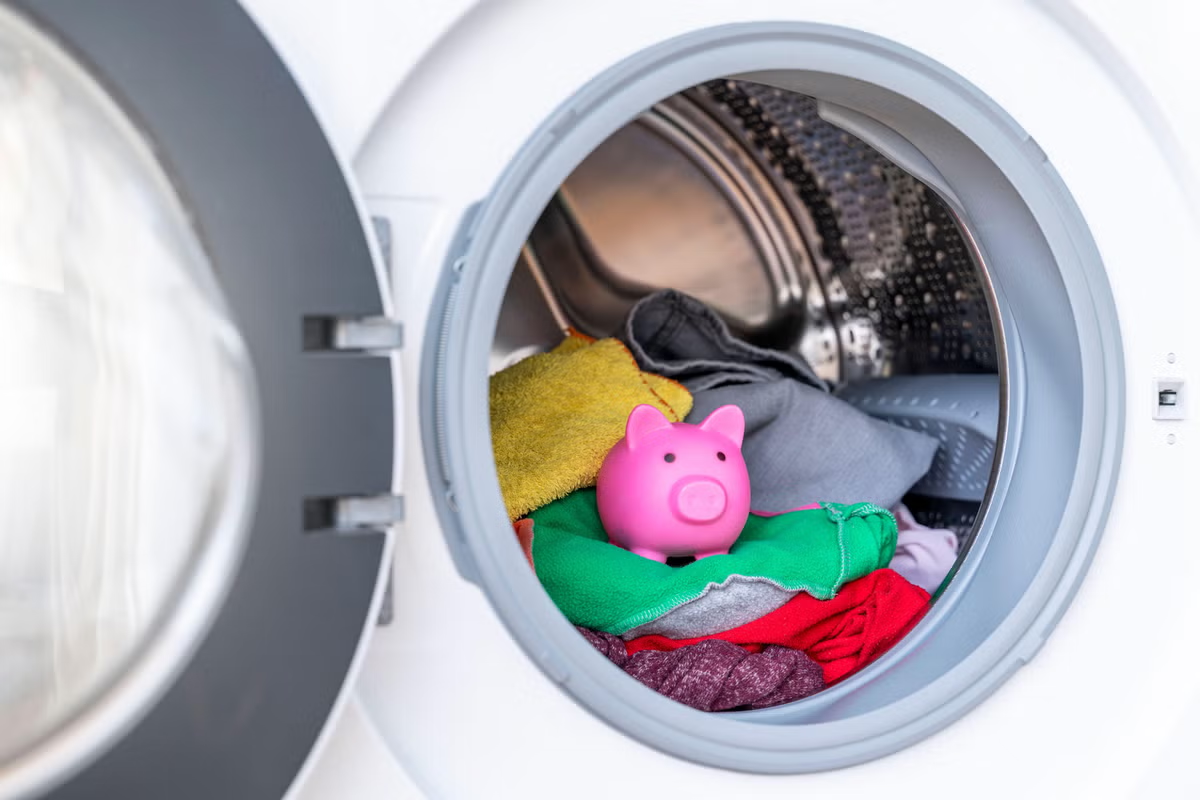
With steep energy bills putting pressure on household budgets and the Ofgem price cap increasing from July, making a few simple changes to your daily routine could help you save up to £150 on annual costs.While it's natural to focus on switching suppliers or simply turning the heating down, some of the biggest savings can come from changing your daily habits. From shorter showers to batch cooking, these habits take little effort but can make a noticeable difference over the course of a year.1. Invest in a shower timerHot water is one of the biggest energy zappers in the home. “While estimating the exact energy saving from cooler showers is difficult – depending on factors like your household’s heating system, energy tariff, shower type and hot water usage – the water savings from shorter showers are much easier to quantify,” says James Roberts, director of Sanctuary Bathrooms. According to the Energy Saving Trust, limiting your shower time to just four minutes will reduce both the amount of water you use and the energy needed to heat it and could save you around £45 a year. You can buy waterproof shower timers online from as little as £3, and while you’re upgrading, consider switching to a water-efficient shower head too. These devices mix air into the water stream, increasing the spray’s volume and maintaining pressure, so you still get a strong, comfortable shower while using less water overall. The Energy Saving Trust says that replacing a standard shower head with a water-efficient model could save you around £25 a year. 2. Dial down your washing machine Thirty is the new forty, or is it twenty? Washing clothes at 30C instead of 40C can cut electricity use and, provided you use a liquid detergent designed for lower temperatures, won’t affect cleaning performance on most everyday laundry. A recent study by Which? found that many modern washing machines can also do a great job at 20C. They reported that an average machine running on four washes a week costs £64 a year to run. Turning the temperature down to 30C could save about £24 annually, while washing at 20C could increase savings to around £40 a year.Apart from saving you money, there are several other benefits to washing at lower temperatures. Not only is it eco-friendly (reducing the amount of microplastics leaching into our rivers), but it can make clothes look good for longer, reducing colour fading and slowing overall fabric wear over time. However, cooler washes can sometimes lead to a buildup of detergent residue and grease inside your washing machine. To prevent this, it’s a good idea to run an empty cycle at 60C or 90C every so often.Apart from saving you money, there are several other benefits to washing at lower temperature (Getty/iStock)You can save even more by waiting until you have enough clothes to run full loads, choosing the eco setting where possible (some models are so intelligent they measure when the job is done and switch off, not when the timer has run out) and scheduling washes during cheaper off-peak periods. Octopus Energy has a range of smart tariffs to choose from and your potential annual saving could be between £10 to £25.The same principle applies for dishwashers. Hisense's appliance expert, Matthew Glynn, also recommends connecting your dishwasher to the hot water, if your home system allows it. “This means the appliance doesn’t need to heat cold water from scratch during each cycle, which can shorten cycle times and lower electricity usage. Water heating is one of the most energy-intensive parts of a dishwasher cycle, so staying with pre-heated water cuts down on internal energy demand.”3. And dial down your fridgeFridge temperatures are another area where households often overdo it. The average fridge freezer costs £79 a year to run, and the recommended setting is between 3C and 5C, which keeps food safely chilled without unnecessary energy use. However, many people set their fridges colder than needed, sometimes closer to 1-2C, thinking it’s safer. In reality, this doesn’t improve food safety, but it does make the appliance use more electricity. Meanwhile, while it may seem counterintuitive, a full fridge uses less energy than an empty one. “Solid and liquid items hold cold temperatures better than the air does, so a full fridge or freezer has a higher ‘thermal mass,’ which keeps the interior colder for longer, even if the door is opened frequently,” explains Glynn, who recommends filling the extra space with bottles of water if you’re not planning a big shop anytime soon.Finally, keeping a fridge freezer free from ice buildup helps it run more efficiently. “Even just 5mm of ice can increase energy consumption by up to 30 per cent,” says Glynn. Batch cooking several meals at once will make better use of an energy-hungry oven (Getty/iStock)4. Try your hand at batch cookingFrom hobs and ovens to fridges and kettles, everyday kitchen appliances all zap energy – and together they account for a significant share of household electricity use. According to the Energy Saving Trust, the kitchen typically makes up around 20 per cent of a home’s energy bill.Batch cooking several meals at once will make better use of an energy-hungry oven, while an air fryer or microwave is often more energy-efficient when you’re cooking smaller portions. When you’re making a cup of tea, only adding the water you need to the kettle will reduce the energy needed to bring it to the boil. Doing this could save you up to £10 a year, says the Energy Saving Trust. The aim is to reduce cooking times, so cook with pan lids, parboil potatoes on the hob before roasting them, and fully defrost frozen leftovers in the fridge before cooking them. Remember to take out unused baking trays before you use the oven as they absorb heat, making it work harder. For the same reason, resist the urge to open the door too often. “Every time it’s open, the temperature could drop by around 20 to 25 degrees, which forces the oven to use extra energy to reheat back to the set temperature,” says Glynn. Finally, keep your oven clean, as built-up grease and food residue can reduce its efficiency over time.5. Swap your tumble dryer for the clothes lineThe tumble dryer is one of the most expensive household appliances to run, costing around £138 a year on average. A washer-dryer is typically even more costly, at around £212 a year. Of course, actual costs vary depending on the age and efficiency of the machine, as well as your energy tariff. In general, condenser and vented models tend to be the most expensive to run, while more efficient heat pump dryers use significantly less energy and cost around £54 a year. Drying clothes on a washing line could save you up to £50 a year, according to the Energy Saving Trust. As an added benefit, sunlight’s natural UV rays can help disinfect fabrics, brighten whites, and reduce lingering odours.Indoors, there are simple alternatives such as airers and discreet wall-mounted retractable drying lines. If you want clothes to dry indoors more quickly, try towel drying them first – wrapping laundry in a clean, dry towel helps remove excess water before they go on the airer. Hanging your clothes on hangers can also improve airflow around the fabric, helping them dry faster.The third option, an electric heated airer, may be cheaper to run per hour than a tumble dryer, but it typically takes longer to dry clothes and usually handles smaller loads. It’s worth keeping this in mind when deciding whether it's the right option for you.Thanks to long UK winters and unpredictable weather, there are times when only a tumble dryer will do. When you do need to use it, make sure to clean the lint filter after every cycle. A clogged filter restricts airflow, forcing the appliance to work harder and use more electricity.
5 energy-saving tips to save £150 per year, according to an expert
With the July price cap rise adding pressure to household budgets, small everyday changes could help cut your annual energy bills
1,317 words~6 min read