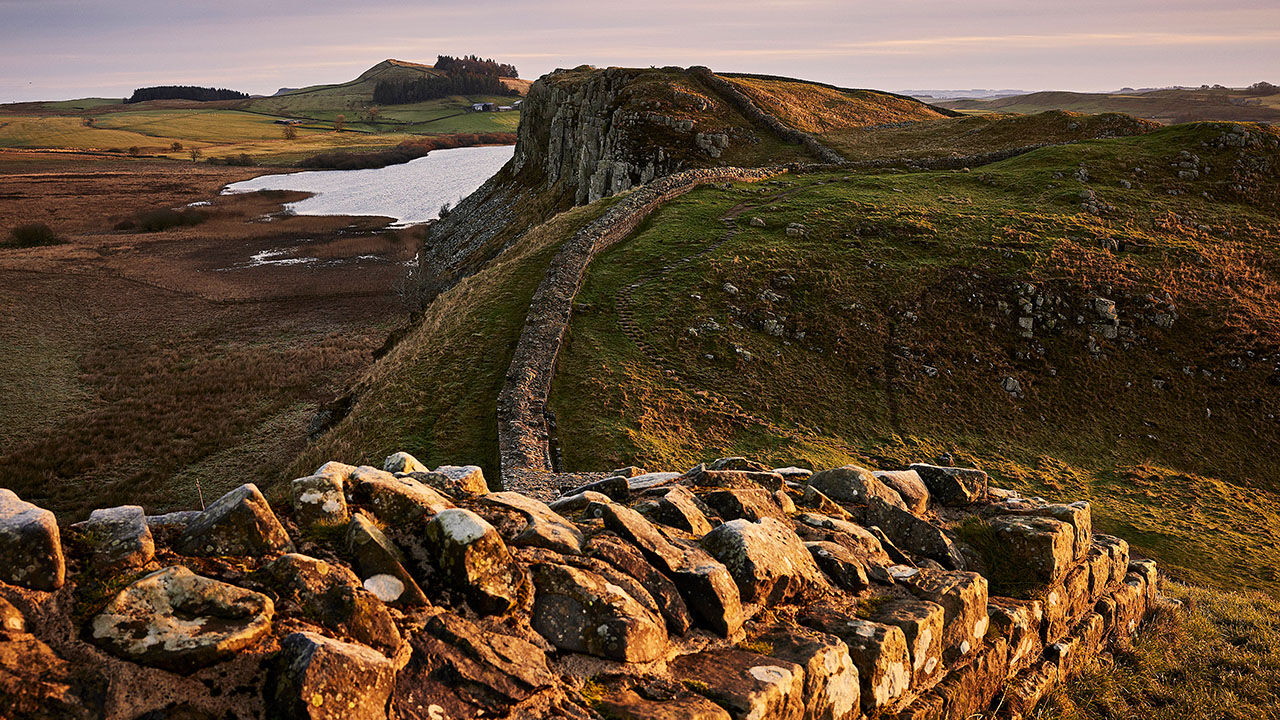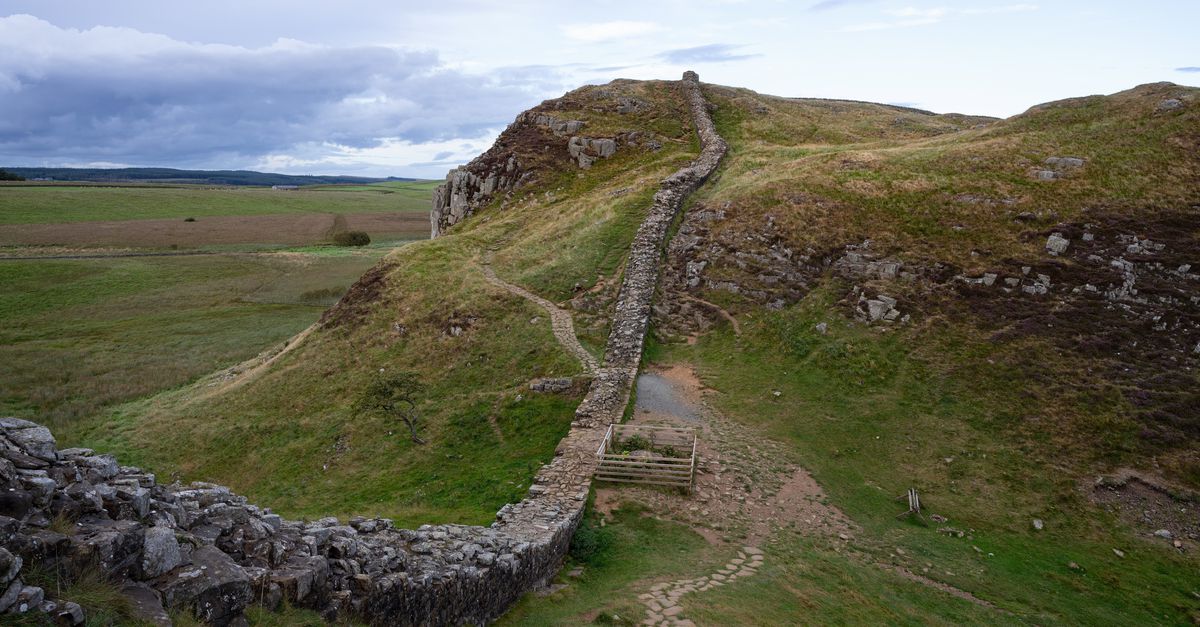
To Caledonian tribesmen, it must have looked awesome. At Winshields Crags, the highest point of Hadrian’s Wall, the fortification runs toweringly atop a steep escarpment. For the legionaries who built it in the second century AD, hauling up the rocks would have been backbreaking. Today walkers carrying only water bottles can find themselves out of puff. „These Romans”, one pants, „must have been mad.”
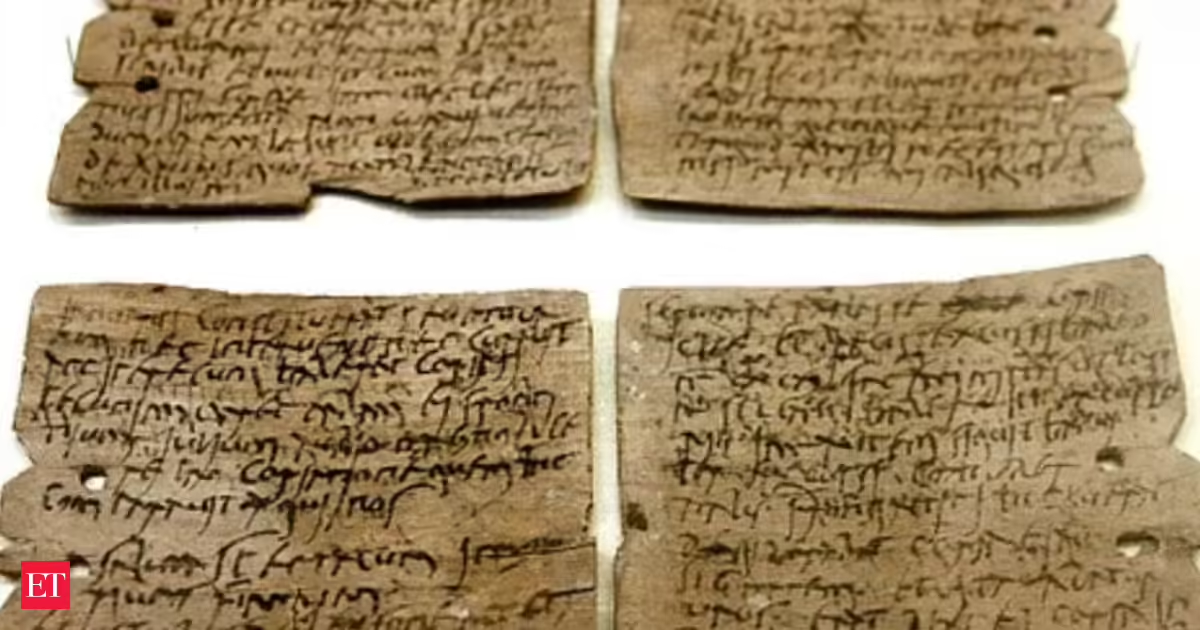
For almost 300 years Hadrian’s Wall was guarded by Syrian archers, Thracian cavalrymen and other forces dispatched by Rome to this northerly imperial redoubt. Tread this picturesque stretch of northern England now, and you instead encounter history-hungry Americans, well-equipped Scandinavians and parents trying to stop their offspring eating the snacks too soon. The wall is an impressive monument—but, visitors may wonder, as they might at many ancient ruins, a monument to what?
De redactie van NRC selecteert de beste artikelen uit The Economist voor een breder perspectief op internationale politiek en economie.
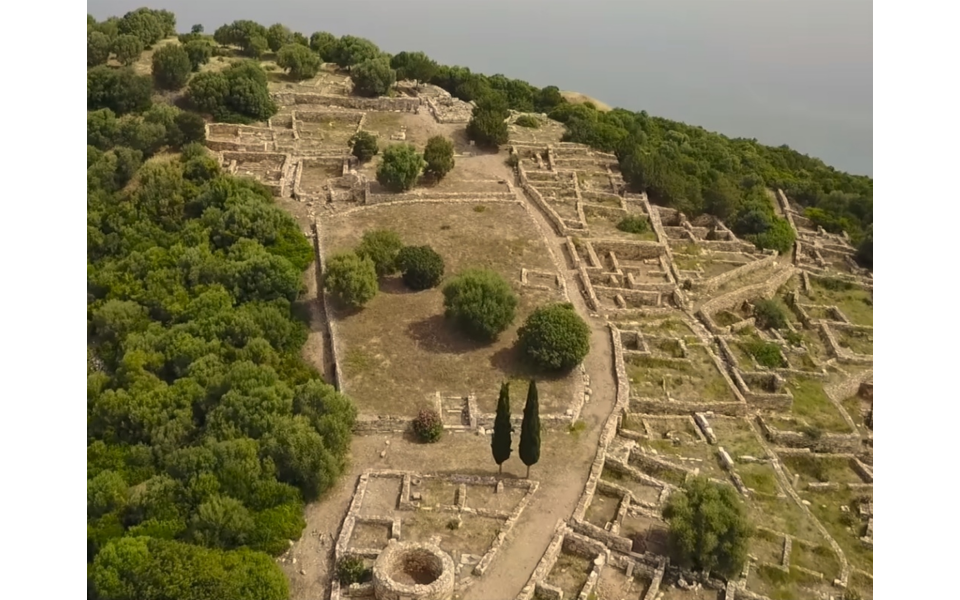
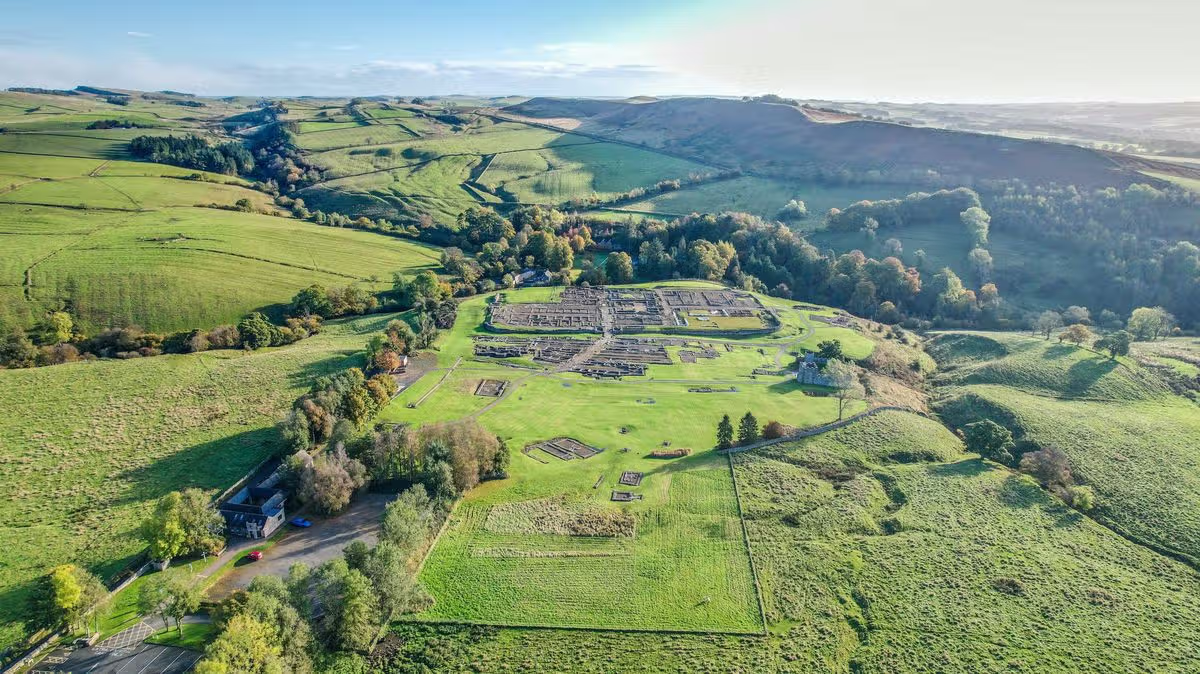
To power, runs one answer. Let there be a wall, the emperor Hadrian decreed in 122ad, and in fairly short order—at least compared with recent border-wall projects—there was. His ran 117km across the Roman province of Britannia at its narrowest point. Today, in the ruins of its watchtowers, castles and forts, you try to imagine yourself as a Roman soldier facing barbarians, harsh military discipline, the biting westerly wind and frigid winters. The lucky ones were sent warm socks and underwear from home.