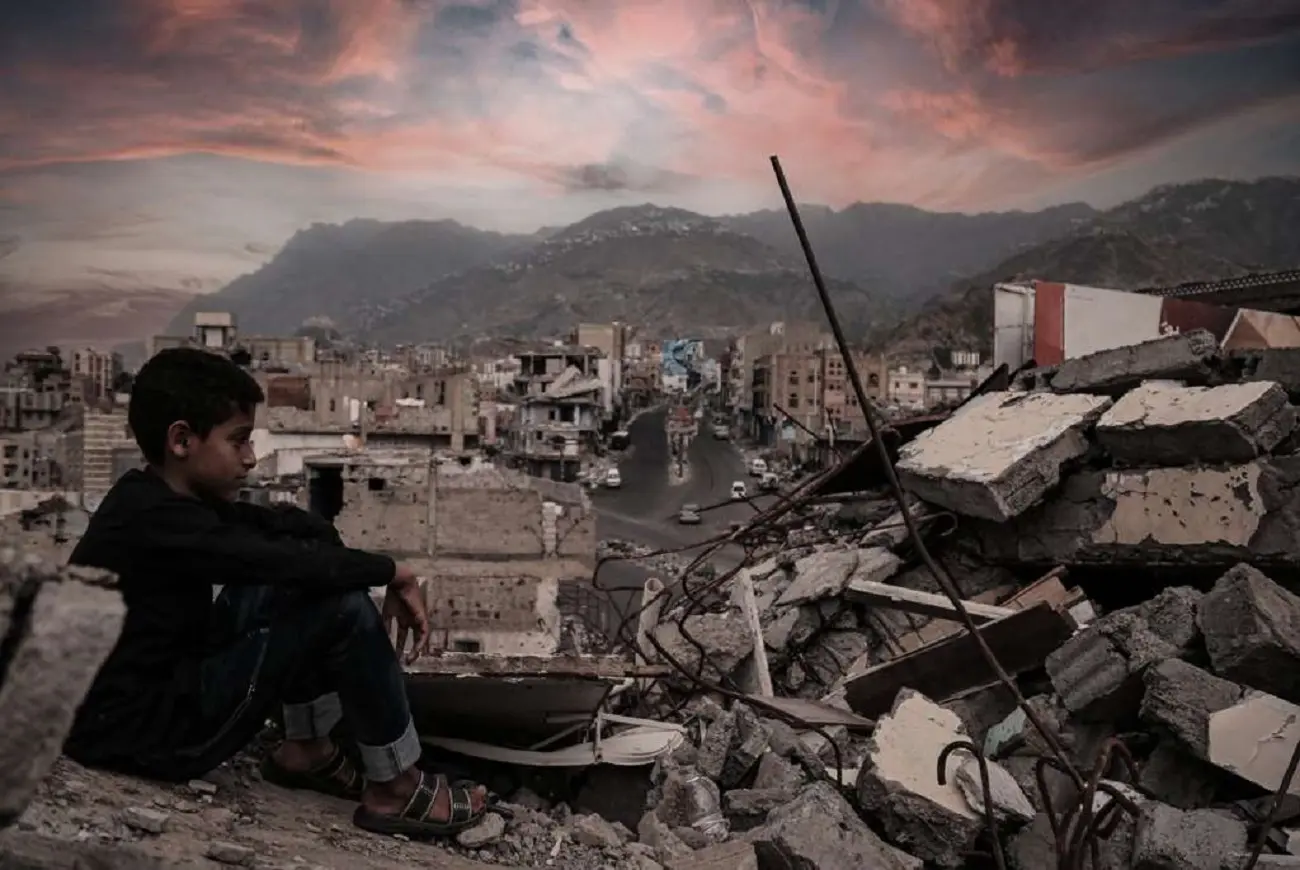
Building an economy often takes decades of patient labour. Yet the collapse of political institutions, or the eruption of conflict in the aftermath of revolutions and coups, can cancel out years of growth with startling speed, condemning nations to a long and punishing struggle to recover what they have lost. Yemen offers a stark illustration of this reality.
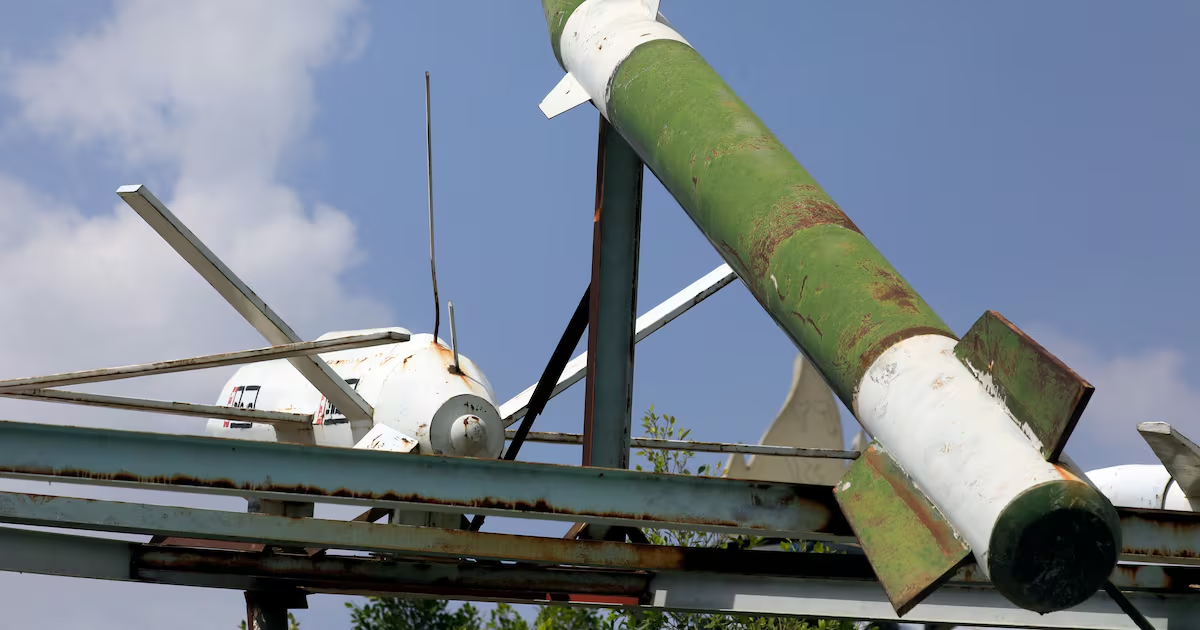
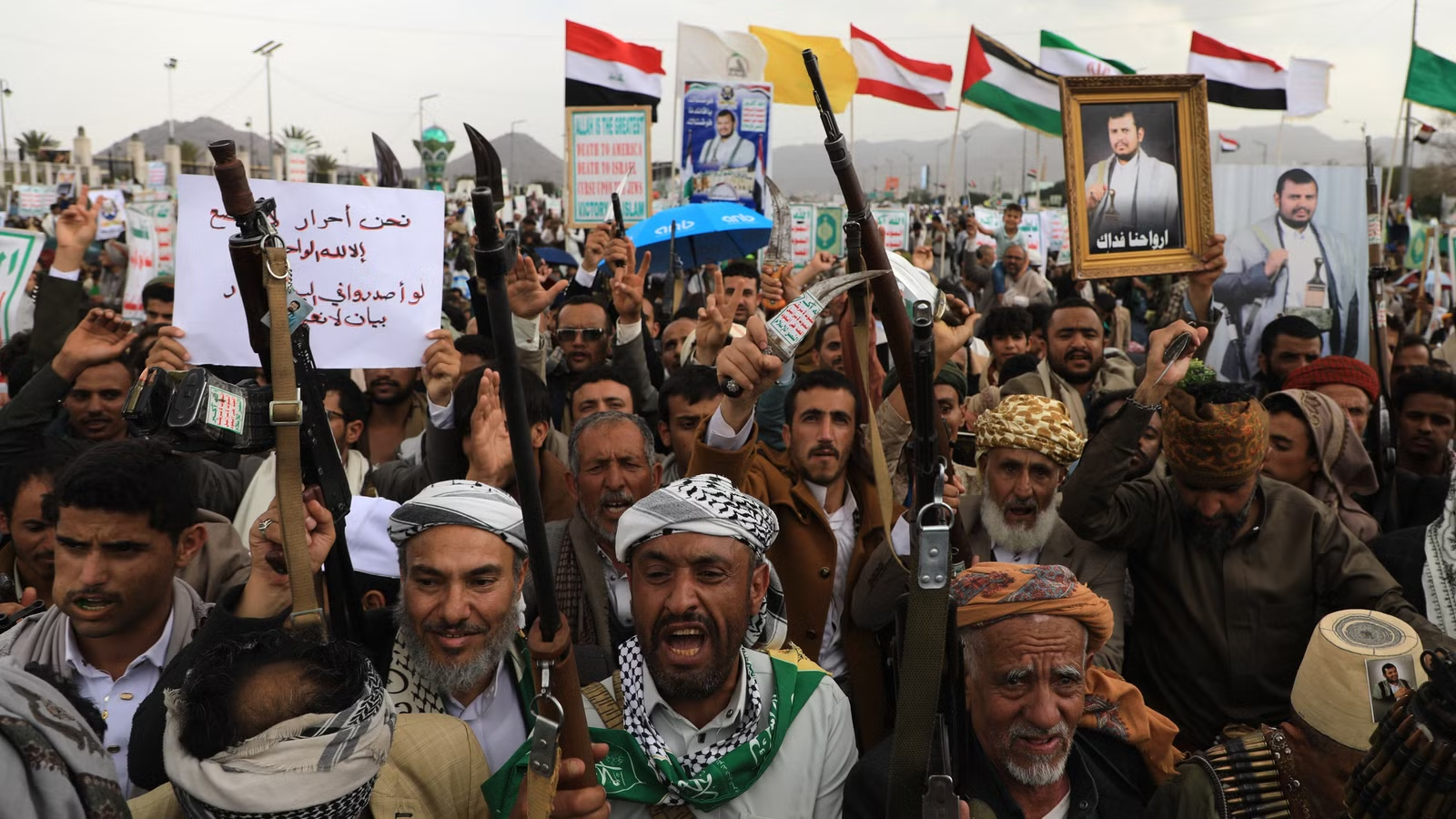
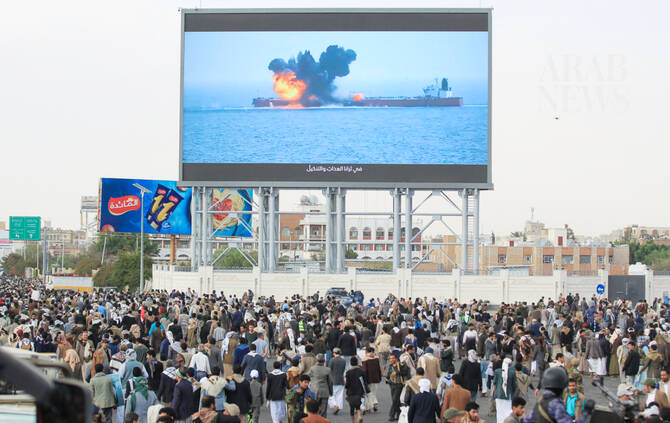
A Houthi takeover of Sana'a in September 2014 led to the outbreak of war in 2015, when a regional coalition intervened to support the internationally recognised government of Yemen. Years of gruelling fighting and crippling siege transformed the foundations of Yemen’s economy and left it among those most grievously damaged by armed conflict anywhere in the world.
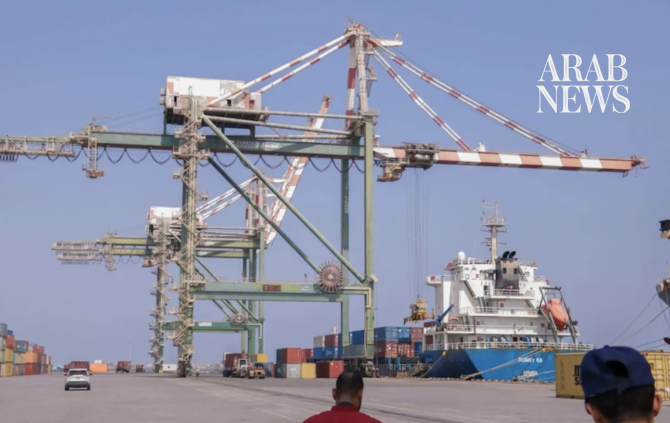
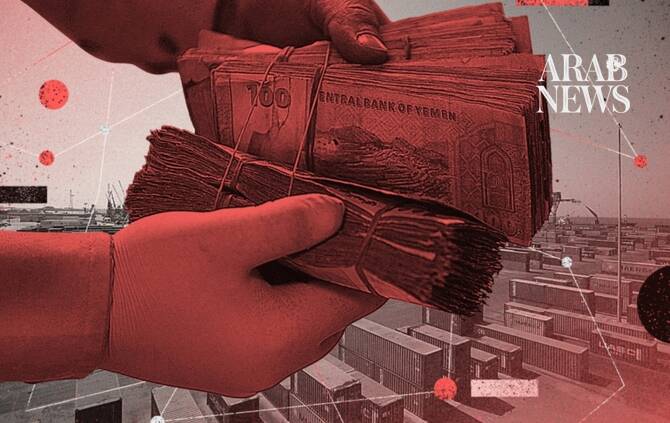
World Bank reports indicate that real gross domestic product per capita fell by approximately 54% between 2015 and 2023, returning income levels to those of the early 2000s. By 2024, the decline had deepened to 58%, as the economy fractured into two zones governed by rival financial and administrative institutions, while most Yemenis descended into poverty.
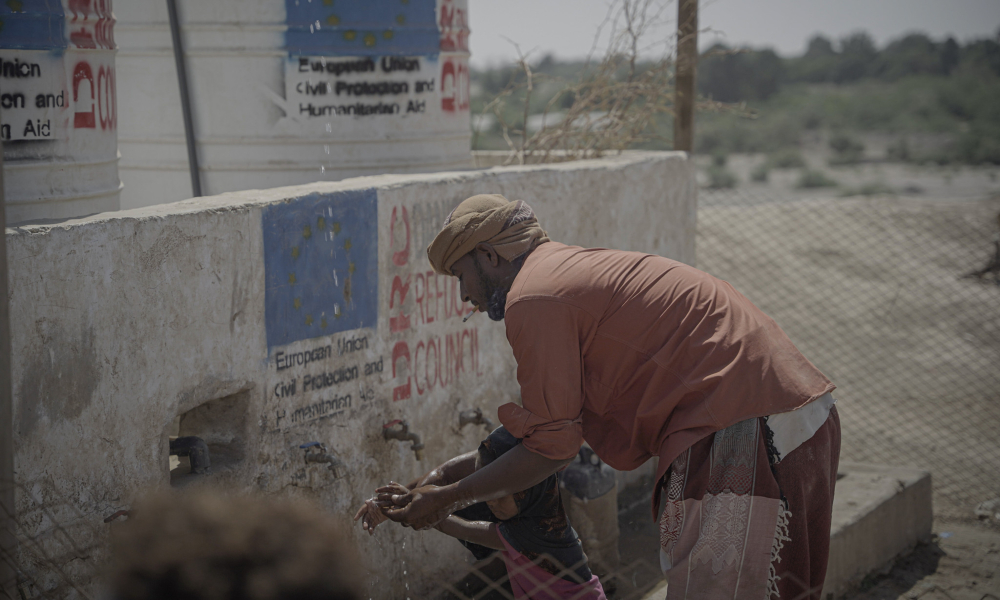
Yemen is now suffering one of the world’s gravest humanitarian and developmental crises. The war has claimed more than 21,000 lives, while nearly 80% of the population requires humanitarian assistance. According to the United Nations Development Programme, the conflict has voided more than two decades of development gains and returned the country to levels of human development that it would otherwise have surpassed long ago. Of course, the Houthi takeover is not the sole reason why Yemen's economy crumbled. Institutional fragmentation, regional intervention, declining oil exports, sanctions and siege all contributed to the downward spiral.