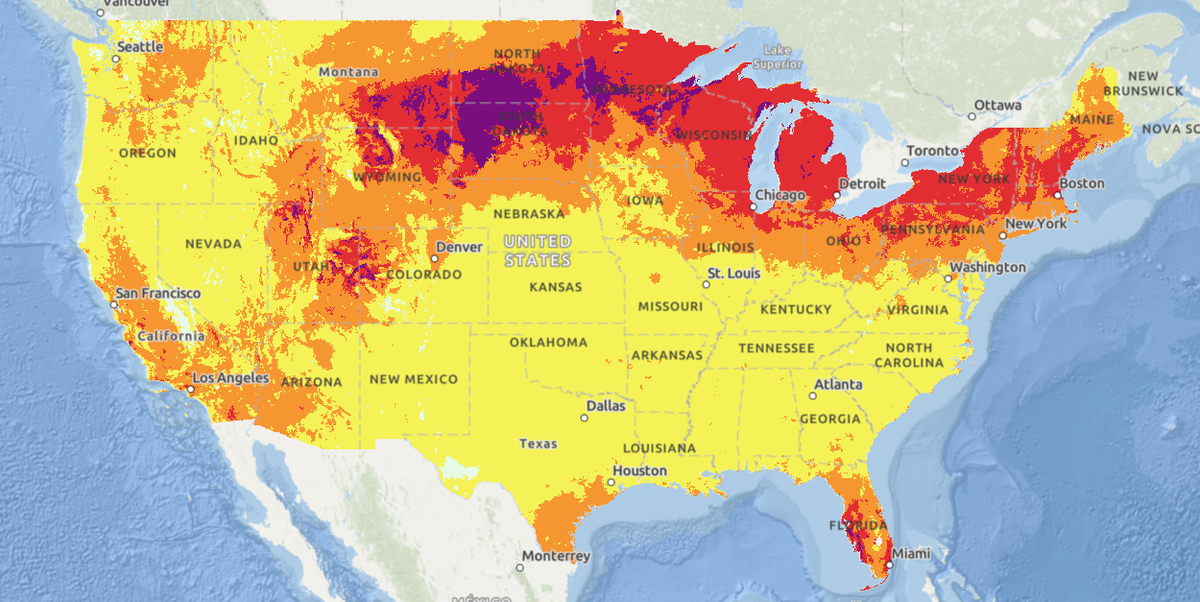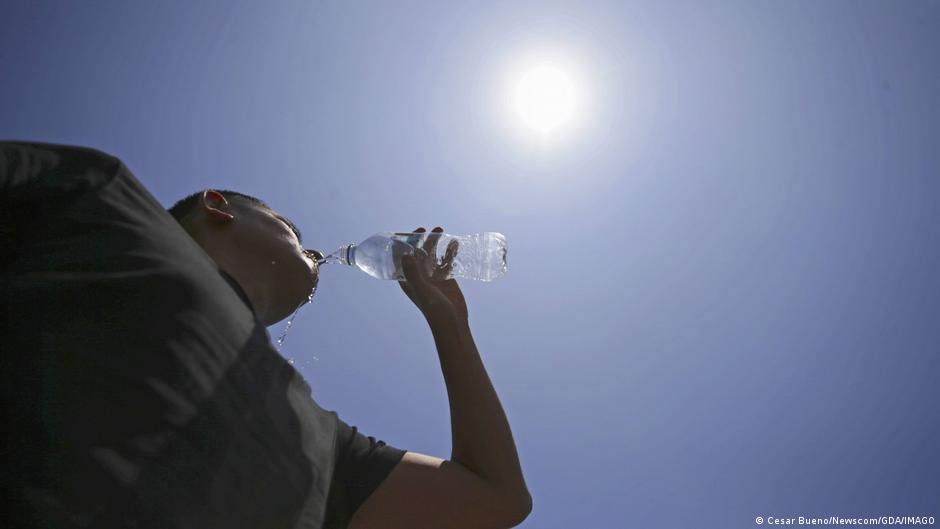
Another summer, another wave of headlines about record-breaking heat. From Northeast Asia to Europe to the United States, extreme temperatures are contributing to thousands of deaths, fueling wildfires and straining water, food, and energy supplies.
But what do the words behind the headlines mean? How do scientists know if temperatures are record-breaking? Why do cities warm up more than rural areas? And does humidity really make everything feel hotter?
DW spoke to climatologists to answer some common questions about how heat is measured, and why understanding heat terminology matters for everyone.
What does 'record-breaking heat' mean anyway?
It depends on what's being compared. Thousands of weather stations around the world track temperatures. A location can set a record if its temperature exceeds the previous high recorded at the station for a specific day, month, or season.