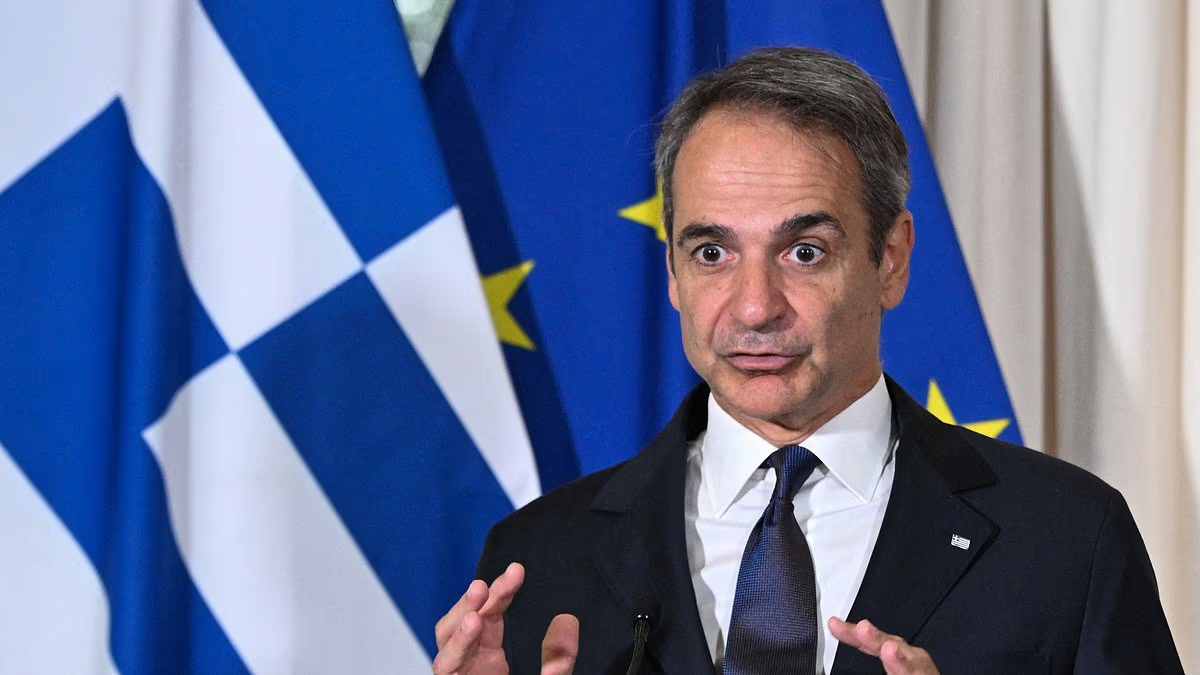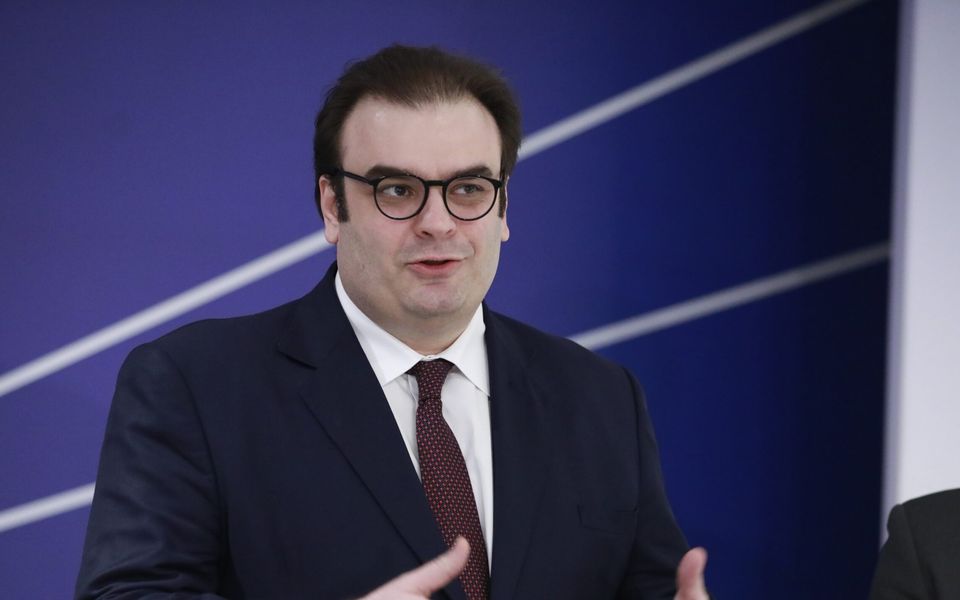
Finance Minister Kyriakos Pierrakakis submitted Thursday a request to the European Commission for an extension of the National Escape Clause allowing member-states to deviate from expenditure paths agreed to with the Commission in order to manage exceptional economic shocks.
Greece, and other EU members, have already taken advantage of the Escape Clause to boost defense spending; Greece now requests that the clause be extended to cover energy resilience.
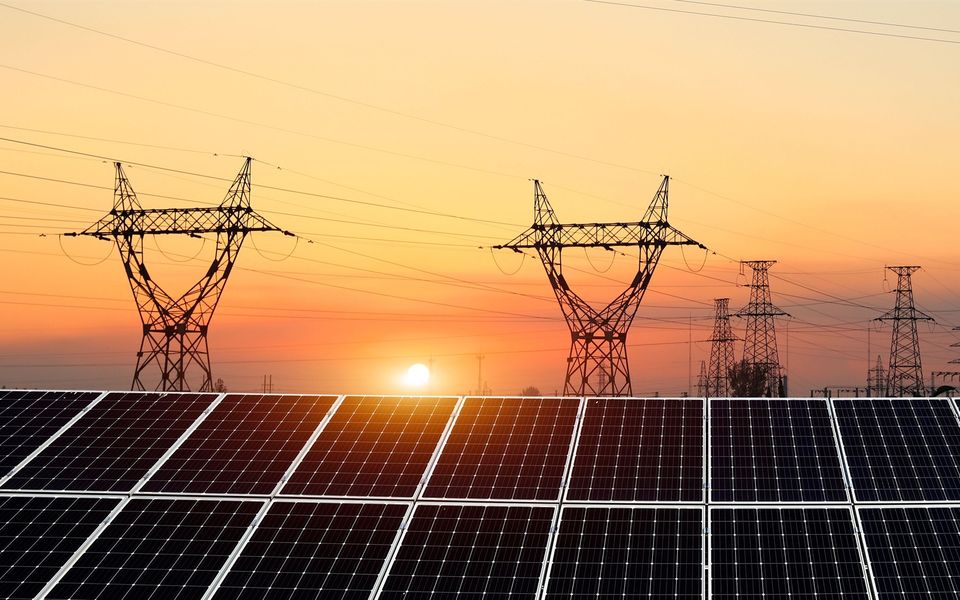
According to a statement issued by the Finance Ministry, the planned investments in energy resilience will include renewable energy storage projects, energy efficiency measures, building energy upgrades, and infrastructure projects that contribute to strengthening the country’s energy resilience. The specific projects will be determined in the coming period, but they have one aim: reducing Greece’s dependence on imported fossil fuels.
The new investments are expected to exceed €1 billion by 2028 and may rise as high as €1.5 billion. They will be financed through national resources and will be exempt from the ceiling on the growth of net primary expenditure under the EU’s economic governance framework, up to 0.3% of GDP per year and up to a cumulative 0.6% of GDP by 2028. The statement notes, however, that the related expenditure will continue to be counted toward the primary fiscal balance and public debt. The Commission must still approve the request, although Pierrakakis’ position as president of the Eurogroup, the body of Finance Ministers of the Eurozone, as well as the country’s fiscal performance, reflected in high primary budget surpluses, are strong advantages.