00:00/00:00
您的浏览器不支持 audio 标签。
Listen to this article
1x
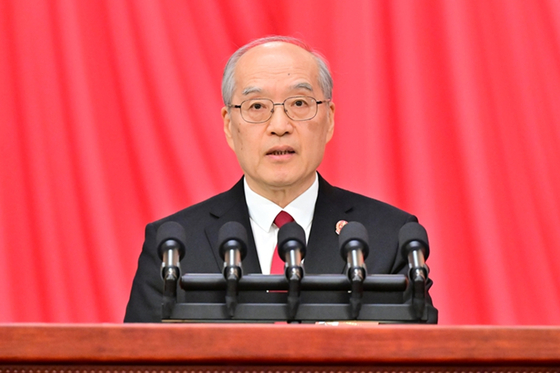
Supreme People’s Court President Zhang Jun delivers a work report at the fourth session of the 14th National People’s Congress on March 9. Photo: Xinhua
The Supreme People’s Court emphasizes a cautious approach to AI-assisted trials, reaffirming that algorithms cannot replace human judges as the ultimate arbiters of justice
China's Supreme Court restricts AI in trials to clerical work (transcription, file review), preserving judge accountability. The mandate clarifies governance: AI automates workflow but cannot bear legal responsibility, shaping enterprise AI compliance for regulated sectors.
00:00/00:00
您的浏览器不支持 audio 标签。
Listen to this article
1x
Supreme People’s Court President Zhang Jun delivers a work report at the fourth session of the 14th National People’s Congress on March 9. Photo: Xinhua
China's Supreme People's Court said it will research new judicial guidelines tied to virtual currency and AI-generated content…

Supreme Court proposes regulations on AI in courts, banning AI for decision-making, requiring disclosure of AI assistance by…
China's Supreme People's Court releases a five-year plan to refine AI content ownership and data IP rules, while leaving crypto…
Growing number of tech-related cases has increased calls for a comprehensive legal framework to govern the technology.
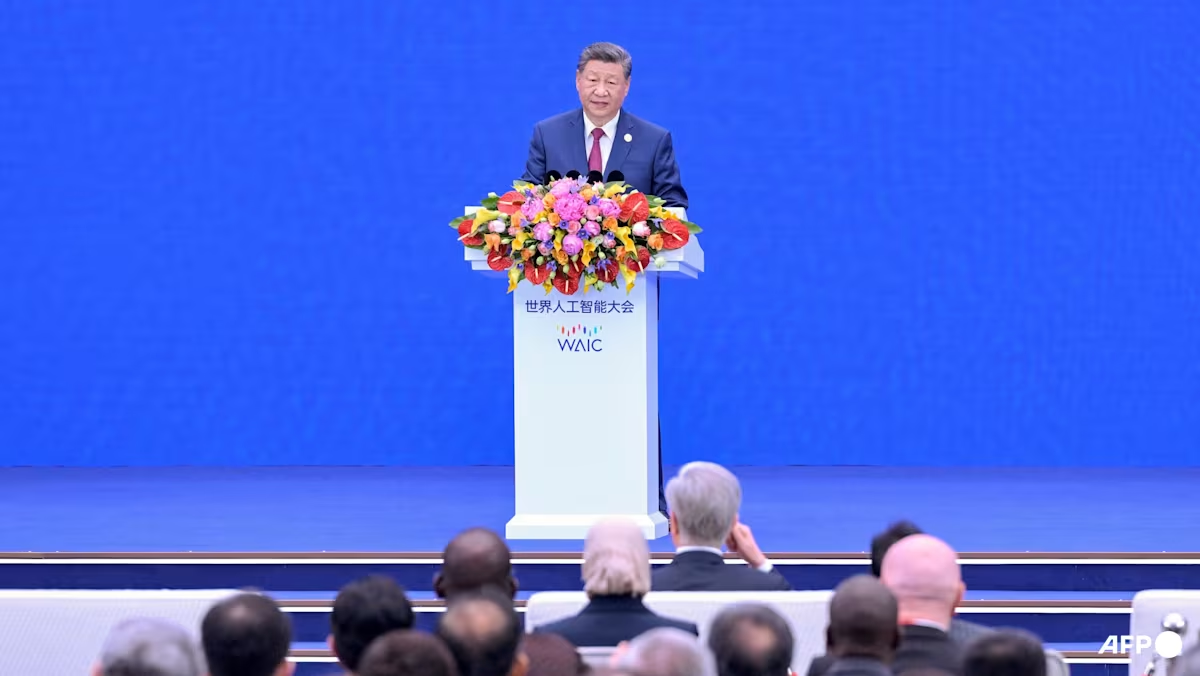
The warning by China’s president draws on a long-standing domestic narrative about the costs of falling behind in previous…
Chinese courts and regulators are building a legal framework that treats AI-driven layoffs as illegitimate, contrasting sharply…