A longstanding headache for EU farmers is spreading to new regions
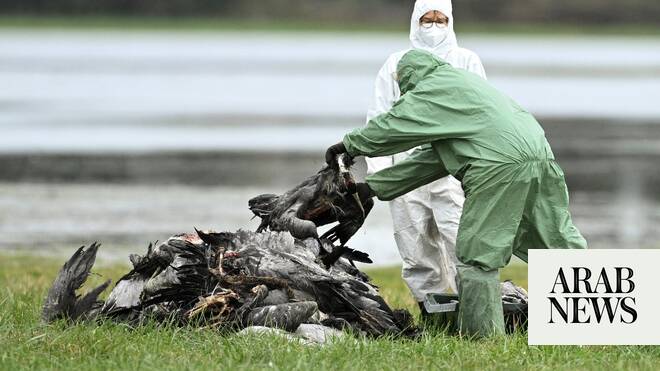
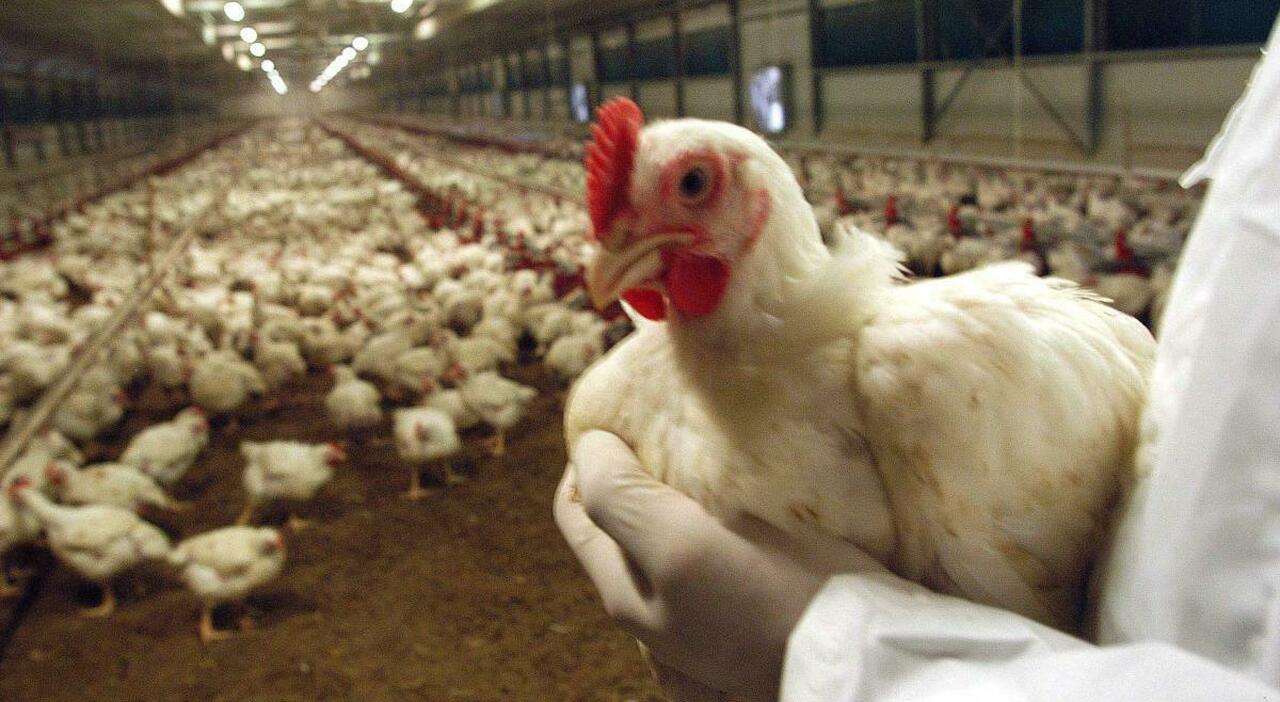
Avian influenza has long plagued Europe’s poultry industry, leading to the culling of millions of chickens. It is now spreading to new regions and has proved it can infect mammals ranging from polar bears to cows.
The dominant strain of bird flu – the H5N1 clade – was first detected in 1996 in farmed geese in China, and has since travelled far beyond its origins.
Professor Thijs Kuiken, an avian influenza expert at Erasmus University Rotterdam, told Euractiv that its capacity to infect wild birds allowed it to spread to Europe and Africa. In 2021, it made a big jump across the Atlantic to North and South America.
“Wild birds can migrate hundreds to thousands of kilometres within the infection period of the virus,” he said. “There are ducks that breed in Siberia and travel to Western Europe in one flight.”