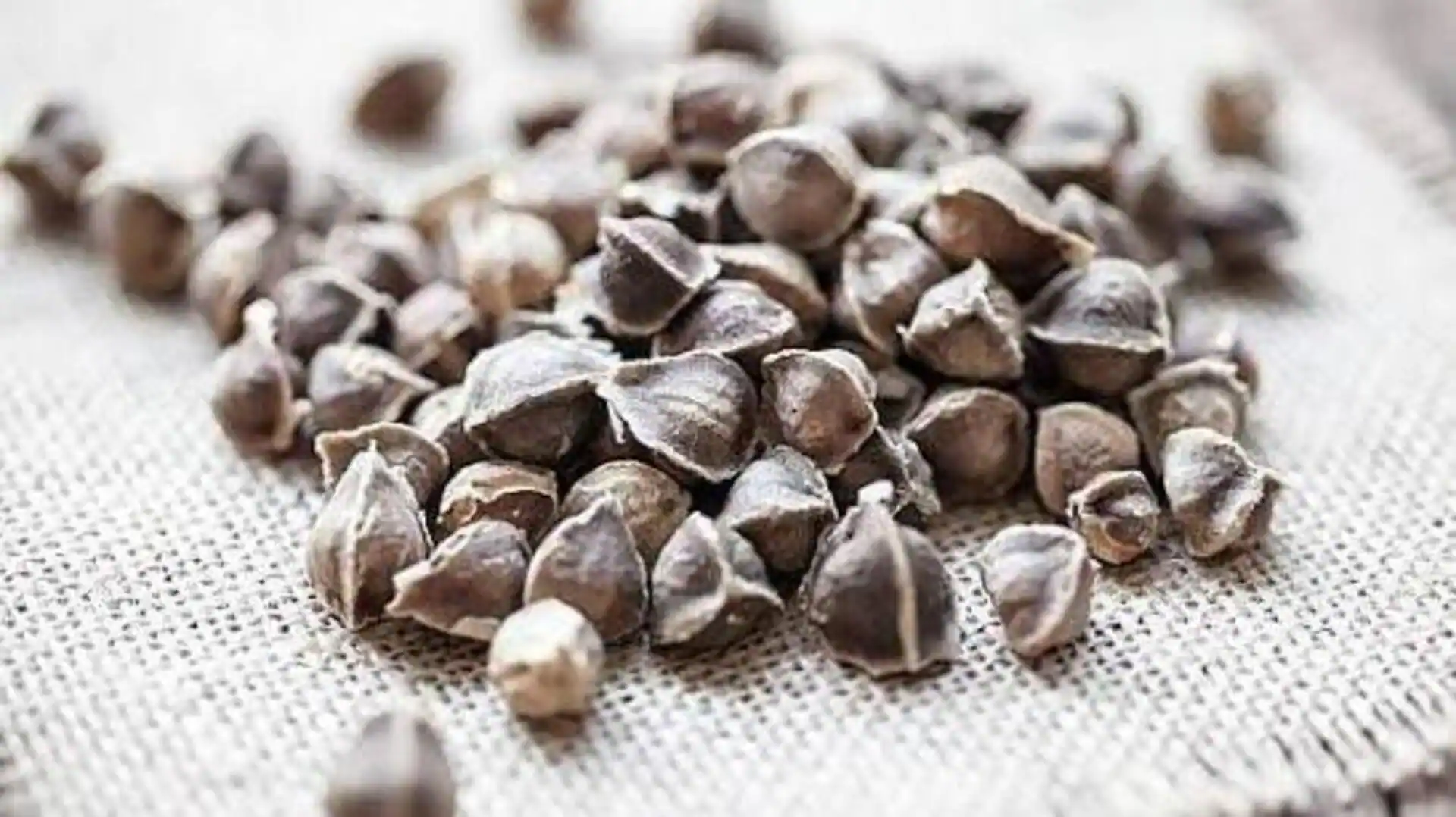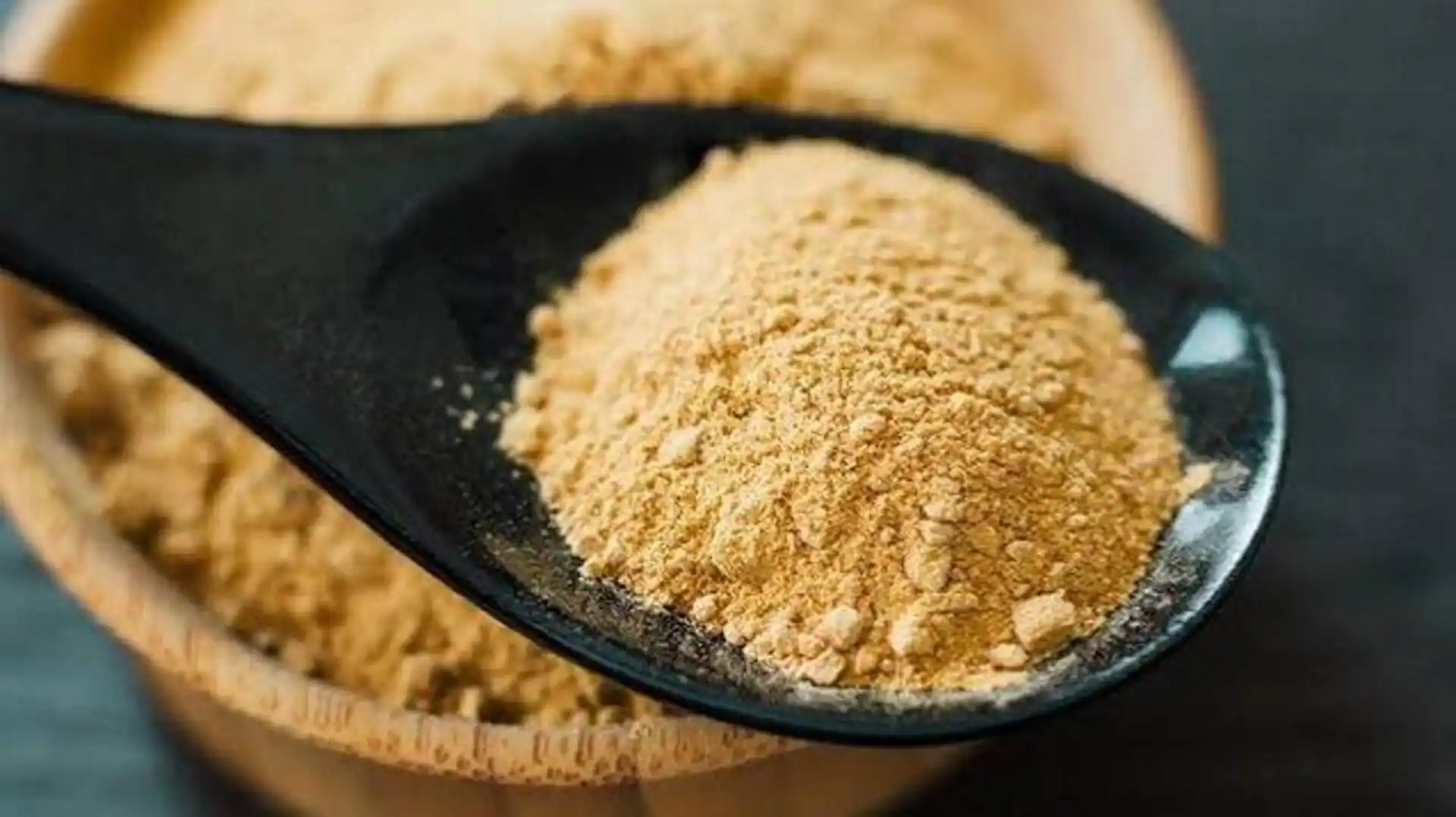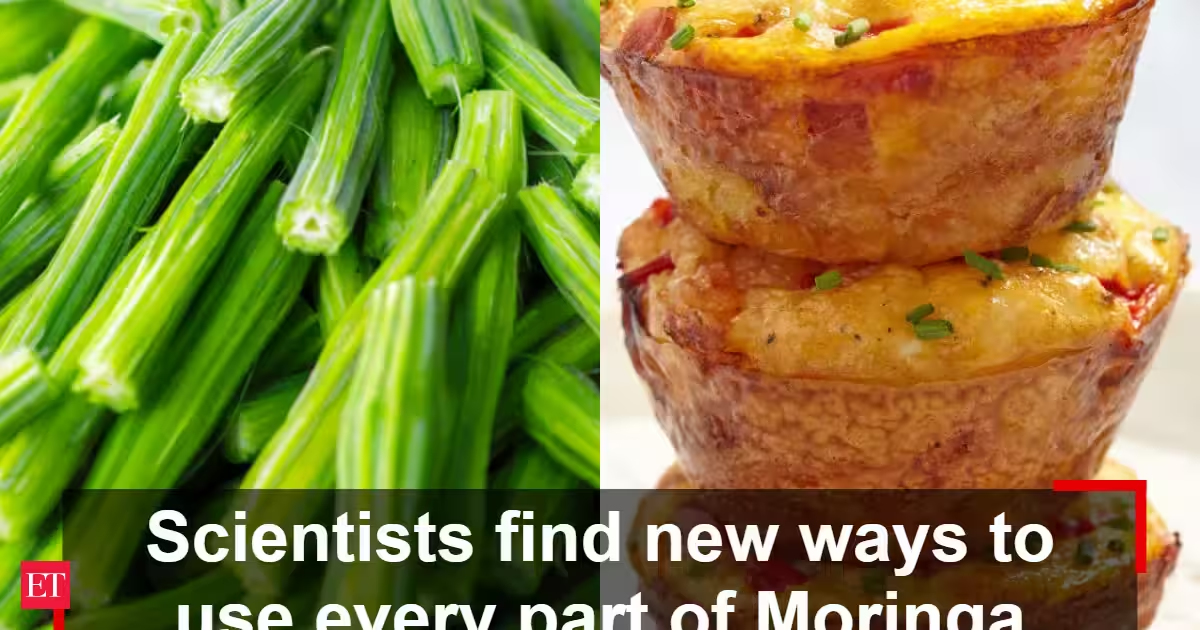
Moringa, often called the "miracle tree", is getting a fresh makeover in the kitchen. Scientists at the Department of Food Science and Technology at Punjab Agricultural University (PAU) have developed food-processing technologies that make use of almost every part of the moringa tree, including its leaves, flowers, seeds, kernels and pods.According to a TOI report, the initiative aims to reduce food waste while making moringa's nutritional benefits easier to incorporate into everyday diets.Read more: Sanjeev Kapoor shares easy carrot beetroot cutlet recipe for kids’ tiffinMoringa nutrition: Why is it called a miracle tree?Moringa, known as Sohanjna in Punjab, is a fast-growing and drought-tolerant plant. Its leaves, seeds, flowers and pods contain several nutrients, including protein, vitamins, minerals and antioxidants.Despite its nutritional value, household consumption has traditionally focused mainly on moringa leaves. The nutrient-rich seeds and kernels, as well as the residue left after extracting moringa oil, have often remained underused.PAU researchers are now working on ways to turn these overlooked parts into ingredients for familiar foods.Read more: 7 high fiber pasta recipes for a healthier gutPAU scientists develop moringa flour from kernelsOne of the challenges with using moringa kernels directly is their natural bitterness, which can make them difficult to incorporate into regular foods.To tackle this, PAU researchers have standardised a de-bittering process for moringa kernels. Once processed, the kernels can be ground into flour and used in a variety of food products.The researchers have used moringa flour to develop products including cheela mix, muffins and cookies, potentially giving consumers an easier way to include the nutrient-rich ingredient in their diets.Moringa seed cake gets a second lifeThe research does not stop at the edible kernels. PAU scientists have also found a way to use moringa seed cake, the nutrient-rich residue left behind after oil extraction.Instead of treating the residue as waste, researchers have incorporated it into everyday foods such as chapatis, muffins and cookies.The approach could help reduce wastage while making use of a part of the moringa seed that is otherwise often overlooked.Moringa recipes go beyond traditional leaf powderMoringa leaves are already commonly consumed in powdered form, but PAU researchers have explored ways to introduce them into more familiar foods.The department has developed moringa-enriched pizza bases, pancakes and matri, among other products.Researchers have also developed a moringa oil-based mayonnaise. According to the report, moringa oil has a nutritional profile comparable to olive oil, making it another potential ingredient for value-added food products.PAU researchers focus on taste as well as nutritionMaking a food more nutritious is only half the challenge. Researchers say consumers also need to enjoy eating it.Food technologist Dr Jagbir Rehal told TOI that the kernels, seeds and beans are nutritionally rich, with kernels being a good source of protein. The research team's focus has been on developing technologies that allow these parts to be used rather than wasted.Rehal also stressed the importance of taste, pointing out that consumers are unlikely to choose a food simply because it is nutritious if they do not enjoy its flavour.How PAU develops moringa muffins and other foodsDeveloping a moringa-based food product involves considerably more than simply adding moringa powder to a recipe.For products such as muffins, researchers assess the proportion of moringa flour, rise, sponginess, shelf life, nutritional retention and sensory acceptability before finalising a formulation.The researchers found that using appropriate quantities of Sohanjna powder can enhance the nutritional profile of everyday foods while maintaining acceptable taste and texture.Moringa research aims to reduce food wasteThe PAU initiative is all about making the most of the moringa plant instead of letting its useful parts go to waste.From turning moringa kernels into flour and adding seed cake to baked foods to creating new recipes with leaves and moringa oil, researchers are finding simple ways to bring more of this versatile plant into everyday foods.Inputs from TOI
Superfood Moringa: No more bitter taste? Scientists find new ways to use every part of 'miracle tree' in cheela, muffins, cookies & more
Scientists are developing new food technologies using the moringa tree, with innovations that utilise nearly every part of the plant and help reduce food waste. Moringa kernels are processed into flour for use in various food products, while nutrient-rich seed cake, a residue left after oil extraction, is being incorporated into baked goods. These efforts aim to make moringa's nutritional benefits more accessible through everyday foods.
633 words~3 min read