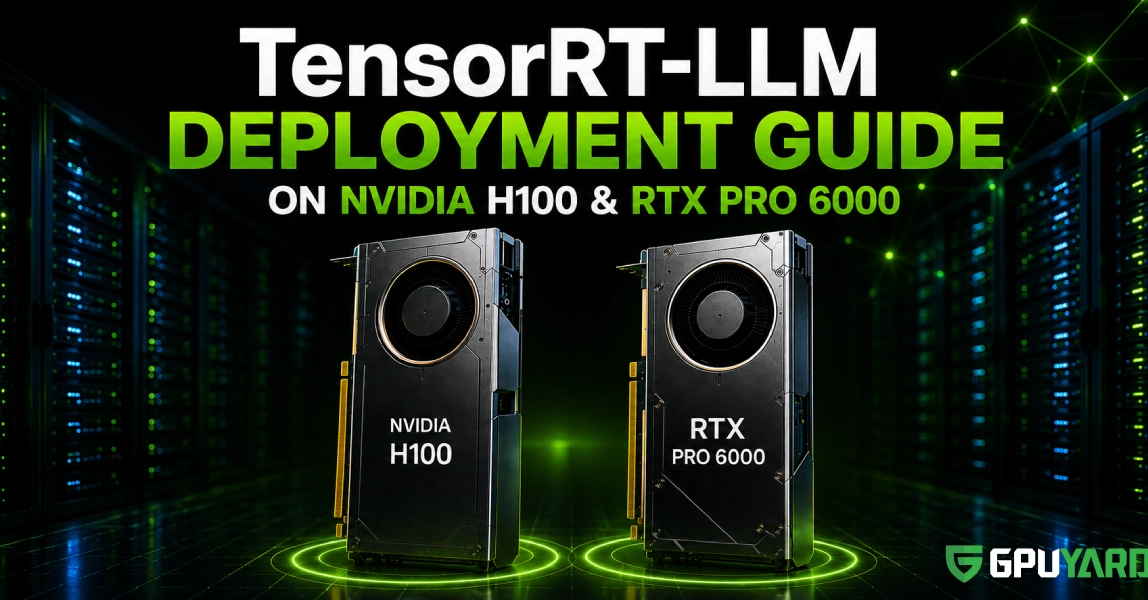
The demand for fast, affordable Large Language Model (LLM) inference is at an all-time high. Every additional millisecond of latency and every extra dollar per million tokens directly impacts product economics. To maximize throughput and lower costs, enterprise infrastructure teams are standardizing on the two most proven, scalable, and immediately available GPU architectures on the market: the NVIDIA H100 (Hopper) and the RTX Pro 6000 (Ada Lovelace).
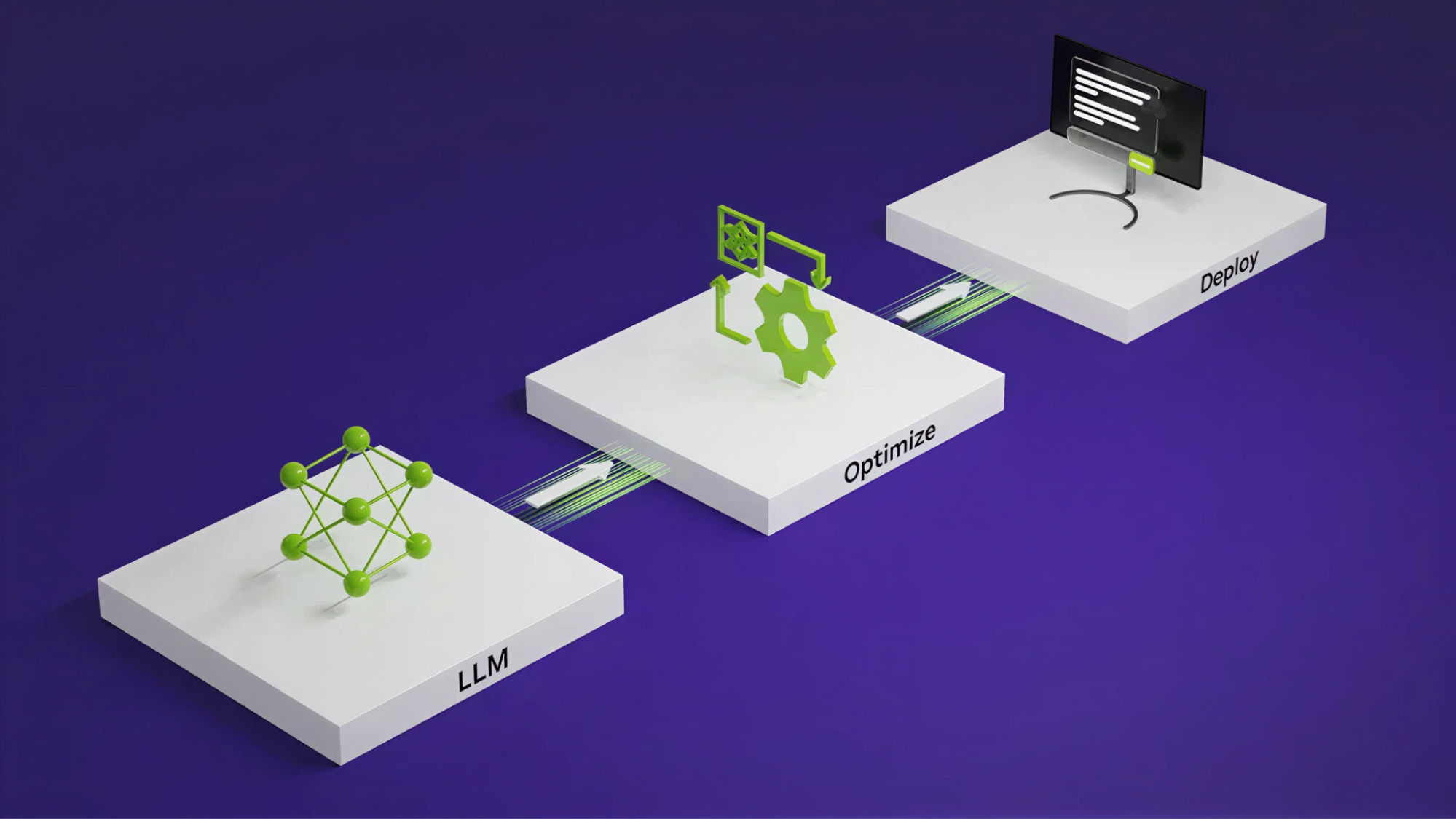
However, having the right raw silicon is only half the battle. To extract maximum ROI from these GPUs, you need a highly optimized software stack. That engine is TensorRT-LLM, NVIDIA's open-source library for compiling and serving large language models at production scale.
This tutorial walks through the exact steps required to deploy a large model — using Llama 3 as the working example — on H100 and RTX Pro 6000 hardware with TensorRT-LLM, from pulling the correct container to serving live inference requests via an API.
Why H100 & RTX 6000 + TensorRT-LLM Is a Game Changer
1. FP8 Precision (Native Hardware Acceleration)