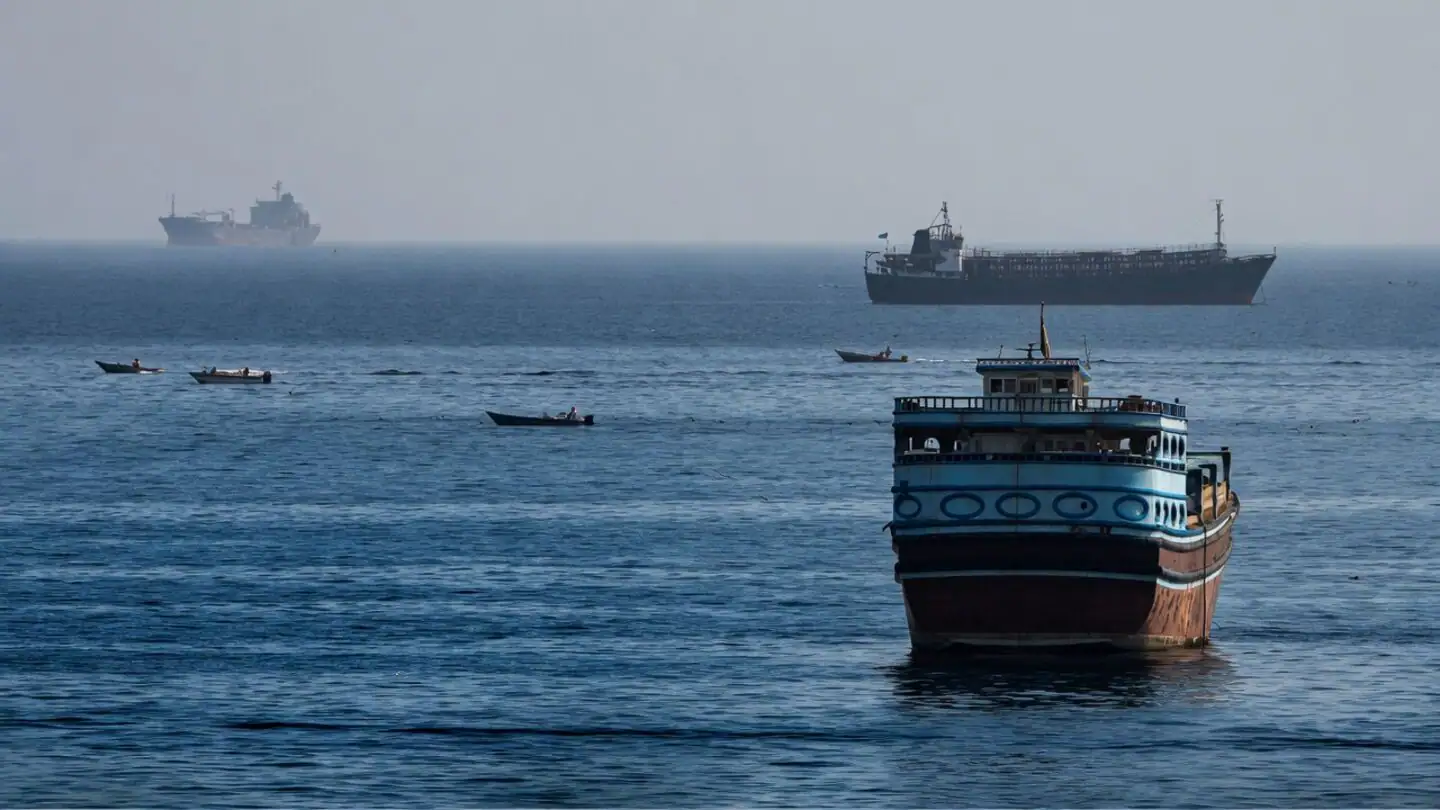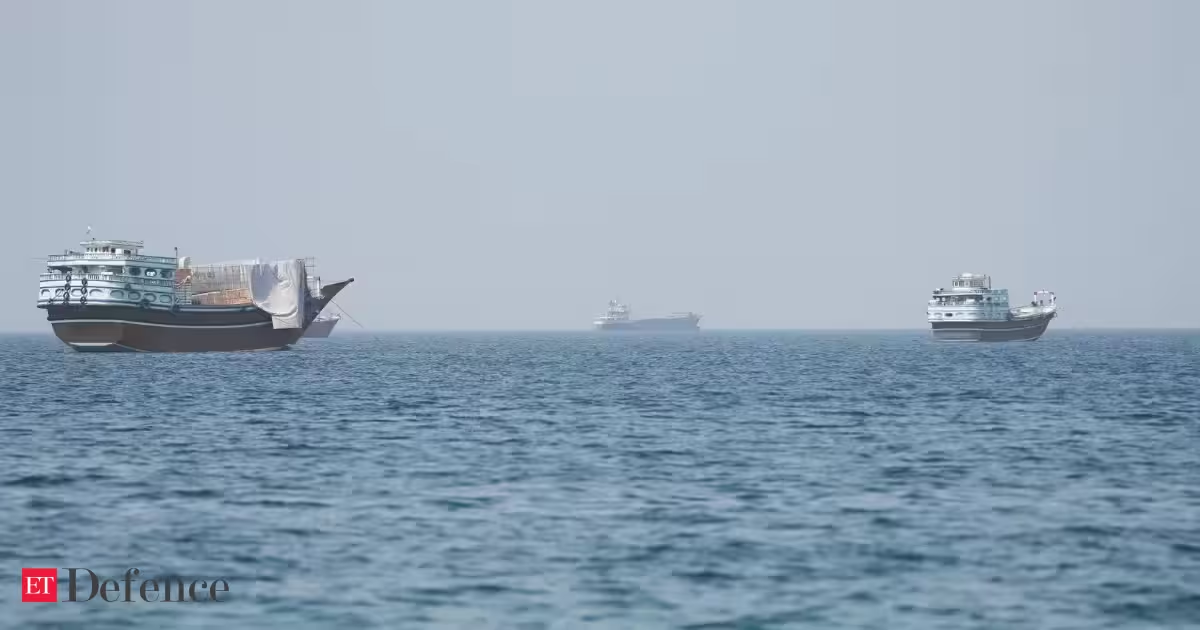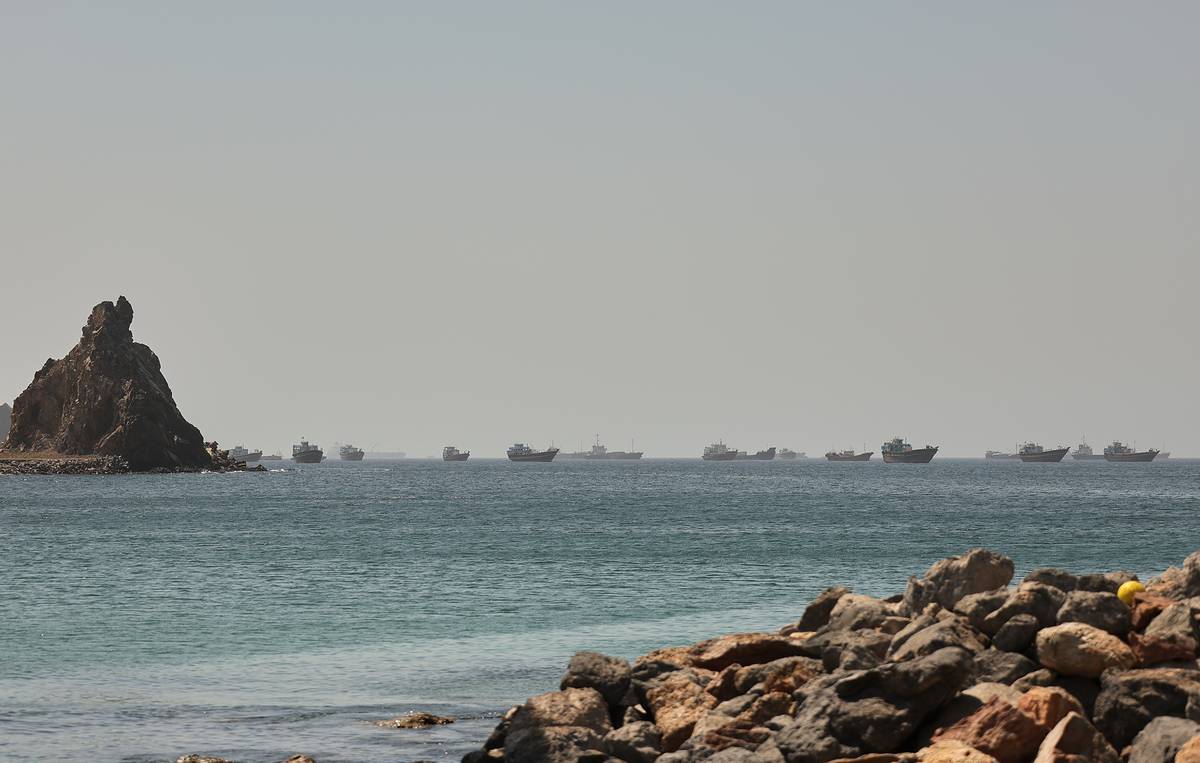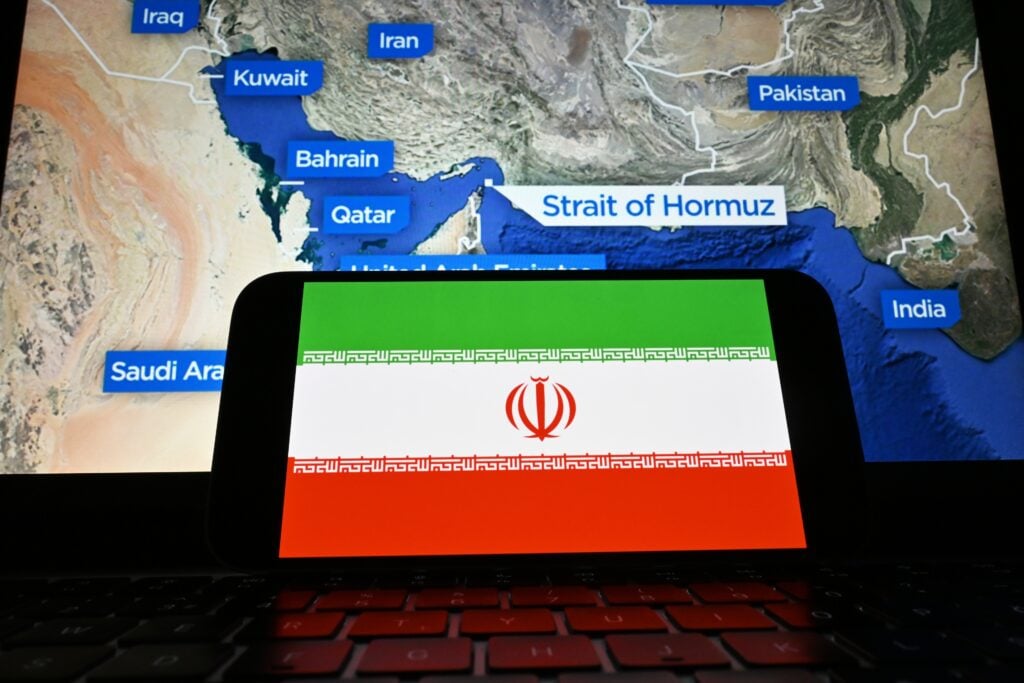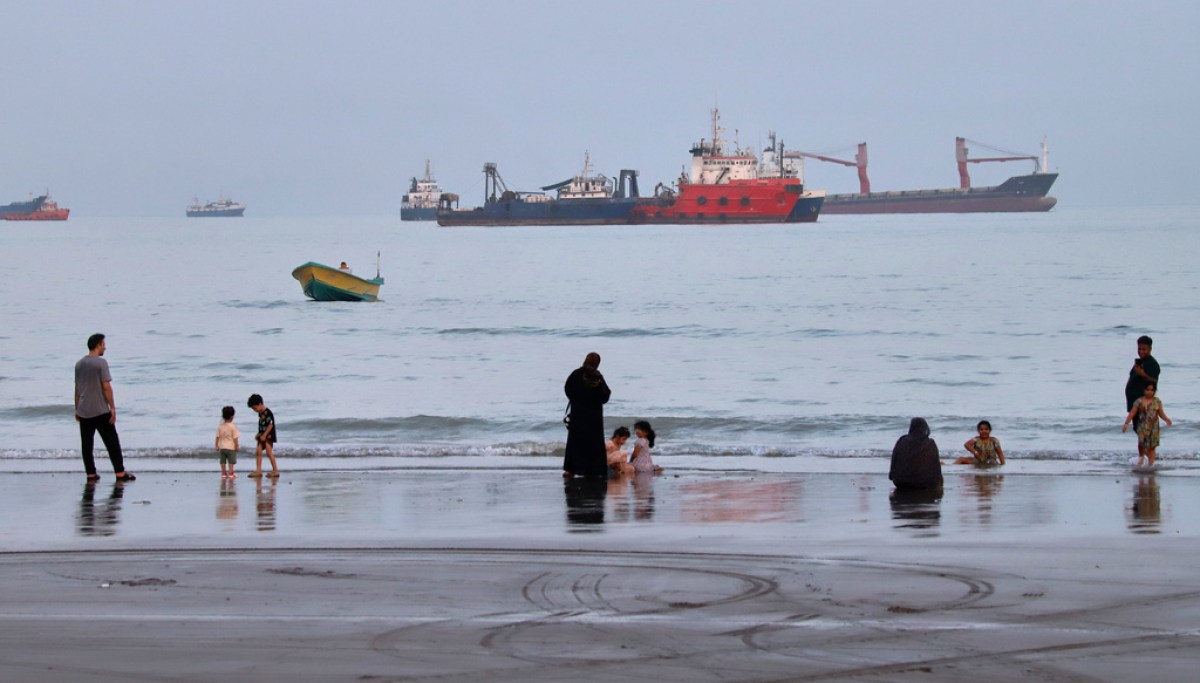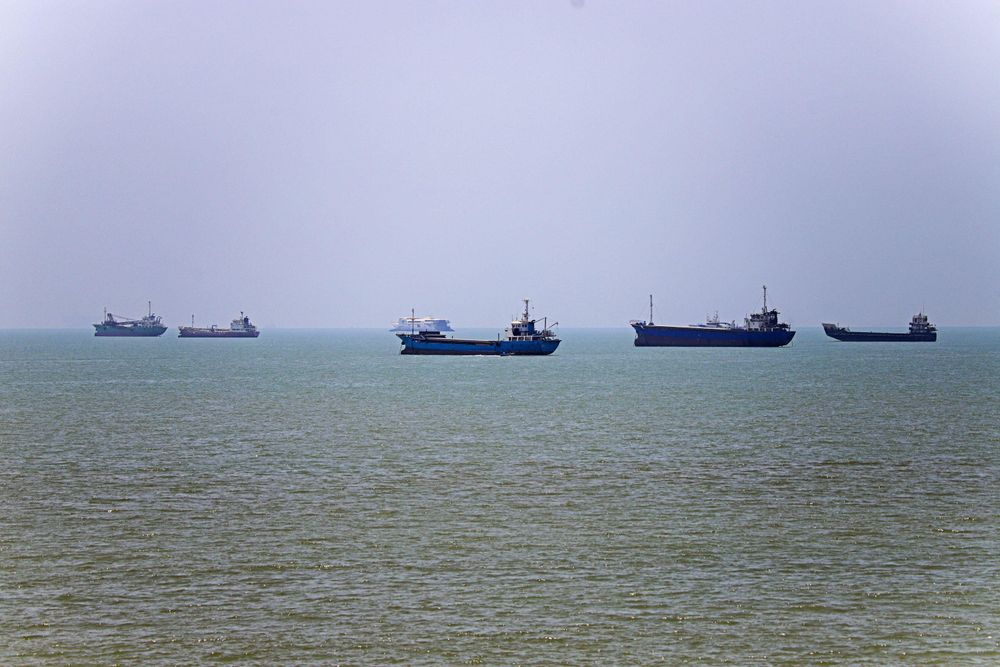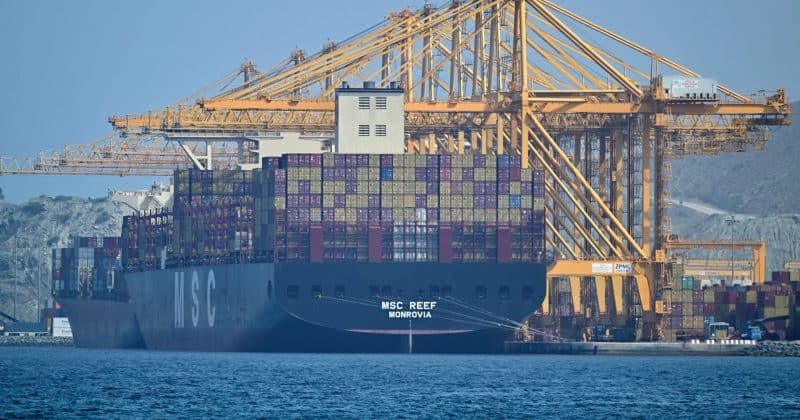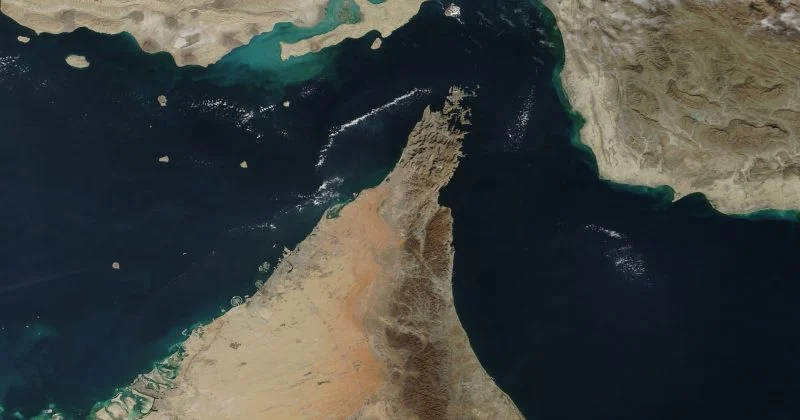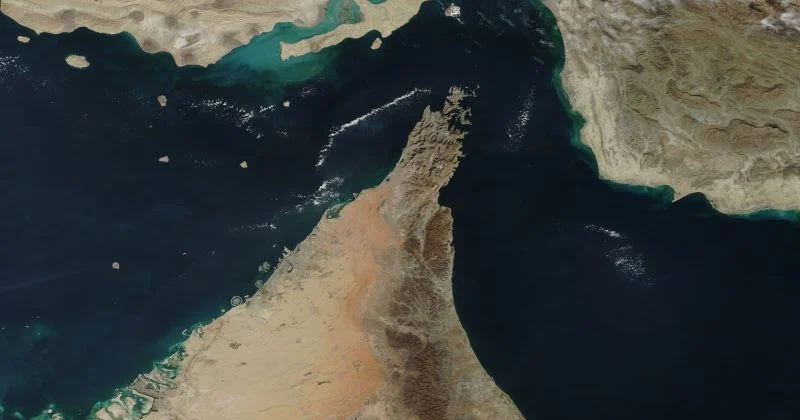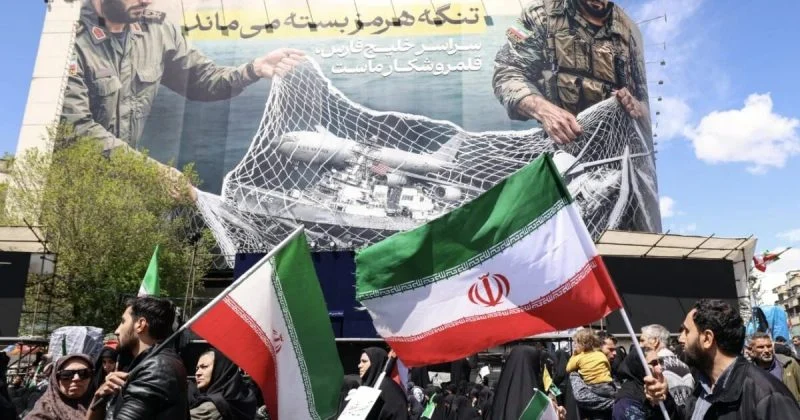
Vessel traffic through the Strait of Hormuz has decreased this week amid ongoing diplomatic talks between Iran and Oman, according to Reuters. These discussions aim to address safe passage and potential fees for commercial navigation through this critical waterway. This development occurs against the backdrop of the 2026 Strait of Hormuz crisis, which began after military operations against Iran earlier this year. The strait, a vital corridor for global oil and LNG flows, remains a focal point for geopolitical tensions and economic implications.
Market participants are closely watching the situation, with pricing in related prediction markets suggesting that the decrease in vessel traffic is consistent with scenarios where Iran might impose transit fees. The pricing in the market for “US charges Hormuz fees by August 31, 2026?” implies a low probability of 1.7% for the U.S. imposing such fees, as recent developments suggest Iran is more likely to take that step. The ongoing Iran-Oman talks could influence these probabilities, depending on whether they lead to an agreement on the management of transit fees and shipping routes.
As the situation unfolds, the term structure of the prediction markets indicates expectations of a potential catalyst later in the year. The pricing for the December 31, 2026, market shows a slightly higher probability of 8.5% for the U.S. charges scenario, suggesting that market participants are accounting for possible developments in the coming months.