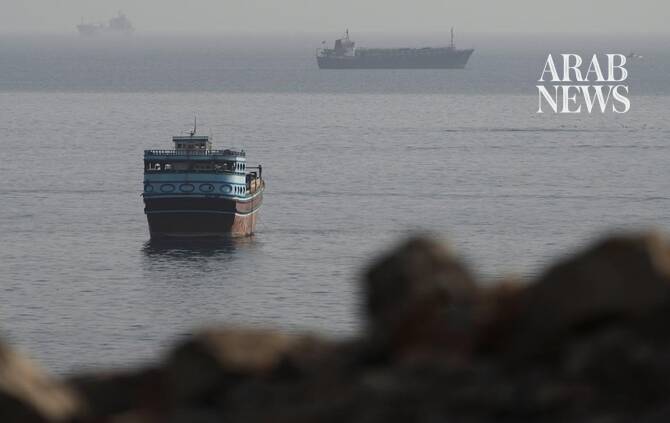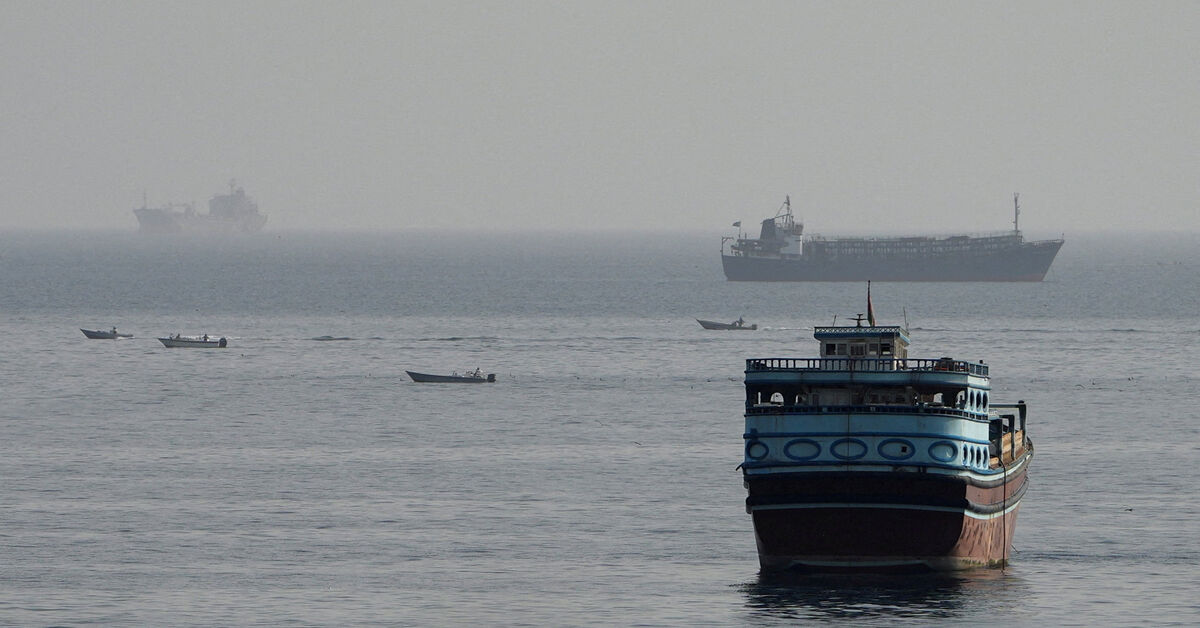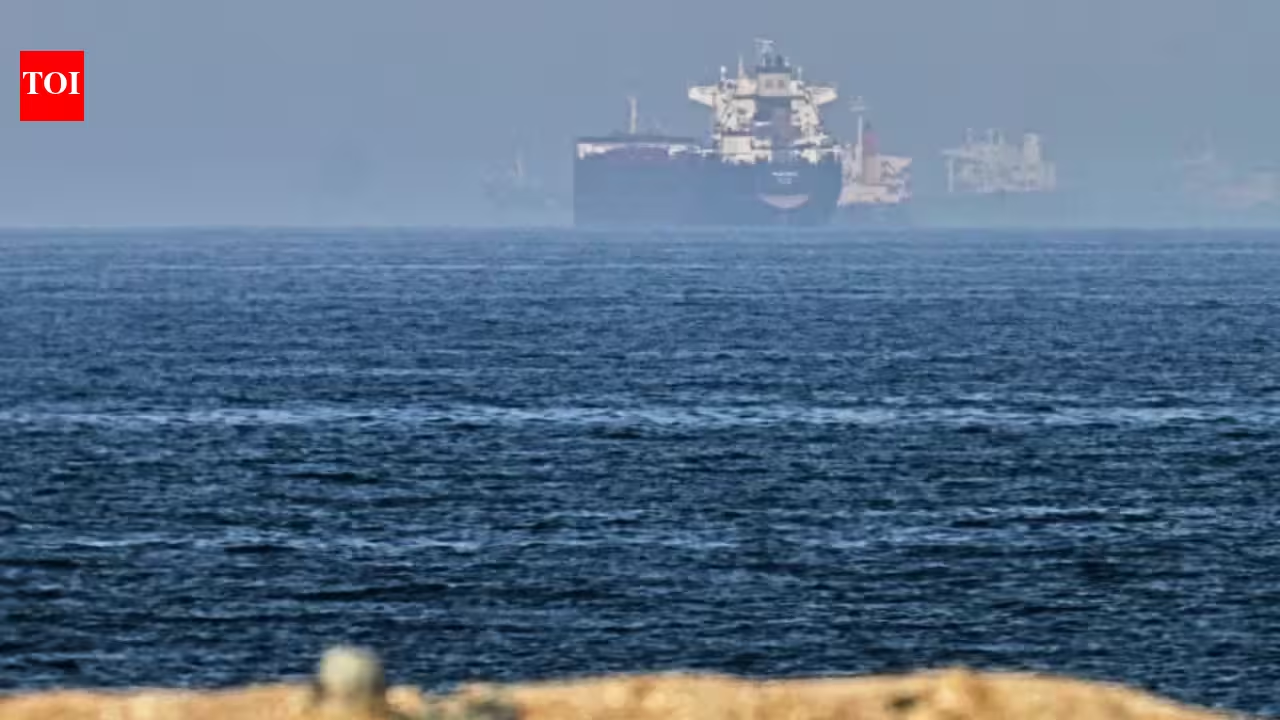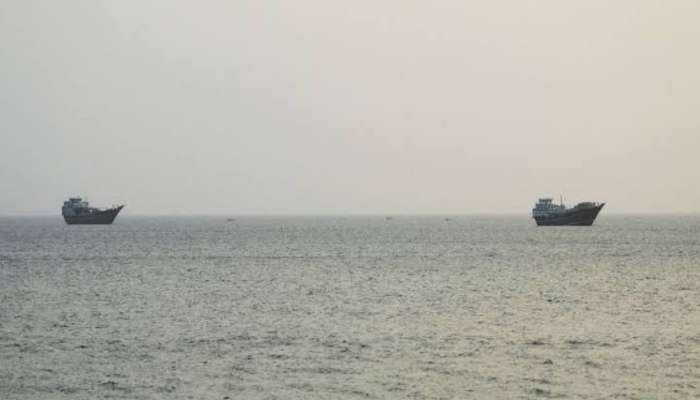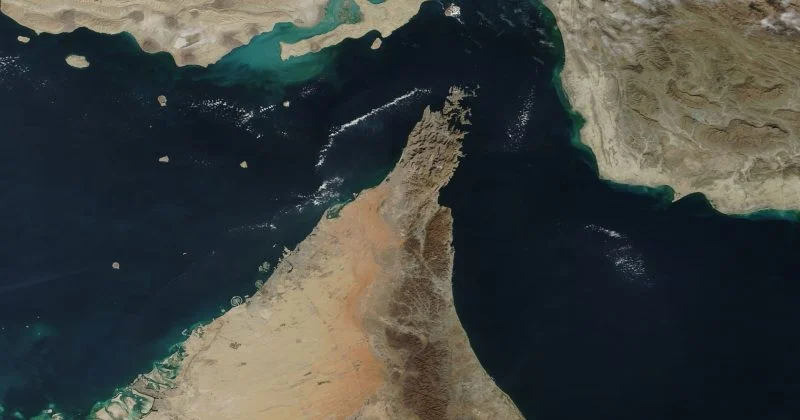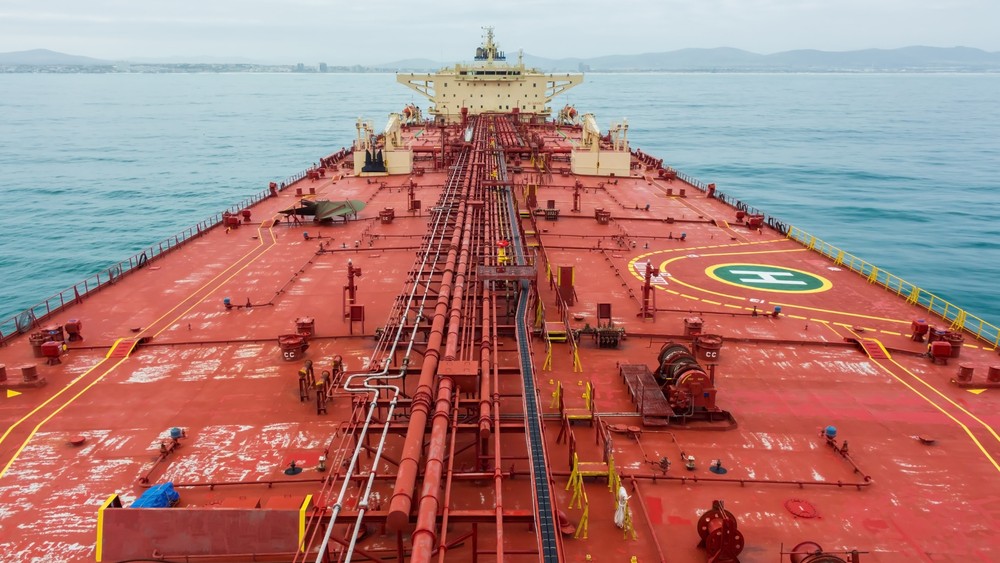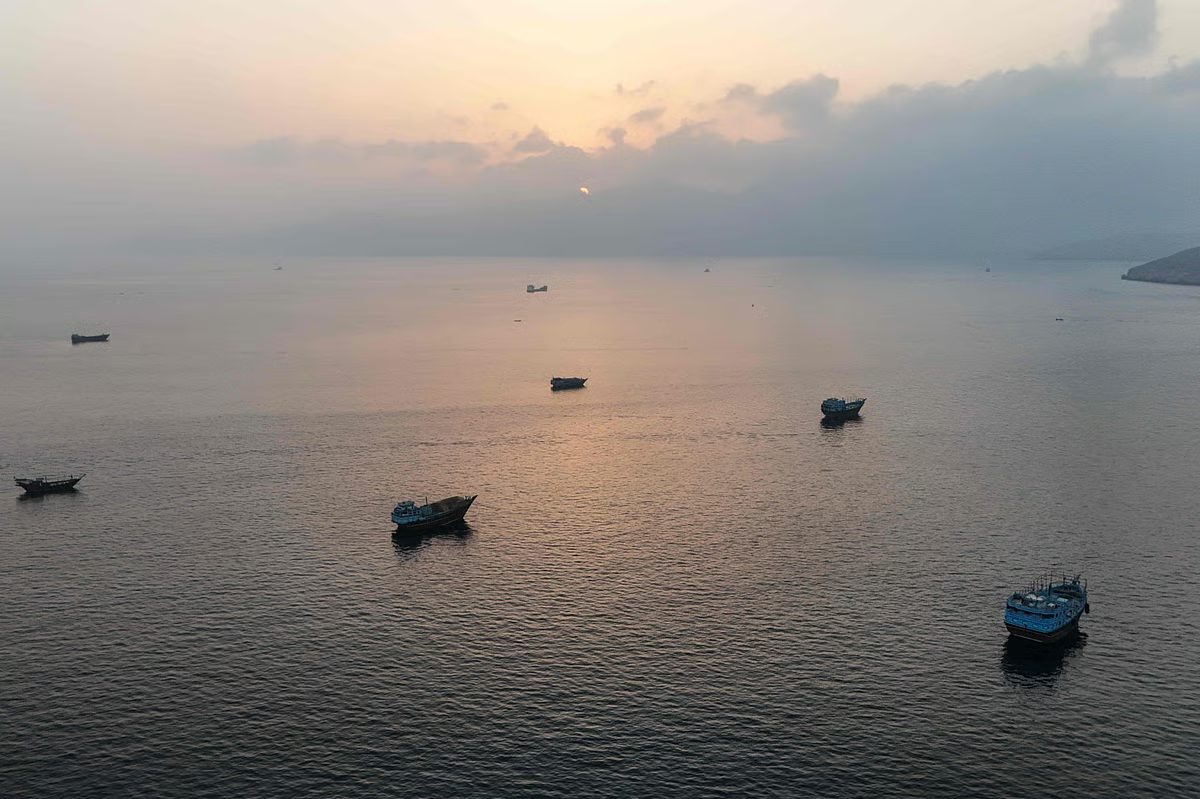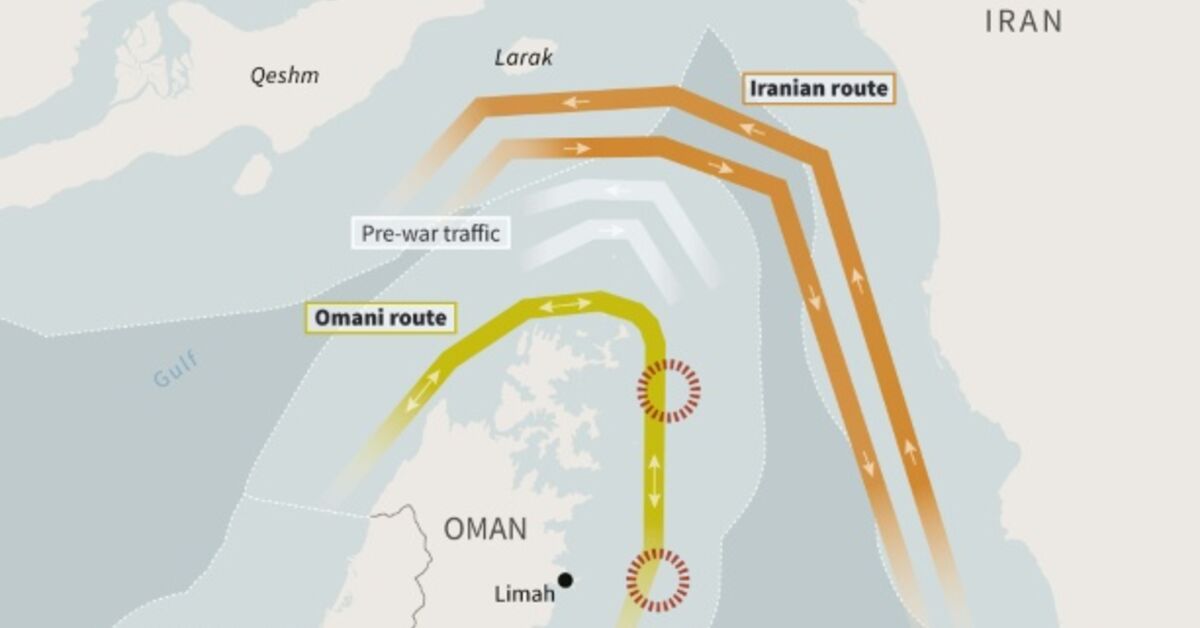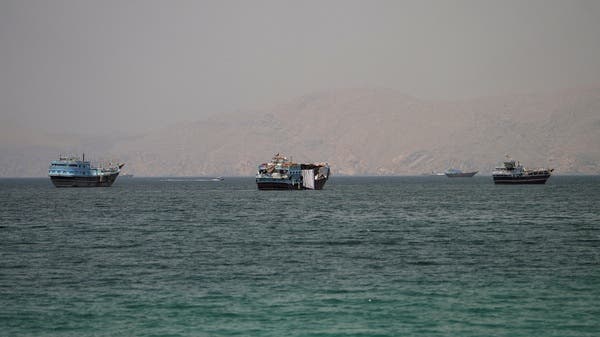
Singapore: Shipping traffic through the Strait of Hormuz has dwindled to 33 vessels from Monday to Thursday this week, data showed, versus 50 in the week-ago period, as markets watched talks between Iran and Oman for signs of progress in reopening the key waterway.Four vessels transited the strait on Thursday, including a very large crude carrier, Nissos Kea, carrying about 2 million barrels of Basrah crude loaded in Iraq, Kpler data showed.Also read: Iran weighs fines up to 20%, vessel ban for ‘hostile’ ships in HormuzOf the rest, two were laden with liquefied petroleum gas and one was a minor bulk carrier.Just six crude oil tankers have exited the strait this week, Kpler data showed. A total of 21 vessels have entered it so far, mostly via the Iranian route.Several Chinese and Indian refiners have sought vessels this week to enter the strait and load crude at Iraq's Basrah Oil Terminal, attracted by steep discounts, shipping sources said.However, no vessels have been fixed so far as shipowners are wary of entering the waterway, they said.Iraq's state oil marketer SOMO offered discounts of close to $30 a barrel for Basrah Heavy and Basrah Medium crude to customers for August loading.Typically, about 130 to 140 ships would transit the strait before Iran closed the waterway after the U.S.-Israeli war began on February 28.Also read: Proposed Hormuz deal would give Iran control of inbound traffic, sources sayA proposed deal between Iran and Oman to give Tehran control over ships entering the Gulf through the Strait of Hormuz is not easily workable because of U.S. sanctions and restrictive insurance clauses on payments, industry sources said.On Thursday, 26 vessels transited the Bab el-Mandeb strait on the Red Sea, up from 19 a day before, Kpler data showed. LSEG counted 28 vessels, using a different tracking system and methodology.
Vessel traffic through Hormuz dwindles this week as markets watch Iran-Oman talks
Shipping traffic through the Strait of Hormuz has significantly decreased this week. Markets are closely watching Iran and Oman talks for waterway reopening signs. Several Chinese and Indian refiners seek discounted crude oil from Iraq. However, shipowners remain wary of entering the waterway due to risks. Meanwhile, traffic through the Bab el-Mandeb strait on the Red Sea has increased.
303 words~1 min read