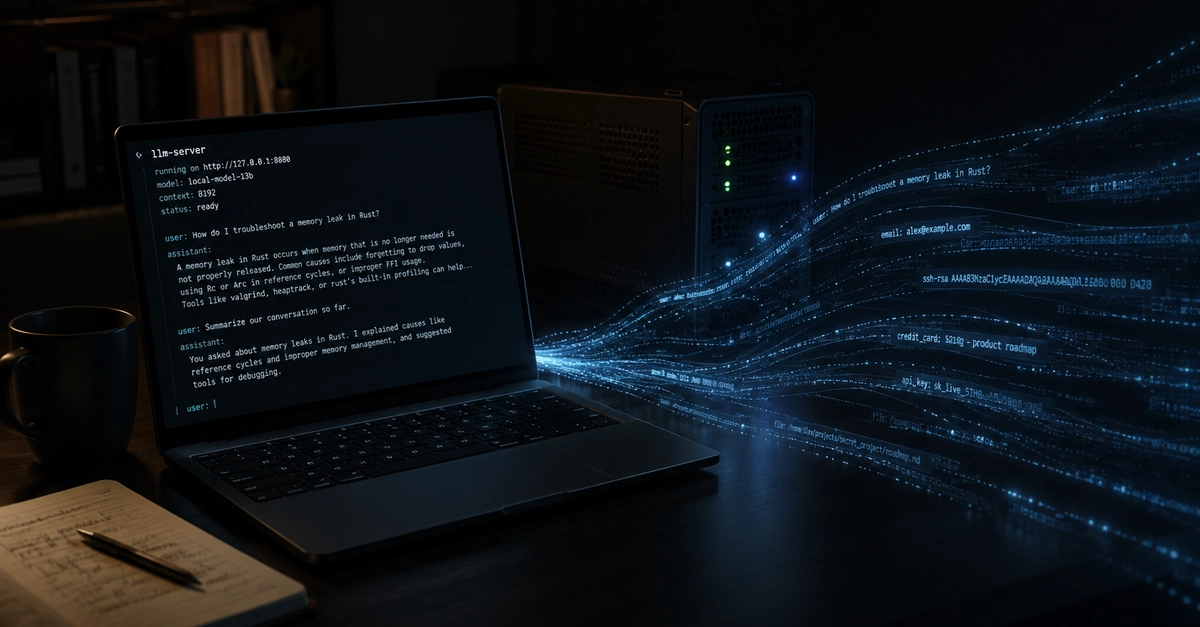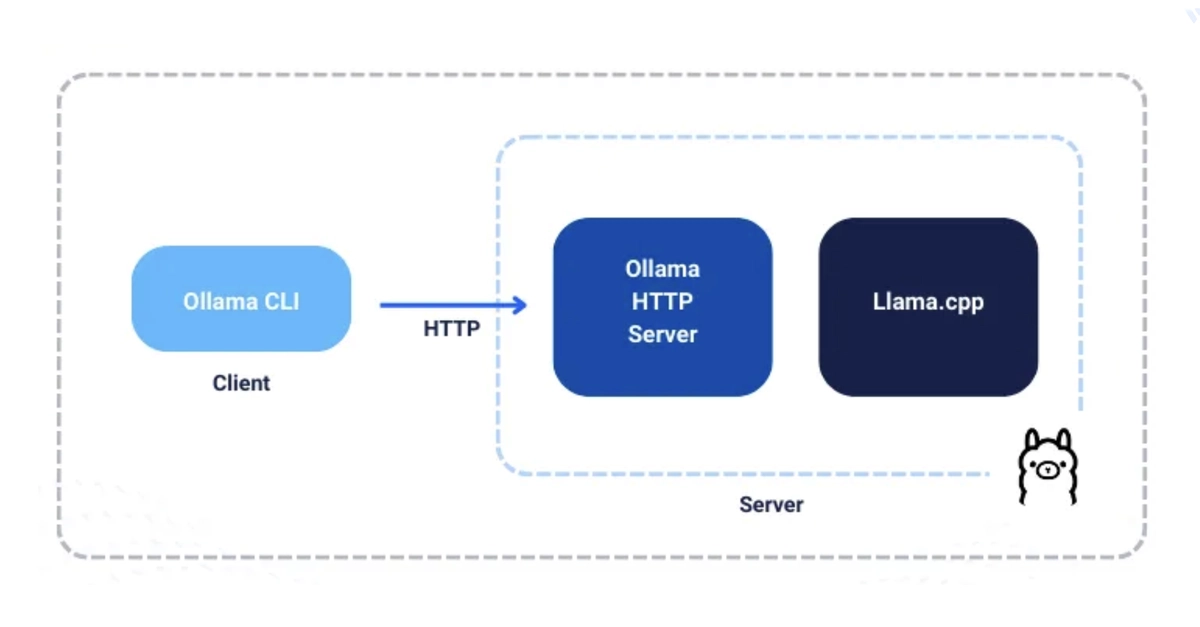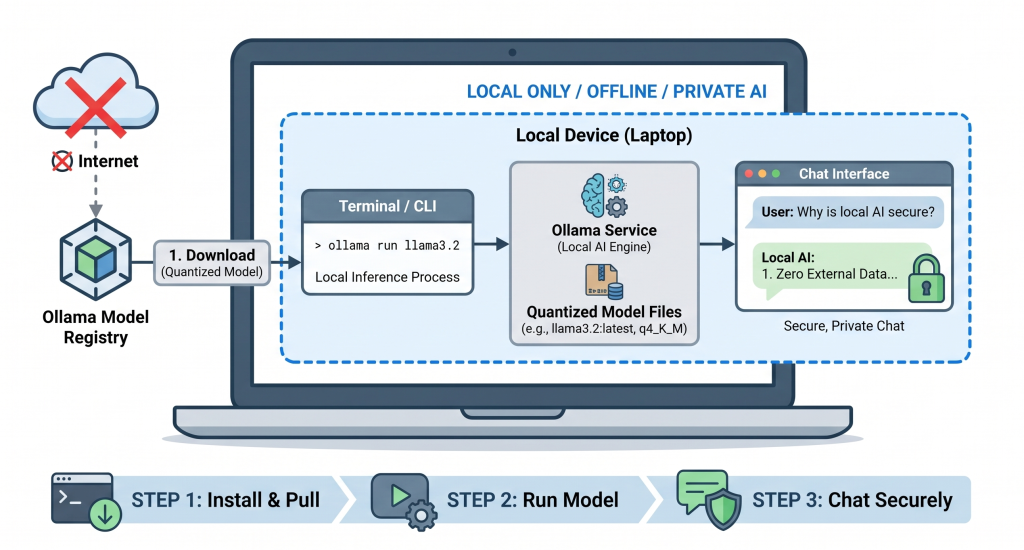
A malicious Ollama model is not a virus you double click, but it is untrusted input handed to a C parser, a template engine and your filesystem in one request. The realistic damage from a hostile /api/pull is disk exhaustion, VRAM starvation, blob writes under ~/.ollama/models, a poisoned chat template that silently rewrites every prompt, and memory corruption in the GGUF loader if the file is crafted for it. None of that requires a vulnerability in your app code, only an Ollama daemon that trusts whoever can reach port 11434 and whichever registry a tag points at. Bind the daemon to localhost, pin models by SHA256 digest, run the container as a non root user with a read only root filesystem and a capped model volume, and the entire class collapses to a bad model that answers badly.
TL;DR by reader profile:
Solo developer running Ollama on a laptop, for example a contractor testing llama3.1:8b locally: leave OLLAMA_HOST at 127.0.0.1:11434 and pin digests, because your only real exposure is pulling a model whose tag moved under you.
Two person startup running Ollama on one rented GPU box, for example a founder pair serving an internal assistant: run it in Docker as UID 1000 with --read-only, --cap-drop ALL and a sized model volume, because a single unbounded pull can fill the disk that also holds your Postgres data.