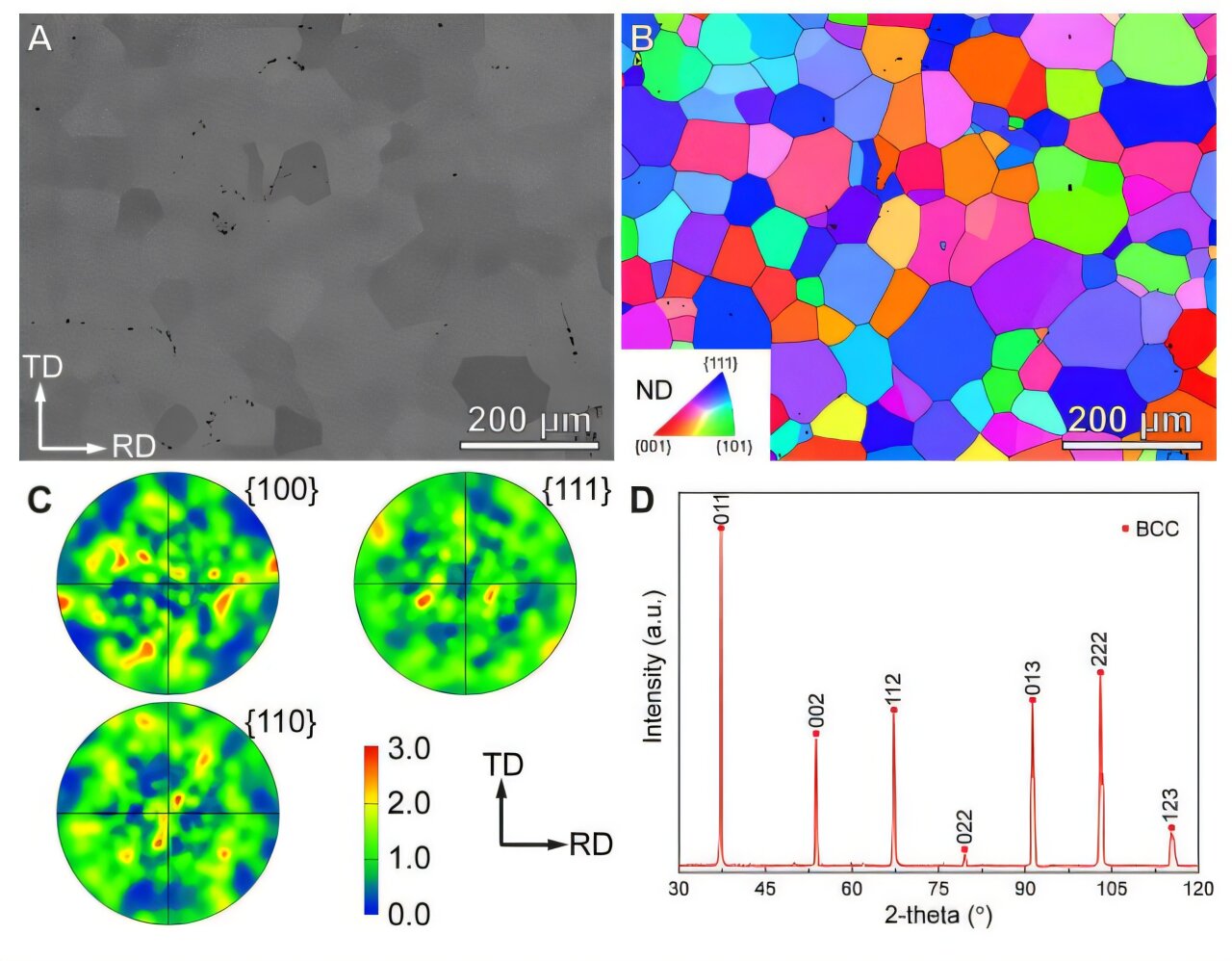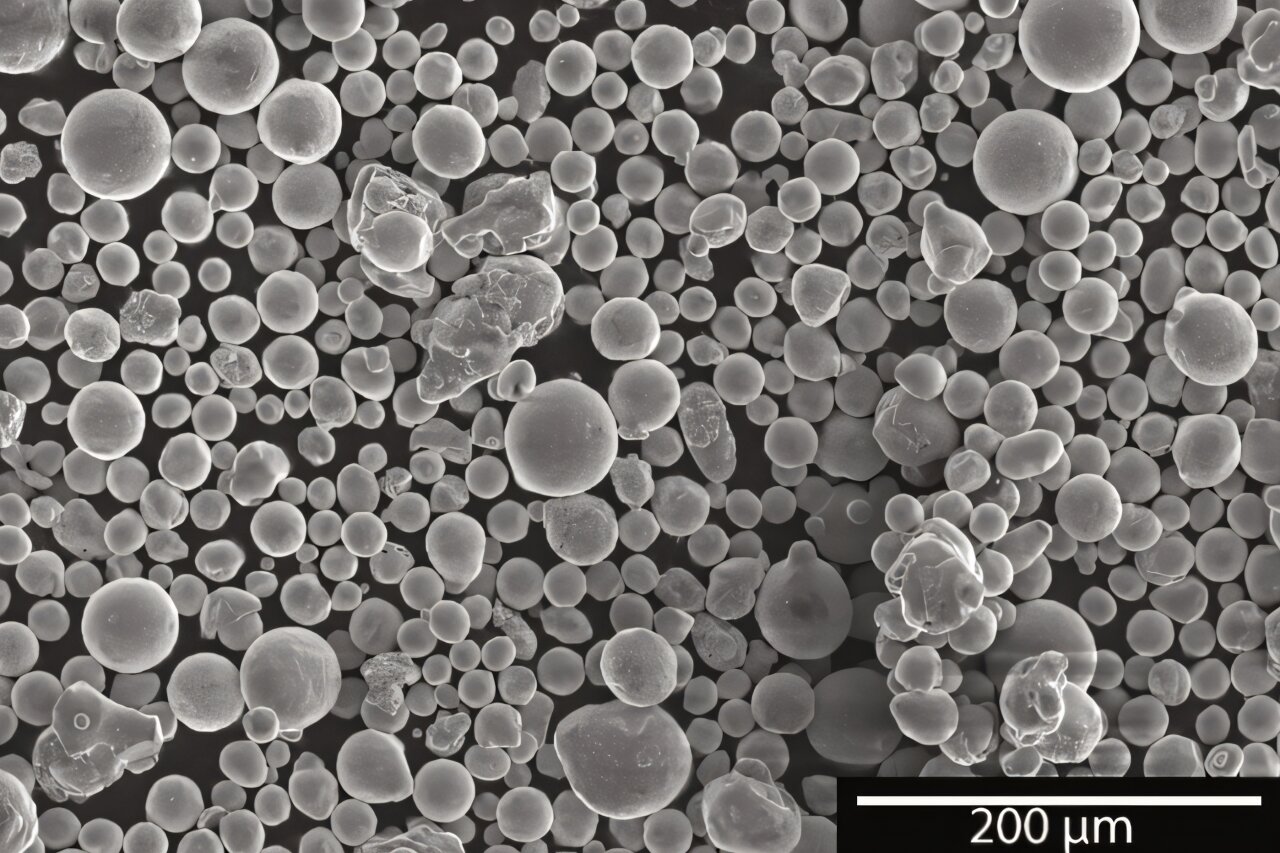
Powdered alloy of copper, aluminum, and iron as seen with a scanning electron microscope. This powder was used as a raw material for 3D-printing aluminum bronze samples investigated in the study. Credit: Journal of Alloys and Compounds (2026). DOI: 10.1016/j.jallcom.2026.189162
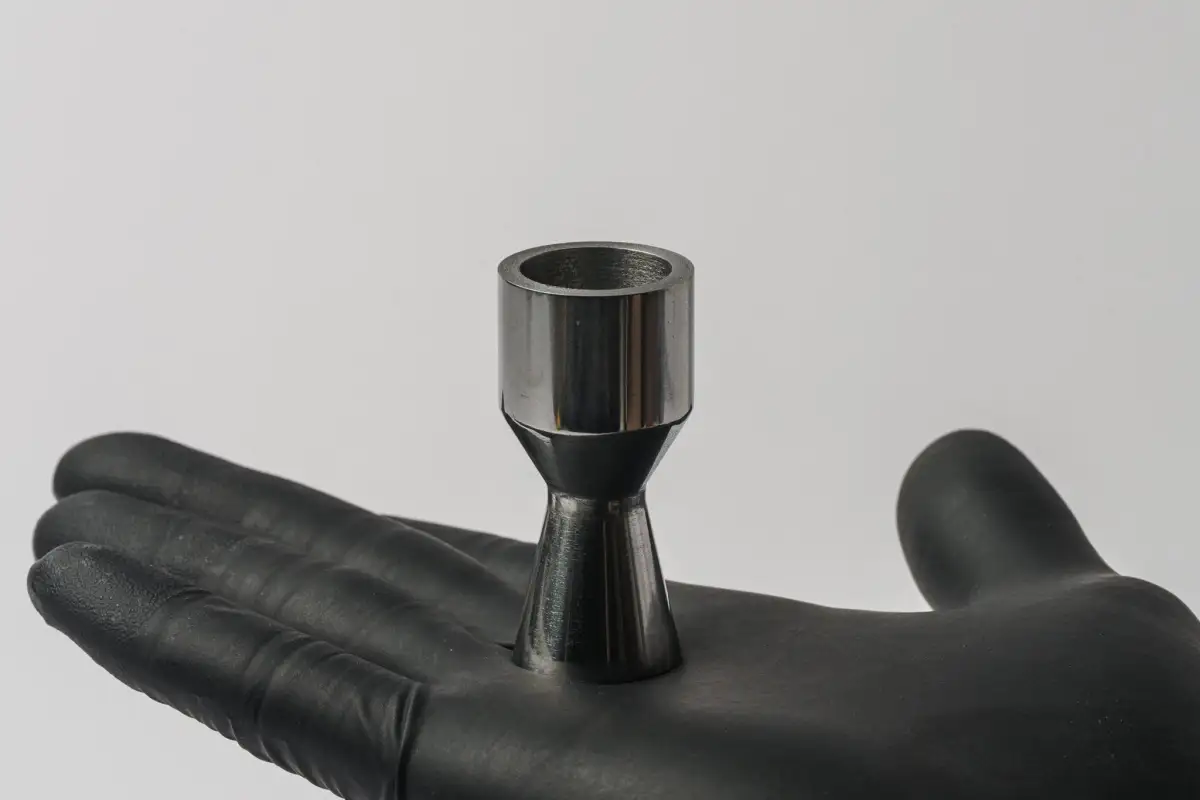
Researchers from Skoltech—a VEB.RF group institution—and their colleagues from State Marine Technical University and others have found a way to improve the balance between the mechanical strength and ductility of 3D-printed aluminum bronze. An alloy of copper and aluminum with a minor addition of iron, this material is a promising candidate for making additively manufactured heat exchange units that cool sensitive electronic components, such as processors.
When these components have to operate under extreme conditions on aircraft, rockets and electric cars, optimizing the strength and ductility of the constituent materials becomes a major concern. The study is published in the Journal of Alloys and Compounds.
"The heat exchanger is a unit in electronics that moves heat away from the processor or other heat-generating components. To do its job well, it has to be made of a material with high thermal conductivity and have the right geometry," says the study's lead author, Anastasia Filippova, a doctoral student in Skoltech's Mathematics and Mechanics program.