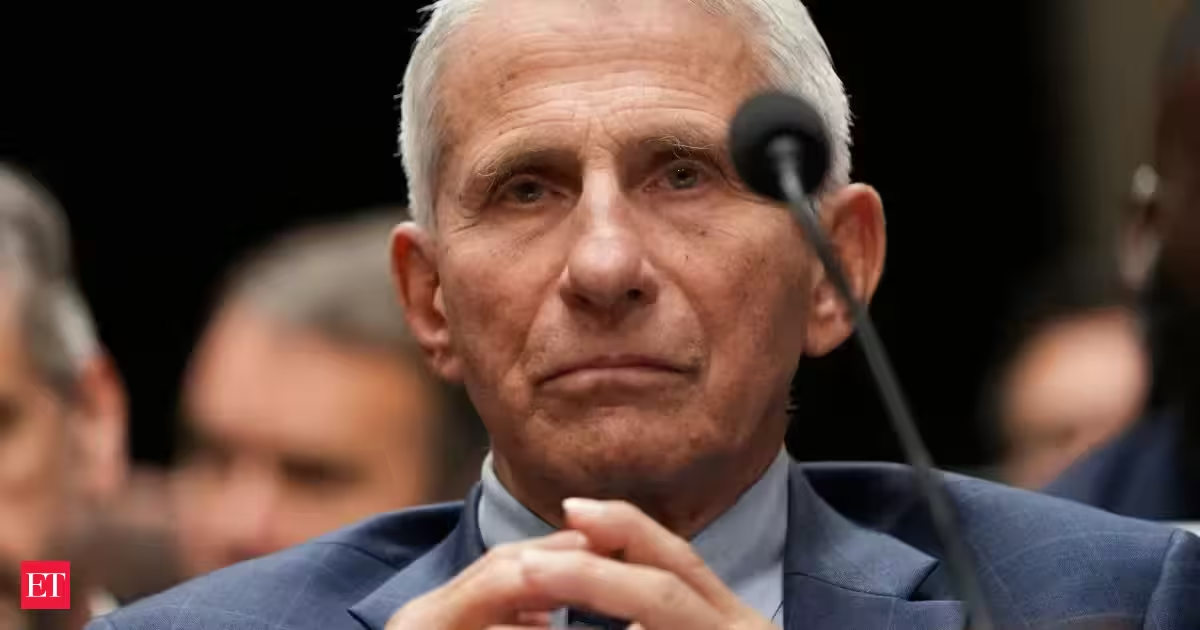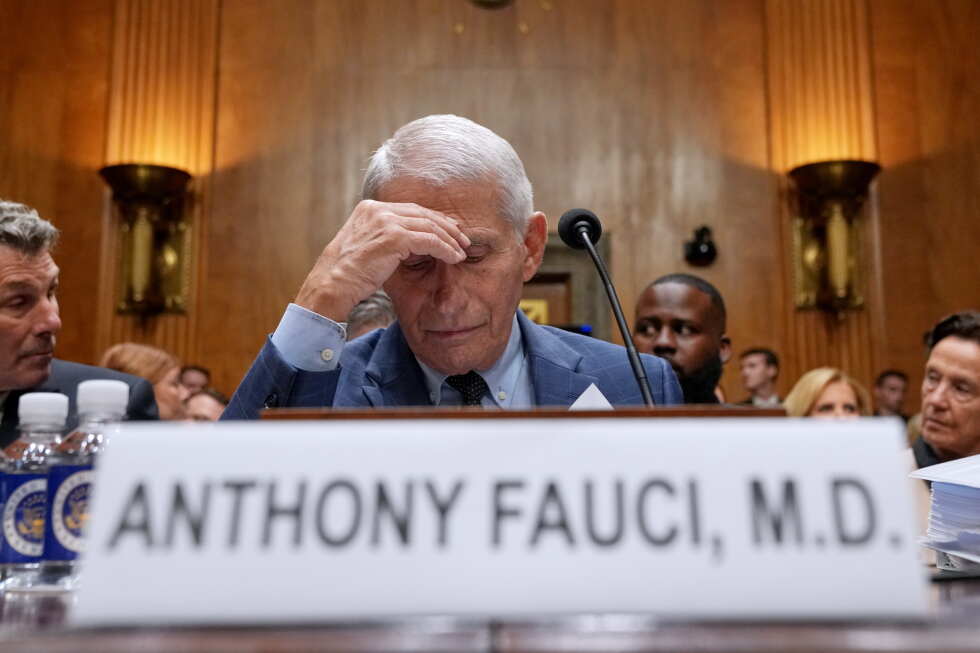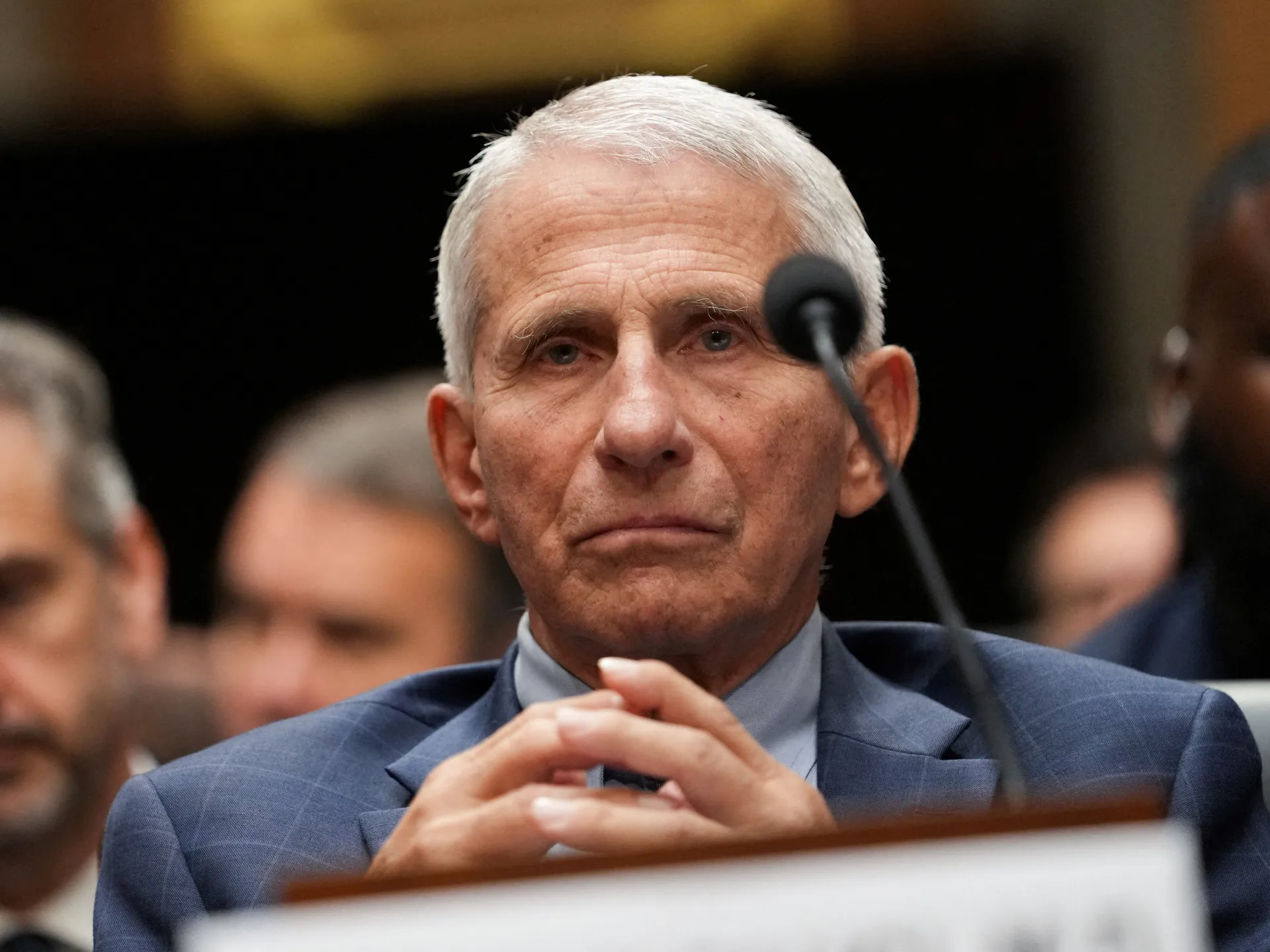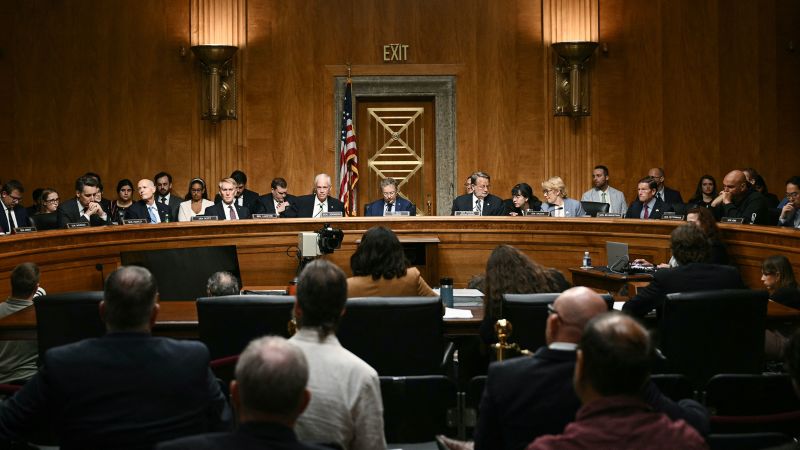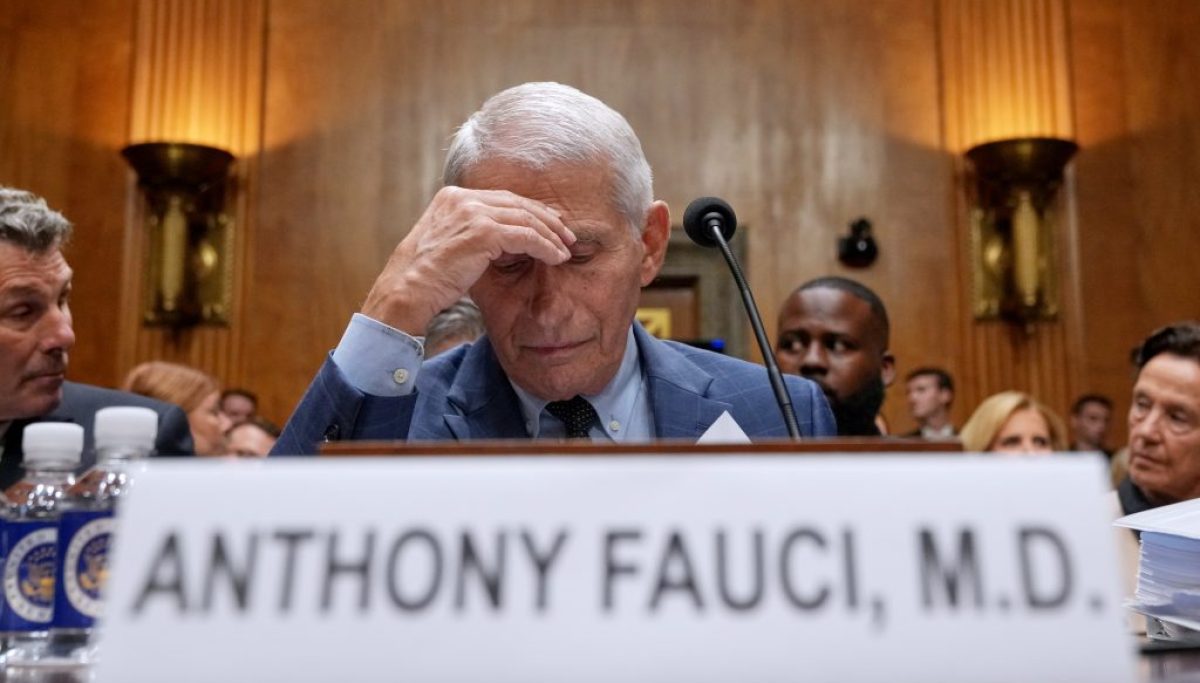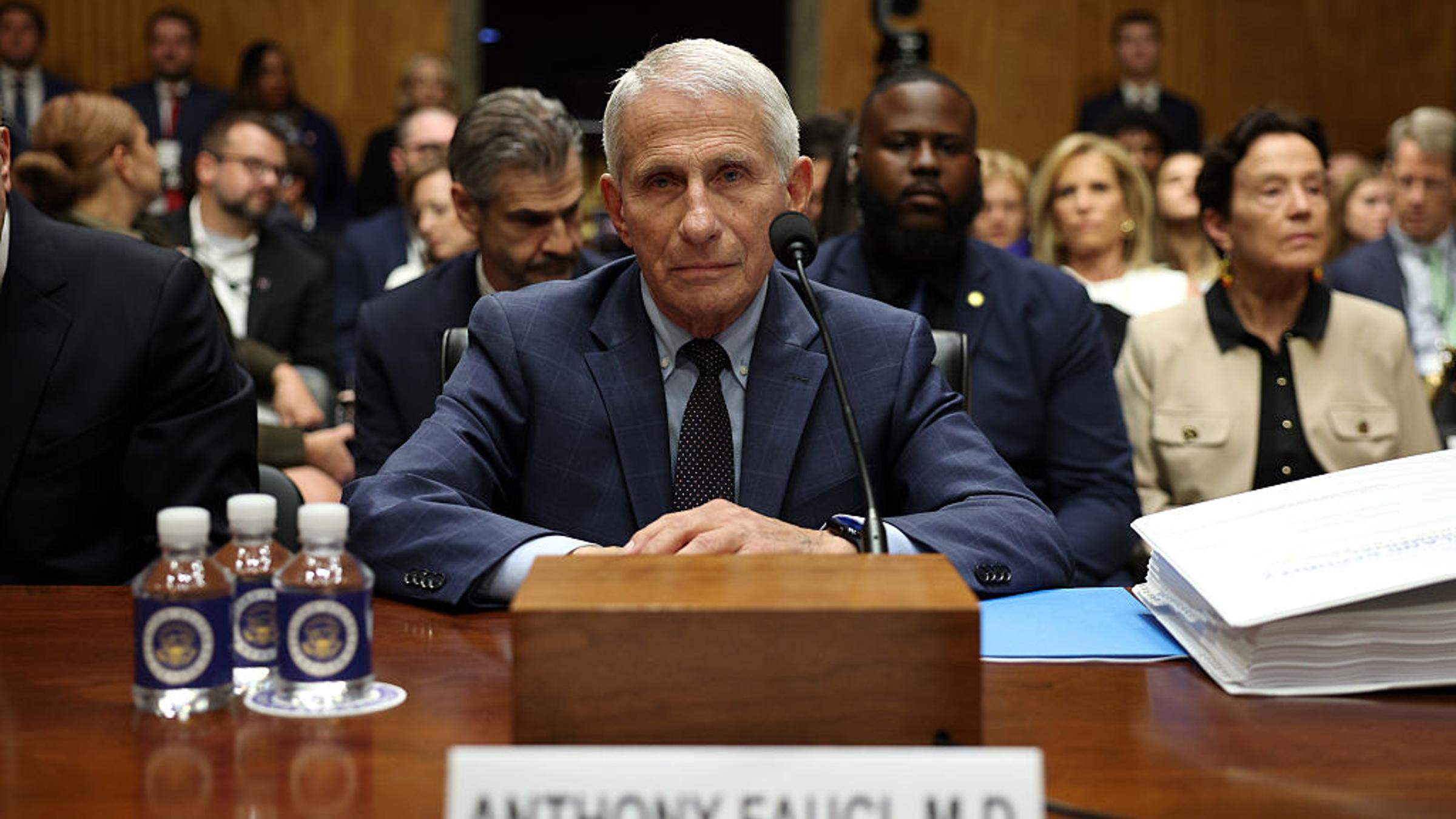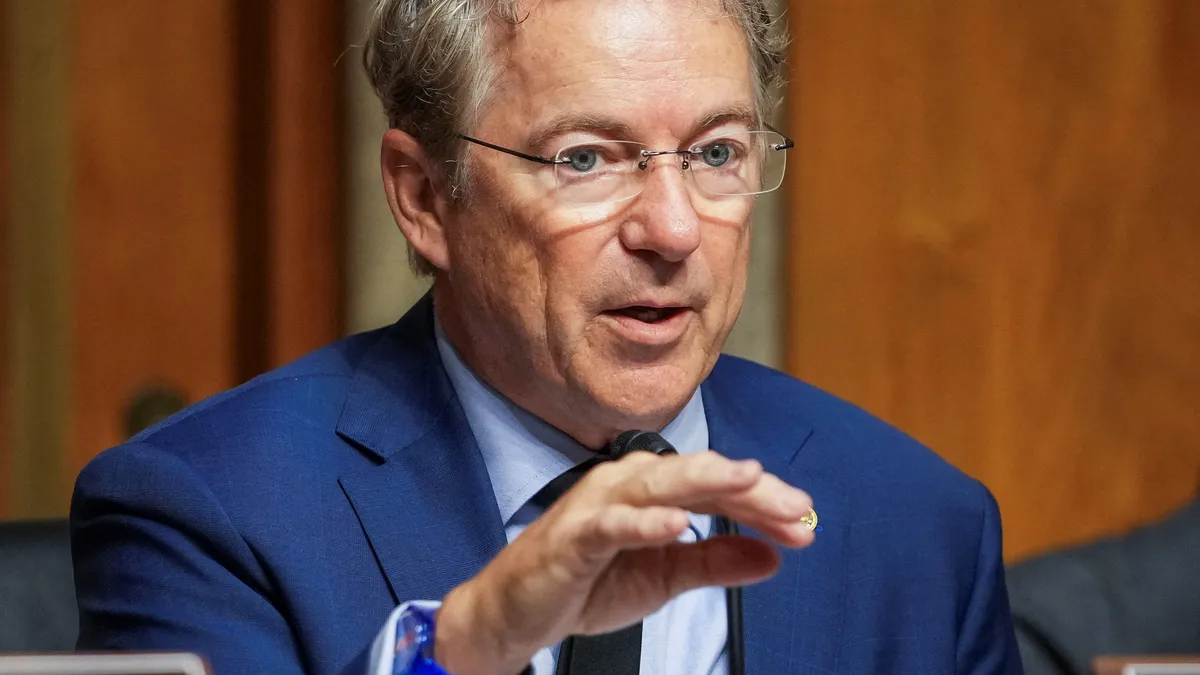
A congressional vote to hold Dr. Anthony Fauci in contempt raises questions about what comes next.Show Caption
A Republican-controlled Senate committee voted along party lines Aug. 6 to hold former government health official Dr. Anthony Fauci in contempt. The vote came after Fauci invoked his Fifth Amendment rights to avoid answering questions at a recent hearing, teeing up a potential request for the Justice Department to look into criminal charges.Kentucky Republican Sen. Rand Paul, who chairs the U.S. Senate Homeland Security and Governmental Affairs Committee that held the vote, said that he planned to "hand-carry" the vote over to Acting Attorney General Todd Blanche, who leads the DOJ."As a committee, we have voted – the majority – to refer this, so that will be accomplished today," Paul said.Some legal experts have questioned whether there's a legitimate contempt case against Fauci.Former federal prosecutor Neama Rahmani said Fauci had a legitimate right to invoke the Fifth to avoid any charges that could arise for allegedly making false statements, committing obstruction, or committing perjury by testifying before the committee."It was the right legal move, even though it's a bad look politically," Rahmani previously told USA TODAY.David Schertler, a lawyer for Fauci, said in a statement shared with USA TODAY that the committee's contempt vote "is a crude political stunt intended to punish Dr. Fauci for exercising his constitutional rights.""It is shameful and wrong that Senator Paul is abusing his power by trying to weaponize the Justice Department against an honorable public servant," Schertler said.The Justice Department told USA TODAY in a statement that it received a document from the Senate on the Fauci contempt vote and plans to work with the Senate accordingly.Here's a look at what a congressional contempt vote means and what could come next for Fauci:What does a congressional contempt vote mean?Holding individuals in contempt of Congress can involve sending criminal referrals to the Justice Department. Congress also has the power to bring a civil case to enforce a subpoena.Historically, many referrals have functioned as largely symbolic reprimands. Some have been followed by criminal charges, however, including referrals during President Joe Biden's term of Trump aides Steve Bannon and Peter Navarro. Both men were found guilty in federal court and served prison sentences.Contempt votes have typically gone to the full Senate or House of Representatives before the referral of criminal charges to the DOJ. But speaking to reporters Aug. 6, Paul argued the committee can make the referral because the resolution falls "outside the ordinary bill-making process."Are congressional contempt resolutions common?In recent years, the frequency of Congress holding public officials in contempt has picked up.Attorney General Merrick Garland was found in contempt by the Republican-led House in 2024 for withholding the audio recording of Biden’s interview with special counsel Robert Hur over his mishandling of classified documents. Garland was the only Biden administration official to formally be held in contempt of Congress. Two House committees led by Republicans in 2024 recommended a contempt resolutions targeting Hunter Biden, the former president's son, but the effort was halted after he agreed to sit for a deposition with lawmakers.Trump aides Mark Meadows, Dan Scavino, Bannon and Navarro were each held in contempt by the House in 2021 and 2022 – then controlled by Democrats – for defying subpoenas in a House panel’s investigation into the Jan. 6, 2021, attack on the U.S. Capitol.In 2019, the House voted to hold two top Trump administration officials, Attorney General William Barr and Commerce Secretary Wilbur Ross, in contempt of Congress after they defied subpoenas seeking information about Trump’s failed attempt to add a citizenship question to the 2020 Census.In a unanimous vote, the Senate in 2016 voted to hold the sex ad website Backpage.com in contempt for failing to comply with their investigation into how they screen online ads for warning signs of child sex trafficking.A Republican-controlled House also held former IRS official Lerner in contempt of Congress in 2014, during former President Barack Obama's time in office, for refusing to testify about her role in the IRS scrutinizing tax exemption applications of conservative Tea Party groups.Also during Obama's presidency, former Attorney General Eric Holder in 2012 was held in contempt by the Republican-led House for refusing to hand over documents related to the "Fast and Furious" gun-trafficking investigation.Did Fauci have a legitimate right to plead the Fifth?Individuals can't plead the Fifth before Congress simply to avoid embarrassing testimony. But several legal experts of varying ideological backgrounds have said Fauci faced some genuine risks of criminal exposure."(Fauci) can take the Fifth if he thinks that this could, in fact, incriminate him in with respect to criminal conduct," John G. Malcolm, a vice president focusing on rule-of-law issues at Advancing American Freedom, said at an Aug. 3 webinar hosted by The Federalist Society. Advancing American Freedom is a conservative advocacy nonprofit founded by Republican former Vice President Mike Pence.Paul has said Fauci didn't have the right to invoke the Fifth Amendment because he received a pardon from Biden for potential federal crimes committed from 2014 until Biden left office.Malcolm noted, however, that Paul himself has previously questioned the legitimacy of the pardon for Fauci because it was allegedly signed with an autopen. In addition, state prosecutors have said they were going to initiate investigations into Fauci, and Biden's pardon wouldn't cover potential state crimes."It is not completely far-fetched, and I think that Dr. Fauci is entitled to take them at their word, that they have every intention of launching criminal investigations against him," Malcolm said.Speaking at the same webinar, Clark Neily, a senior vice president for legal studies at the libertarian Cato Institute, said it was "a little bit precious" for Paul to say, on the one hand, that Fauci's pardon is invalid, and then say on the other that it gives Fauci complete protection in testifying."He certainly could have exposure," Neily said.What could come next for Fauci?Even though many legal experts believe Fauci had a legitimate claim to invoke the Fifth Amendment, the Justice Department under Trump has shown it is willing to bring controversial criminal charges.For instance, the department has a pending case against prominent Trump critic and former FBI Director James Comey for posting an image of seashells in the shape of "86 47" on social media. The DOJ has accused him of making a criminal threat to harm or kill the president."86" is a slang term that means "to throw out" or "to get rid of," according to Merriam-Webster. Trump is the 47th U.S. president.Comey deleted the post within hours after some Trump supporters interpreted the post as a threat. Comey said in a subsequent post that he "didn’t realize some folks associate those numbers with violence" and he opposes "violence of any kind."The case has sparked condemnation from free speech advocates, and even some conservative legal scholars have denounced the charges as an unconstitutional violation of the First Amendment.The Justice Department didn't respond to USA TODAY's request for comment on accusations that it is increasingly politicized.Contributing: Zachary Schermele, USA TODAY(This story has been updated with additional information.)