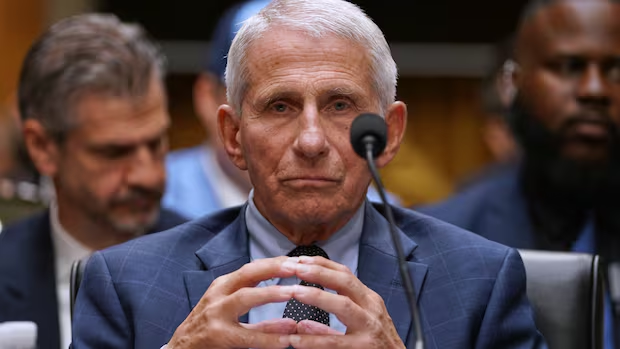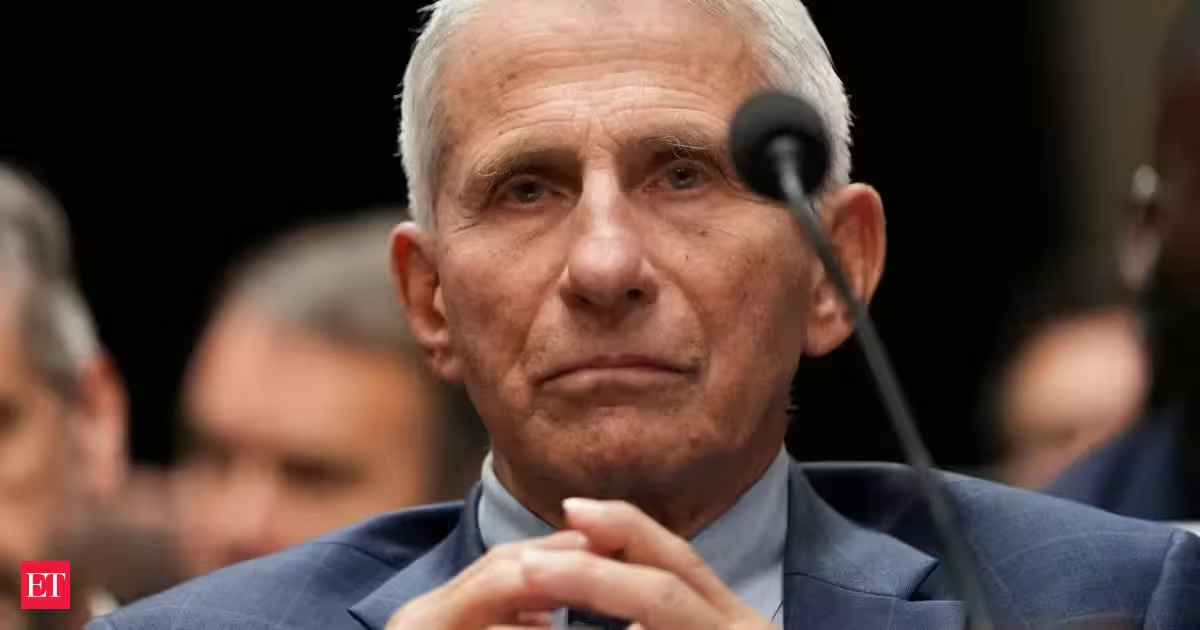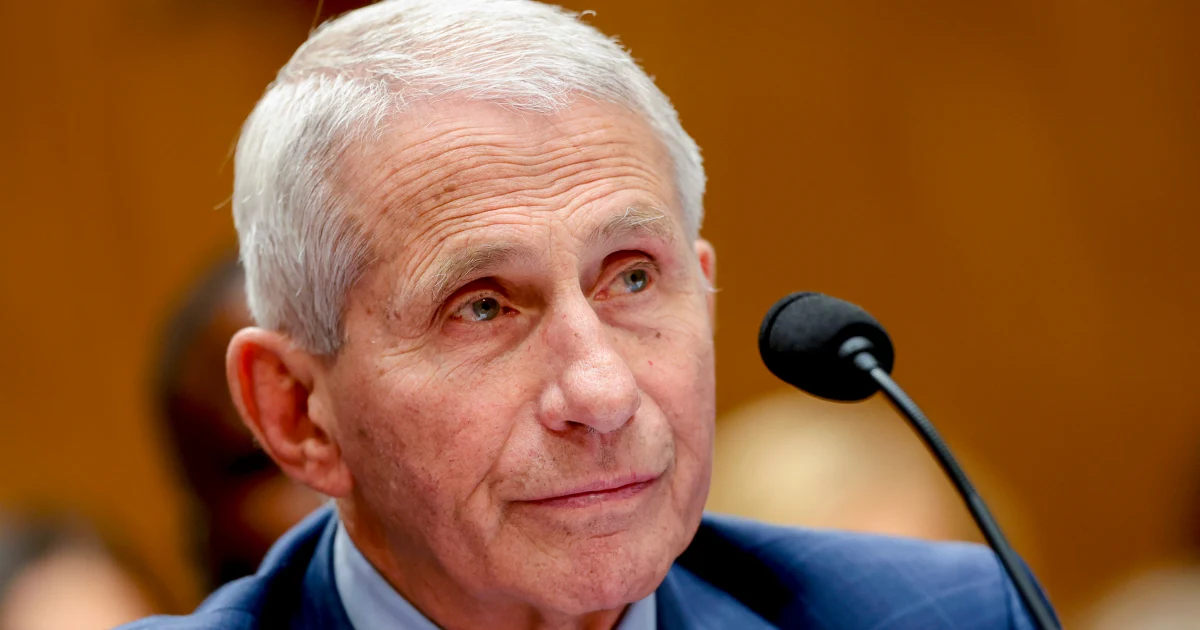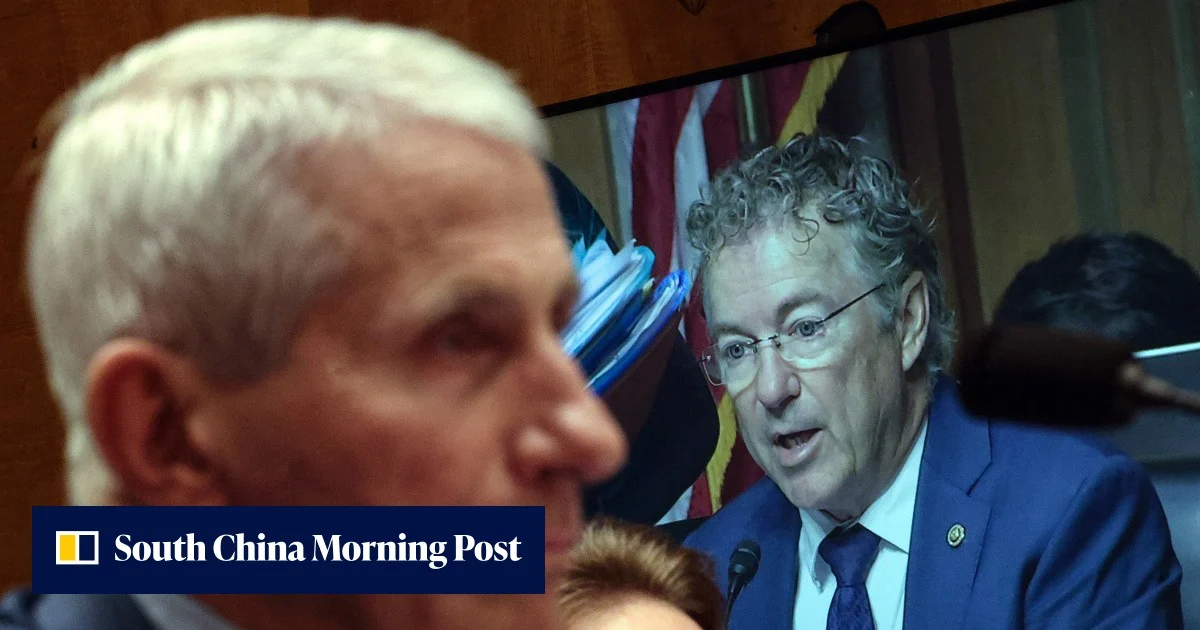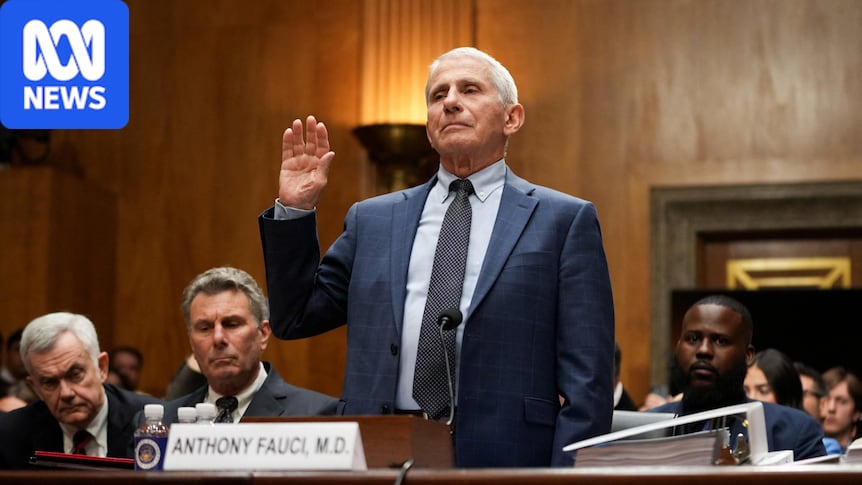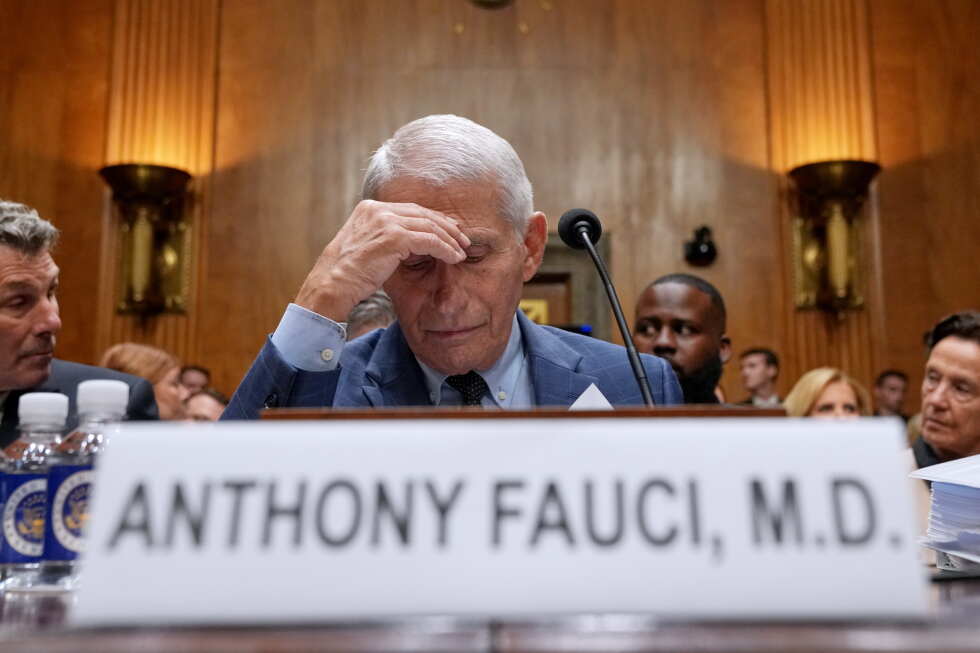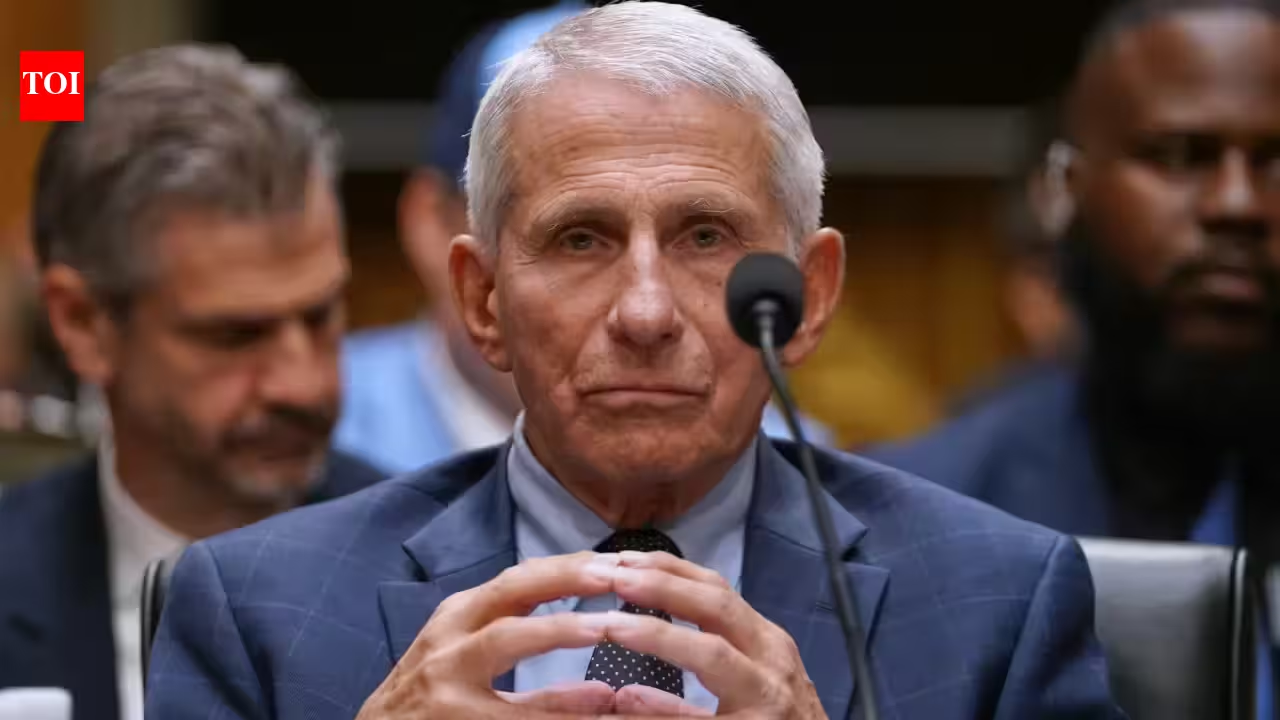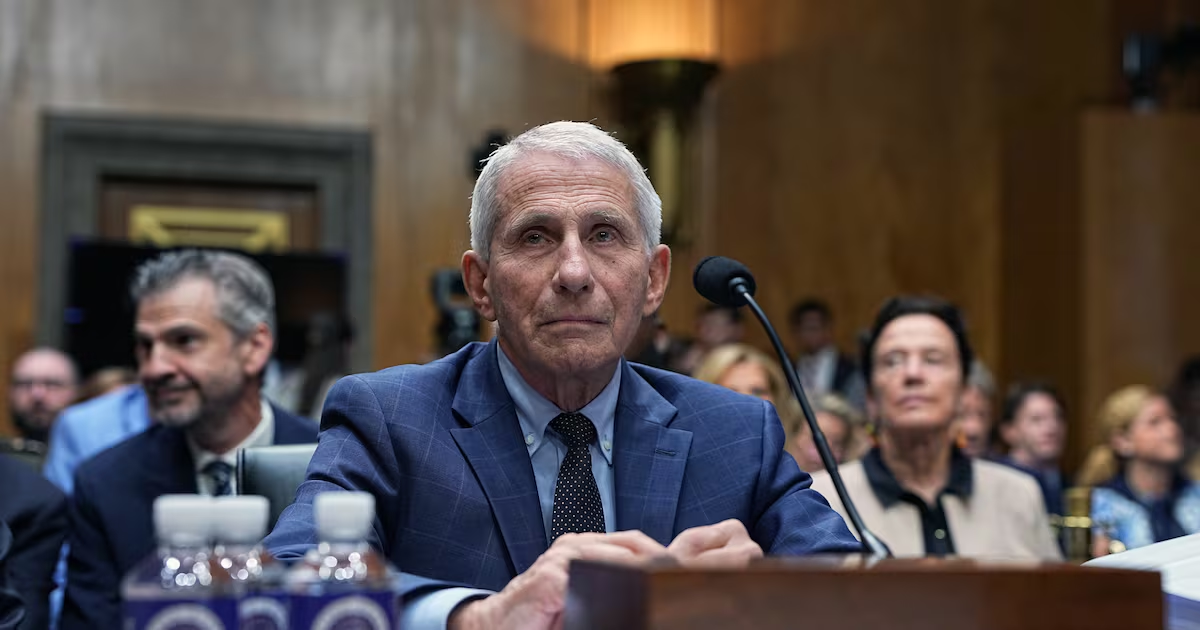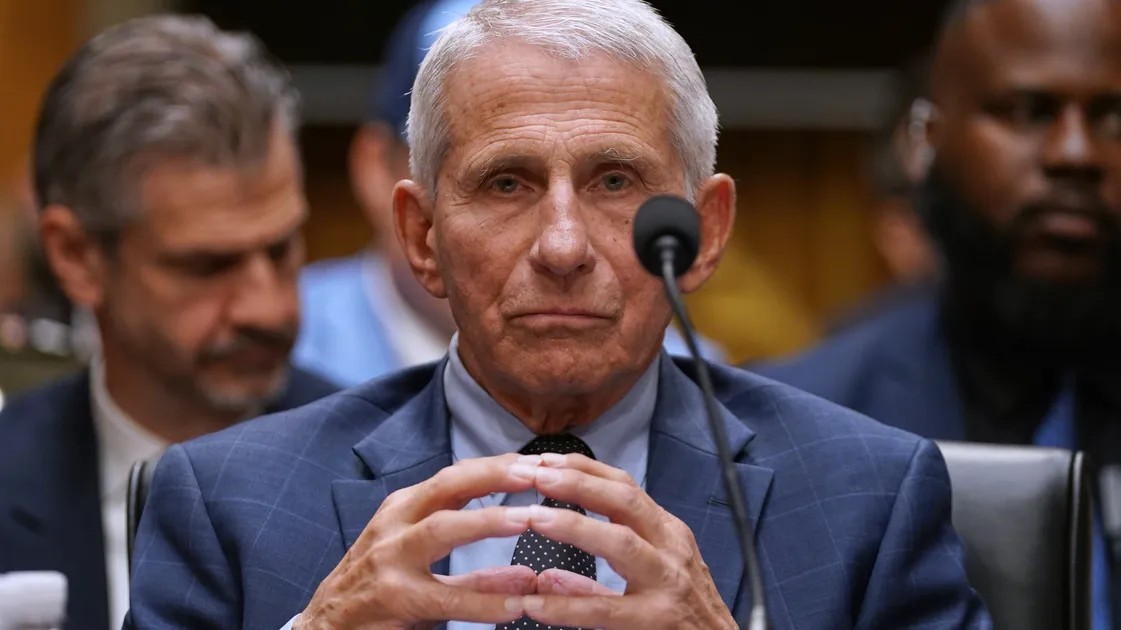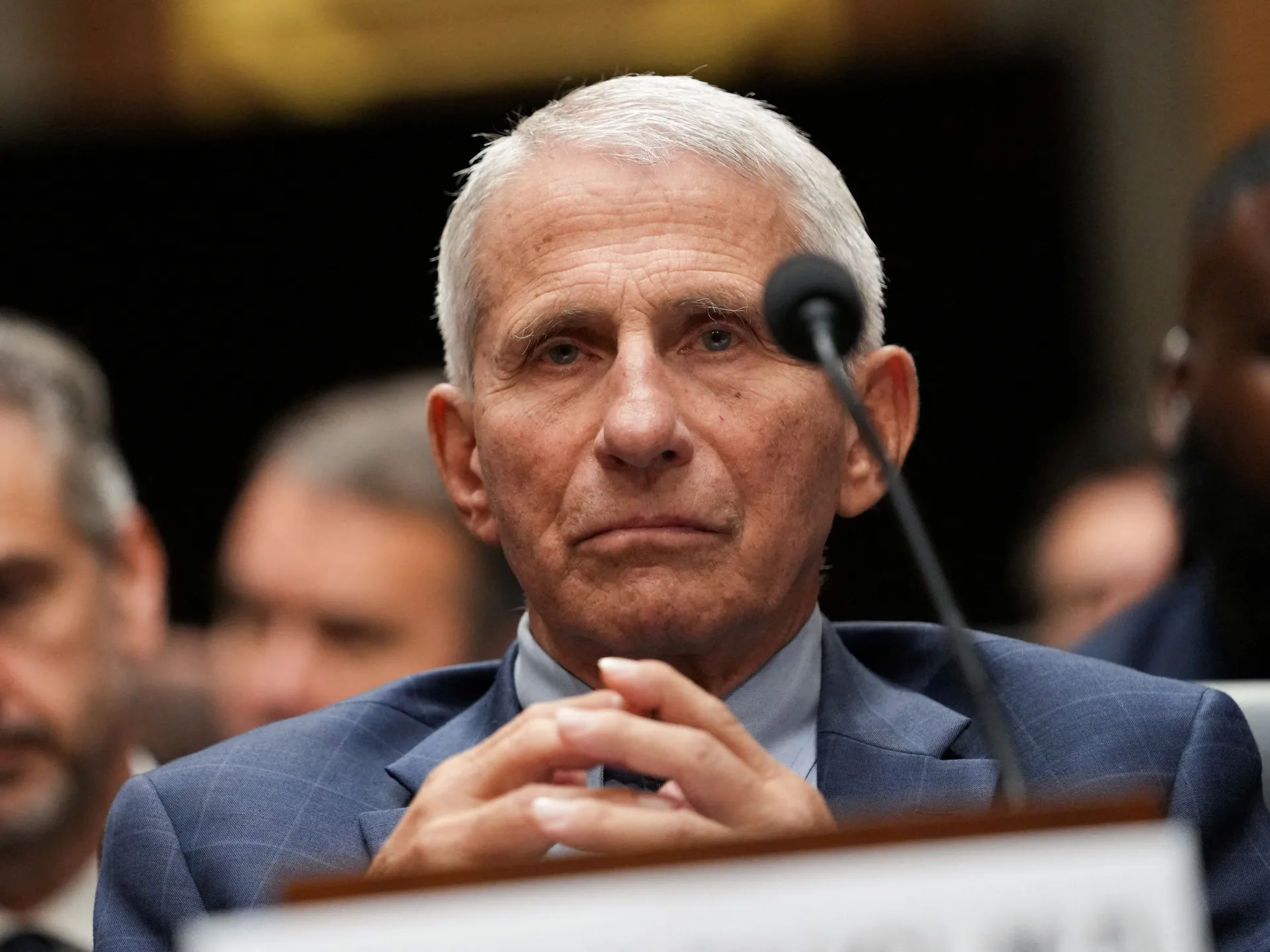
The move comes after Fauci last week refused to answer questions by Republicans during a hearing before the committee.A United States Senate panel has voted to hold former health official Anthony Fauci, a key figure in the country’s response to the COVID-19 pandemic, in contempt of Congress.The move on Thursday comes after Fauci last week pleaded the Fifth, referring to a constitutional right to remain silent, during a hearing before the Senate Committee on Homeland Security and Governmental Affairs.Recommended Stories list of 3 itemslist 1 of 3Fauci invokes Fifth Amendment in heated COVID-19 Senate hearinglist 2 of 3US Senate’s Fauci hearing renews COVID origin debate but reveals littlelist 3 of 3Why did Anthony Fauci invoke the Fifth Amendment? US hearing explainedend of listFauci, the former Director of the National Institute of Allergy and Infectious Diseases (NIAID), had charged the Republican-led hearing was designed to entrap him. He had previously been pre-emptively pardoned by former US President Joe Biden.Fauci accused the committee head, Republican Senator Rand Paul of Kentucky, of having an “unhinged obsession” with him, arguing he had previously cooperated in several congressional hearings and investigations following the pandemic.“The only conclusion I can reach is that the sole reason he is calling me before this committee is to get me to say something – anything – that could vindicate his repeated public pledges that I end up, in his words – quote – ‘behind bars,’” Fauci said.Following the vote on Thursday, the panel could refer Fauci to the Department of Justice for possible criminal prosecution, although the law enforcement agency will ultimately decide whether to move ahead with those charges.Speaking ahead of Thursday’s vote, Democratic Senator Richard Blumenthal of Connecticut said there was “virtually no chance that a court would actually approve any contempt because [Fauci] had a well-founded fear of self-incrimination, which entitled him to invoke the Fifth Amendment”.Rand, meanwhile, argued that Fauci’s decision to deliver an opening statement decrying the hearing, before invoking his Fifth Amendment right during questioning, showed he was “trying to have it both ways”.Democrats and critics have charged that last week’s hearing, which comes six years after the pandemic spread across the US, was a purely political exercise that shed no new light on the issue.Several Republicans have for years accused Fauci of leading an intentional effort to mislead the public on the origins of the COVID pandemic, charging he downplayed the possibility the virus may have emerged from a lab in Wuhan, China, and not from a nearby wet market via natural animal-to-human transmission. Fauci has denied he ever outright dismissed the so-called “lab leak” theory.The origin of the virus remains unknown, but surveys show a majority of experts in the field believe available evidence indicates natural transmission over a lab leak.Nevertheless, US President Donald Trump’s White House has fully embraced the lab leak theory, launching a website last year highlighting several claims that experts say pave over the nuance of the debate.Trump’s Health and Human Services Secretary, Robert F Kennedy Jr, a vaccine sceptic, has also been a top critic of Fauci. Ahead of last week’s hearing, Republicans on the Senate committee released several of Fauci’s diary entries, which had been provided by the secretary.The diaries contained no smoking gun proving Fauci intentionally misled the public, although they did include some uncomfortable revelations.That included Fauci recounting advising then New York City Mayor Bill de Blasio and an aide to California Governor Gavin Newsom on COVID restrictions, including the closing of schools and businesses. Such closures became a politically potent cause for Republicans in the wake of the pandemic.The vote on Thursday comes just three months before the midterm elections in November.
US Senate panel votes to hold former official Fauci in contempt of Congress
The move comes after Fauci last week refused to answer questions by Republicans during a hearing before the committee.
609 words~3 min read