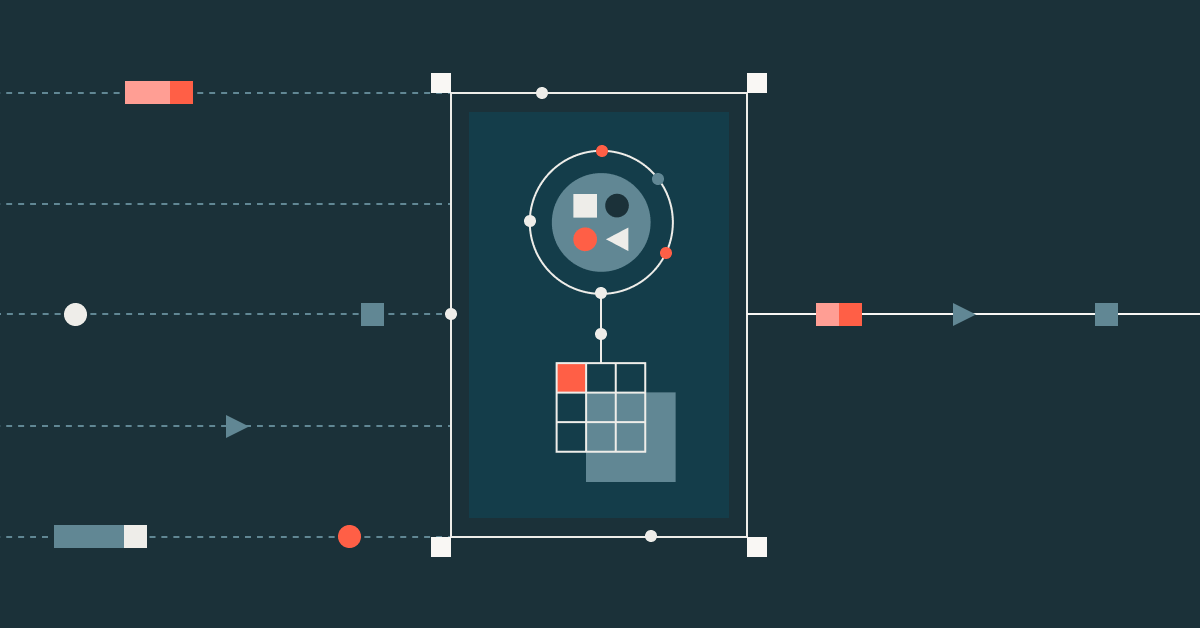
Agentic workflows are AI-driven processes that plan, execute, and refine multi-step tasks. Explore their benefits, use cases, and challenges.
by Databricks Staff
As organizations move beyond single-prompt AI interactions, agentic workflows are emerging as the operational layer that allows AI agents to plan, execute, and refine multi-step tasks autonomously. Rather than producing a single output and stopping, an agentic workflow chains reasoning, tool use, and feedback into a continuous loop, enabling systems to complete complex objectives end to end with minimal human intervention. Understanding the distinction between agentic AI vs generative AI is essential context for grasping why these workflows represent a meaningful shift in how enterprises operationalize intelligence.
For platform architects designing autonomous pipelines, strategy leaders evaluating AI investments, and builders exploring emerging patterns, understanding how agentic workflows function is the first step toward deploying them reliably. This guide covers how they work, what they're made of, and where they deliver the most value in enterprise environments.
An agentic workflow gives one or more AI agents a defined goal, available resources, and boundaries for completing the work. Unlike a chatbot that responds to individual prompts or a fixed automation that follows the same sequence every time, the agent determines its next step based on context and intermediate results.