When AI agents ask for permission to act, how often do humans actually catch the dangerous ones? A study on AI agent command approval accuracy across 40,000 simulated runs found the answer is: not nearly enough.
The Approval Gap in Agentic AI
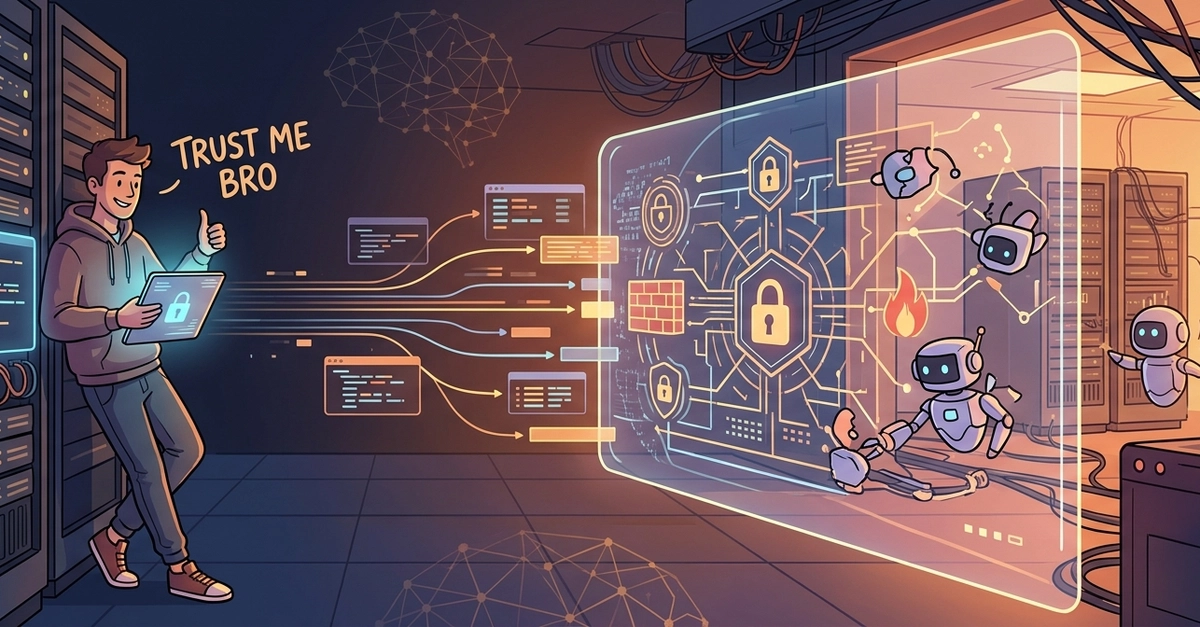
Modern AI agents - systems that don't just answer questions but take sequences of actions (browsing, writing files, calling APIs, executing code) - typically include a "human-in-the-loop" checkpoint where a person approves or rejects a proposed command before it runs. The assumption baked into most agent frameworks is that this approval step catches harmful or unintended actions. The study broke that assumption: humans missed roughly one in three genuinely threatening commands when acting as approvers.
The failure mode isn't carelessness. It's cognitive load and interface design. Approval queues move fast. Commands often look benign in isolation - delete_temp_files() sounds harmless until you realize "temp" was redefined upstream in the agent's chain. The threat only makes sense in context, and reviewers rarely have that context surfaced to them at the moment of decision.
Real Example