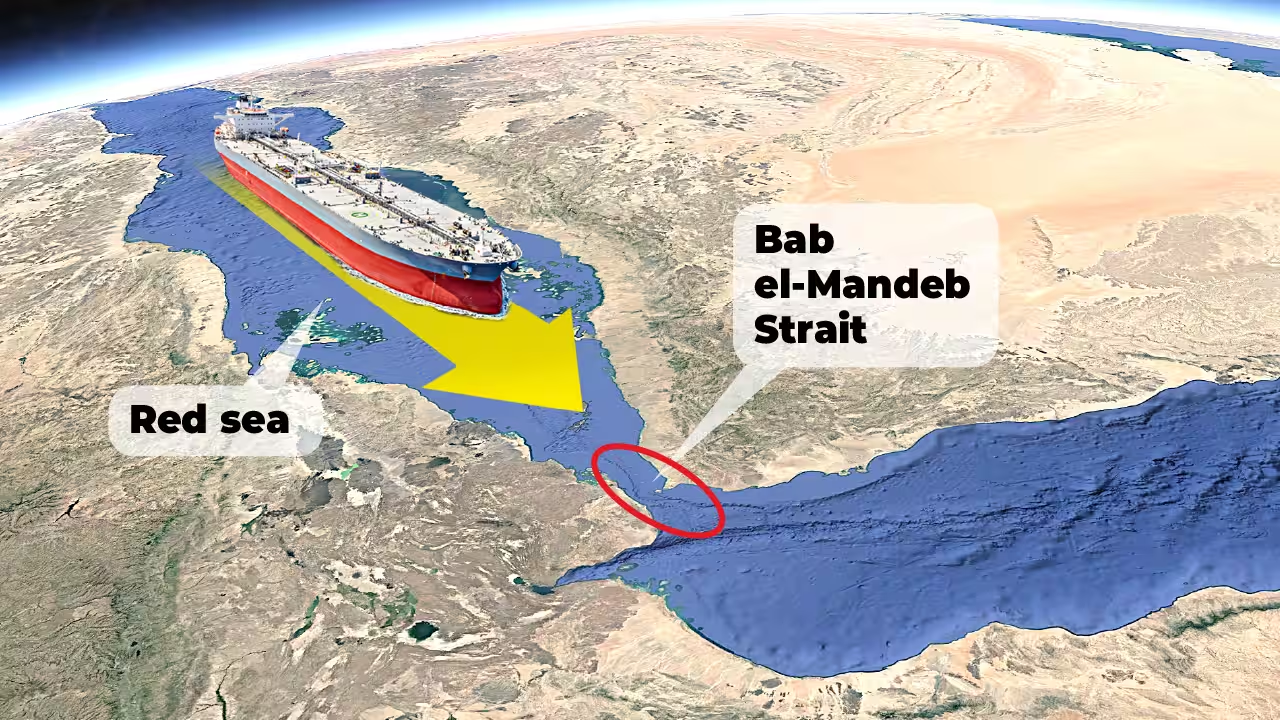
With oil exports from the Middle East still severely restricted — through both the Strait of Hormuz and, now, the Red Sea — India's options for maintaining its crude supplies have gotten riskier. India's diet of Russian barrels is growing and at a record high despite potential sanctions exposure. It will continue to source imports of crude and LPG from the Atlantic Basin, but at more expensive rates than prewar. And New Delhi looks set to continue enforcing price caps on domestic gasoline and diesel, at great cost to refiners. At the same time, Indian Prime Minister Narendra Modi's government is looking to spur fresh exploration offshore and expand the country's strategic crude stockpiles. India has had success managing disruptions to its crude supply this year, thanks largely to a decade-old strategy of diversifying its imports and reducing reliance on Mideast exporters. As a result, India has stayed relatively well supplied with crude in the five months since the conflict in the Strait of Hormuz began. LPG, an important cooking fuel for Indian households, has been a different story. India imports over 60% of its 32 million tons per year of LPG demand, with over 80% passing through Hormuz prewar. The US has been able to fill only about half of the monthly supply gap left by Mideast exporters.
Mideast Constraints Test India's Crude-Supply Strategy
India's options to replace crude barrels from the Mideast Gulf have turned very expensive, and heavy exposure to Russian imports raises the level of geopolitical risk.
219 words~1 min read