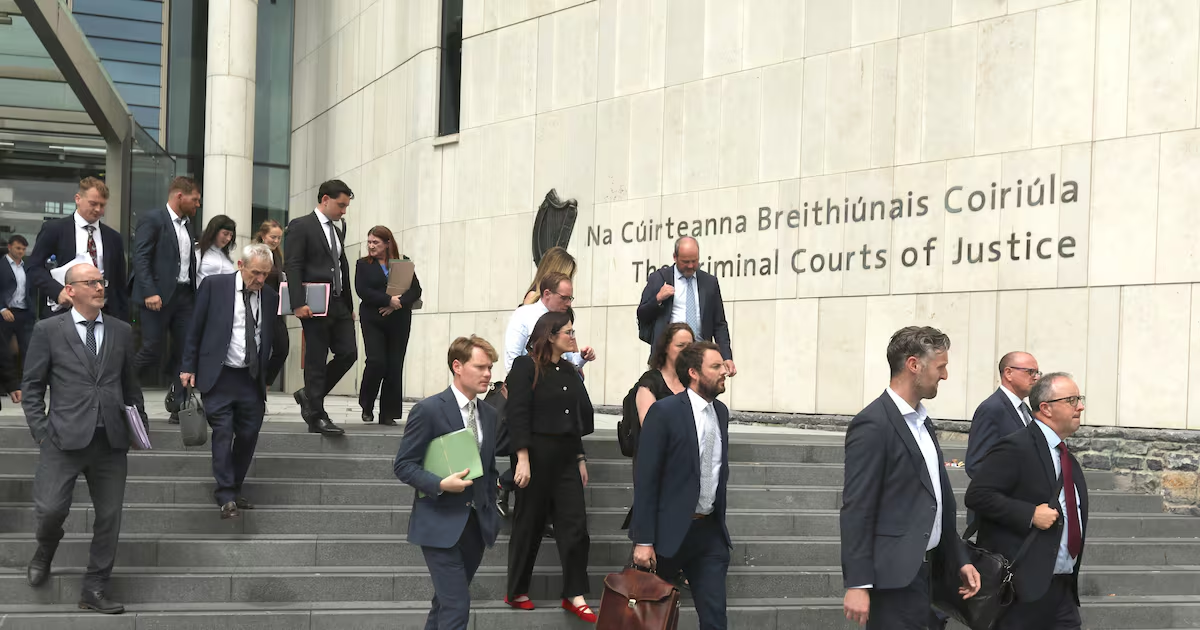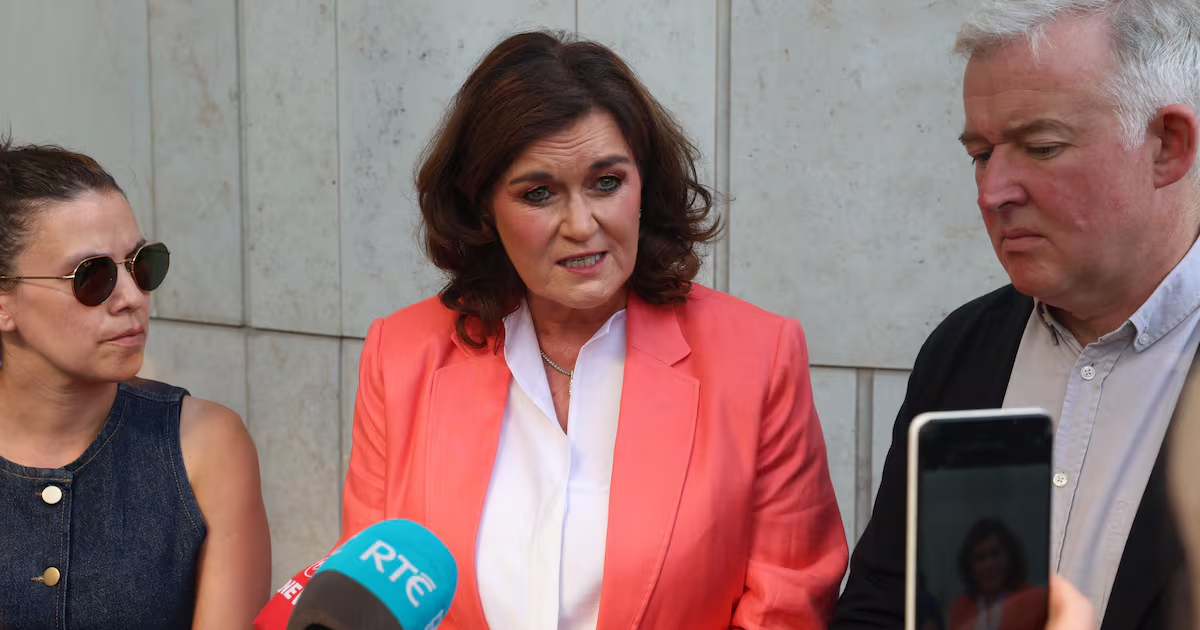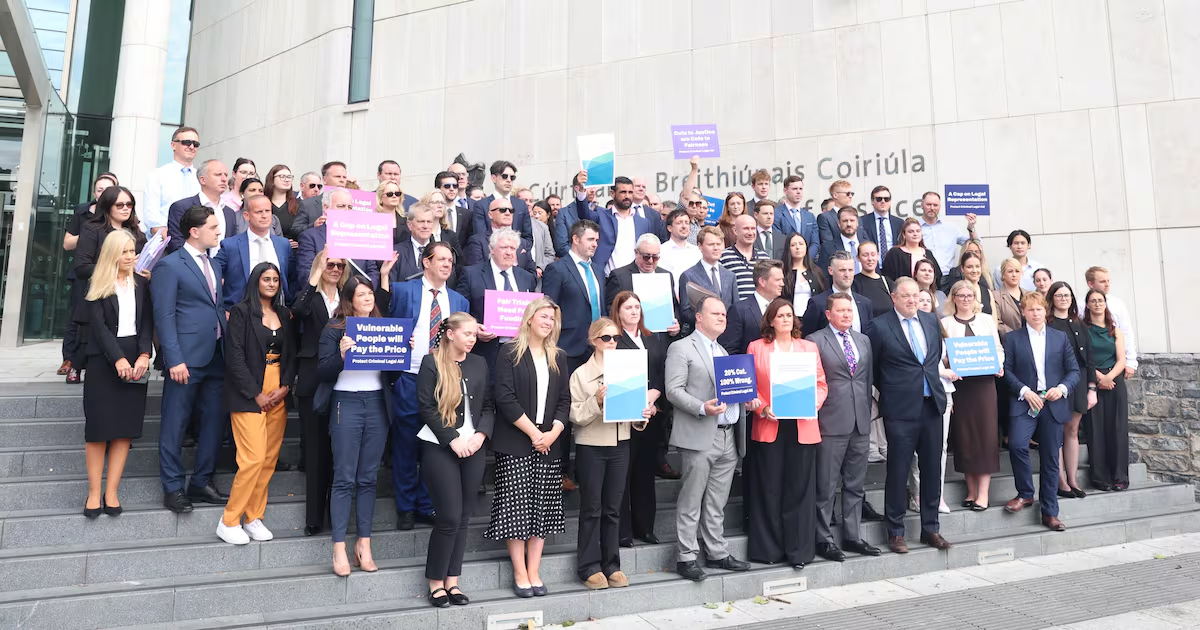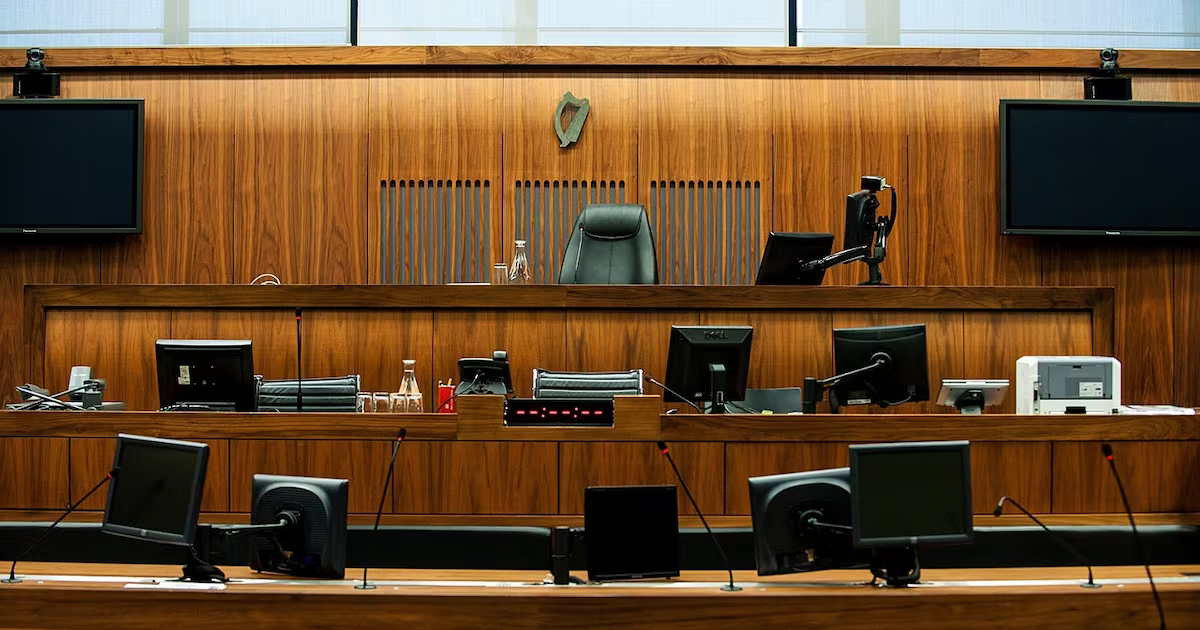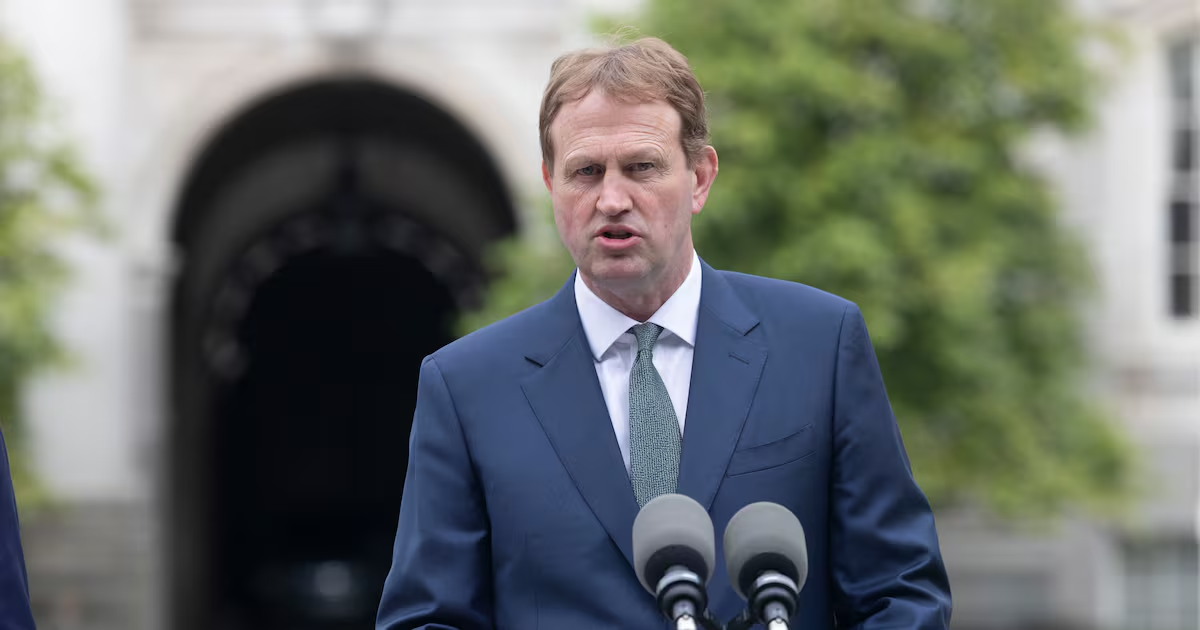
The claim that justice delayed is justice denied is attributed to William Gladstone, the 19th Century British prime minster, but its origins go back to Magna Carta, the foundation of the common law that underpins much of the Irish legal system.There is no official figure for the number of accused who have been denied justice by the withdrawal of services by criminal legal aid solicitors in response to the Government changing their fees. A flat payment of €520 fee has replaced per appearance payments.But, as just one example, the High Court last month ordered the immediate release of 11 accused, after they were left without legal representation in the District Court as a consequence of the dispute. Judge Mary Rose Gearty ruled there had been a “fundamental denial of justice”.The ruling sent a clear signal to the Minster for Justice Jim O’Callaghan and the Law Society – which represents the solicitors – that the standoff cannot continue without serious consequences for the administration of justice.Solicitors providing criminal legal aid should not need reminding of their duties both to the court and their clients. They have argued that accepting the Minster’s proposal will, in time, undermine the legal aid system and access to justice. The inference is that solicitors will take other work out of economic necessity. It is a somewhat self-serving argument and the wholesale withdrawal of services in this context is not justified.There have been talks between the two sides, but the dispute looks set to rumble on over the summer when the courts are in recess. However, courts dealing with offences and procedures which frequently involve free legal aid solicitors – such as bail hearings – will continue to sit and justice risks being further denied.The solicitors’ representatives have raised some legitimate issues around the one size fits all approach adopted under the new regime. O’Callaghan has made some concessions about the timing of payments, but ultimately the Minster will not and cannot back down. The political damage of being seen to retreat in the face of white-collar industrial action is obvious and will not sit well in the wider context of the public sector pay talks.The more fundamental reason is that court cases in Ireland take far longer than they should by comparison with European norms. The old system of criminal legal aid payments has been identified as a factor in the delays as it can create a perverse incentive for solicitors to string out cases.Any credible counter proposal from the Law Society must meet the Minister’s objective of speeding-up cases and cutting the costs to the exchequer. To date, no such proposals have been forthcoming. A return to the status-quo is not an option. The Minister should stick to his guns.
The Irish Times view on the legal aid dispute: Minister should stick to his guns
Any credible proposal from the Law Society must cut costs and speed up cases
455 words~2 min read