Table of Contents
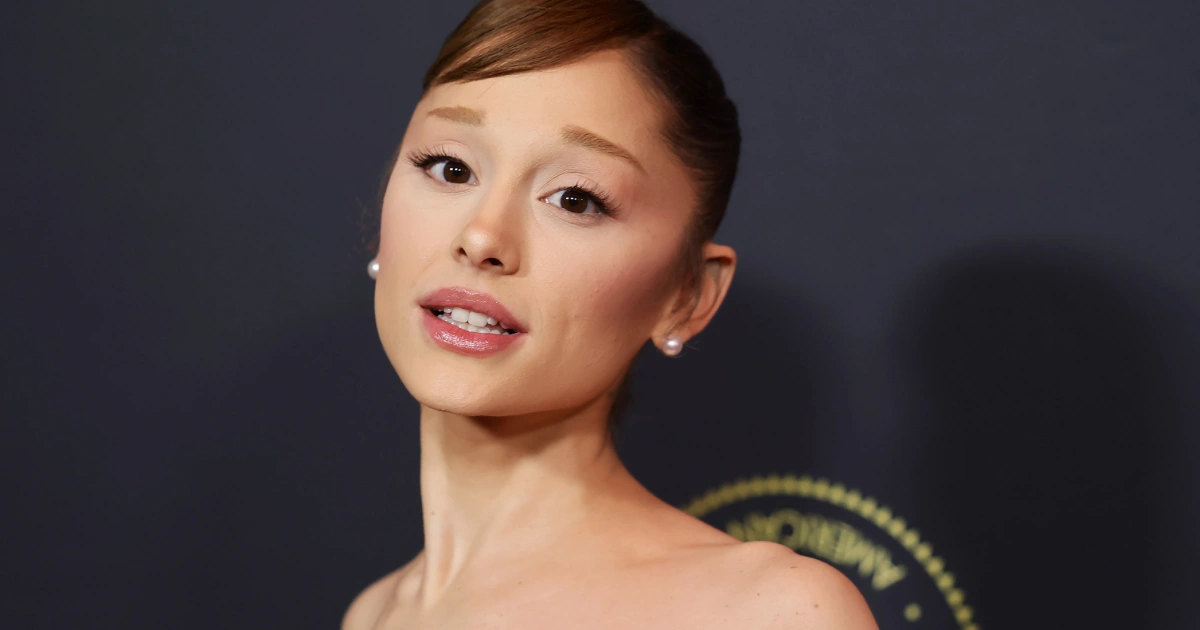
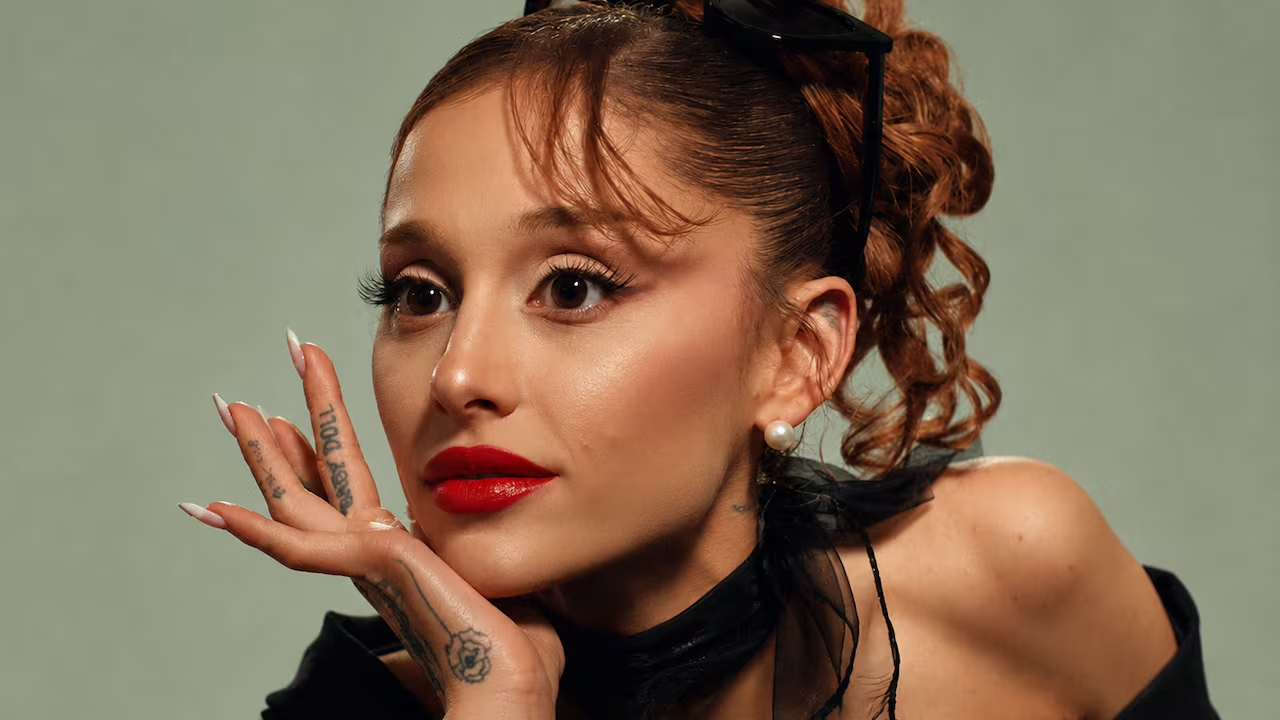
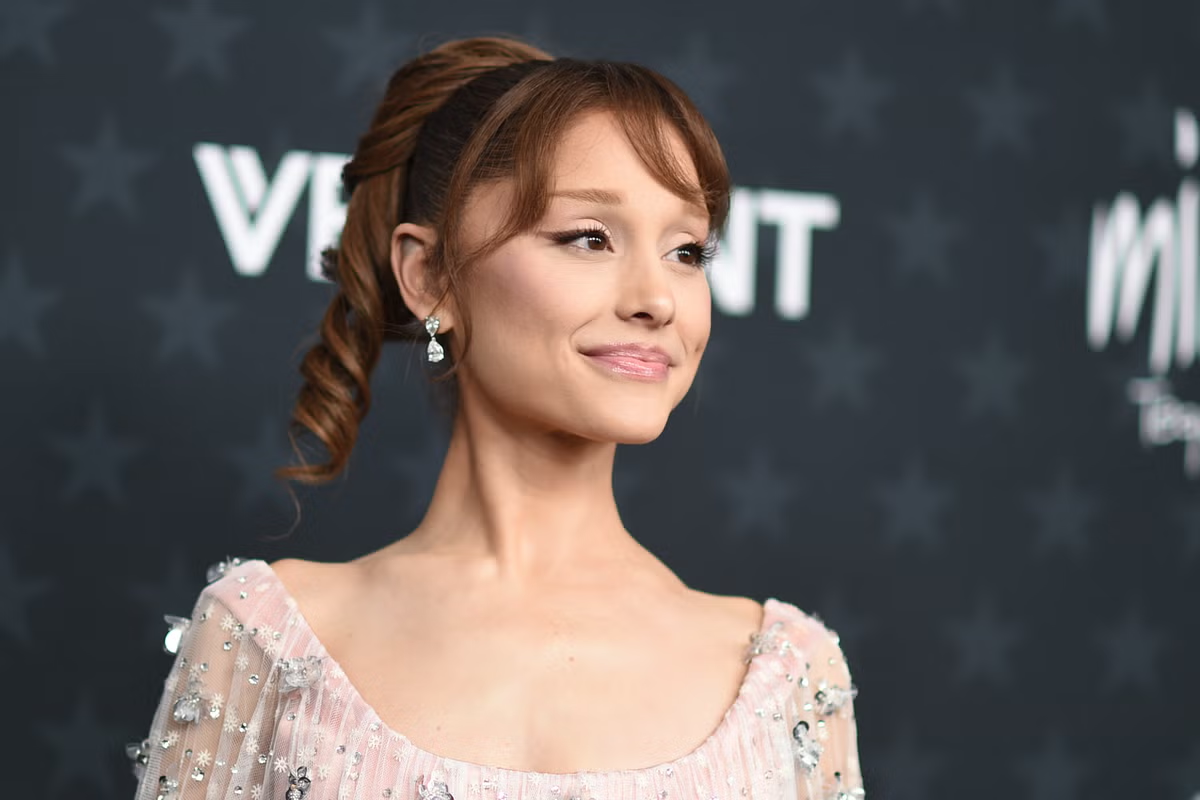
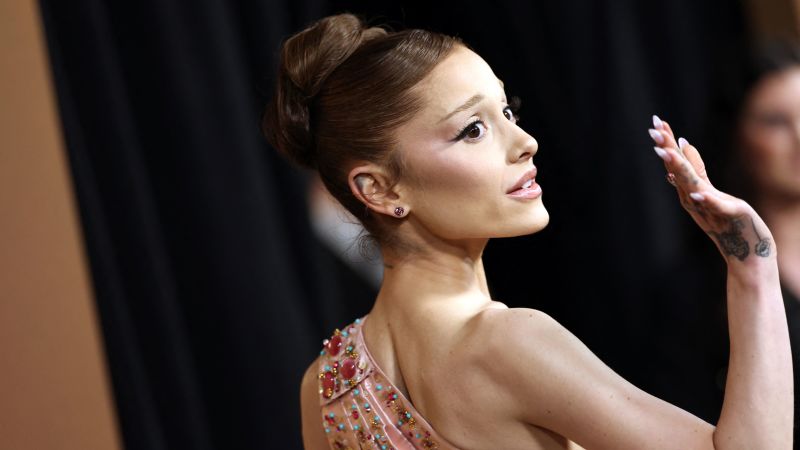
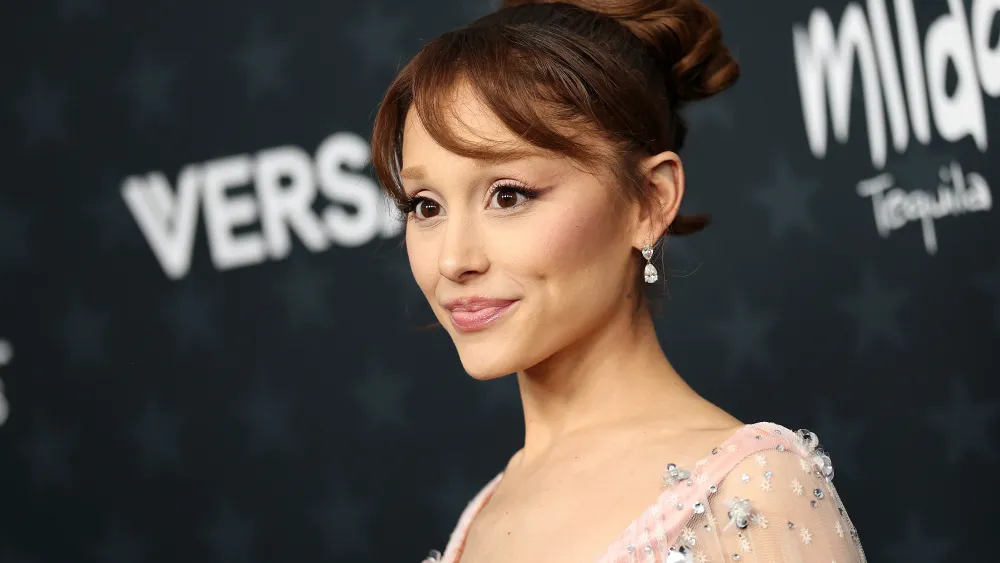
We need to talk about Ariana Grande. Quite literally, the recent nonstop internet discourse about Grande suggests an urgent need to name what's happening to the movie and pop star's body. Concern mounted in recent weeks as Grande posted Instagram photos of her physique while performing on tour. Some worried the singer was disappearing before their eyes.
You May Also Like
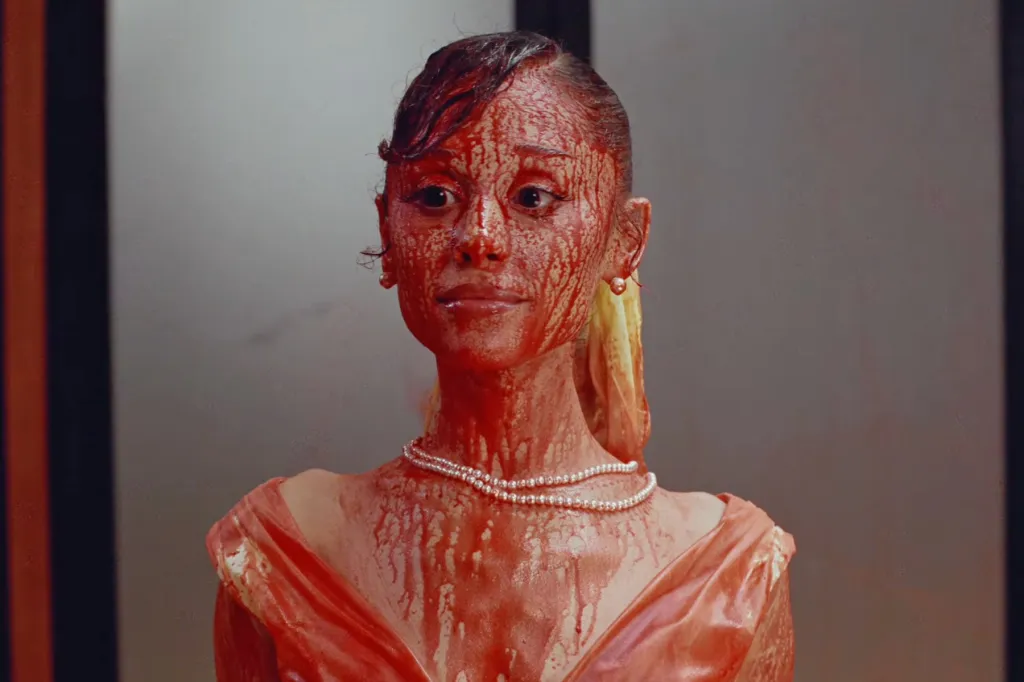
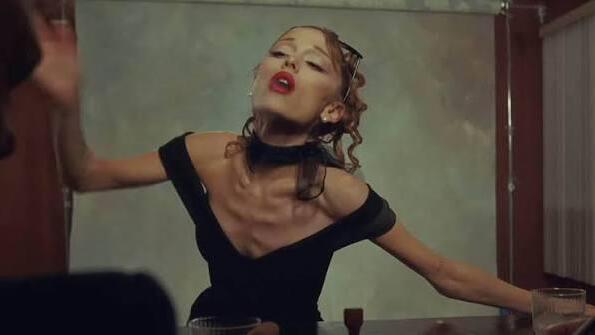
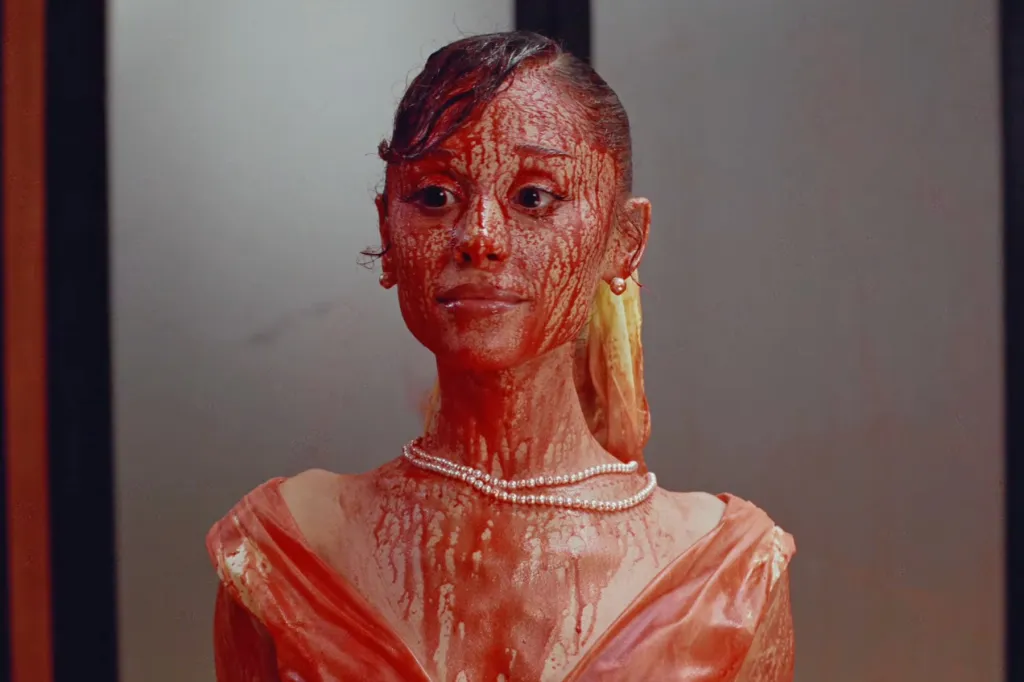
Then Grande released the music video "Petal." The imagery in the seven-minute-long film prompted worried fans and onlookers to claim Grande has an eating disorder, though she's never shared such information. Rather, Grande has previously pleaded with the public not to comment on her body. The furor led to an announcement from her team Sunday that she'd be "taking a step back from visibility" following the end of her tour next month. How to respond to imagery of Ariana GrandeEating disorder experts who spoke to Mashable say the public shouldn't judge or diagnose Grande, including on social media."We have no idea what's what's going on in people's lives, and I think it's very dangerous when we make assumptions," said Johanna S. Kandel, founder and CEO of the National Alliance for Eating Disorders. The temptation to fixate on or post about Grande, even out of genuine concern, is strong. She's one of the world's most famous celebrities, adored by young girls and women who may aspire to look like her. Grande is also a businesswoman with a distinctly curated image, repping brands like Swarovski and her own cosmetics company, r.e.m. beauty. She possesses immense cultural power. Still, there's another way to respond to the debate over the singer's health: We should name what's happening to us as a result, said Dr. Elizabeth Wassenaar, regional medical director of the Eating Recovery Center. After all, Grande's appearance and the public reaction to it can feel legitimately confusing and painful. That's why it's important to identify how imagery of Grande, along with the related online discussion, makes us feel about ourselves and the people we love — including those who may live with an eating disorder, be in recovery from one, or face fat phobia and discrimination because they live in a larger body. "We don't want to to squelch the conversations [about] the feelings that are being brought up in people as they're viewing these images," Wassenaar told Mashable. She added that the feelings can include concern, disgust, and even jealousy.Those emotions are an opportunity to take stock, support loved ones particularly affected by the controversy, and learn more about eating disorders. The relationships that really matterWassenaar understands the vocal concern about Grande. Some people have a parasocial relationship with her. Others fear staying silent will normalize the imagery of her. Wassenaar believes the collective unease demonstrates concern for Grande as a human. Then there's worry for loved ones exposed to content that could potentially trigger an eating disorder relapse or curiosity about food restriction and dieting.