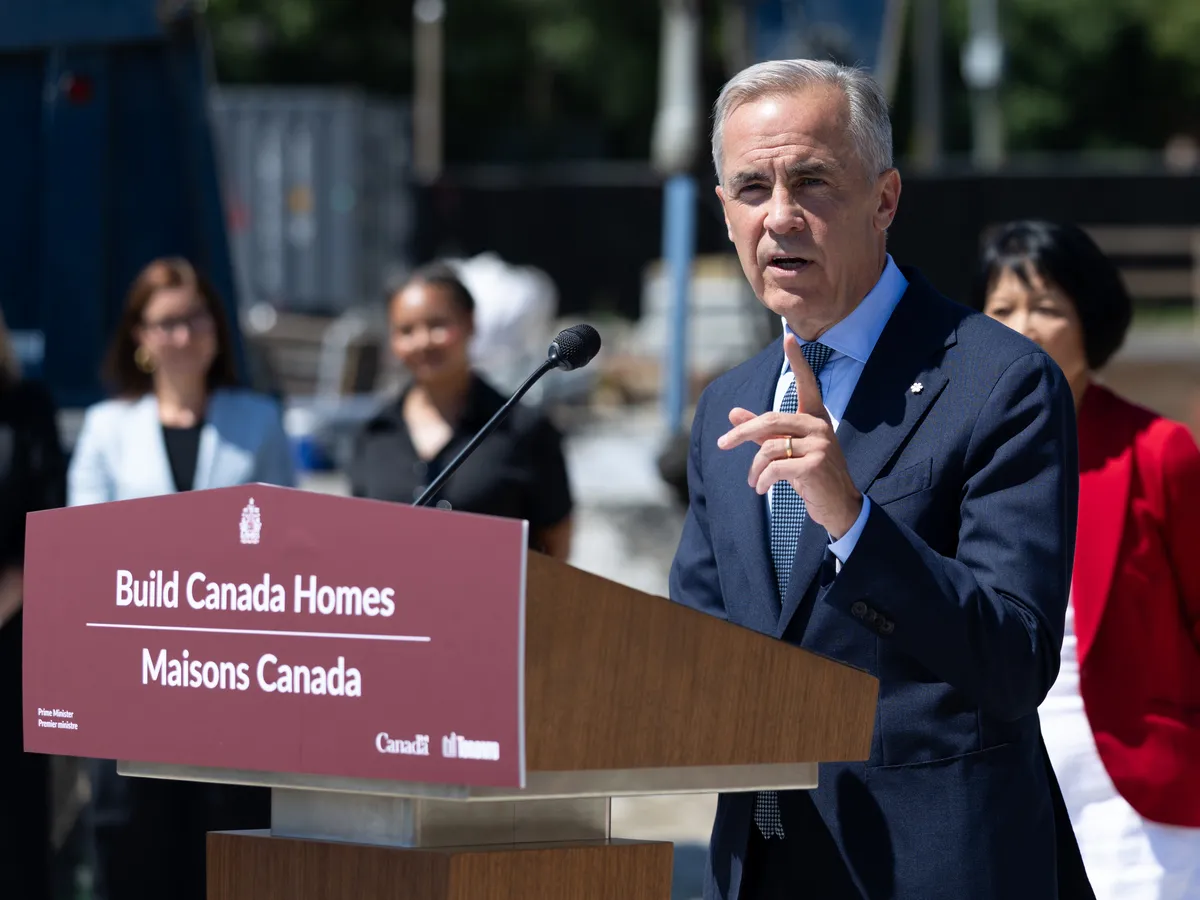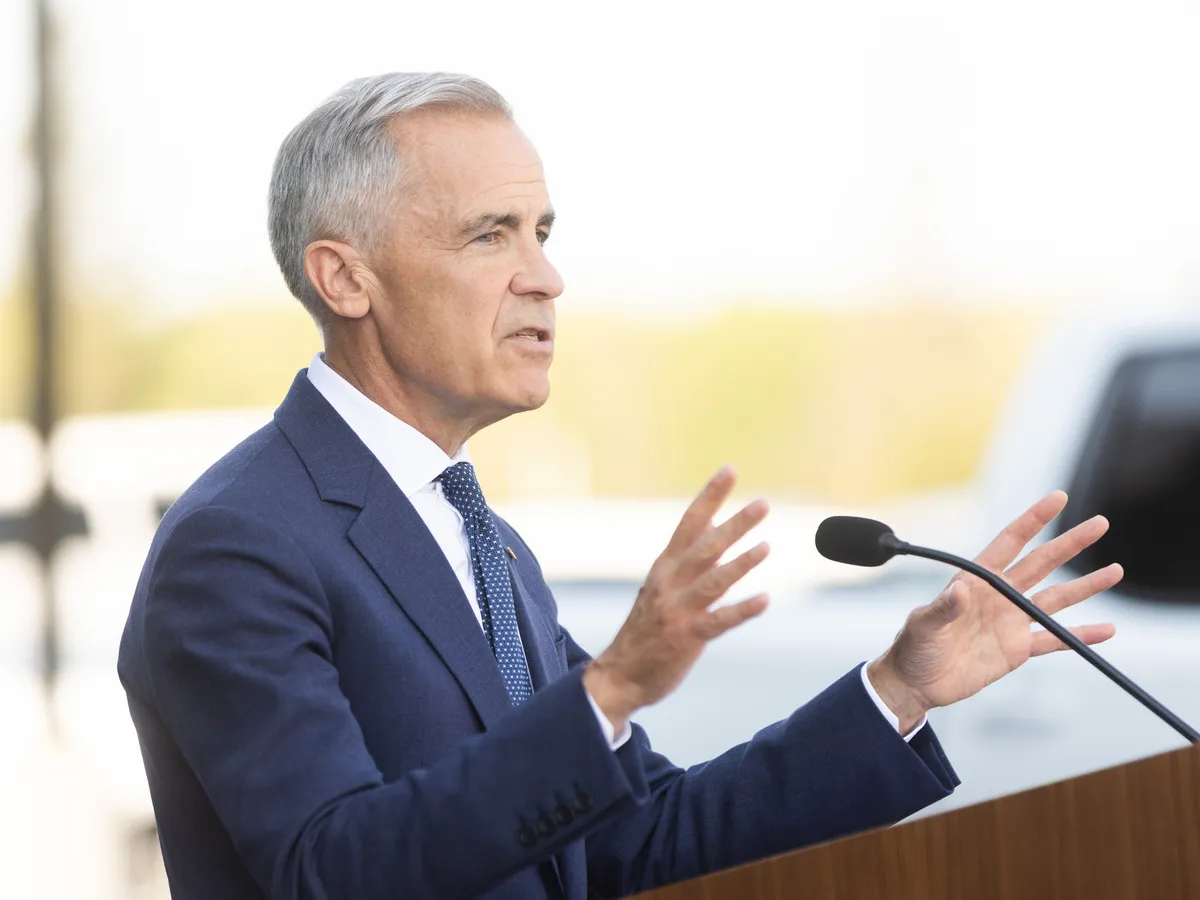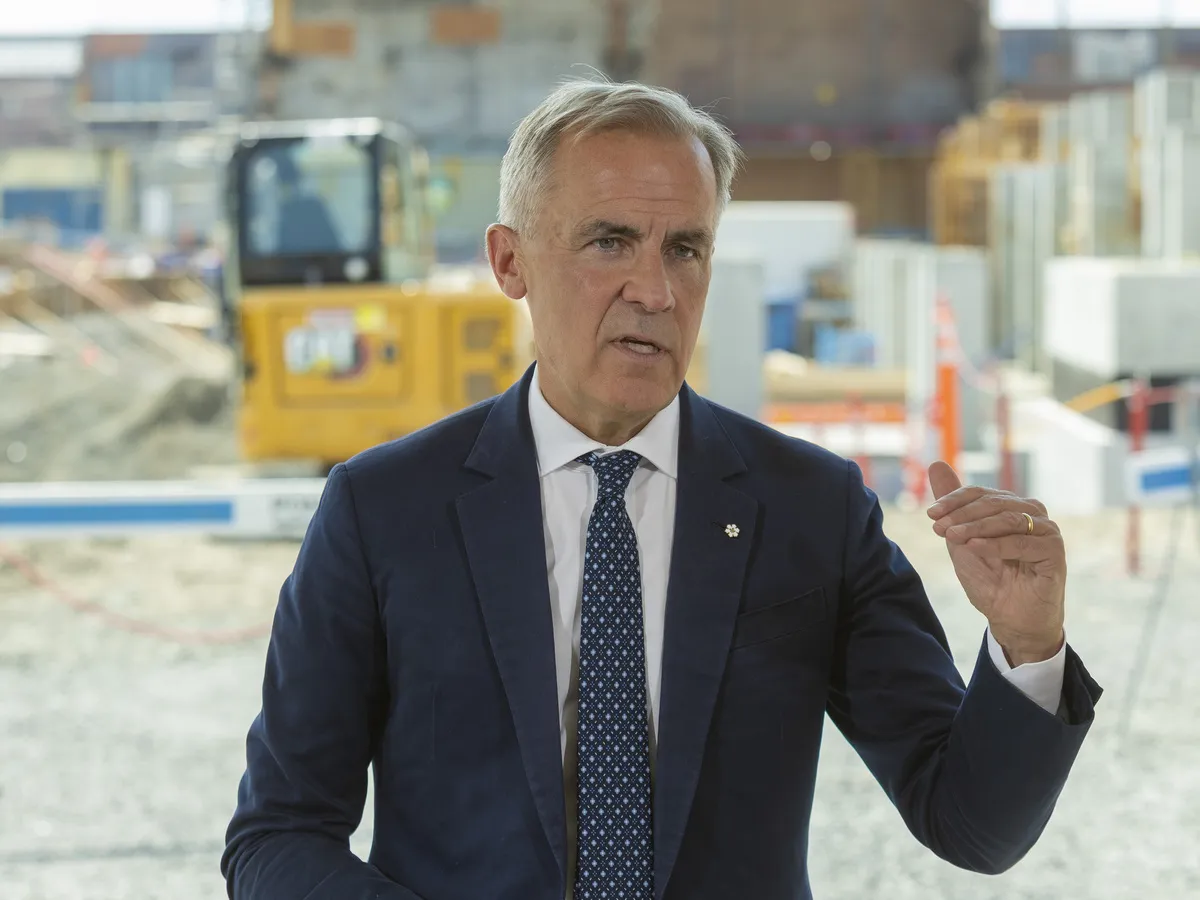
Skip to Content News Archives Economy Energy Oil & Gas Renewables Electric Vehicles Mining Commodities Agriculture Real Estate Mortgages Mortgage Rates Finance Banking Insurance Fintech Cryptocurrency Work Wealth Smart Money Wealth Management Investor Personal Finance Family Finance Retirement Taxes High Net Worth FP Comment Executive Women Puzzmo Newsletters Financial Times Business Essentials More Innovation Information Technology FP500 Podcasts Small Business Lives Told Tails Told Shopping Financial Post Store Obituaries Place a Notice Advertising Advertising With Us Advertising Solutions Postmedia Ad Manager Sponsorship Requests Classifieds Place a Classifieds ad Working Profile Settings My Subscriptions Saved Articles My Offers Newsletters Customer Service FAQ News Economy Energy Mining Real Estate Finance Work Wealth Investor FP Comment Executive Women Puzzmo Newsletters Financial Times Business Essentials HomeCommoditiesEconomyCarney says aluminum prices open way to trade deal with TrumpThe U.S. does not produce enough primary aluminum to meet domestic demand, and relies heavily on foreign supplyAuthor of the article:Last updated 29 minutes ago You can save this article by registering for free here. Or sign-in if you have an account.“We’re not interested in having a very targeted deal without connecting other sectors,” Mark Carney said. Photo by Francis Vachon/PostmediaPrime Minister Mark Carney said President Donald Trump’s tariff on foreign aluminum is mostly being paid by United States buyers, adding there’s a “win-win” trade deal but only if both countries can address that sector in connection with the broader trade war.Subscribe now to read the latest news in your city and across Canada.Exclusive articles from Barbara Shecter, Joe O'Connor, Gabriel Friedman, and others.Daily content from Financial Times, the world's leading global business publication.Unlimited online access to read articles from Financial Post, National Post and 15 news sites across Canada with one account.National Post ePaper, an electronic replica of the print edition to view on any device, share and comment on.Daily puzzles, including the New York Times Crossword.Subscribe now to read the latest news in your city and across Canada.Exclusive articles from Barbara Shecter, Joe O'Connor, Gabriel Friedman and others.Daily content from Financial Times, the world's leading global business publication.Unlimited online access to read articles from Financial Post, National Post and 15 news sites across Canada with one account.National Post ePaper, an electronic replica of the print edition to view on any device, share and comment on.Daily puzzles, including the New York Times Crossword.Create an account or sign in to continue with your reading experience.Access articles from across Canada with one account.Share your thoughts and join the conversation in the comments.Enjoy additional articles per month.Get email updates from your favourite authors.Create an account or sign in to continue with your reading experience.Access articles from across Canada with one accountShare your thoughts and join the conversation in the commentsEnjoy additional articles per monthGet email updates from your favourite authorsSign In or Create an AccountorU.S. aluminum prices have shot up since Trump placed a 50 per cent tariff on imports of the metal last June, Carney said, speaking to reporters outside a Rio Tinto Group aluminum facility in Quebec. Aluminum’s producer price index rose 52 per cent from June 2025 to June 2026.“Some of that is international prices, but most of that is pass-through of the tariff,” Carney said. “That’s not a good situation for American companies.”Carney said Canadian trade officials are using this context to argue that “we can discuss changes that are a win-win for the U.S. and Canada when it comes to the aluminum, steel and auto sectors, but they are connected.”“We’re not interested in having a very targeted deal without connecting other sectors,” he said.The U.S. does not produce enough primary aluminum to meet domestic demand, and relies heavily on foreign supply — especially from Canada, which accounted for 44 per cent of U.S. imports of the metal last year.Last month Trump announced plans to cut tariffs on imports of aluminum down to 25 per cent for companies that build, expand or refurbish aluminum plants in the U.S.Canadian trade officials are meeting with U.S. Trade Representative Jamieson Greer on Thursday to continue discussions ahead of an Aug. 19 deadline. Trump has threatened to put new 50 per cent tariffs on a range of Canadian goods if progress isn’t made on U.S. trade irritants by that date.Canada’s objective is to eliminate or reduce U.S. tariffs on what Carney calls “strategic sectors,” particularly metals, autos and lumber. Those goods have been hit by U.S. duties imposed by Trump using Section 232 of the Trade Expansion Act, which allows for tariffs in the name of national security.Greer and other U.S. officials have said they want to see Carney’s government address their complaints over Canada’s counter-tariffs on U.S.-made autos, trade controls on dairy, and the decision of provincial liquor agencies to take U.S. alcohol off their shelves.If a deal isn’t reached, Trump has said the new U.S. tariffs will be applied to a wide array of Canadian-made goods, including milk, hockey equipment, beer and plywood. Join the Conversation This website uses cookies to personalize your content (including ads), and allows us to analyze our traffic. Read more about cookies here. By continuing to use our site, you agree to our Terms of Use and Privacy Policy.
Carney says aluminum prices open way to trade deal with Trump
Prime Minister Mark Carney said President Donald Trump’s tariff on foreign aluminum is mostly being paid by U.S. buyers. Find out more here
855 words~4 min read