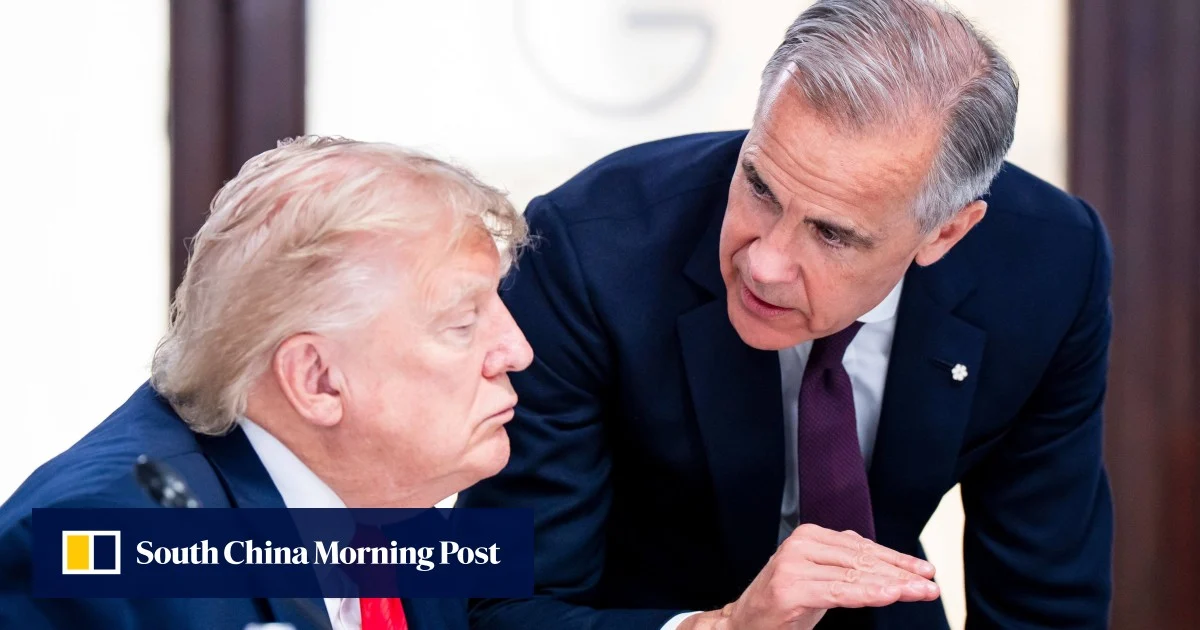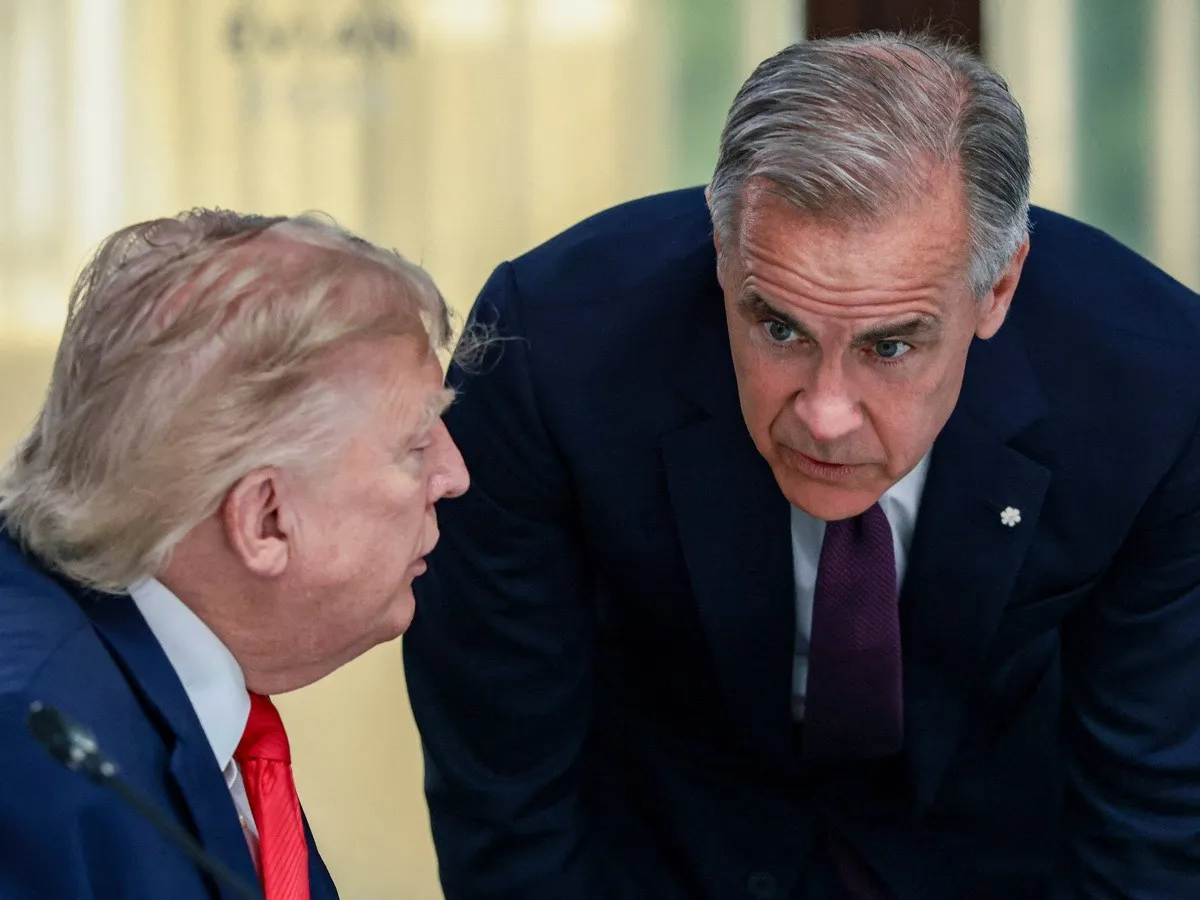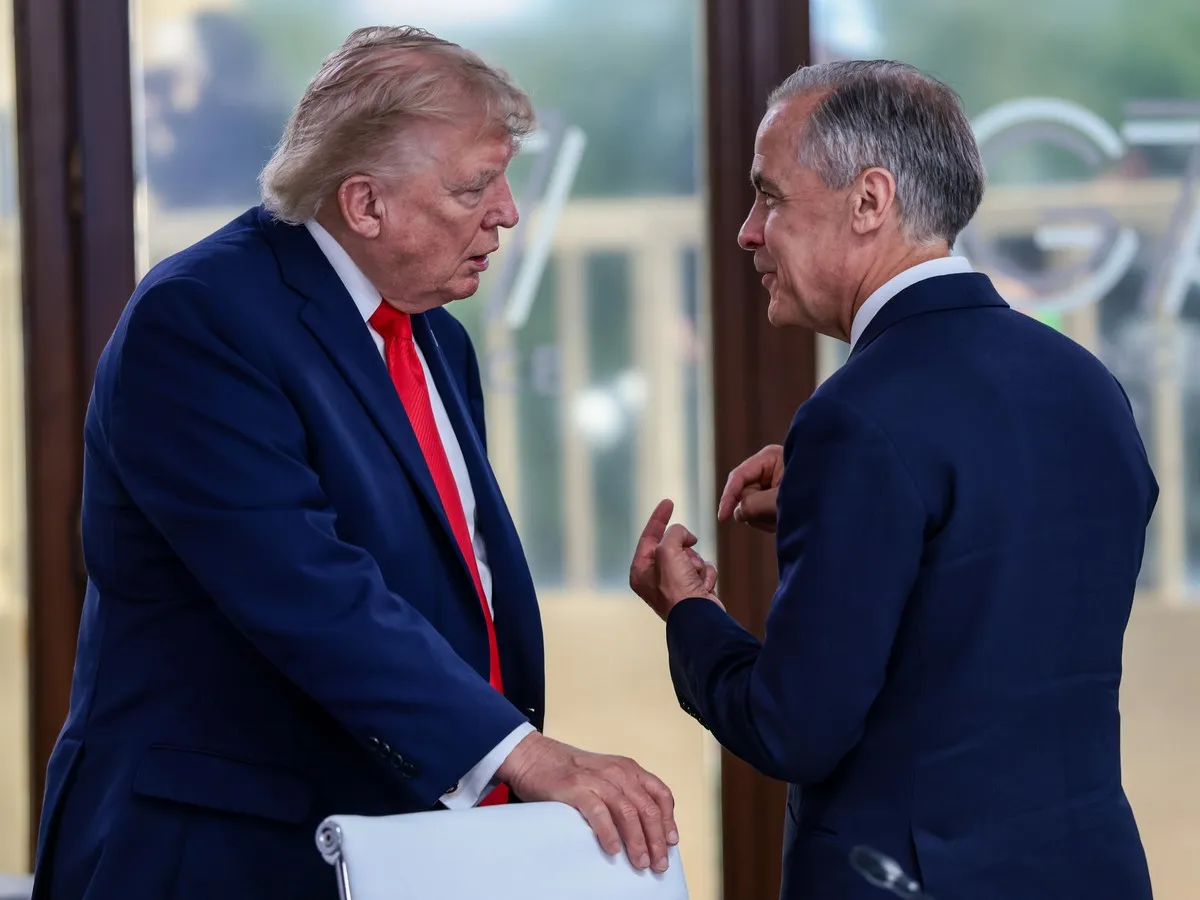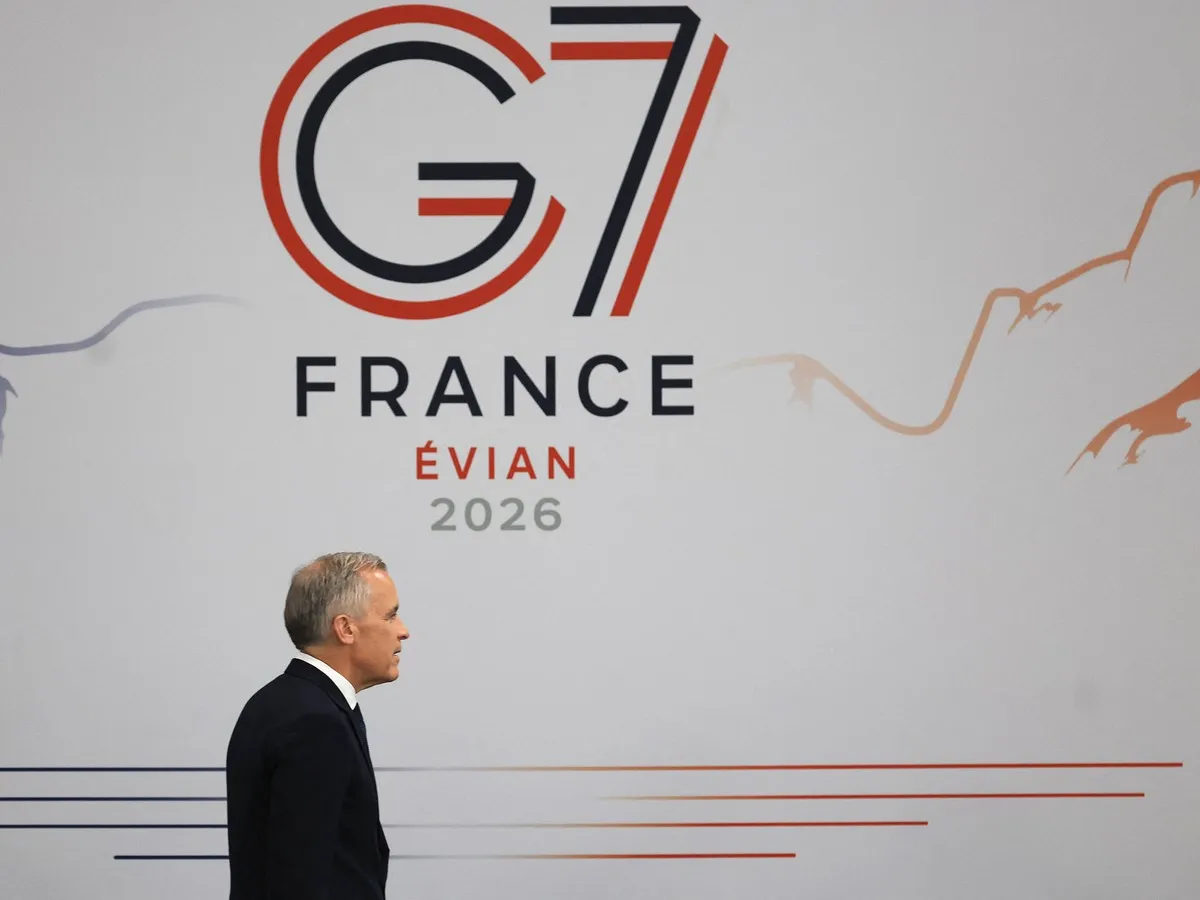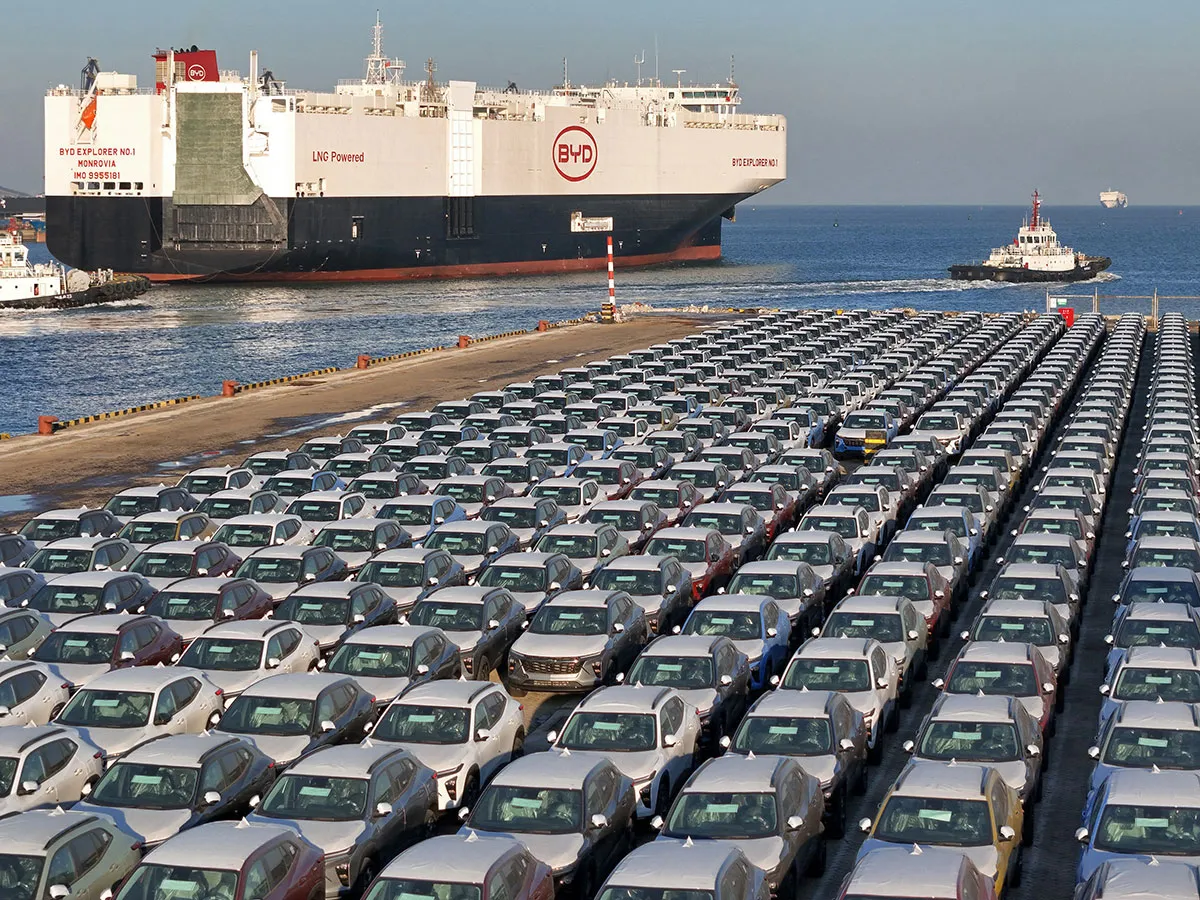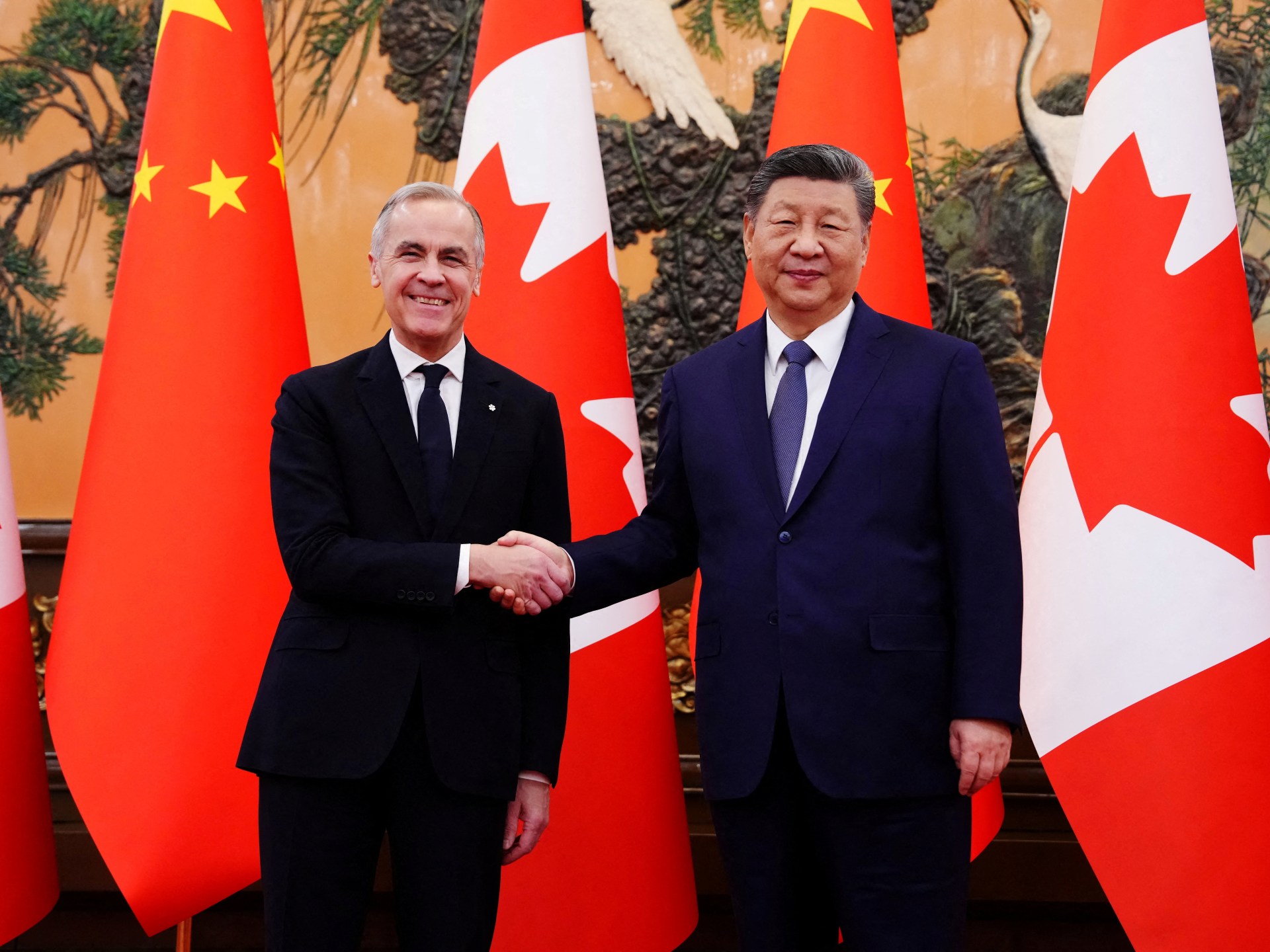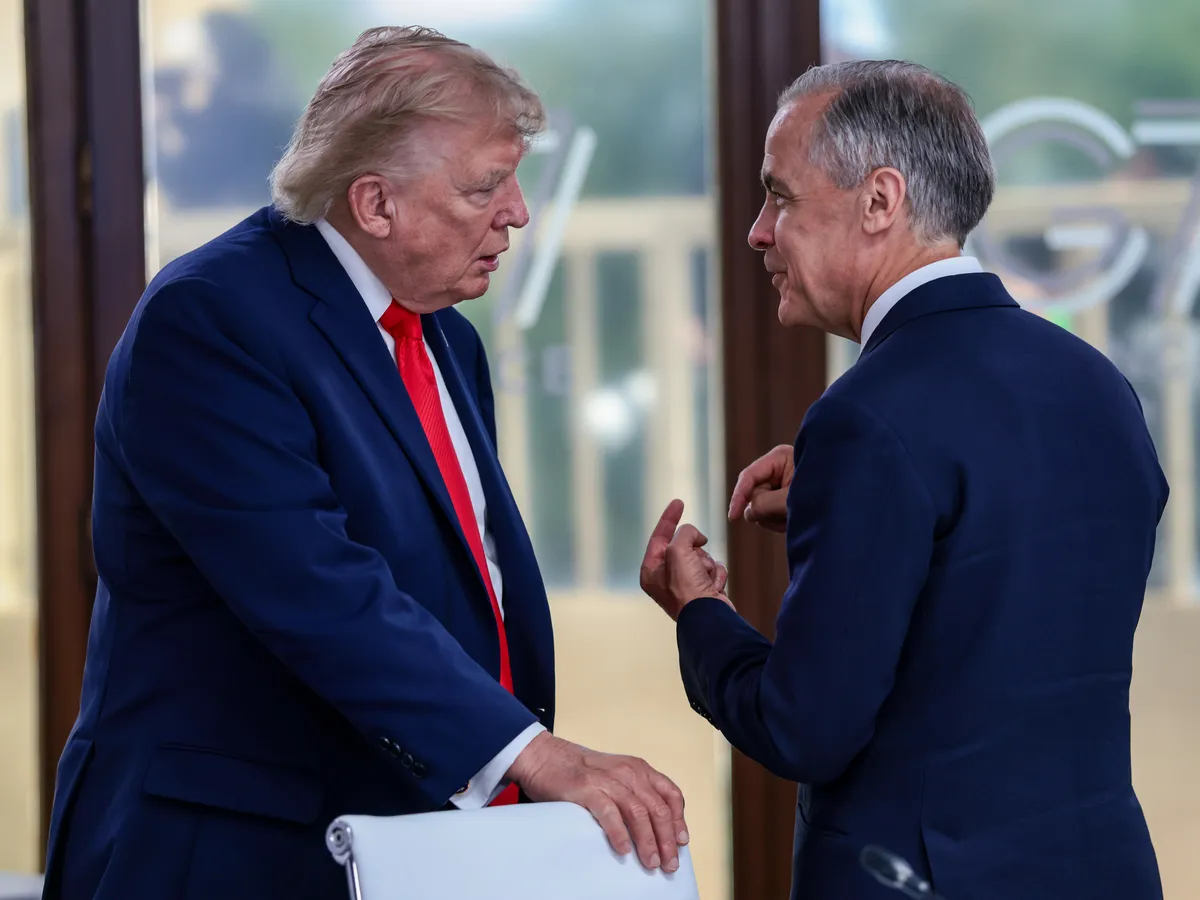
Skip to Content News Archives Economy Energy Oil & Gas Renewables Electric Vehicles Mining Commodities Agriculture Real Estate Mortgages Mortgage Rates Finance Banking Insurance Fintech Cryptocurrency Work Wealth Smart Money Wealth Management Investor Personal Finance Family Finance Retirement Taxes High Net Worth FP Comment Executive Women Puzzmo Newsletters Financial Times Business Essentials More Innovation Information Technology FP500 Podcasts Small Business Lives Told Tails Told Shopping Financial Post Store Obituaries Place a Notice Advertising Advertising With Us Advertising Solutions Postmedia Ad Manager Sponsorship Requests Classifieds Place a Classifieds ad Working Profile Settings My Subscriptions Saved Articles My Offers Newsletters Customer Service FAQ News Economy Energy Mining Real Estate Finance Work Wealth Investor FP Comment Executive Women Puzzmo Newsletters Financial Times Business Essentials HomeCommoditiesElectric VehiclesTrump likes structure of Canada's China EV deal, Carney saysThe deal allows as many as 49,000 Chinese EVs in a 12-month period at a tariff rate of around 6%Author of the article:Last updated 1 hour ago You can save this article by registering for free here. Or sign-in if you have an account.U.S. President Donald Trump speaks with Canadian Prime Minister Mark Carney at a working lunch with leaders of G7 and the Middle East, on June 16, 2026 in Evian-les-Bains, France. Photo by Evelyn Hockstein - Pool/Getty ImagesUnited States President Donald Trump is happy with Canada’s arrangement to allow a capped number of Chinese electric vehicles to be imported at a low-tariff rate, Prime Minister Mark Carney said.Subscribe now to read the latest news in your city and across Canada.Exclusive articles from Barbara Shecter, Joe O'Connor, Gabriel Friedman, and others.Daily content from Financial Times, the world's leading global business publication.Unlimited online access to read articles from Financial Post, National Post and 15 news sites across Canada with one account.National Post ePaper, an electronic replica of the print edition to view on any device, share and comment on.Daily puzzles, including the New York Times Crossword.Subscribe now to read the latest news in your city and across Canada.Exclusive articles from Barbara Shecter, Joe O'Connor, Gabriel Friedman and others.Daily content from Financial Times, the world's leading global business publication.Unlimited online access to read articles from Financial Post, National Post and 15 news sites across Canada with one account.National Post ePaper, an electronic replica of the print edition to view on any device, share and comment on.Daily puzzles, including the New York Times Crossword.Create an account or sign in to continue with your reading experience.Access articles from across Canada with one account.Share your thoughts and join the conversation in the comments.Enjoy additional articles per month.Get email updates from your favourite authors.Create an account or sign in to continue with your reading experience.Access articles from across Canada with one accountShare your thoughts and join the conversation in the commentsEnjoy additional articles per monthGet email updates from your favourite authorsSign In or Create an AccountorThe deal, unveiled during Carney’s trip to Beijing in January, allows as many as 49,000 Chinese EVs in a 12-month period at a tariff rate of around six per cent, with that quota to climb gradually over time. Prior to this year, Canada had a tariff of more than 100 per cent on those vehicles.“He likes the structure, actually,” Carney told reporters at the Group of Seven leaders summit in Evian, France, on Wednesday. “We had a follow-up conversation.”A hot mic captured Carney talking to Trump on Tuesday about the China deal and explaining how it capped the number of imported cars. “I thought you’d actually like that,” Carney was heard saying. Trump appeared to agree, saying “that’s good.”Asked Wednesday about the interaction, Carney said the topic came up because Trump inquired about it.Trump and Carney didn’t have a formal bilateral meeting during the G7, though Carney said the two had conversations throughout the summit on a “wide range of subjects.”Canada’s accord with China has been harshly criticized by members of Trump’s administration, which has kept its 100 per cent tariff on Chinese EVs in place and is implementing a ban on the cars’ software over national security concerns.And the agreement remains a sensitive subject as Canada seeks to lower Trump’s tariffs on foreign built cars.Dominic LeBlanc, the Canadian minister responsible for the talks, met with U.S. Trade Representative Jamieson Greer on the sidelines of the summit Tuesday. LeBlanc later described it as a “constructive meeting,” but was vague about whether concrete progress was made toward lowering tariffs.Meanwhile, Industry Minister Melanie Joly is in China this week, in part to meet with Chinese carmakers. The government has sought joint ventures between Chinese and Canadian firms to build EVs in Canada, but on Wednesday Carney downplayed expectations for quick results.Canada’s EV deal with China “creates the possibility — possibility, not the certainty in any way — that this commercial relationship develops, and there’s Chinese investment in Canada,” Carney said.Carney added that the investment he was referring to needed to be “material Canadian production” and that the government wasn’t interested in so-called knockdown kits, where the cars are largely built in China but then shipped overseas for final assembly.With assistance from Josh Wingrove Join the Conversation This website uses cookies to personalize your content (including ads), and allows us to analyze our traffic. Read more about cookies here. By continuing to use our site, you agree to our Terms of Use and Privacy Policy.
Trump likes structure of Canada's China EV deal, Carney says
U.S. President Donald Trump is happy with Canada allowing some Chinese EVs at a low-tariff rate, Prime Minister Mark Carney said. Read more.
883 words~4 min read