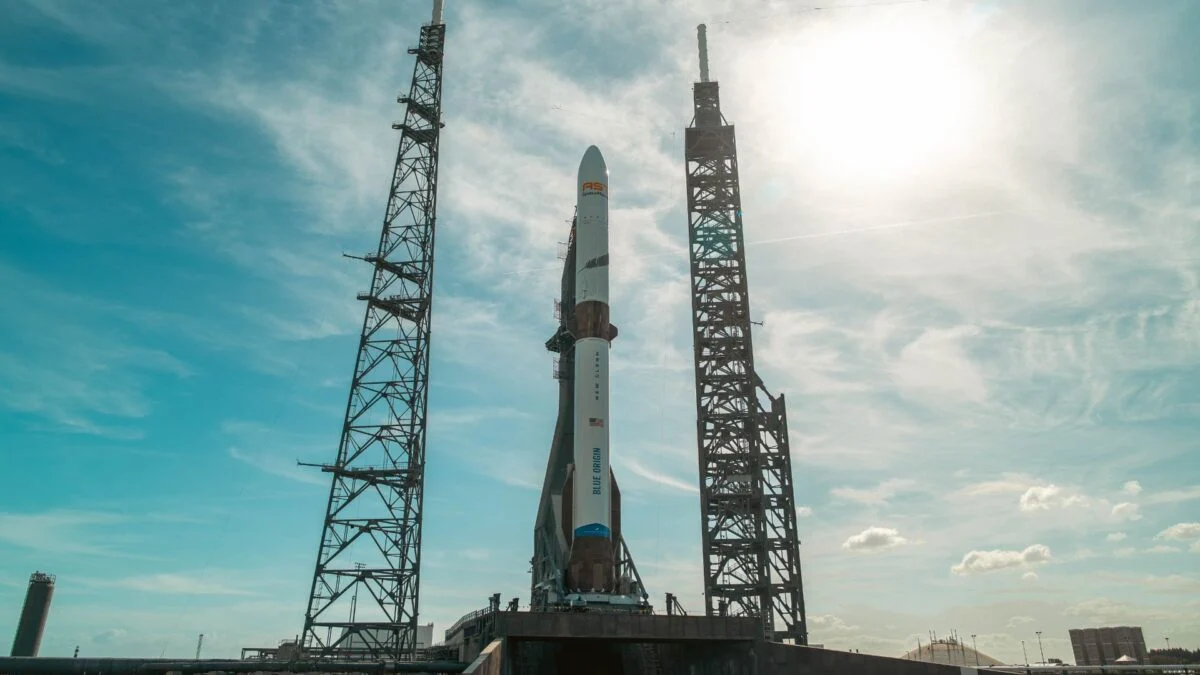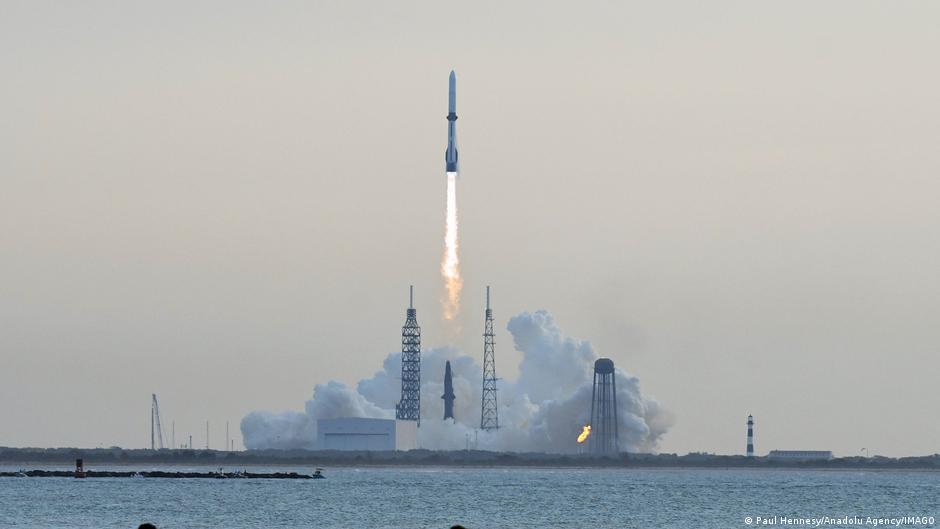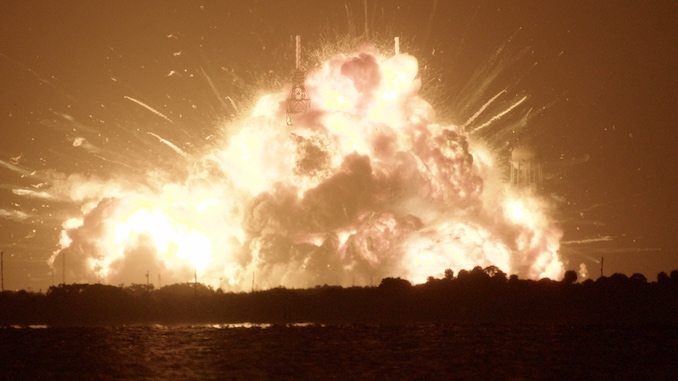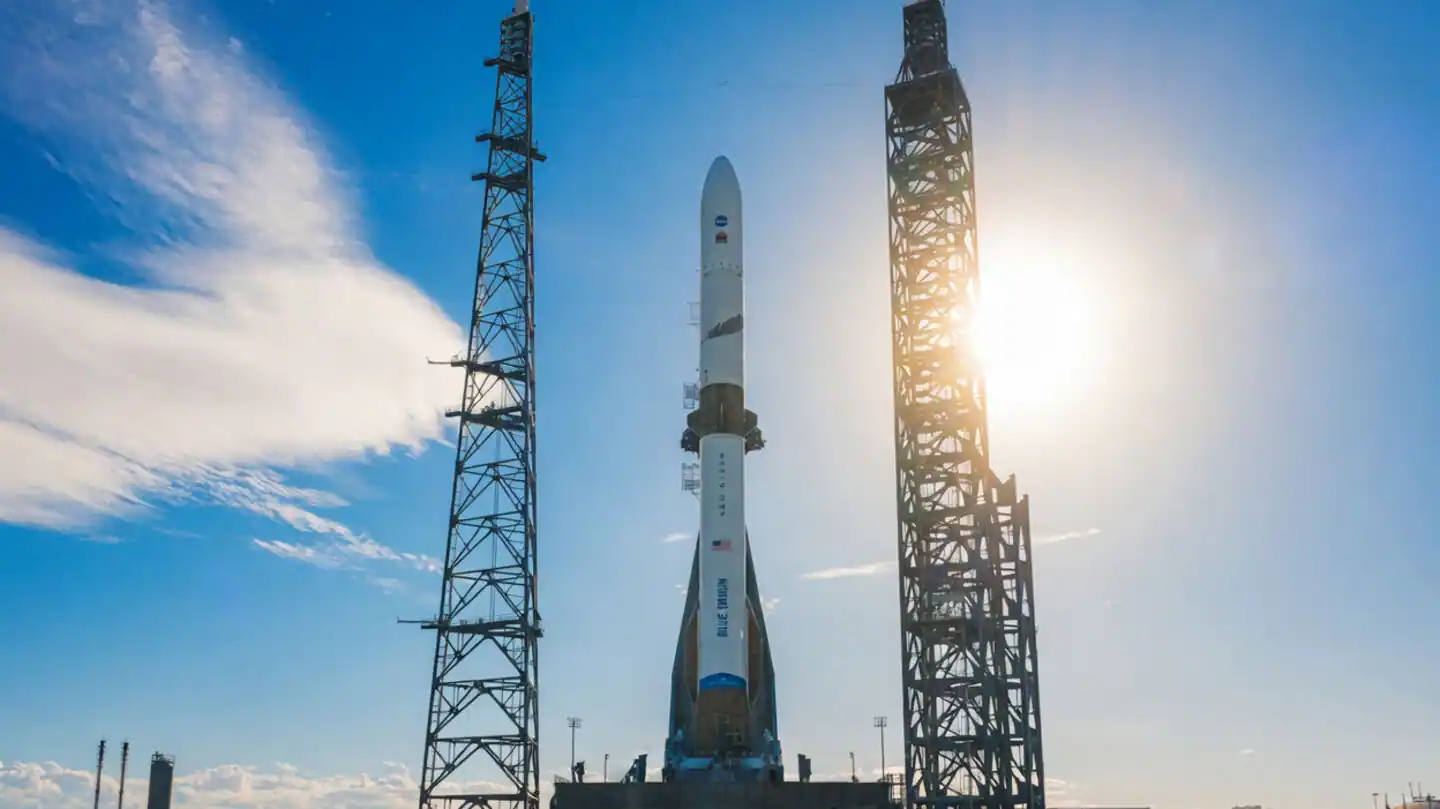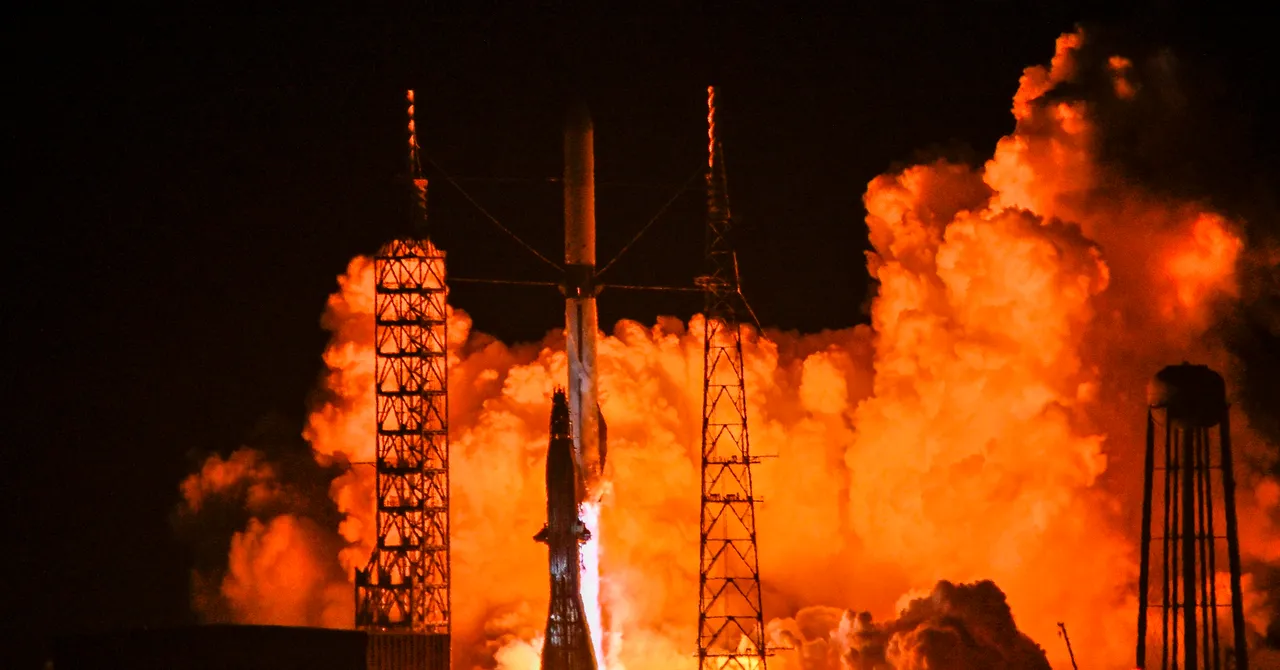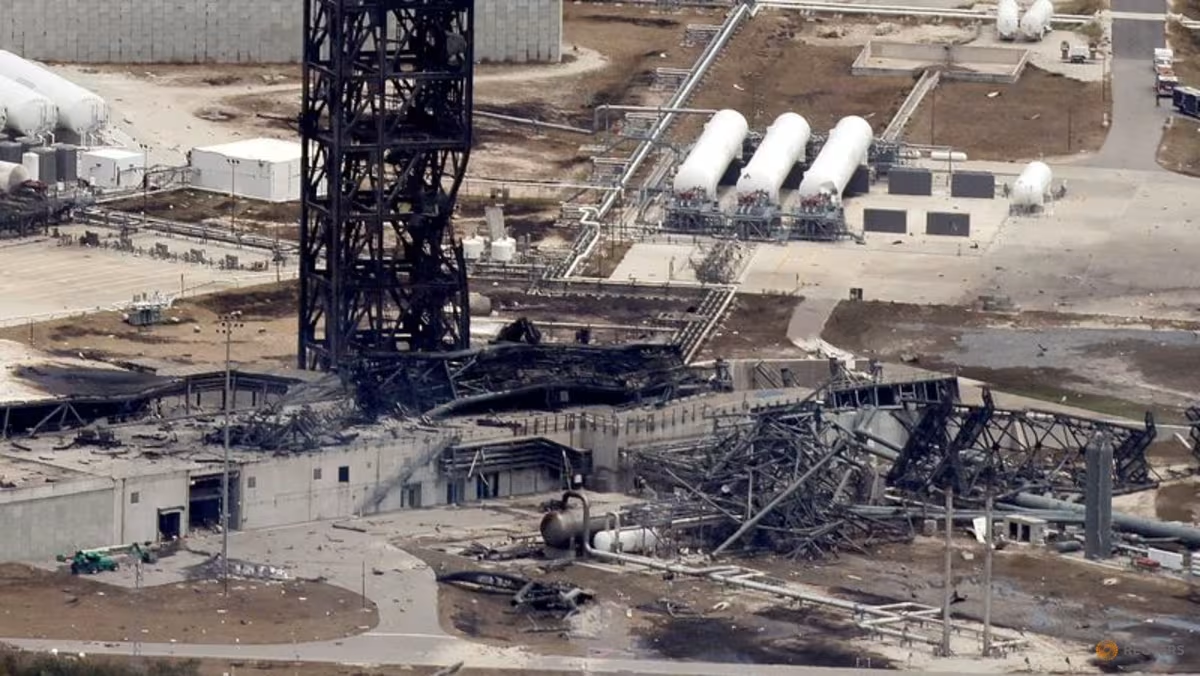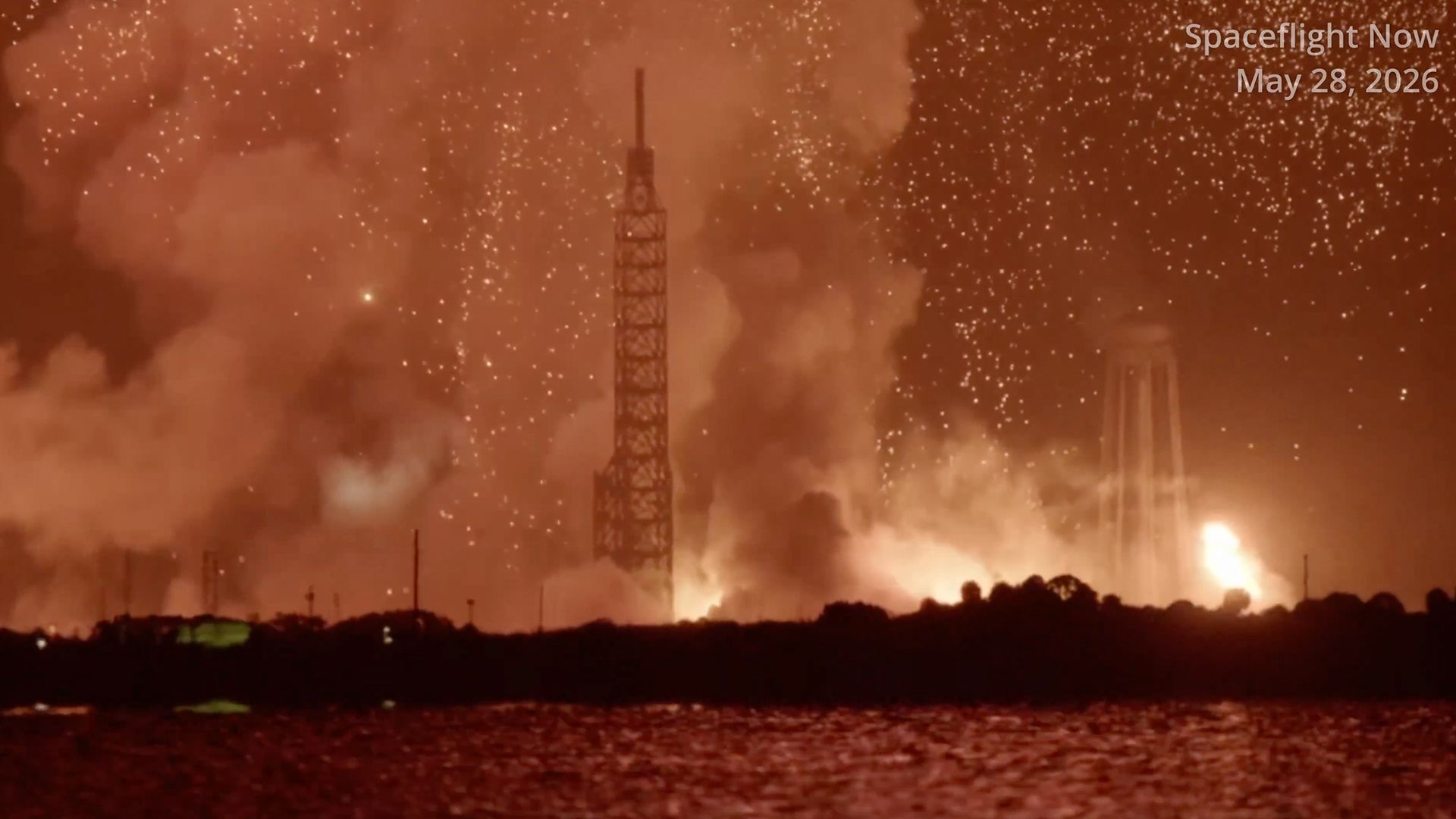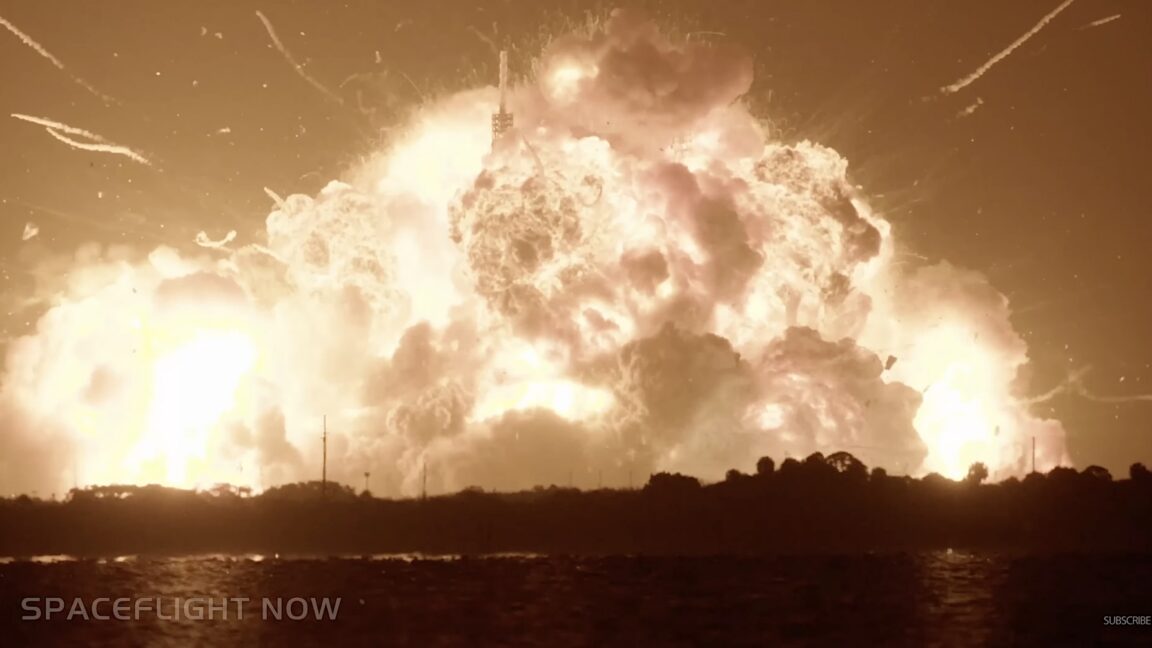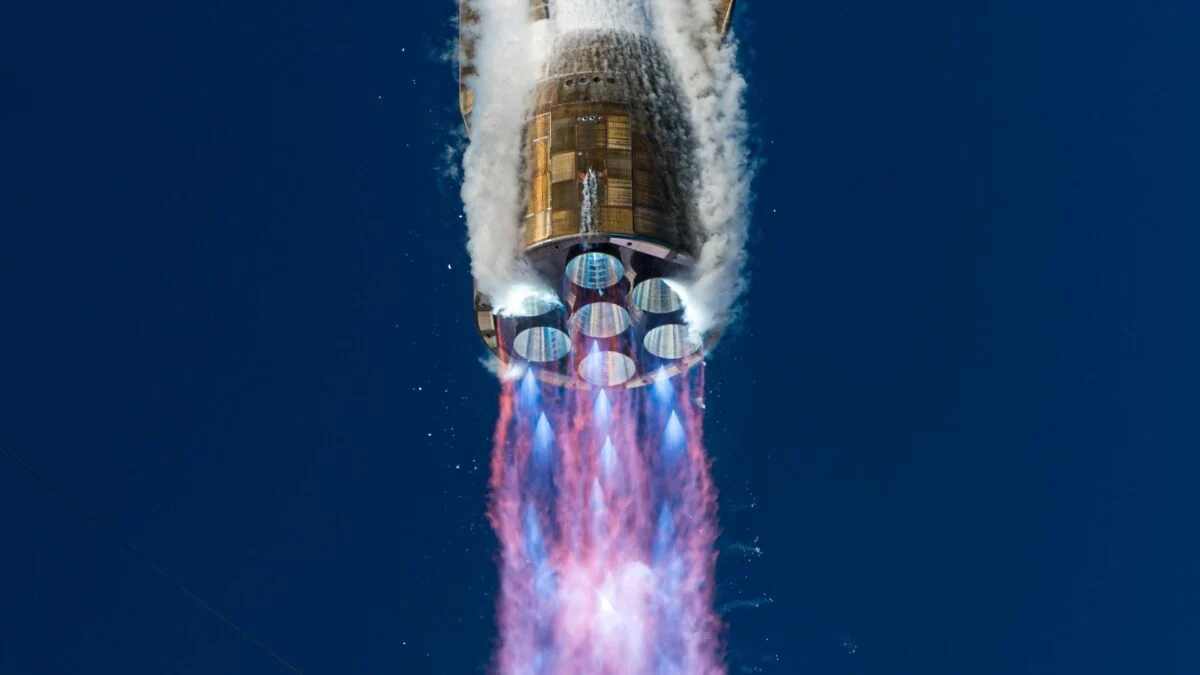
Blue Origin says it has finally solved the mystery that has echoed out ever since its New Glenn rocket exploded into a fiery mushroom cloud over Florida’s Cape Canaveral Space Force Station this past May. The catastrophic self-described “anomaly,” which occurred during one of the private space company’s pre-launch hotfire tests, not only sent spaceflight stocks tumbling but has also threatened to derail NASA’s Artemis timeline for returning astronauts to the Moon. But, fortunately, Blue Origin’s chief executive Dave Limp offered welcome news Wednesday after identifying the equipment failure that transformed New Glenn into a massive fireball two months ago: It sounds like a relatively quick fix. The only catch is that this issue, a fault within Blue Origin’s reusable BE-4 rocket engines, could also likely impact future launches of United Launch Alliance’s Vulcan Centaur, the spacecraft that the firm helped develop in collaboration with Lockheed Martin and Boeing. “The anomaly originated at the main oxygen valve on one of the BE-4 engines, which was later confirmed by hardware recovery and inspections,” Limp said in a statement posted to X. “Extensive component-level and engine hotfire tests have been conducted to understand the failure mode better and inform mitigations.”
We May Finally Know Why New Glenn Exploded on the Launch Pad
After two months of quiet investigation, Blue Origin’s CEO says his team has identified what turned New Glenn into a fireball—and the fix “will be ready by the end of this month.”
664 words~3 min read