By
Updated on: August 6, 2026 / 2:20 PM EDT
/ CBS News
Add CBS News on Google
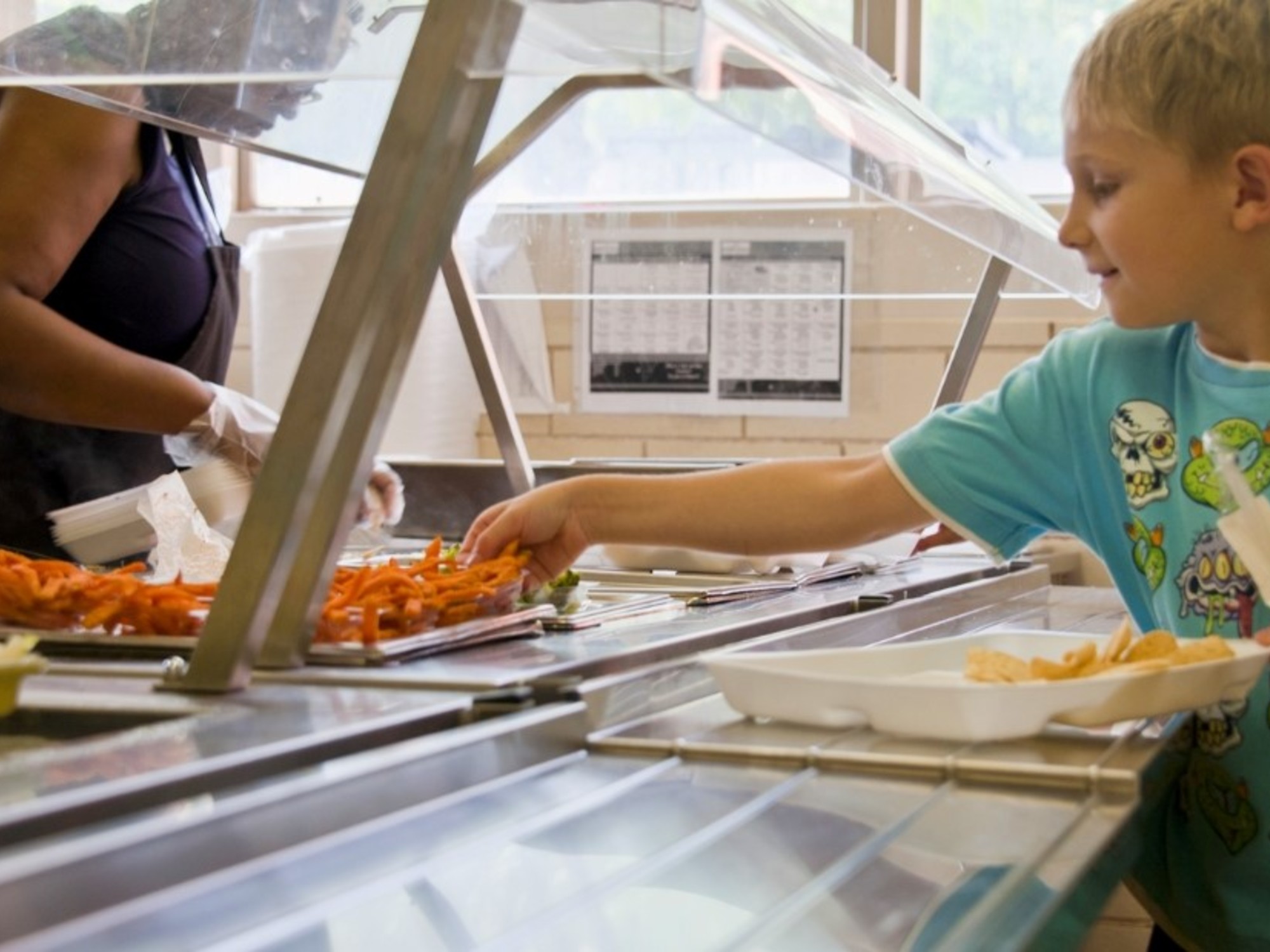
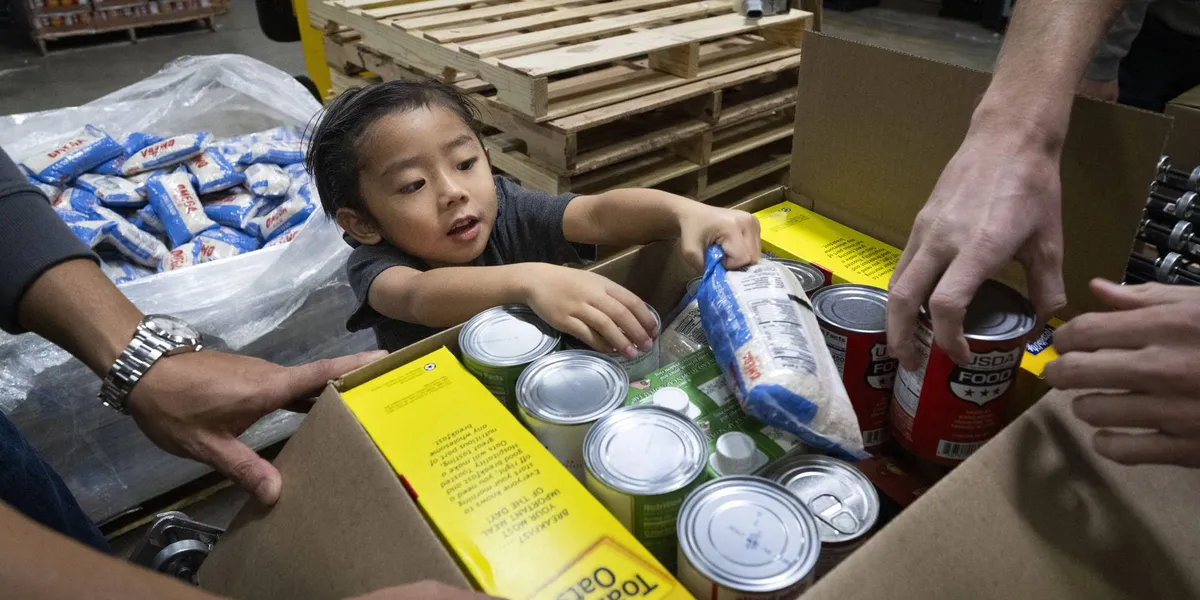
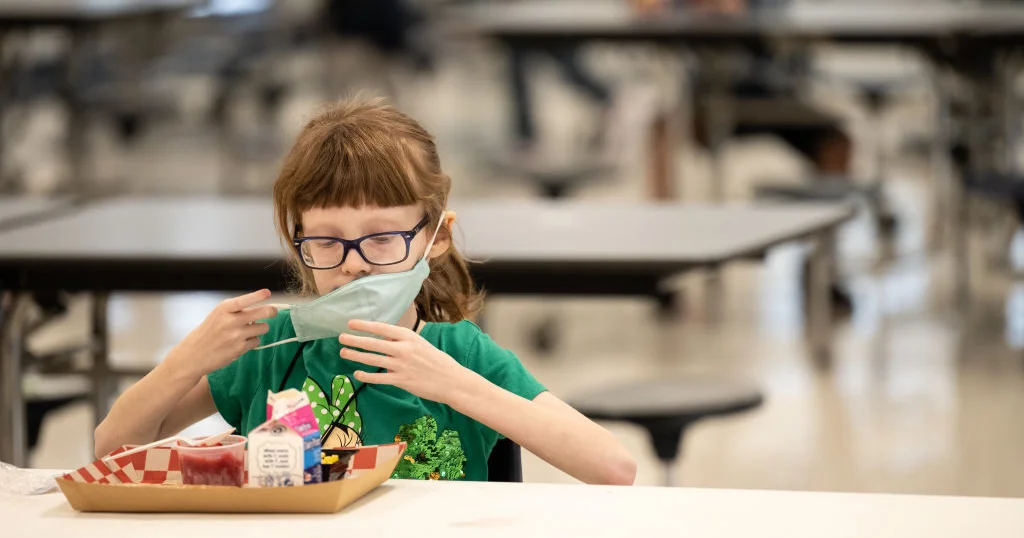
Fewer U.S. children may have access to free school meals this academic year amid changes ushered in by the Republicans' tax-and-spending law, the "One Big Beautiful Bill Act," according to food and public policy experts. The impact on school meal programs stems from the OBBBA's overhaul of the Supplemental Nutrition Assistance Program, the formal name of the food stamp program. Those changes have led to 4.5 million people, including 1.5 million children, losing food stamps since the law was enacted, according to an estimate from the nonpartisan Center on Budget and Policy Priorities (CBPP).Losing SNAP can result in a child missing out on free school meals in two ways. First, students in households on food stamps are automatically eligible for free school meals, so dropping off the SNAP rolls ends their eligibility for such nutrition aid. Second, fewer children receiving SNAP can also block school districts from qualifying for the Community Eligibility Provision, or CEP. Created under the 2010 Healthy, Hunger-Free Kids Act, the CEP allows high-poverty schools to provide free meals to every student without requiring individual applications.Overall, about 18.3 million students across the U.S. could lose access to free school meals, according to a 2025 analysis by the Urban Institute, a nonpartisan think tank. A typical family with two children in school could face an additional $2,200 in food costs this academic year without free school meals, according to a recent estimate from the nonpartisan Center for American Progress.Choosing between food and rentAlready, one major school district has announced in recent weeks that it is scaling back its free meal program, with Florida's Miami-Dade School District saying on July 23 that it can no longer provide free breakfast and lunch to all its students because many of its schools no longer qualify for the CEP. SNAP enrollment in Florida has declined by almost 20% since the OBBBA was signed into law in July of 2025, according to a CBPP analysis."One of the things that we are very concerned about is the ripple effect. As kids lose access to SNAP, the next school year they may lose that automatic link to free school meals, even if they are still eligible," Katie Bergh, a SNAP expert at the CBPP, told CBS News.