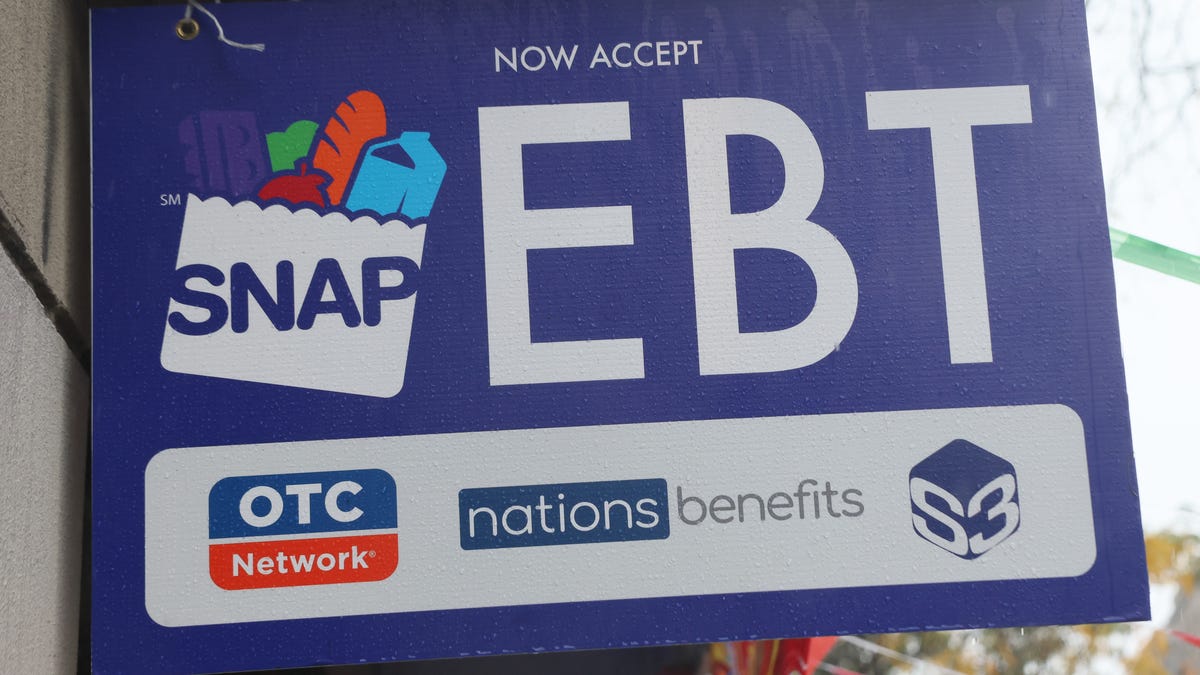
Tens of millions of Americans are in danger of losing their Supplemental Nutrition Assistance Program, or SNAP, benefits again if a cost-sharing law goes into effect as planned in the government's fiscal year 2028, which begins October 2027, experts said.
Most people know about the new SNAP work requirements in the mega tax and spending package passed on July 4, but the seismic shift is the cost-sharing provision, experts say.
The federal government has always fully funded SNAP benefits, but states must fund a portion of the benefits starting in FY28, which runs from October 2027 to October 2028, based on their payment error rates. Error rates measure how accurately state agencies determine eligibility and benefit amounts for participants and include both overpayments and underpayments to households.
Though payments aren’t required until FY28, error rates in FY25 and FY26 determine how much states will have to contribute to SNAP. While error rates for FY25 aren’t out yet, the latest data suggest most states would likely owe hundreds of millions of dollars they don’t have.
That will “almost certainly lead some states to cut SNAP participation substantially and is likely to lead other states to end their participation in the program entirely,” said Lauren Bauer, fellow at nonprofit policy research group Brookings Institution.