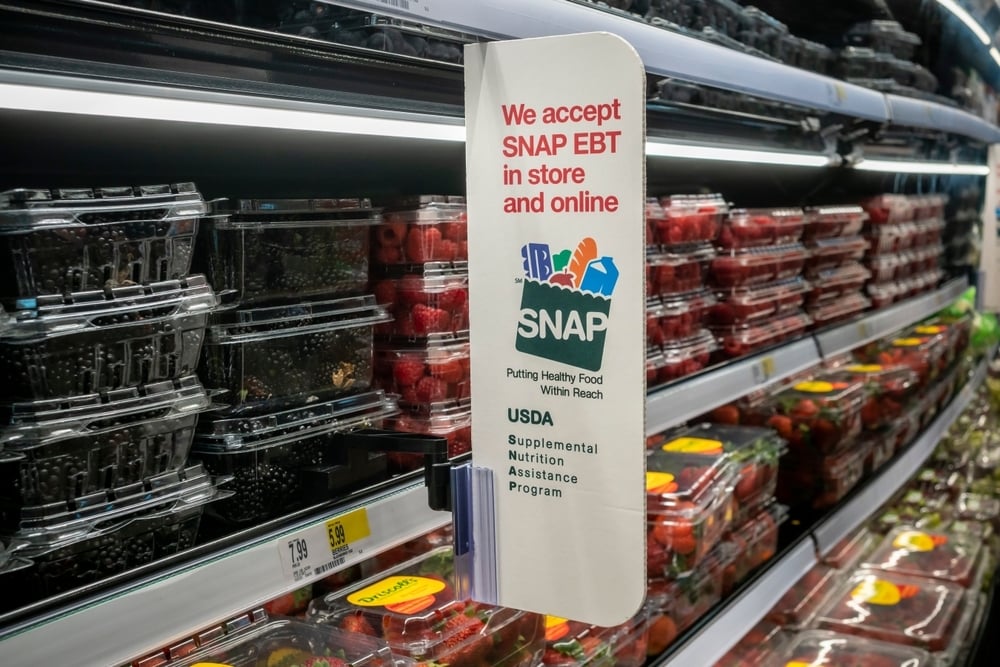
Come Feb. 1, the nearly 42 million low-income Americans on the Supplemental Nutrition Assistance Program (SNAP) can expect major changes.
The United States' largest nutrition assistance program has been a funding flashpoint for the second Trump administration, taking center stage during the 43-day 2025 government shutdown when the U.S. Department of Agriculture (USDA) said in October that it would not pay the next month's benefits.
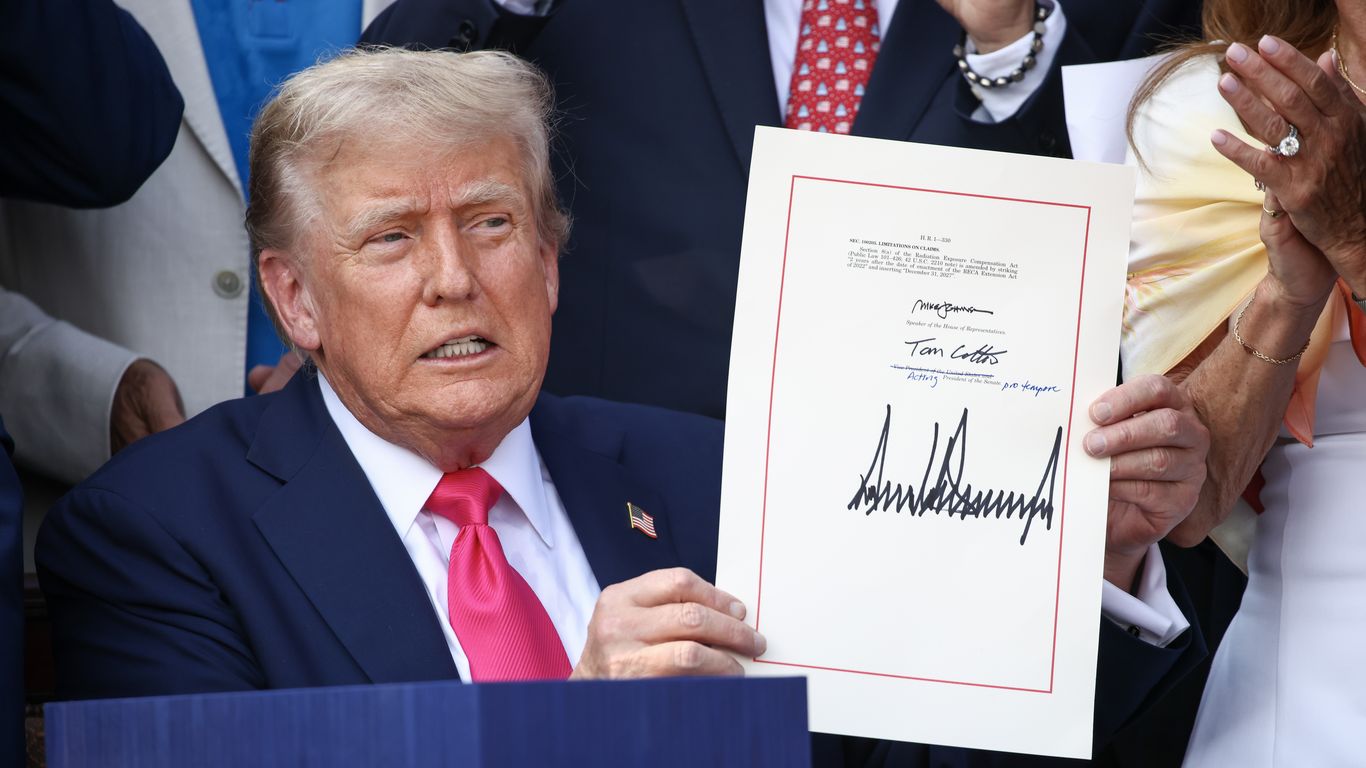
The bill that ended the shutdown restored funding for the program after a series of lawsuits filed by states challenged payment pauses, eligibility requirements and requests from the federal government for sensitive citizen data. Even so, Trump's "Big Beautiful Bill," passed last summer, already included major changes to the program, including tightened work requirements and billions in funding cuts.
SNAP recipients must adhere to increased work requirements beginning Sunday, Feb. 1, as part of the bill. Here's what to know.
Trump’s “Big Beautiful Bill,” passed in July, cut an estimated $186 billion from SNAP funding through 2034, according to the Congressional Budget Office. It also added new restrictions to the program, including expanded work requirements, that go into effect on Sunday, Feb. 1, 2026.