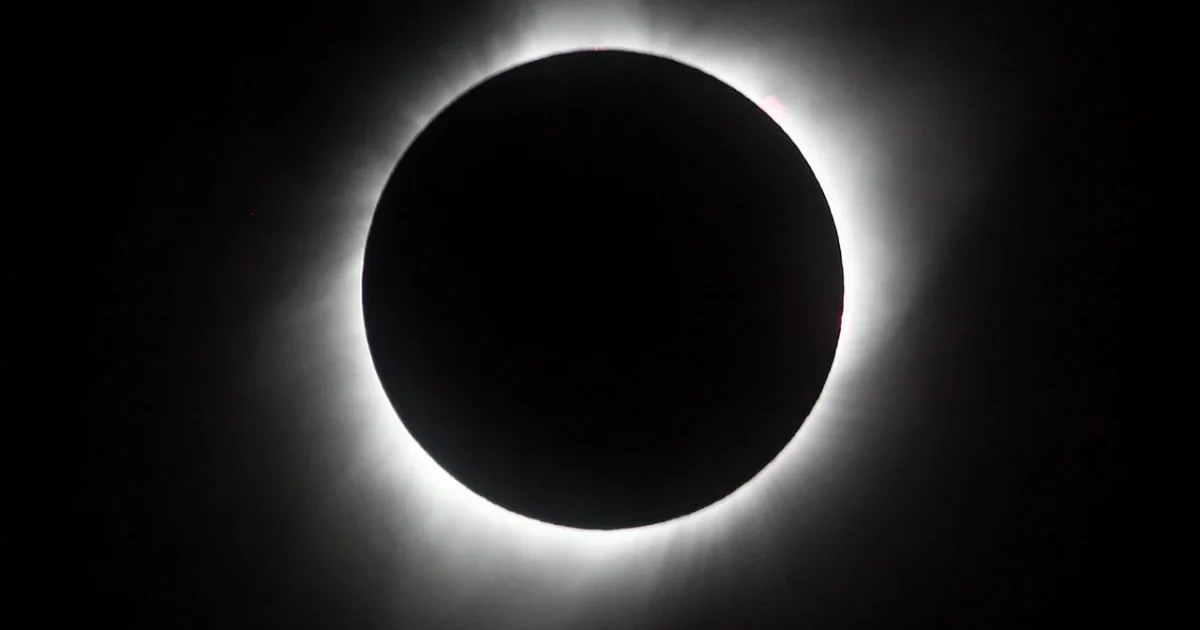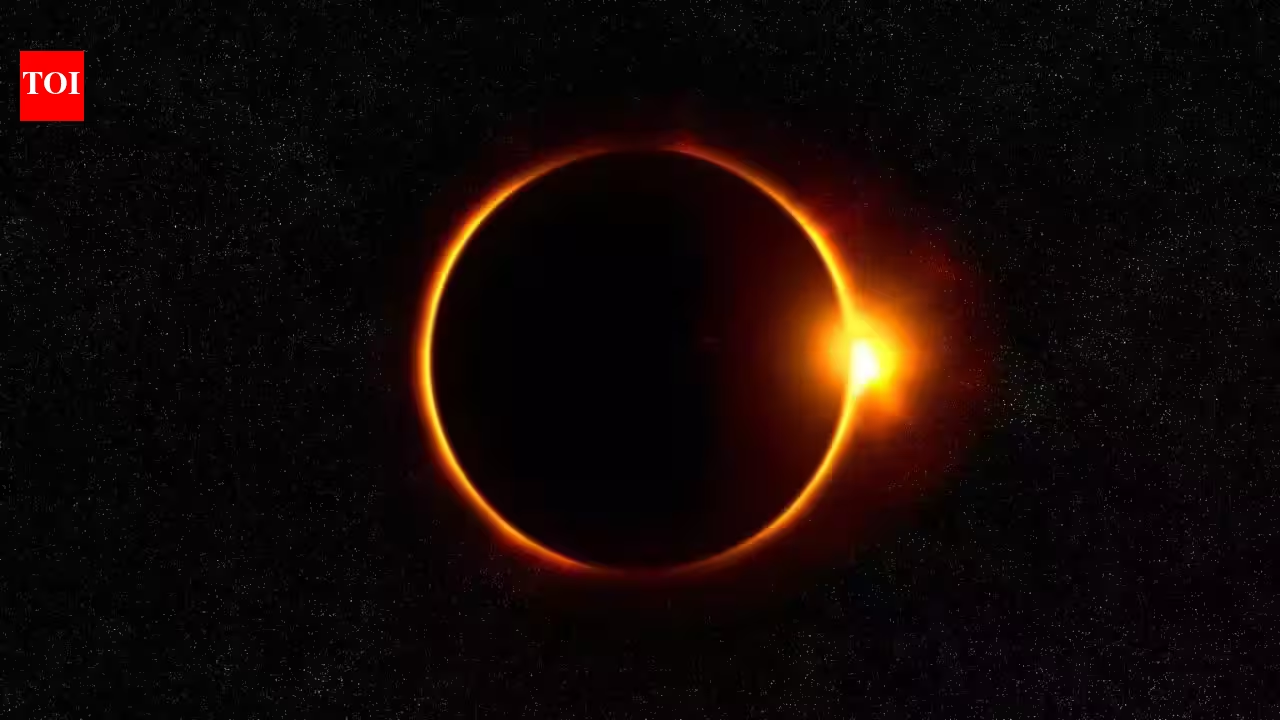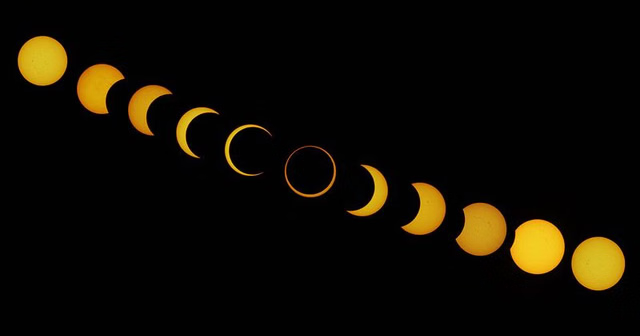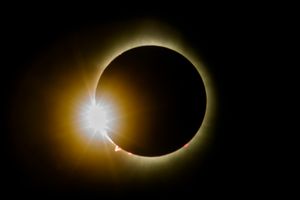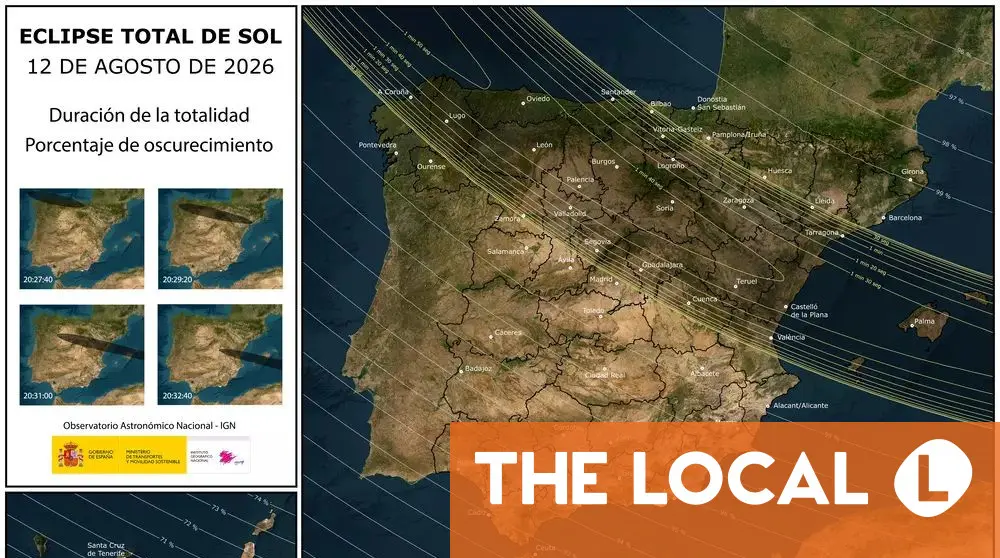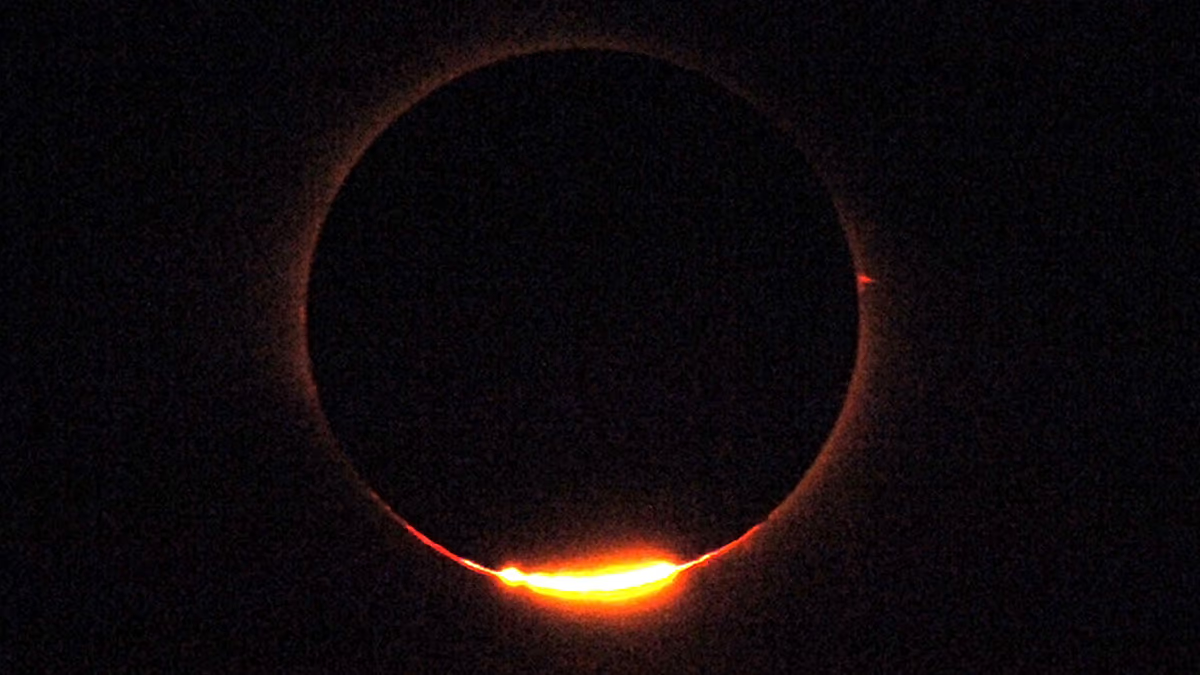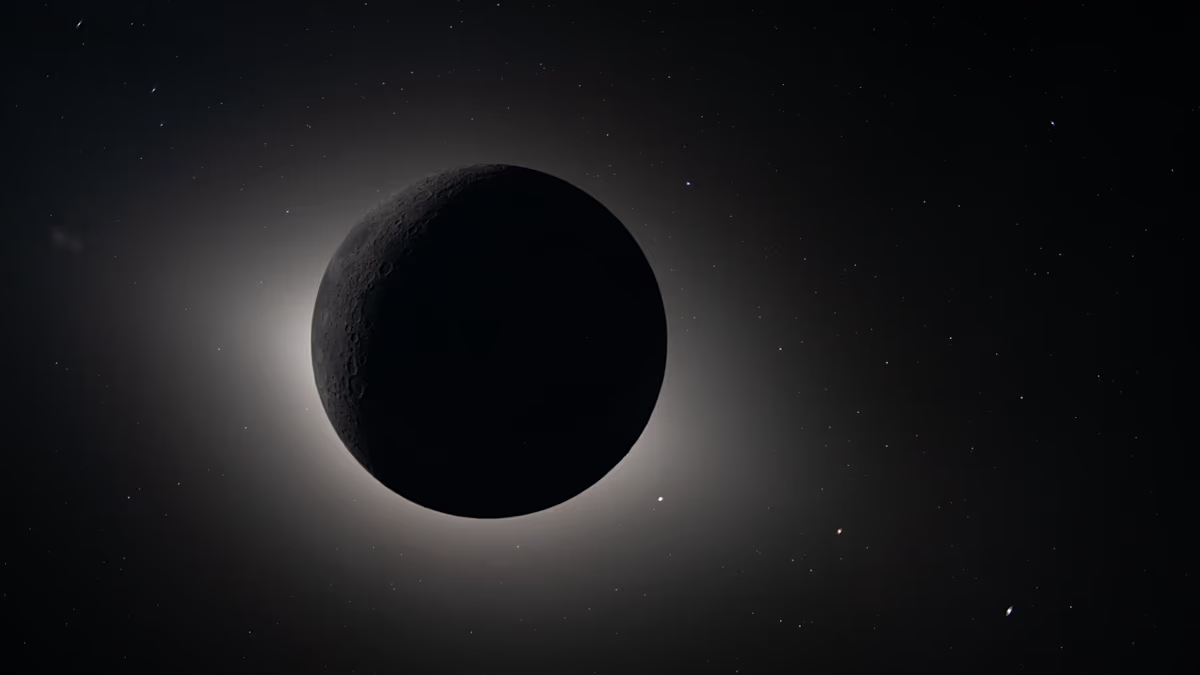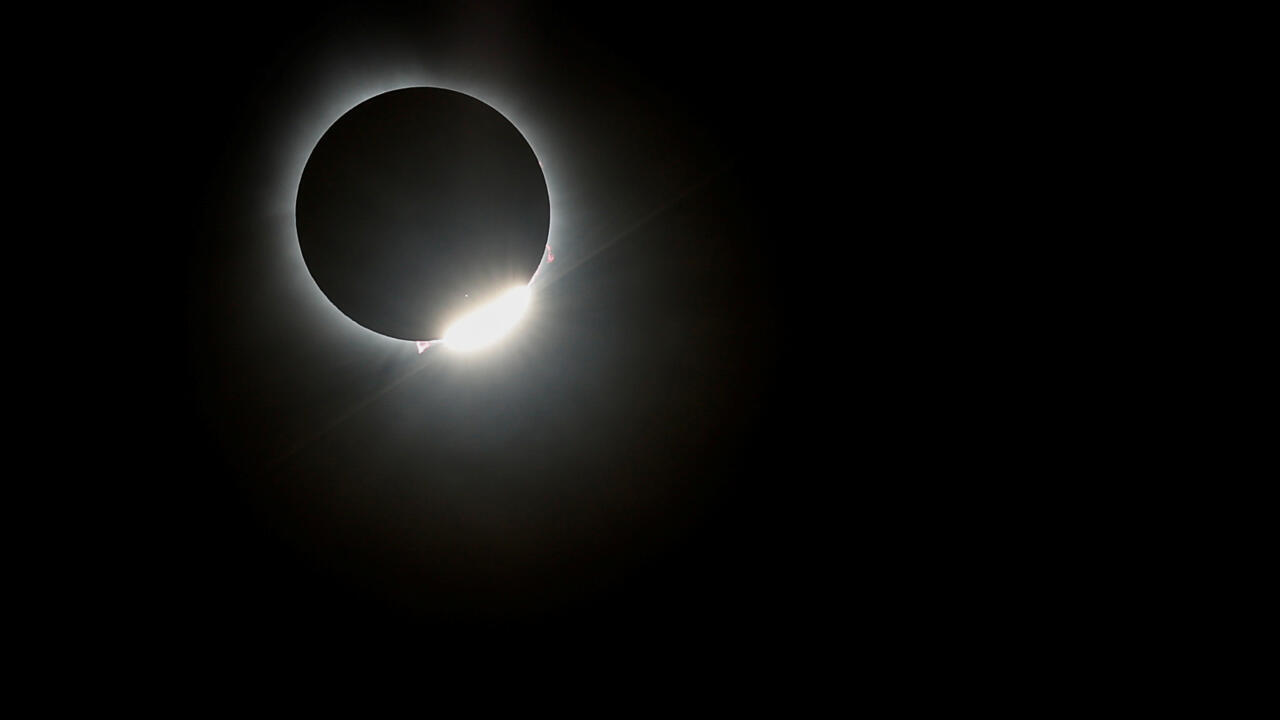
Day will briefly turn into night across a swathe of northern Spain on August 12, when the Moon will completely cover the Sun during a rare total solar eclipse. Here is what you need to know about the first total solar eclipse visible in mainland Europe since 2006. What is an eclipse? Eclipses happen when the Moon passes directly between the Sun and Earth, casting a narrow band of shadow across our planet. It creates a strange twilight during which temperatures drop, shadows appear at strange angles and some animals go to sleep. These odd phenomena convinced ancient cultures that eclipses were signs of the apocalypse – or messages from the gods. However it is really the result of a "cosmic coincidence", according to NASA. "Even though the Sun is about 400 times bigger than the Moon, it is also about 400 times farther away," the US space agency says. This means that for people standing in the right spot, the Moon totally covers the Sun – revealing its outer atmosphere called the corona. Where can it be seen? On August 12, a remote region of northern Russia will be the first to see the total eclipse. The "path of totality", as it is known, will then cross over Greenland, Iceland, Spain and the northeastern tip of Portugal.
What to know about the total solar eclipse on August 12
On August 12 the Moon will completely block out the Sun during a rare total solar eclipse across much of northern Spain. Here is what to know about the phenomenon, the first total solar eclipse visible…
605 words~3 min read