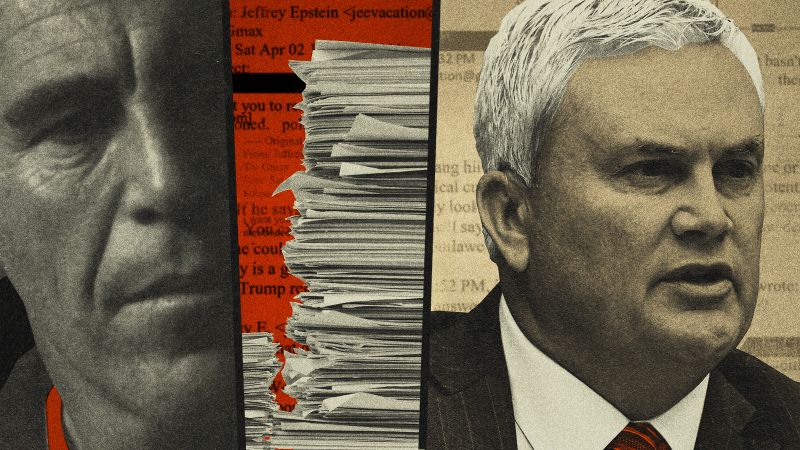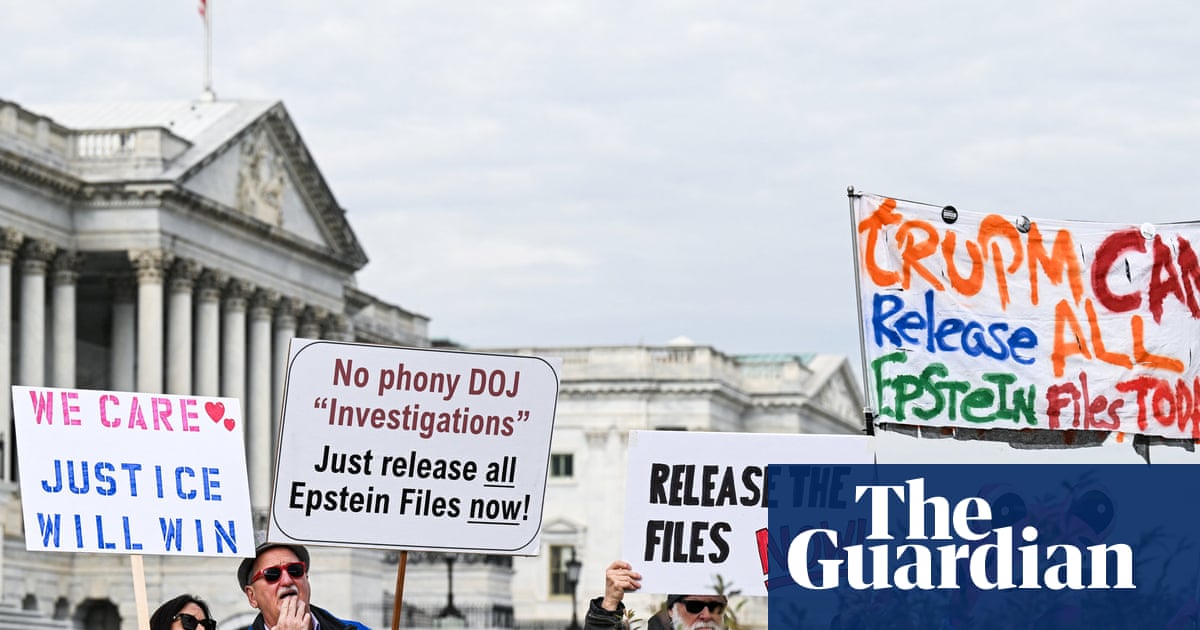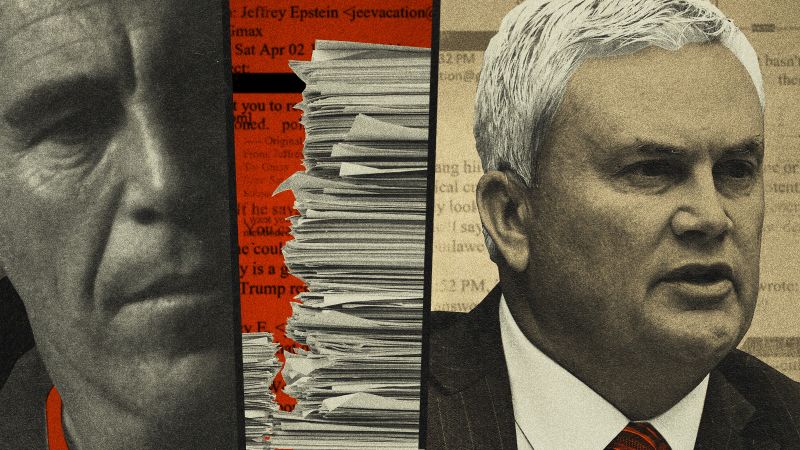
Last summer, when lawmakers launched their Jeffrey Epstein investigation, it came with an ambitious promise: to pull back the curtain on decades of failed federal probes, secure the full release of long-withheld files and provide a public accounting of how the late pedophile evaded accountability for so long.
A year later, the probe has kept Epstein in the headlines, but its parade of high-profile witnesses has failed to produce the kind of revelations many lawmakers and Epstein survivors had hoped for. Instead, the investigation has been defined by closed-door interviews, with many witnesses denying knowledge of Epstein’s crimes or saying they do not recall key details. Survivors have alleged that one former Epstein assistant recently lied to the committee about what she knew or saw.
That gap between expectations and results is now a central point of tension hanging over House Oversight Chairman James Comer’s probe.
“I feel more pressure to achieve something than not do something,” he told CNN.
Comer, a Republican from Kentucky, told CNN that he is “very confident” the Justice Department will have no choice but to reopen its Epstein investigation after his committee sends prosecutors a “to-do list” later this year.