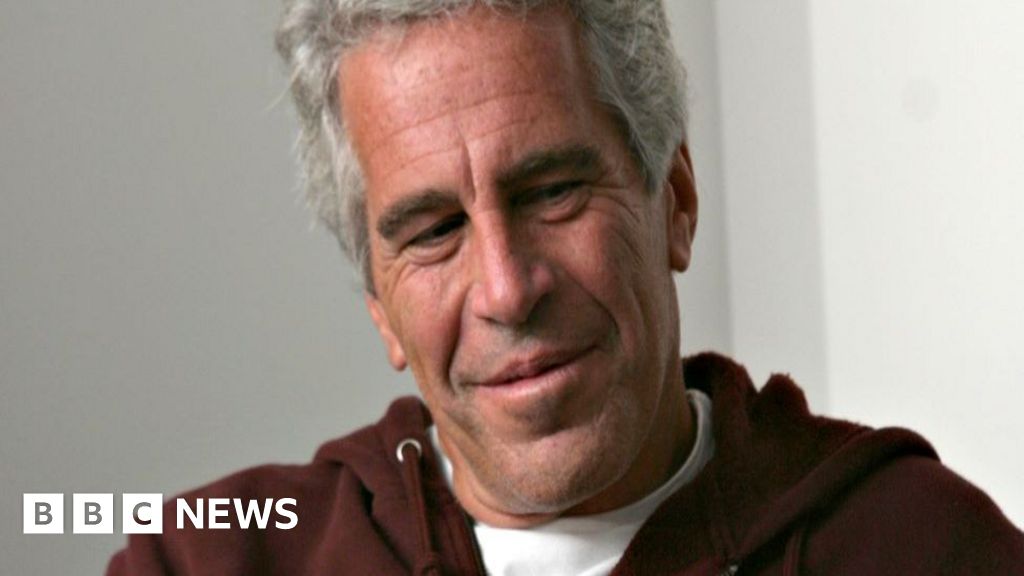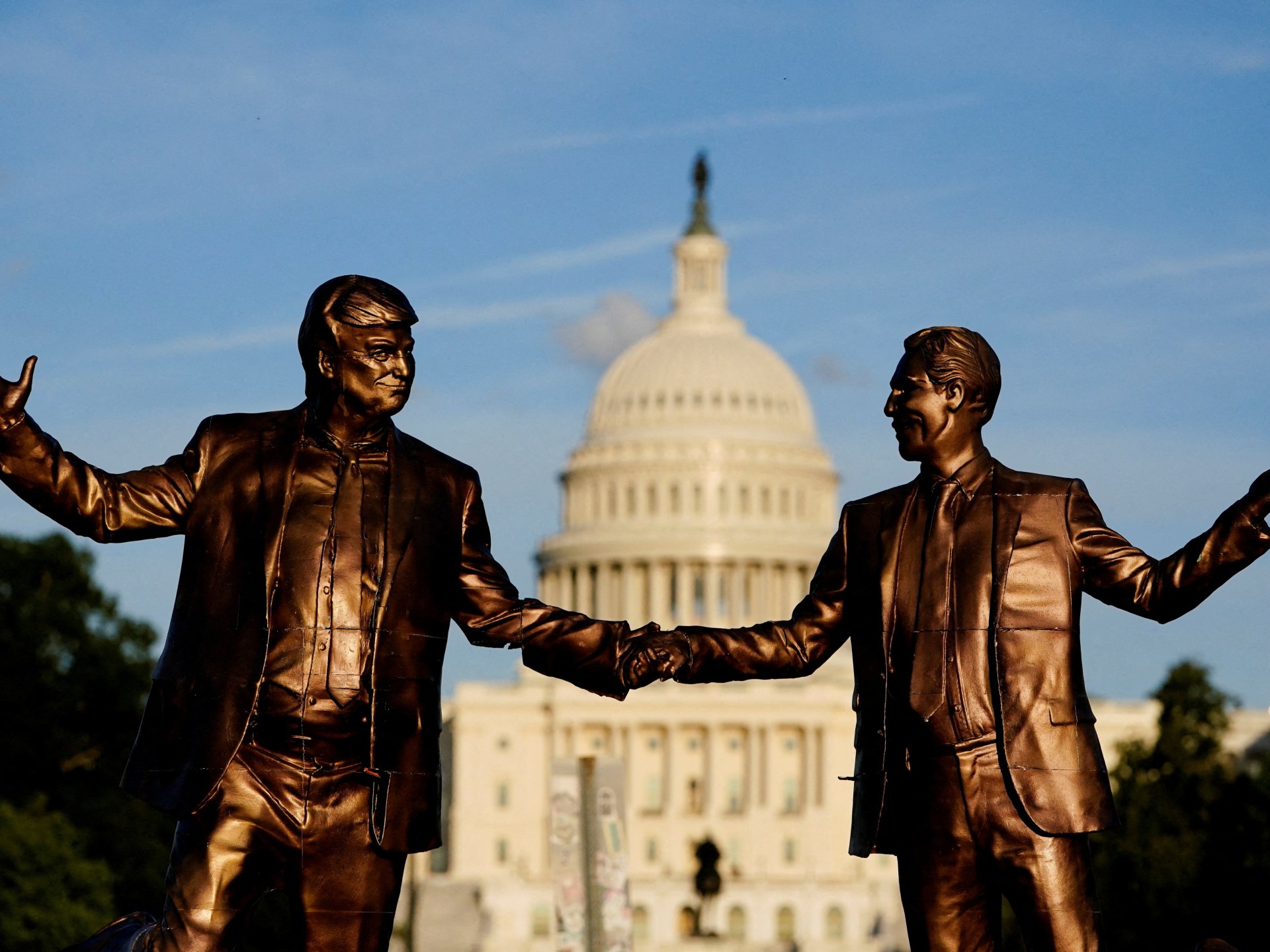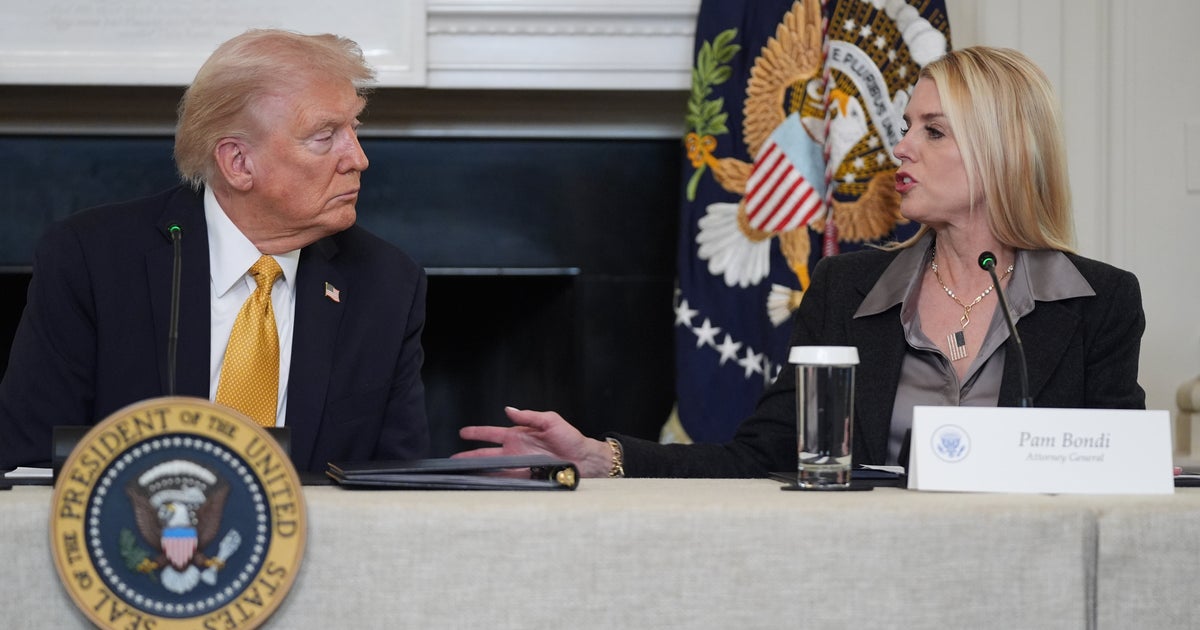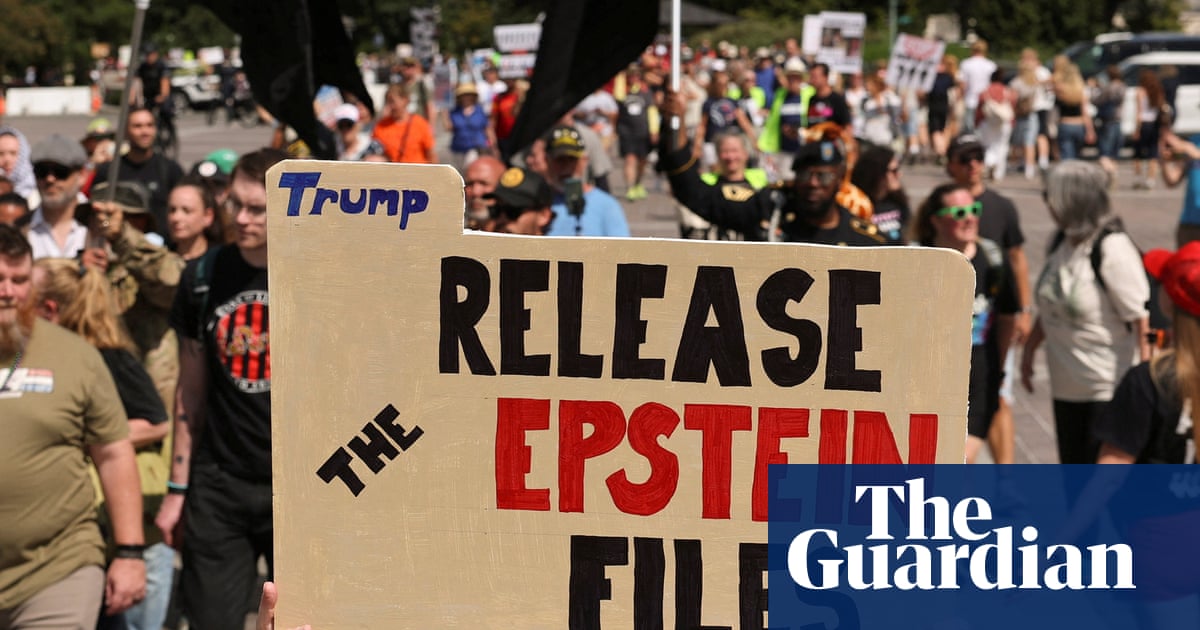
If Republican leaders in Washington had hoped that a month-long congressional recess would help the Jeffrey Epstein controversy die down, this week's frenzy of activity has dashed those hopes - at least for now.
Last Friday, the Justice Department released more than 33,000 pages of documents related to its Epstein investigation into child sex trafficking. By Monday, a consensus had formed that most of the information was already publicly available or of little interest.
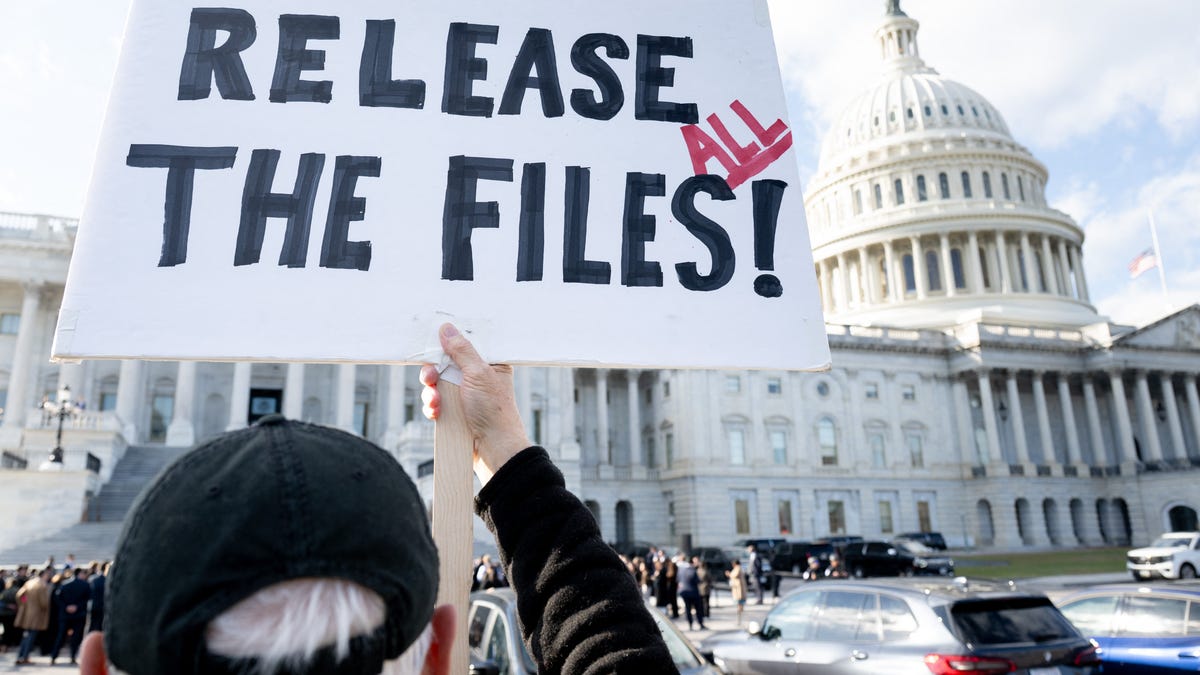
Early in the week, Republican Thomas Massie of Kentucky and Democrat Ro Khanna of California resumed their efforts to gather support for a "discharge petition" in the House of Representatives that would force a vote on publicly releasing the entirety of the government's Epstein case information.
On Wednesday, a group of Epstein victims and their families held a press conference on the steps of the Capitol to support the discharge petition and call for full disclosure in the Epstein case.
Taken together, it's the kind of drumbeat of attention that has helped the story break into the larger public's awareness. But will it stay there? Here are possible scenarios for what happens next.