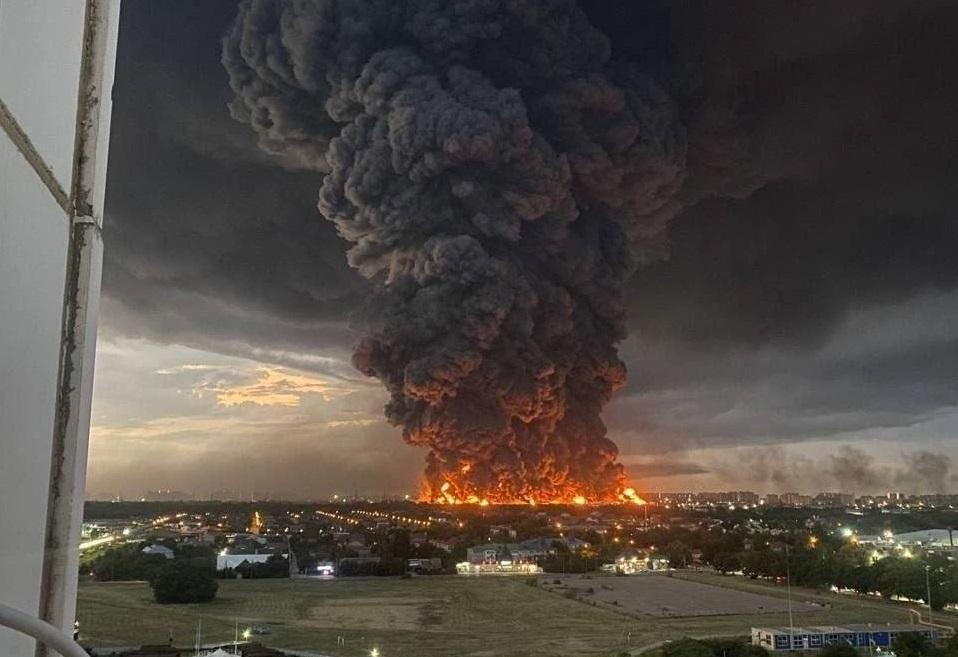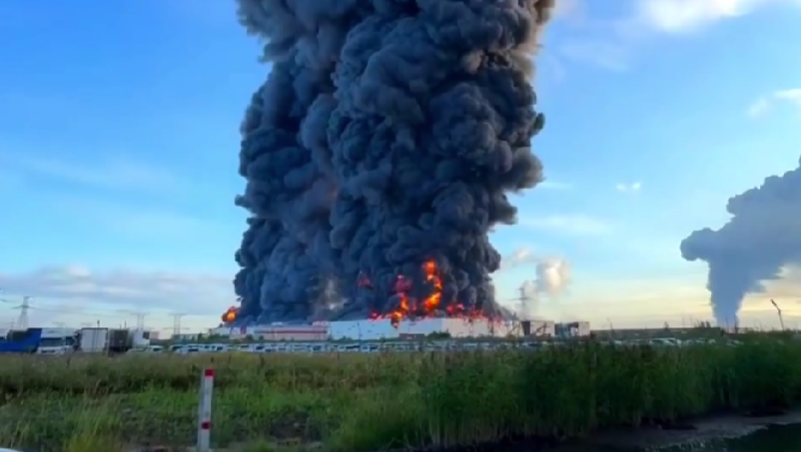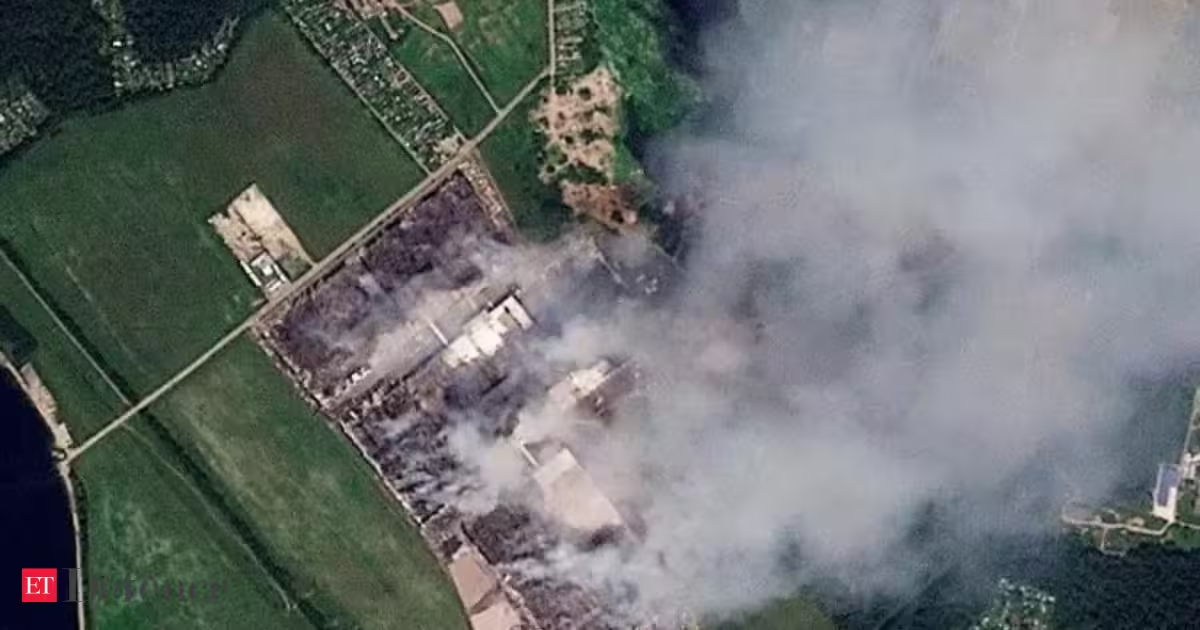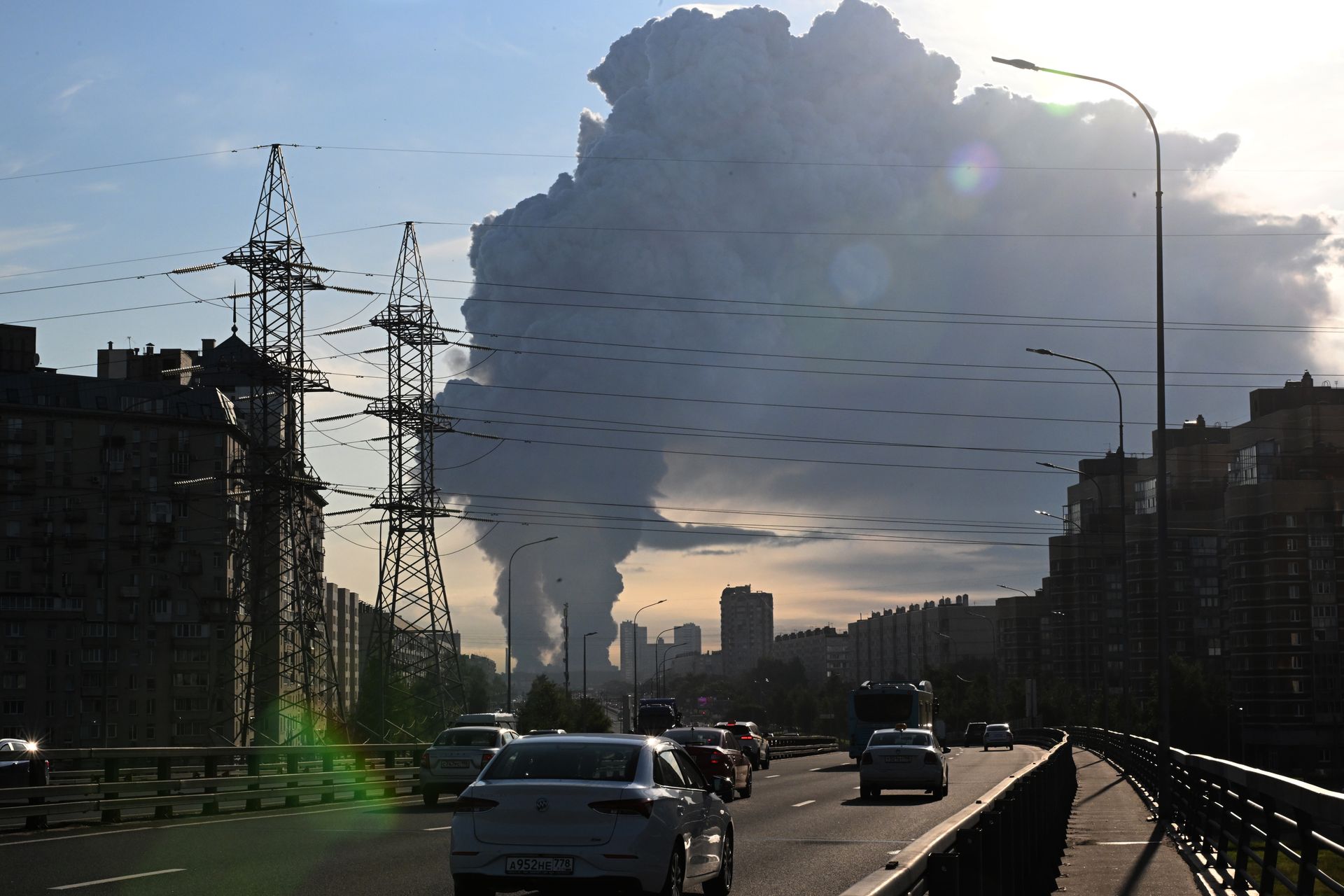
A large plume of smoke rises over Wildberries logistics facilities in St. Petersburg, Russia on July 24, 2026. (Stringer / Anadolu / Getty Images)In late June, President Volodymyr Zelensky tasked Ukraine's Security Service (SBU) with launching a "40-day influence operation" designed to compel Russia to "end the war."In the weeks following, Ukraine's mid- and long-range drones scored some headline-grabbing successes — the crippling of dozens of Russian tankers supplying occupied Crimea and, perhaps most notably, the destruction of several warehouses across the country belonging to online retailer Wildberries.But 40 days later, Russia's war in Ukraine still rages, and Russian President Vladimir Putin shows no signs that he intends to stop any time soon."I think the ultimate aim was not achievable given Putin's commitment to the war and Russian society's general apathy to and accommodation of the war," Dr. Jade McGlynn, head of the Ukraine and Russia Program at King's College London, told the Kyiv Independent.But according to Ukrainian officials familiar with the planning, one of the operation's central political objectives was looking further ahead than the stated 40 days — to force Russians to experience the consequences of the war more directly with a view to influencing elections in September.The stated resultsDetails of what the campaign actually constituted remained sparse until it ended, when the SBU released a statement on Aug. 4 clarifying the actions that the agency claimed were part of it.According to the statement, the campaign "was aimed at simultaneously weakening key elements of the Russian military machine."One of the significant military developments in the timescale of the "40-day operation" was a series of strikes against Russian oil and cargo vessels by Ukraine's Unmanned Systems Forces in the Sea of Azov, a part of Ukraine's months-long campaign to isolate the Crimean peninsula with drone and missile strikes.A Ukrainian drone targeting a Russian vessel in the Azov Sea on July 13, 2026. (Robert "Madyar" Brovdi / Telegram)Other long-standing Ukrainian military campaigns continued during the period. Ukraine's systematic demolition of Russia's oil industry continued, leading to shortages of diesel, gasoline, and other refined petroleum products across Russia, and long queues at gas stations."These successful strikes significantly hampered the resupply of Russian units on the front line and disrupted logistics and the supply of ammunition and fuel," Nazarii Barchuk, an analyst at the Ukrainian Security and Cooperation Center, told the Kyiv Independent.The unstated achievementsThe SBU statement claimed that the campaign included "systematic destruction of military aviation and air defense," "kinetic sanctions on the Russian fuel and energy sector," "defeat of the 'shadow fleet'," as well as strikes against targets on the battlefield.It made no mention of Wildberries.Although Kyiv publicly argues that Wildberries was targeted because it facilitated the sale of dual-use goods, officials speaking privately acknowledged another objective.While declining to confirm whether strikes on Wildberries facilities officially formed part of the campaign, one Ukrainian official said the attacks fit that broader strategy by disrupting Russia's strained wartime economy while affecting the daily lives of ordinary citizens.Ukraine began striking warehouses of the Russian logistics giant "Wildberries" overnight on July 18. Frequently compared to the U.S. retail giant Amazon, Wildberries holds about 45-50% of the Russian e-commerce market, with a turnover of around $75 billion annually.The photo purportedly depicts a massive fire at a Wildberries warehouse complex in Ryazan, Russia, following a Ukrainian drone attack on July 29, 2026. (Exilenova-Plus / Telegram)Wildberries also supplies significant amounts of explicitly military materiel, such as body armor, fiber-optic spools for military drones, and equipment that allows civilian drones to be converted to drop grenades, making the chain a potentially legitimate military target under international law.As well as the direct financial impact on Wildberries itself, and the associated damage to the Russian economy of the loss of its e-commerce giant, the chain holds stock for tens of thousands of Russian small businesses.As of Aug. 4, Ukraine claimed to have hit 15 Wildberries warehouses, damaging or destroying 13 of them. Reports of further strikes have emerged since then.Russia also has more than 94,000 Wildberries pickup points, most of them operated by franchisees.
Analysis: Did Ukraine's '40-day campaign' against Russia change anything?
In late June, President Volodymyr Zelensky tasked Ukraine's Security Service (SBU) with launching a "40-day influence operation" designed to compel Russia to "end the war." In the weeks following, Ukraine's mid- and long-range drones scored some headline-grabbing successes — the crippling of dozens of Russian tankers supplying occupied Crimea and, perhaps most notably, the destruction of several warehouses across the country belonging to online retailer Wildberries. But 40 days later, Russia's
1,174 words~5 min read