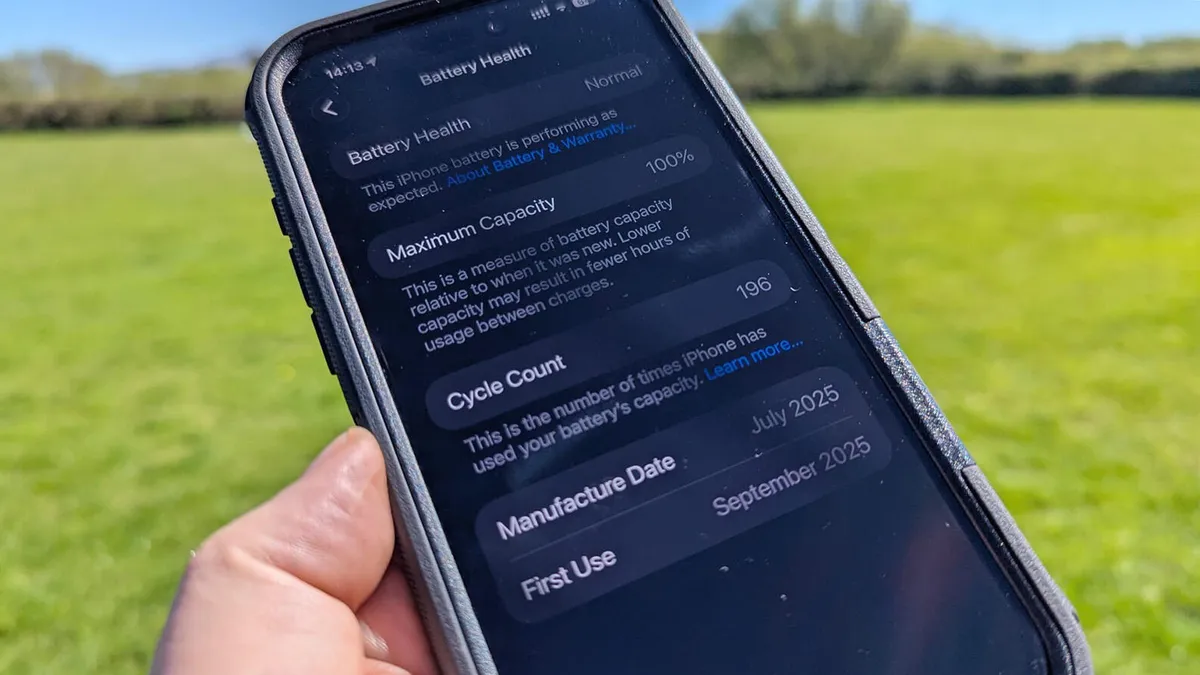
Open the battery menu on an Android phone after a day with a VPN running and the app usually sits near the top of the list, ahead of the browser, sometimes ahead of the camera. For years I read that screen the way most people do as a bill for services rendered. A report published in July by NordVPN, based on testing carried out by West Coast Labs in May 2026, argues the bill is wrong.
The lab ran four test series across six devices: three Android handsets (Samsung Galaxy S24, Galaxy S25 Ultra, Google Pixel 9) and three Apple devices (iPhone 15, iPhone 16, current iPad). The headline test was a scripted 24-hour day covering sleep, a commute, a working day and an evening at home, run once with the VPN connected throughout and once without it. The gap came to 1.4% of daily battery consumption on Android and 1.8% on iOS. Over a month of continuous use on a flagship Android phone, NordVPN says that works out to reaching for a charger about half a day earlier.
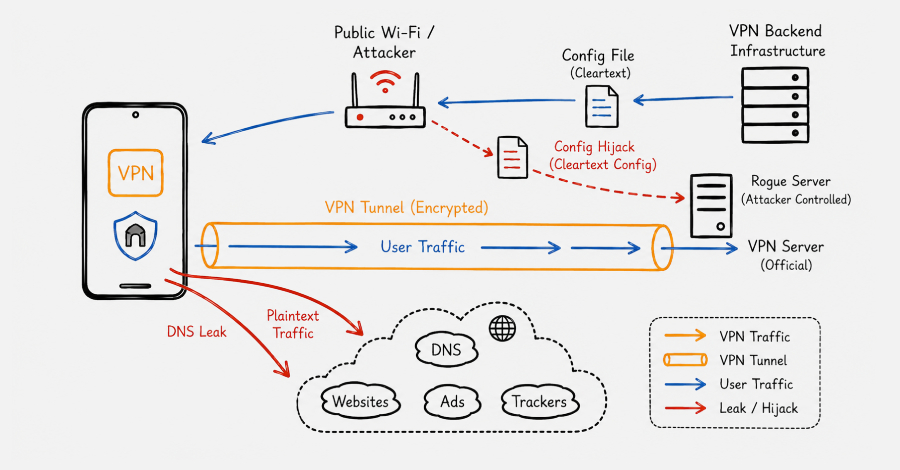
So why does the battery screen say something so different? Because of what it counts. When a VPN is on, every packet leaving the phone travels through the tunnel, and both Android and iOS attribute that traffic to the app carrying it: An hour of Netflix over a VPN gets filed under the VPN, even though the same hour without one would cost the same energy. In the streaming test, the on-device battery report attributed an average of around 49% of session power to the VPN app. Instruments wired up to measure actual current draw put the real overhead between 1.6% and 2.1%.