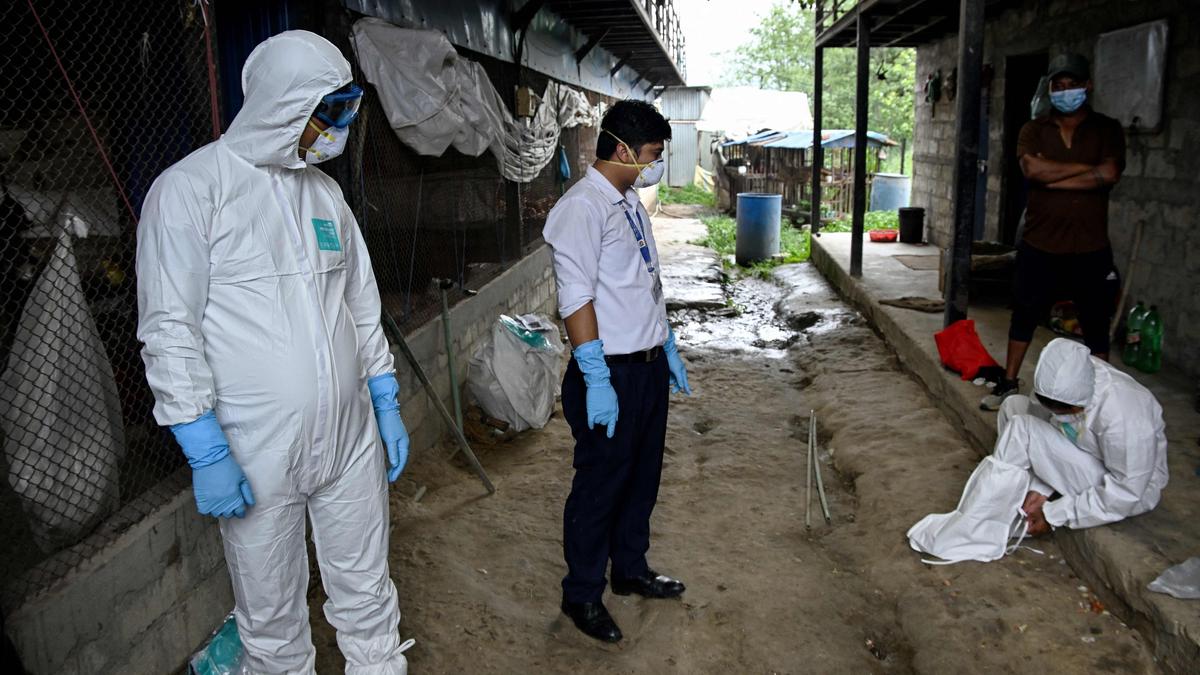
In June, a bird flu outbreak at Kathmandu’s Central Zoo killed at least 65 animals from more than 20 species, exposing flaws in Nepal’s disease surveillance.The outbreak has raised concerns that similar outbreaks could go undetected in national parks, where wildlife is not routinely monitored.Experts warn that shared feeding sites, including Nepal’s renowned “vulture restaurants”, and the reliance of wild carnivores on domestic poultry could create pathways for influenza viruses to spread between birds and mammals.Despite the outbreak and recommendations from the zoo’s own investigation committee for contingency plans, stronger biosecurity and rapid reporting, Nepal’s wildlife and livestock authorities say they have no plans for park-specific surveillance or response programs.
KATHMANDU — In the village of Pithauli, on the edge of Nepal’s Chitwan National Park, a safe feeding site for critically endangered vultures has long been hailed as a success story by conservationists.
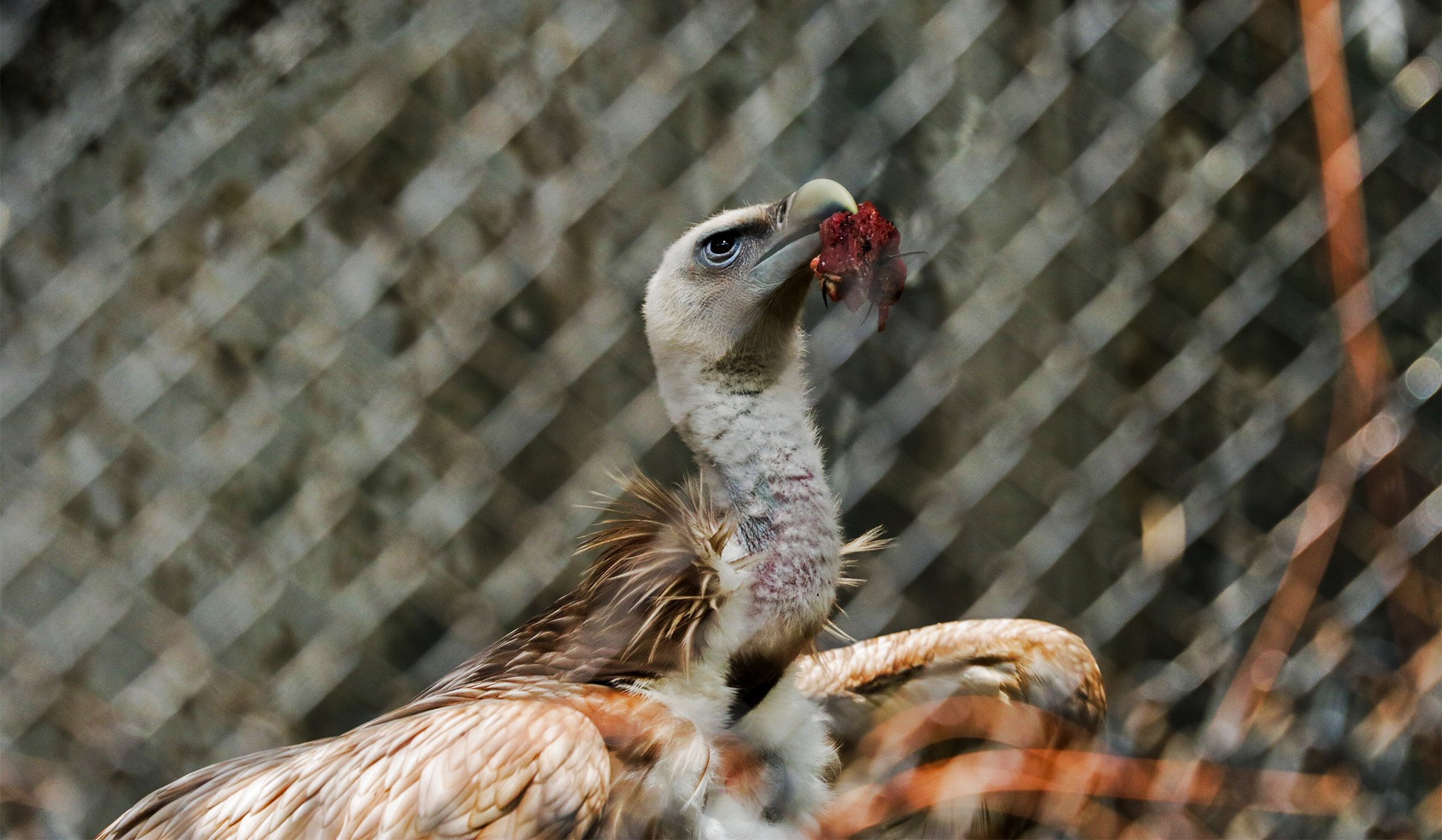
For visitors, the feeding site, also known as a “vulture restaurant”, provides a rare photo op for tourists: As white-rumped vultures (Gyps bengalensis) and slender-billed vultures (Gyps tenuirostris) feed on carcasses laid out by locals, greater one-horned rhinos, jackals, wild boars and crows watch and, sometimes, participate.