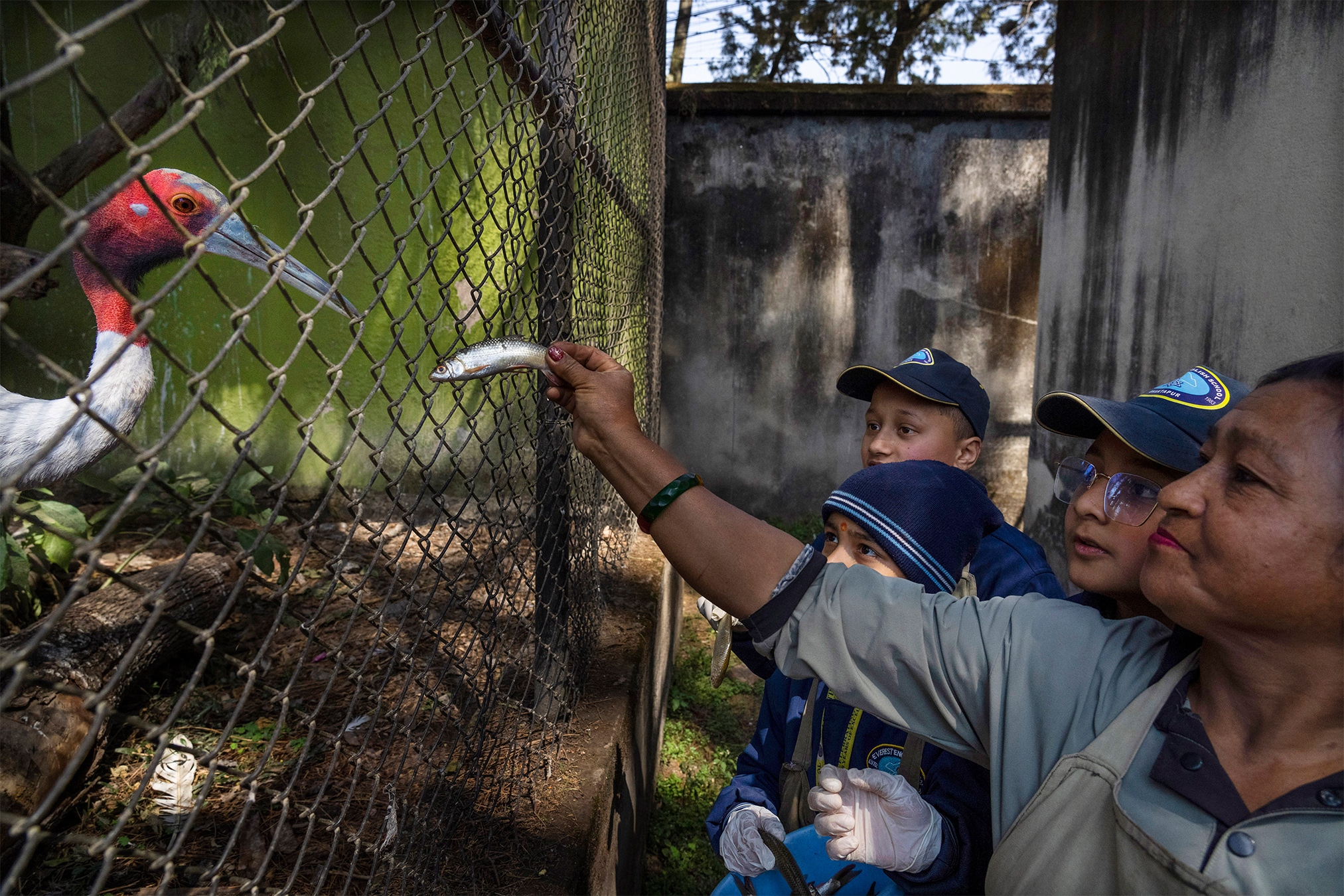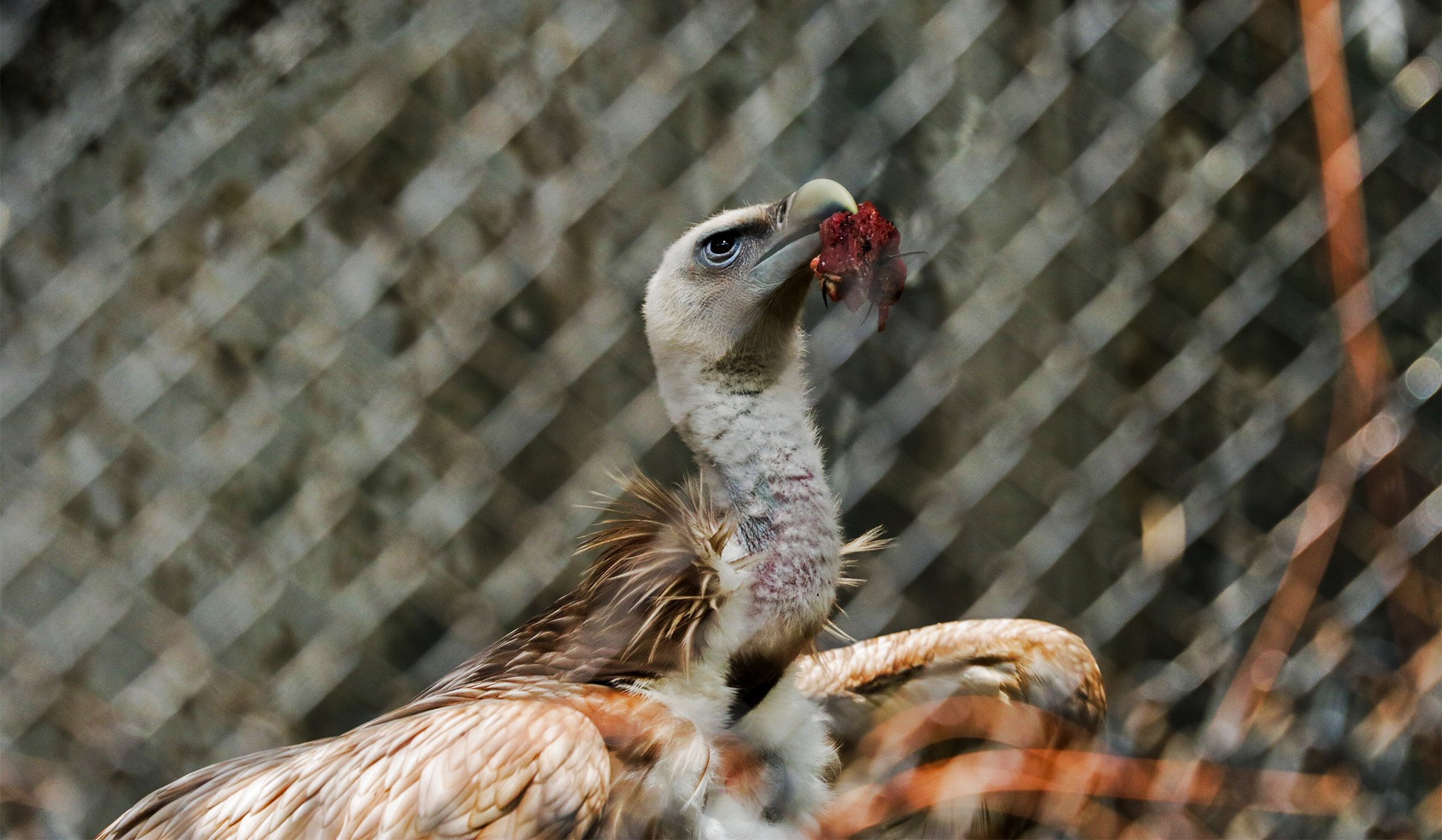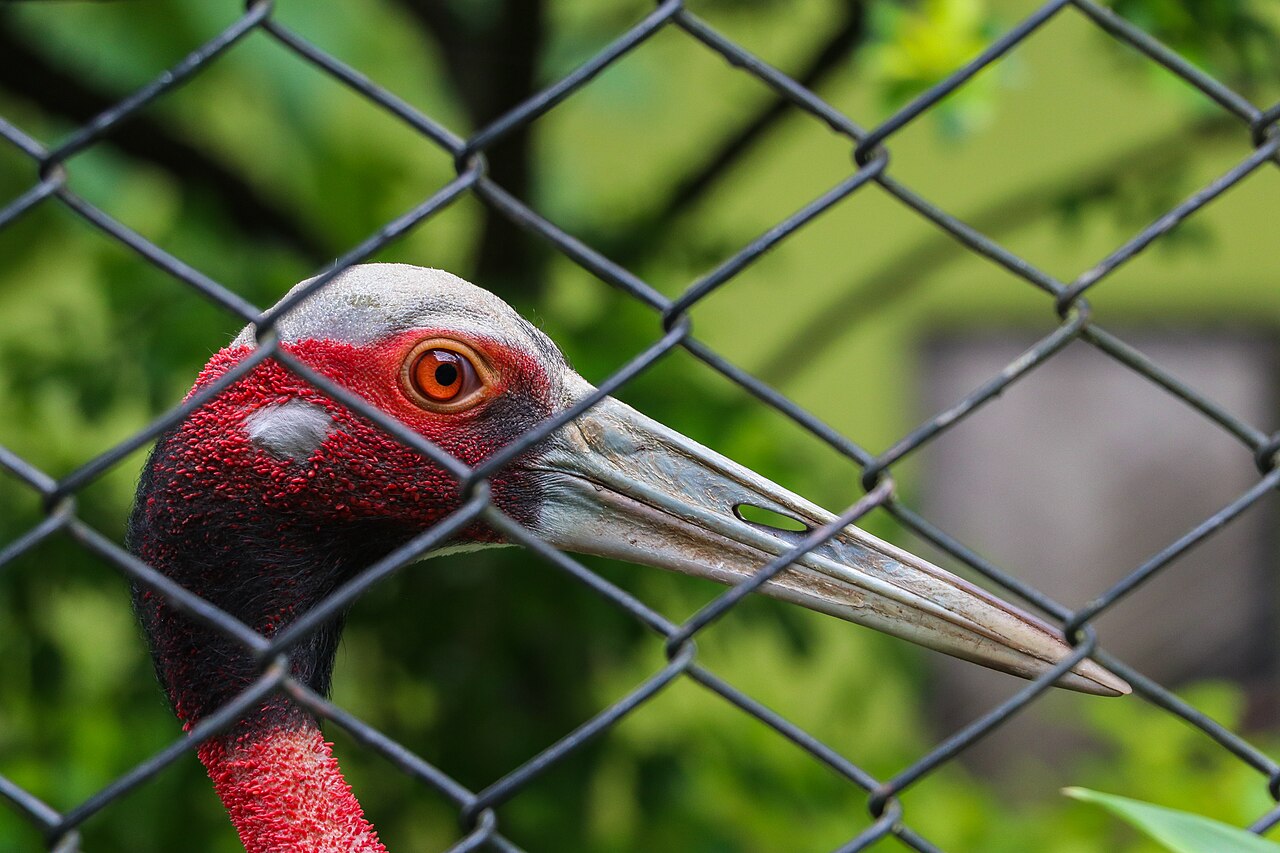
Nepal has culled more than 600,000 birds and destroyed around 1 million eggs as an H5N1 bird flu outbreak spreads across the Kathmandu Valley, shutting the capital’s only zoo and raising fears among scientists over the virus’ potential to mutate into a form transmissible between humans.The outbreak began in eastern Nepal in March before reaching the densely populated valley around mid-June – a development that health experts say raises the risk of human exposure. More than 60 poultry farms across the Nepalese capital and nearby Kavre district have been affected, with authorities racing to contain what has become the country’s most serious bird flu crisis in years.“It’s mostly spreading inside Kathmandu and few places are remaining to cull the infected birds,” Mukul Upadhyaya, a senior veterinary officer at Nepal’s Department of Livestock Services, told This Week in Asia. “We have identified crows carrying the pathogen to be transmitting the infection from one location to another in and around Kathmandu.”Kathmandu’s central zoo has been closed to visitors since a dead crow tested positive for H5N1 inside its grounds in mid-June, marking a first for Nepal’s only zoo, though similar incidents have occurred in Vietnam, India and the United States.A young boy peeks through the gates of Central Zoo in Lalitpur, Nepal’s Kathmandu Valley, on Wednesday after it was closed following a bird flu outbreak. Photo: APMore than three dozen birds and animals have since died, including a leopard, though authorities have yet to disclose a full death toll amid allegations of a cover-up.
Why scientists are alarmed by Nepal’s worsening bird flu outbreak
Nepal has culled 600,000 birds as H5N1 sweeps Kathmandu, closing the capital’s only zoo and raising fears it could mutate to infect humans.
252 words~1 min read