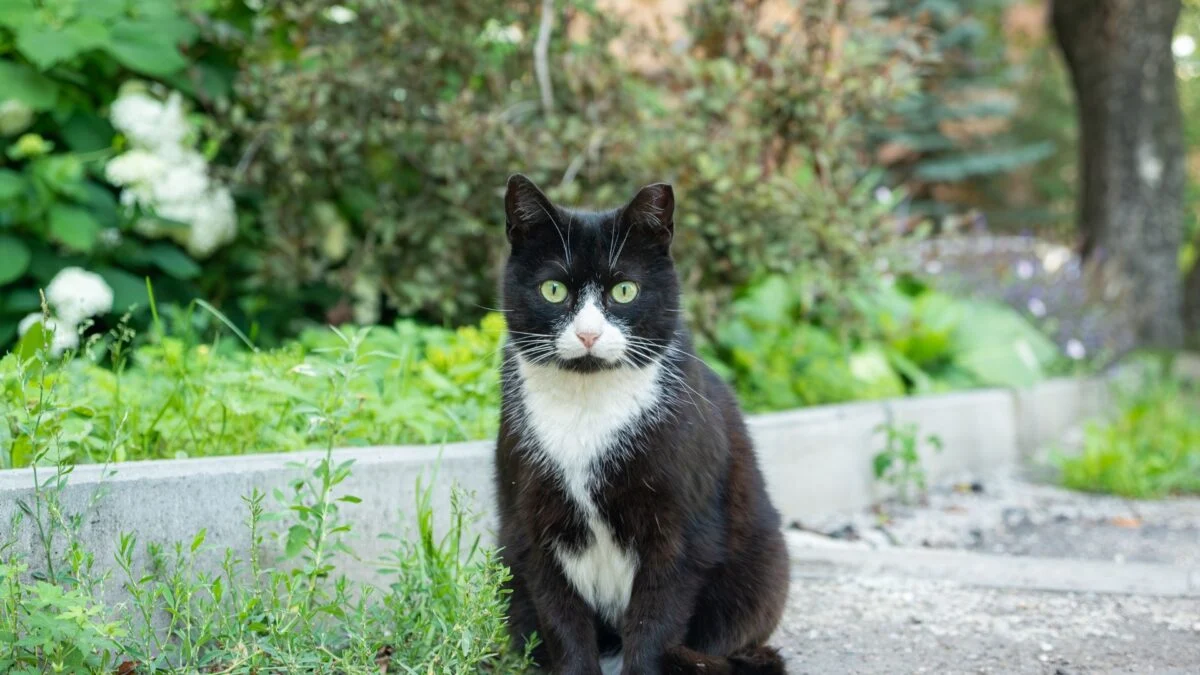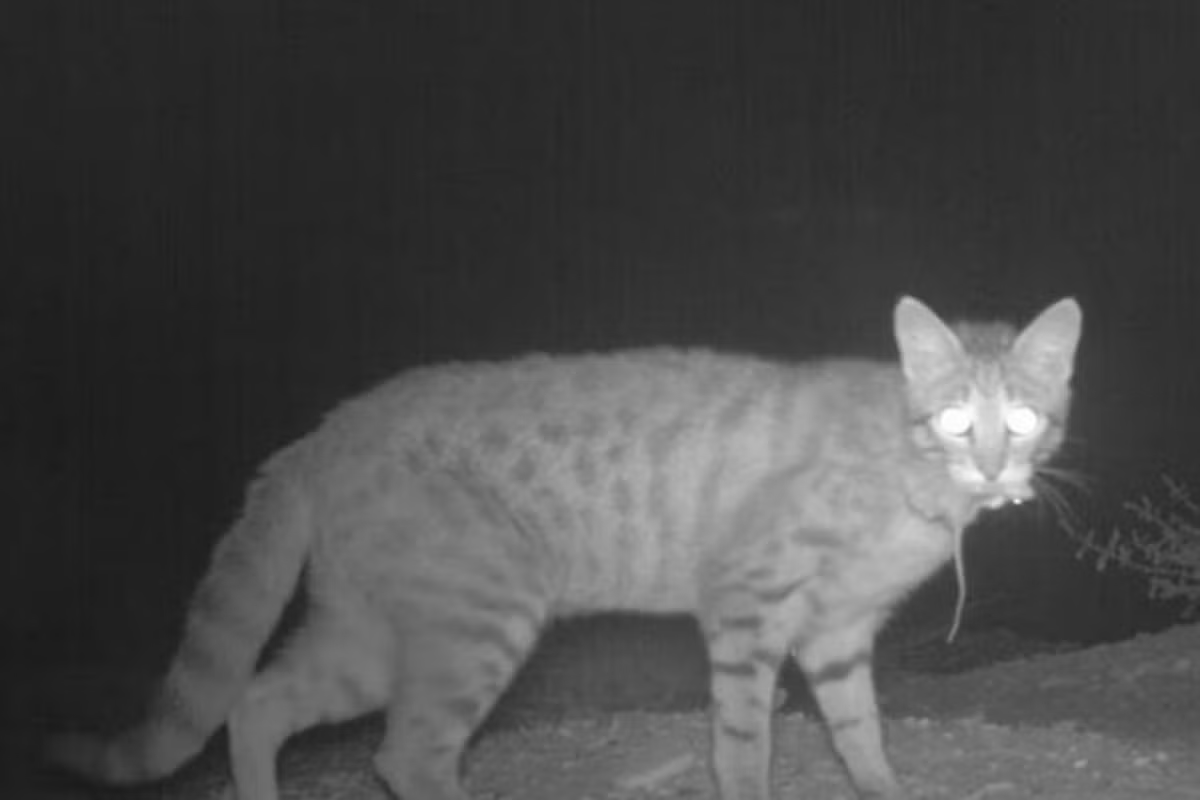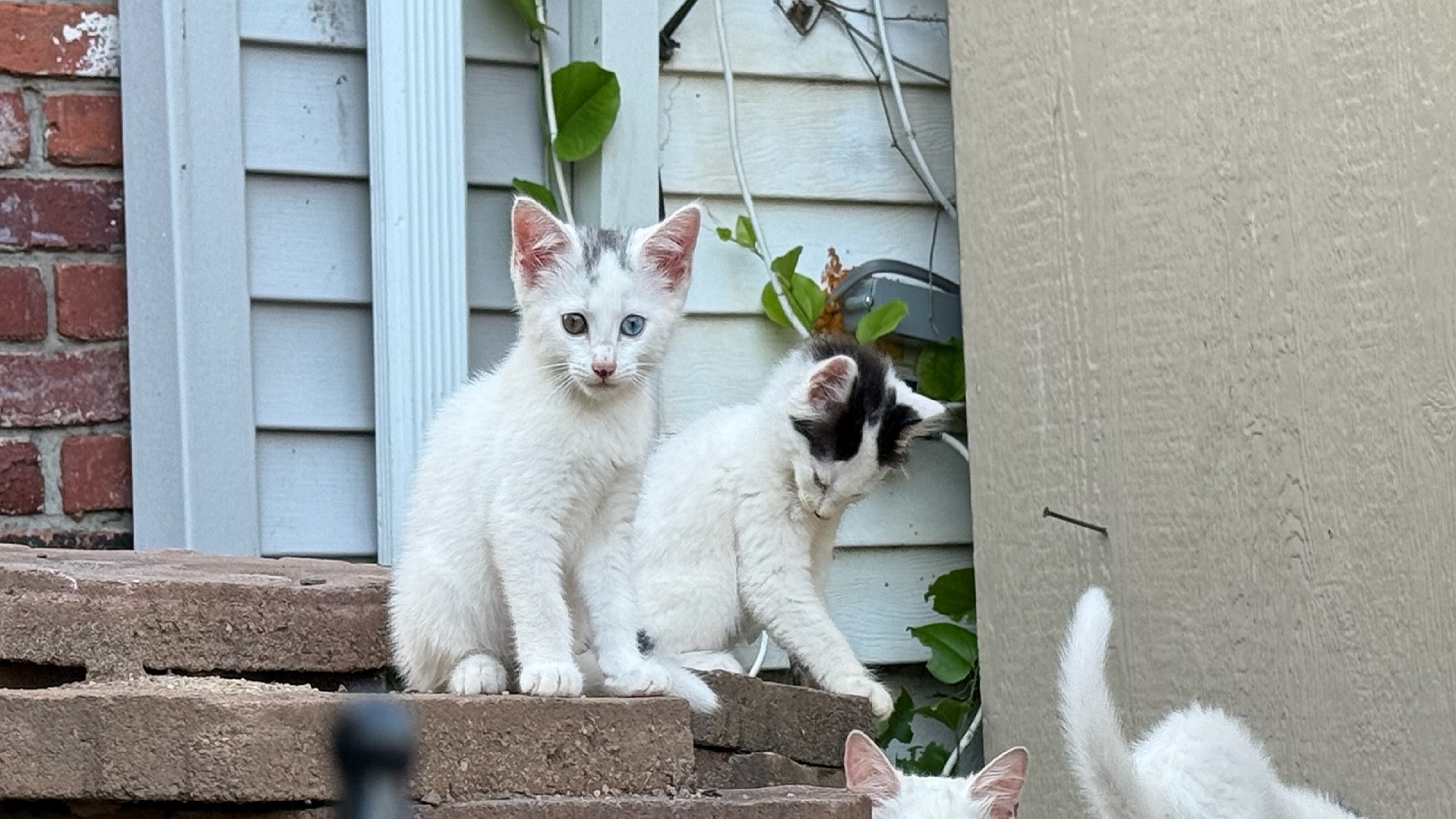
New York City has a large population of free-roaming cats, which can harbor and transmit zoonotic parasites.Some parasites shed by cats remain in the environment for long periods and infect pets, wildlife and humans.Researchers recently tested cats that were captured during a trap-neuter-return program in New York City and found that more than half were infected with at least one type of parasite; young male cats shed large numbers of parasite eggs into the environment.The study’s authors suggest that trap-neuter-return programs incorporate disease management and surveillance to better monitor and mitigate zoonotic health risks.
If you’ve ever strolled through New York City and felt like there were a lot of cats strutting the streets, you weren’t wrong.
No one knows exactly how many felines wander New York, but it’s a lot. Bideawee, a regional animal shelter, says tens of thousands of stray and feral cats live in the city’s outdoor spaces. In 2023, The New York Times said there could be as many as half a million feral cats; the same year, CBS News reported the number could be double that.
The health of these cats is a bit less of a mystery thanks to a recent study from researchers at Rowan and Long Island Universities. It’s well-known that free-roaming cats can carry parasites and “shed” the eggs in their feces, which can then infect humans, pets and wildlife via contact with animal waste or soil in public places.