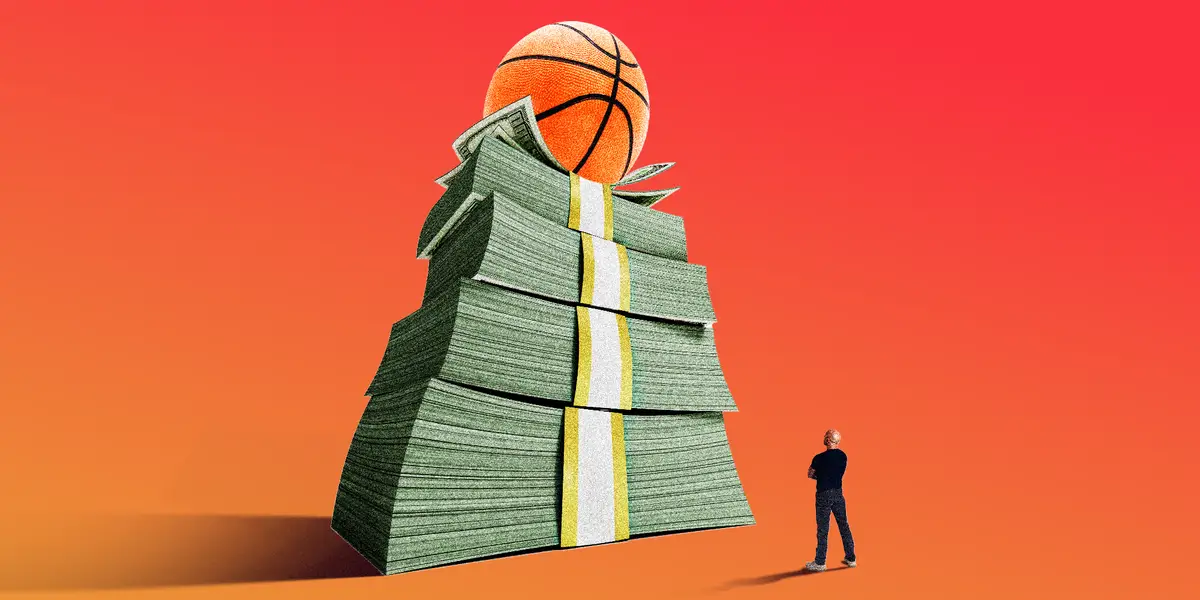
Social media has recently been flooded with clips of pro athletes lamenting that their multimillion-dollar contracts don’t go as far as people think. While such complaints can be easy to dunk on, the underlying point is important. The problem is the messenger.
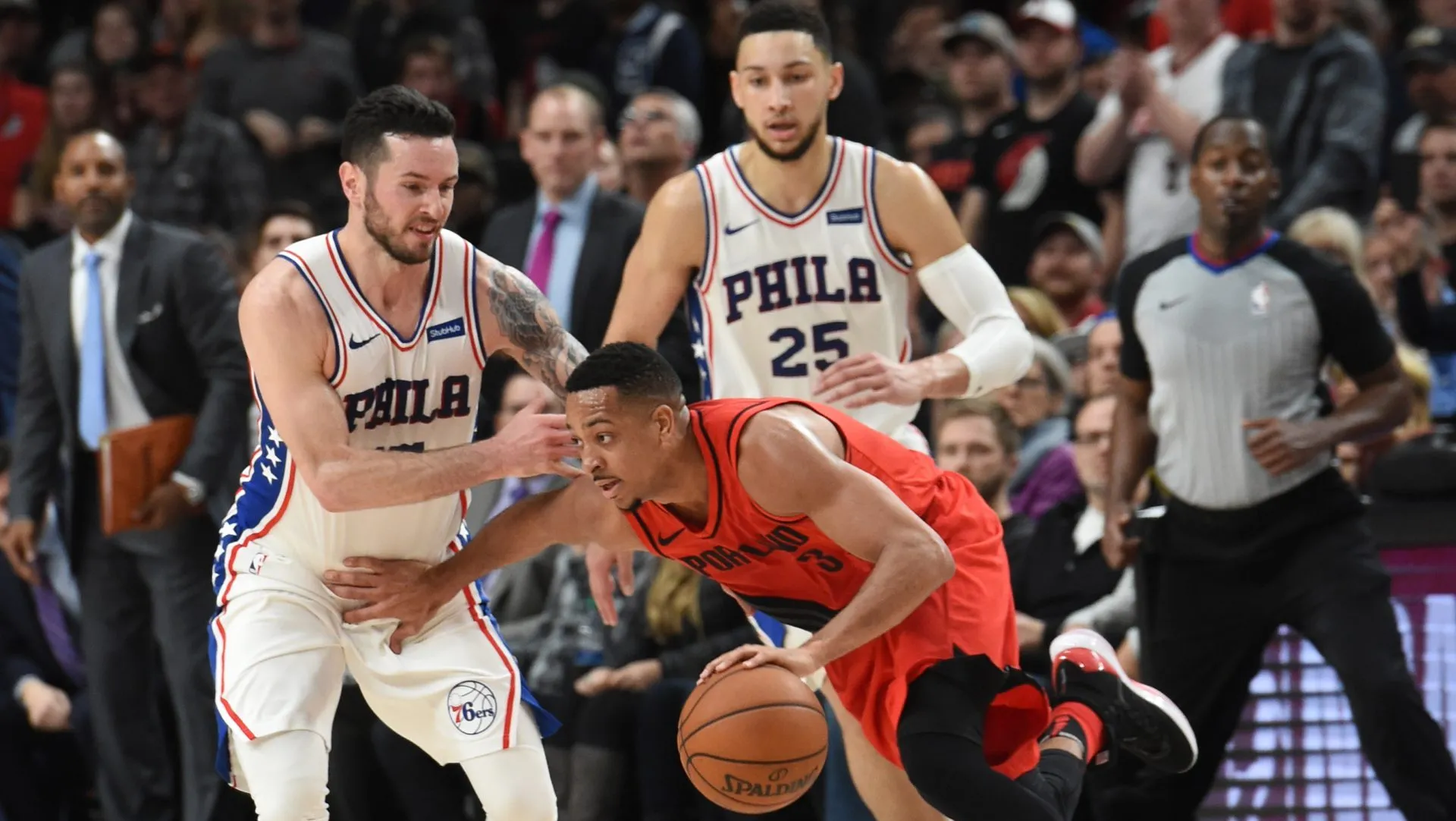
The recent wave may have started with resurfaced clips of JJ Redick, one from February 2024 and another from March 2024, explaining how taxes and other costs can dramatically reduce a player’s take-home pay.
“I think people should listen, because they’re telling the truth,” Chris Bosh recently told Front Office Sports. “And it’s really interesting how people don’t want to listen to that, but if I told you that player X is signing a three-year, $150 million deal, you’ll believe it. It’s not $150 million. That’s what they’re trying to get people to understand.”
Financial advisers who work with athletes say the public often overestimates how wealthy professional athletes actually are, especially given taxes, short careers, and, in some cases, financial mismanagement.
“The general public assumption—which is that if you make it to the pros you are set for life—is far from true,” says Perigon Wealth Management’s head of sports and entertainment Marc Specht.