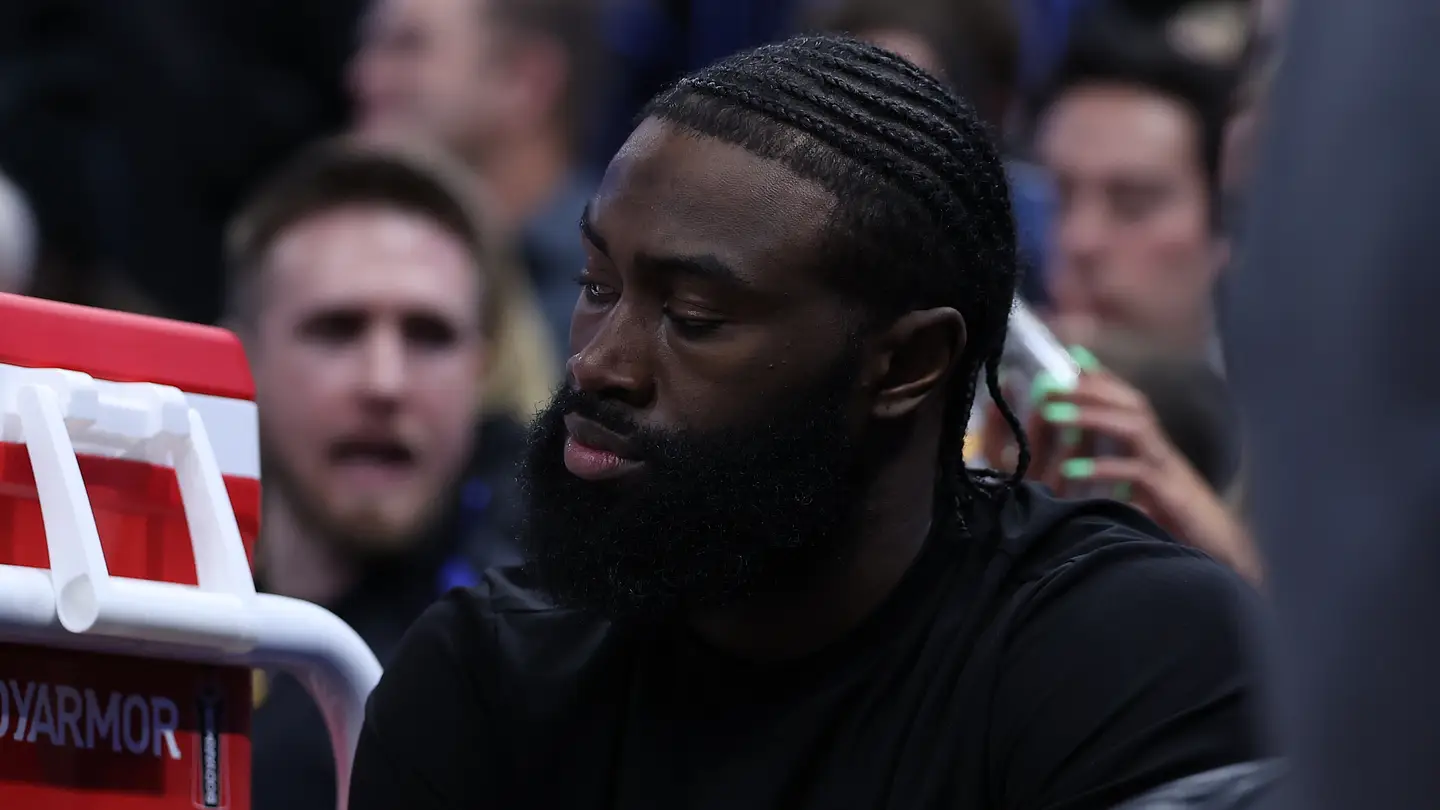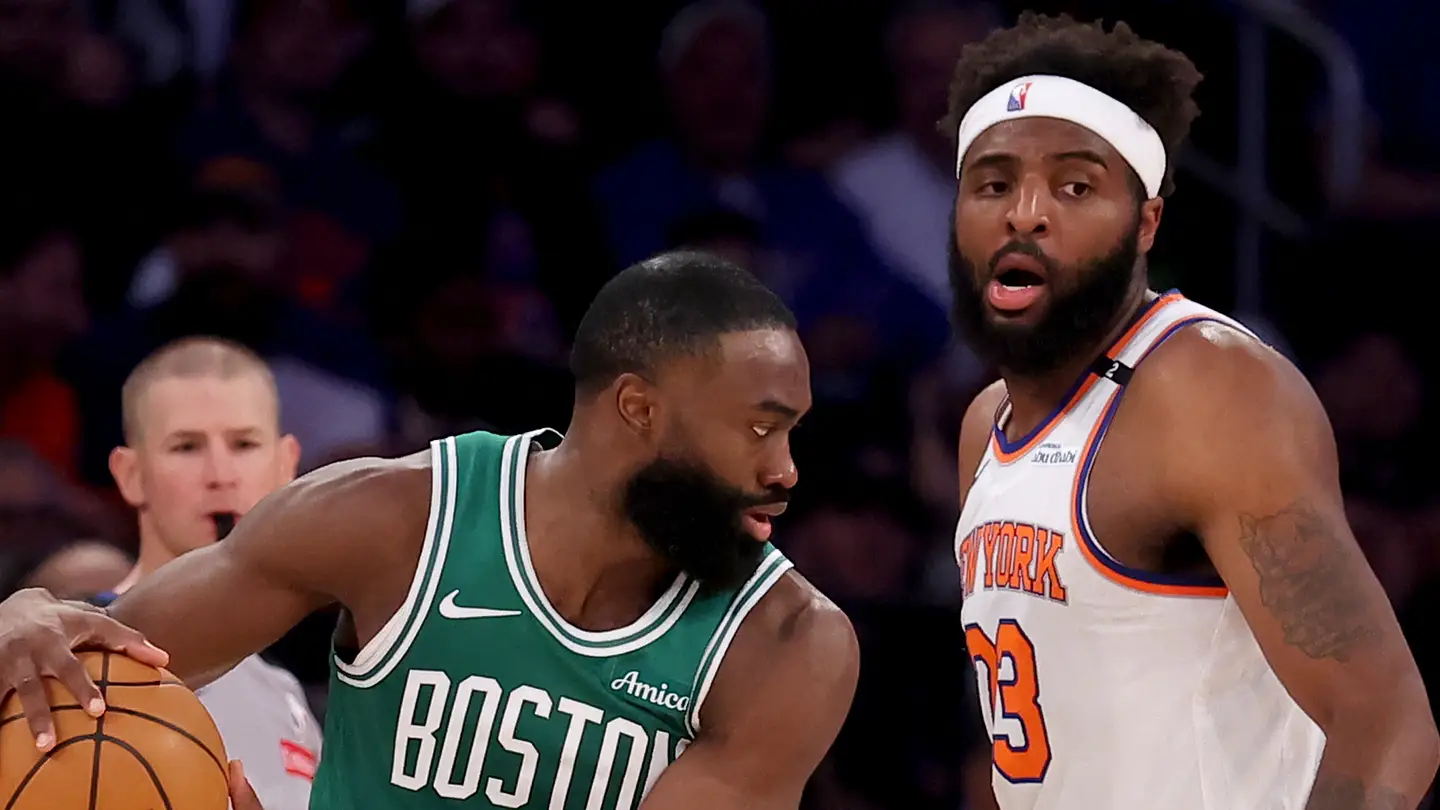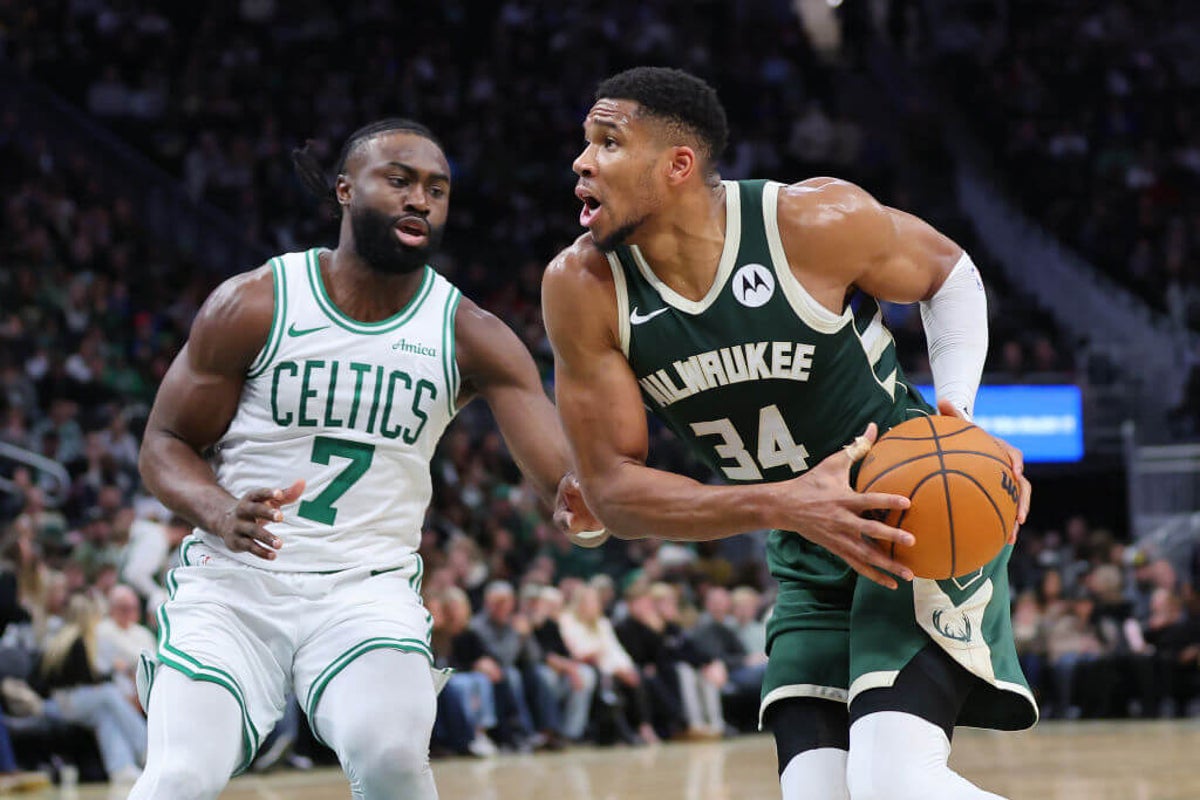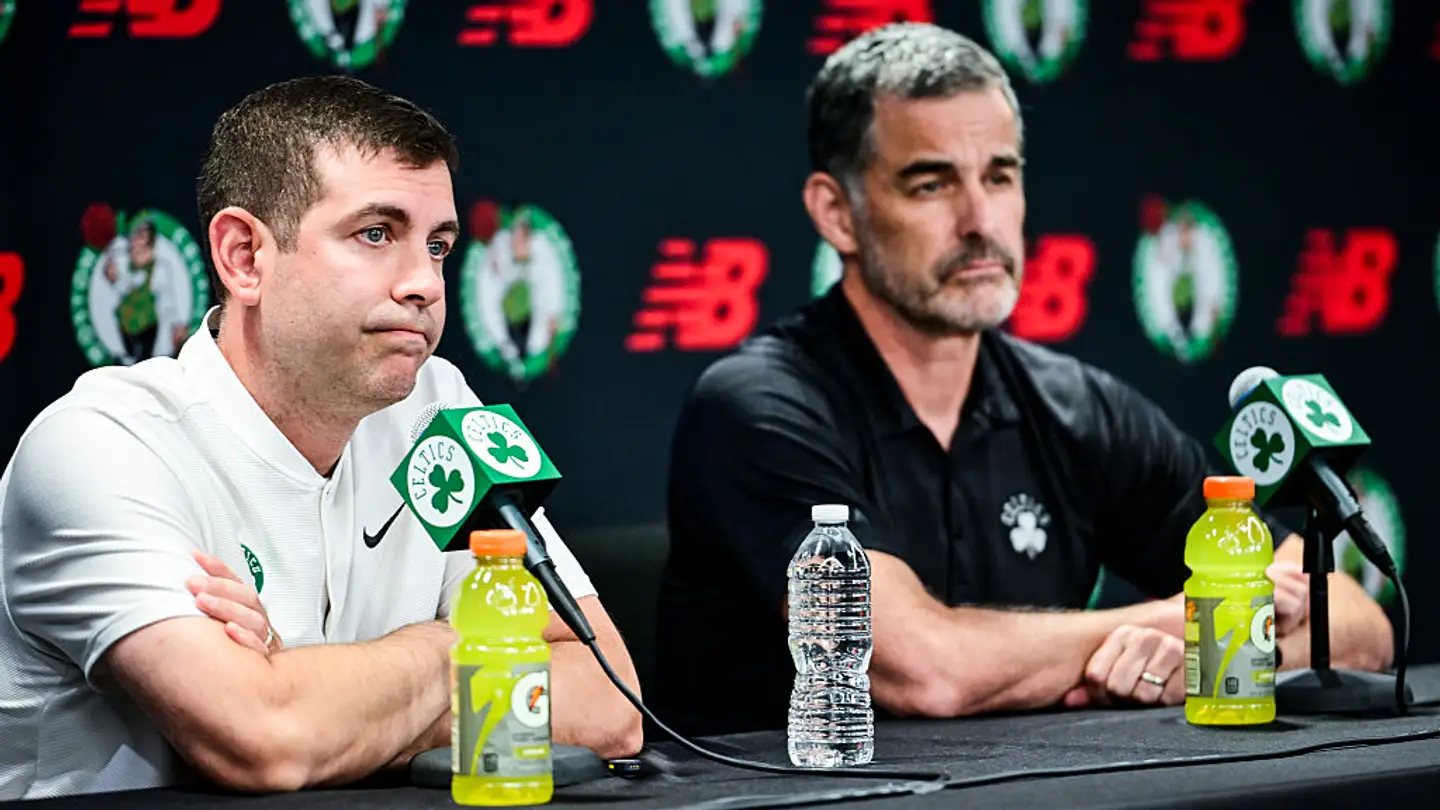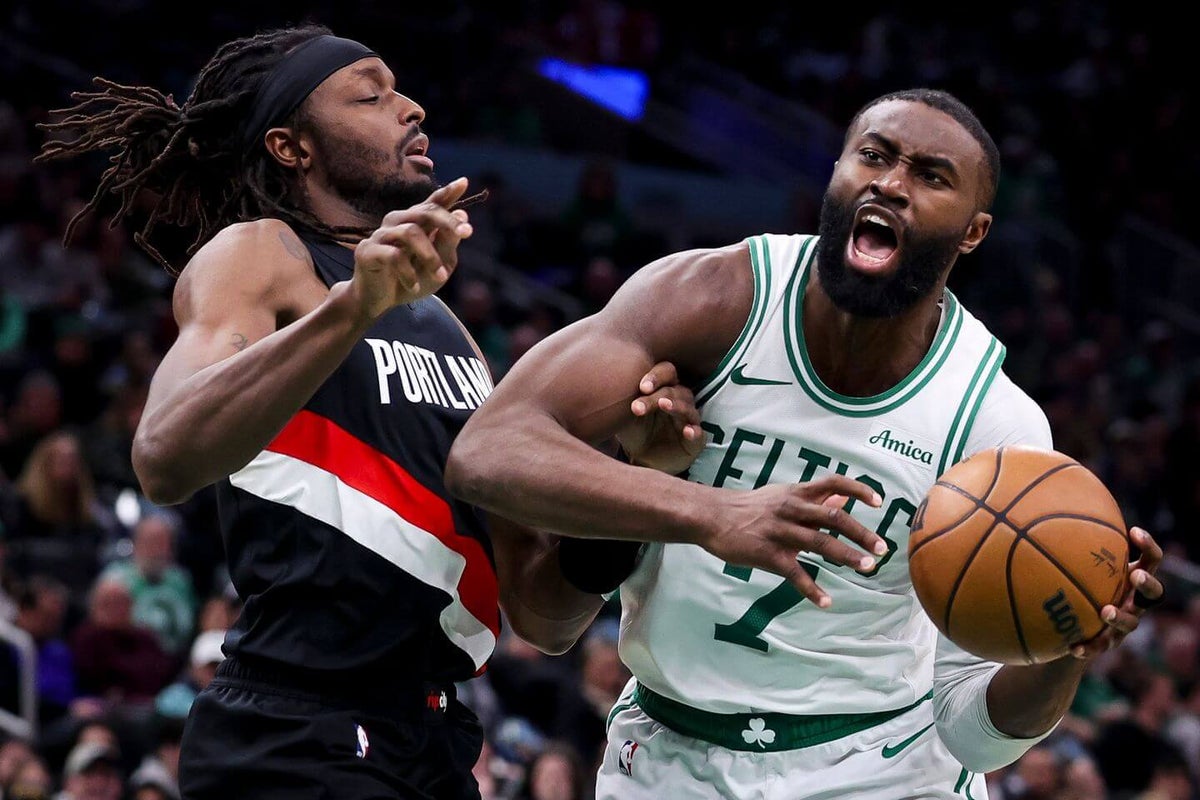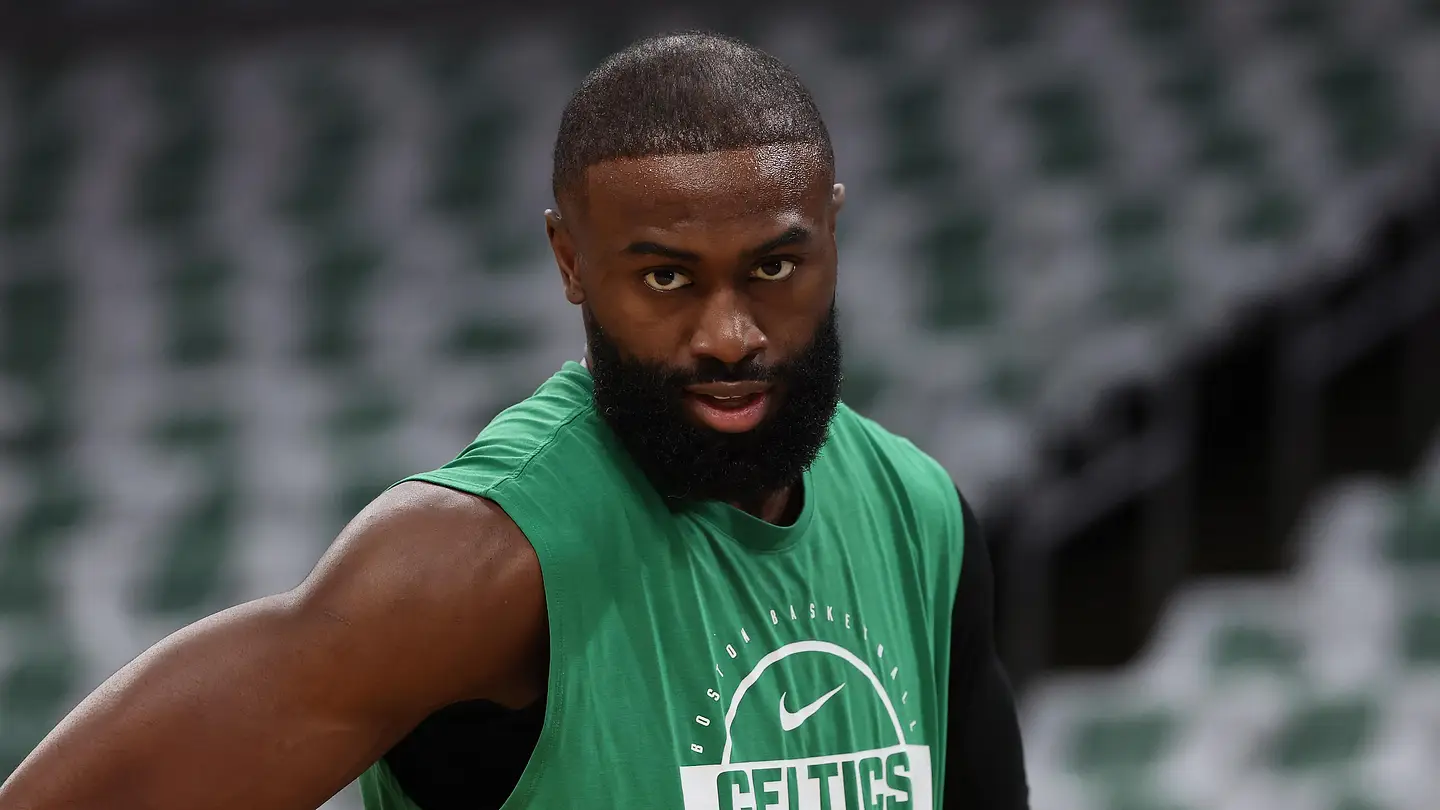
The Boston Celtics traded Jaylen Brown for a lot of reasons.
There are off-the-court factors, such as Brown’s Twitch streams in which he made comments that may have bothered the team. For instance, he called the 2025-26 season his “favorite” of his career, despite the Celtics winning the NBA Finals two years before.
There’s also Brown’s analytical profile—his advanced metrics do not align with the public perception of him as a top 15 NBA player and a borderline MVP candidate. For example, Brown ranked 55th last season in the popular all-in-one metric Estimated Plus-Minus (EPM). Even if he is truly an All-NBA level player, the three years remaining on his five-year, $285 million contract is reason enough to pause at the notion of keeping him long-term.
But there’s another component that drove the Celtics’ decision to trade Brown to the Philadelphia 76ers in exchange for Paul George and a collection of draft picks. It also explains many other cost-saving transactions around the NBA this offseason. Put simply: teams have less to spend than they initially thought.
The NBA released final accounting on the 2025-26 season last week, revealing basketball-related income of $11.68 billion, up from $10.25 billion the previous year. Although money from the first year of the league’s 11-year, $76 billion national media deals helped prop up that total, revenue came in lower than prior outlooks due largely to the suffering regional sports network business.