18 MIN(s) ago
Dipankar Roy
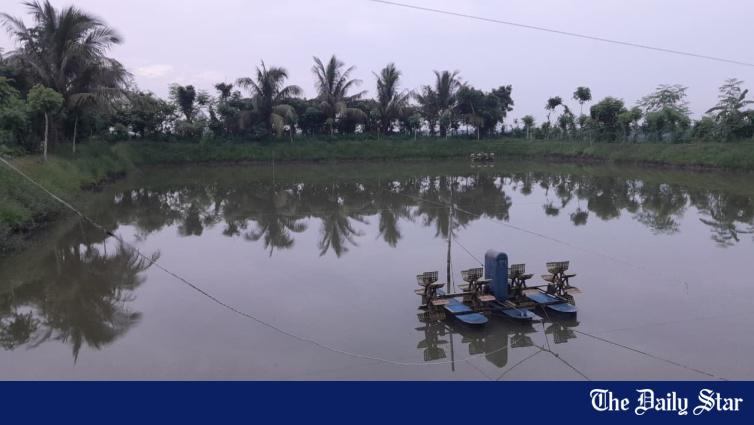
Hours of power outages have left paddle-wheel aerators idle at semi-intensive shrimp farms, raising the risk of shrimp mortality. The main photo, taken today, shows an aerator at a farm in Chak Soilmari, Batiaghata upazila of Khulna. PHOTO: Trina Boiragi
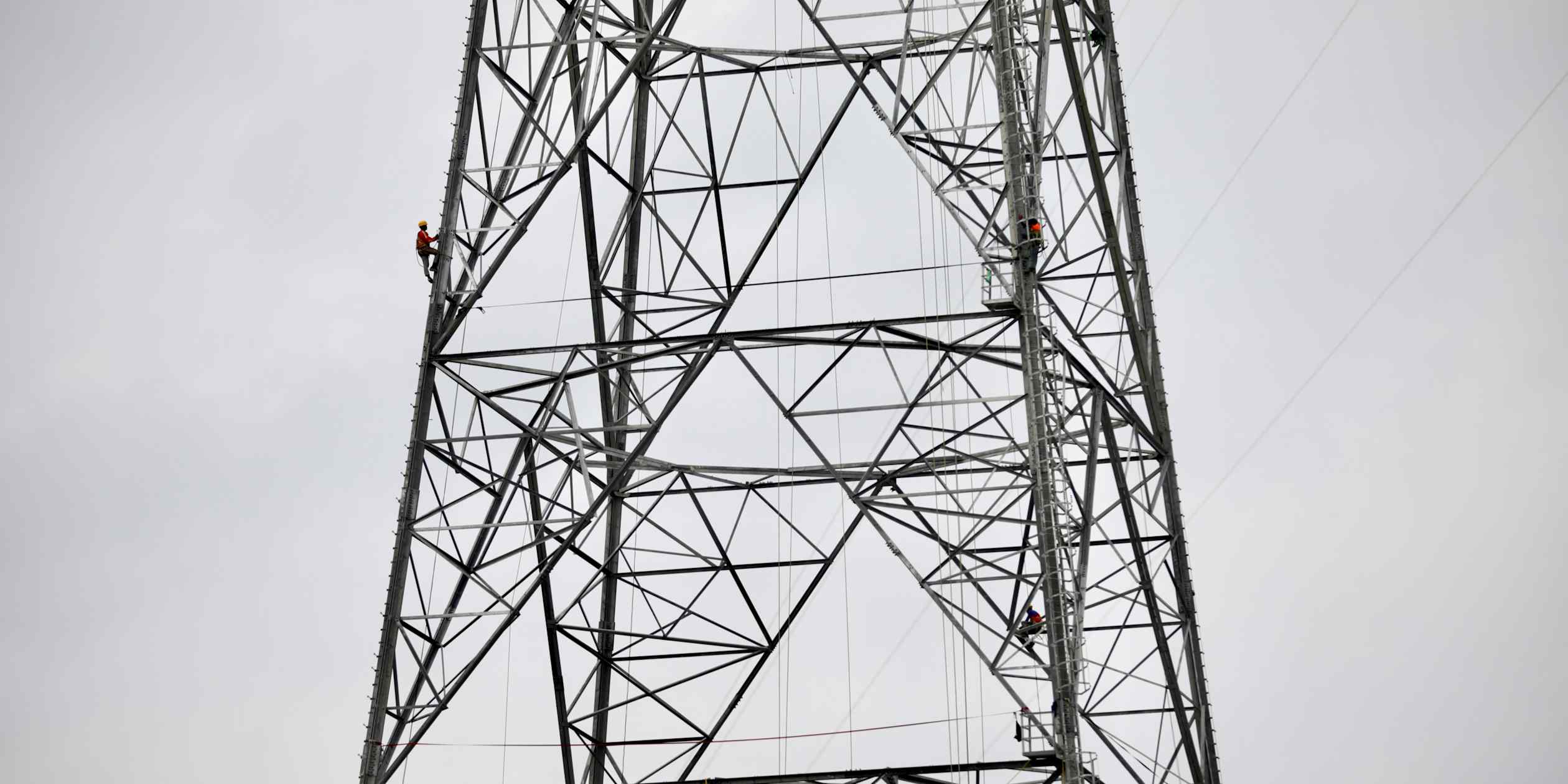
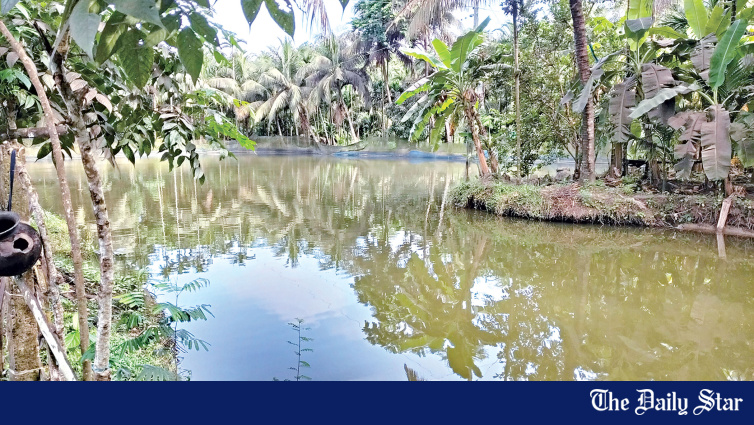
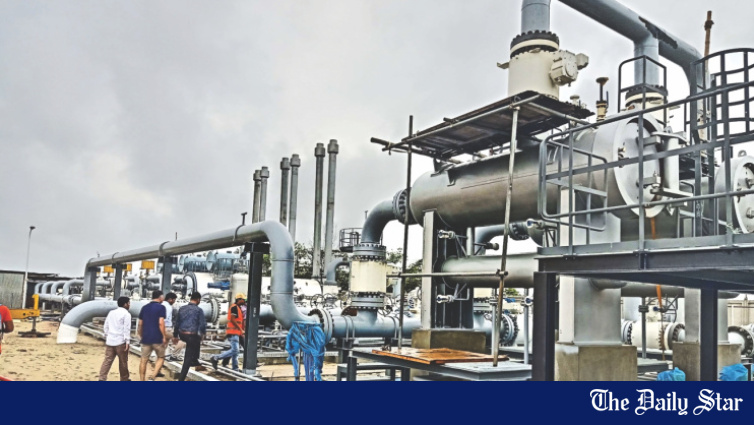
Frequent power outages across southwestern Bangladesh are pushing the country’s export-oriented shrimp industry deeper into uncertainty, disrupting production at farms and processing factories as growers and exporters grapple with prolonged electricity shortages.According to the Fisheries Department, 33,437.13 hectares are under shrimp and prawn farming in Khulna, 38,982.14 hectares in Bagerhat and 74,249 hectares in Satkhira.From semi-intensive shrimp farms in Khulna, Bagerhat and Satkhira to processing factories in Rupsha and other industrial areas, unreliable electricity has become a serious threat to one of Bangladesh’s leading agricultural export sectors.Farmers are struggling to keep shrimp alive in oxygen-starved ponds, while processors are relying on costly diesel to keep cold storage running and meet export commitments.The crisis comes as the industry is already grappling with weak global demand, rising production costs, disease outbreaks, a shortage of quality post-larvae and factory closures.FARMERS STRUGGLE TO KEEP SHRIMP ALIVE“Whenever power goes out for several hours, we become anxious. The aerators stop, oxygen levels fall, and the shrimp begin to suffer. If electricity is not restored quickly, we risk losing an entire crop,” said Sutanu Gain, who operates 10 semi-intensive shrimp ponds in Batiaghata upazila.Even a few hours without aeration can sharply increase shrimp mortality in semi-intensive farms.“There are around 250 semi-intensive shrimp farms in our locality, all of which are facing severe electricity shortages,” said Nittananda Mondal of Bandha village in Dumuria.