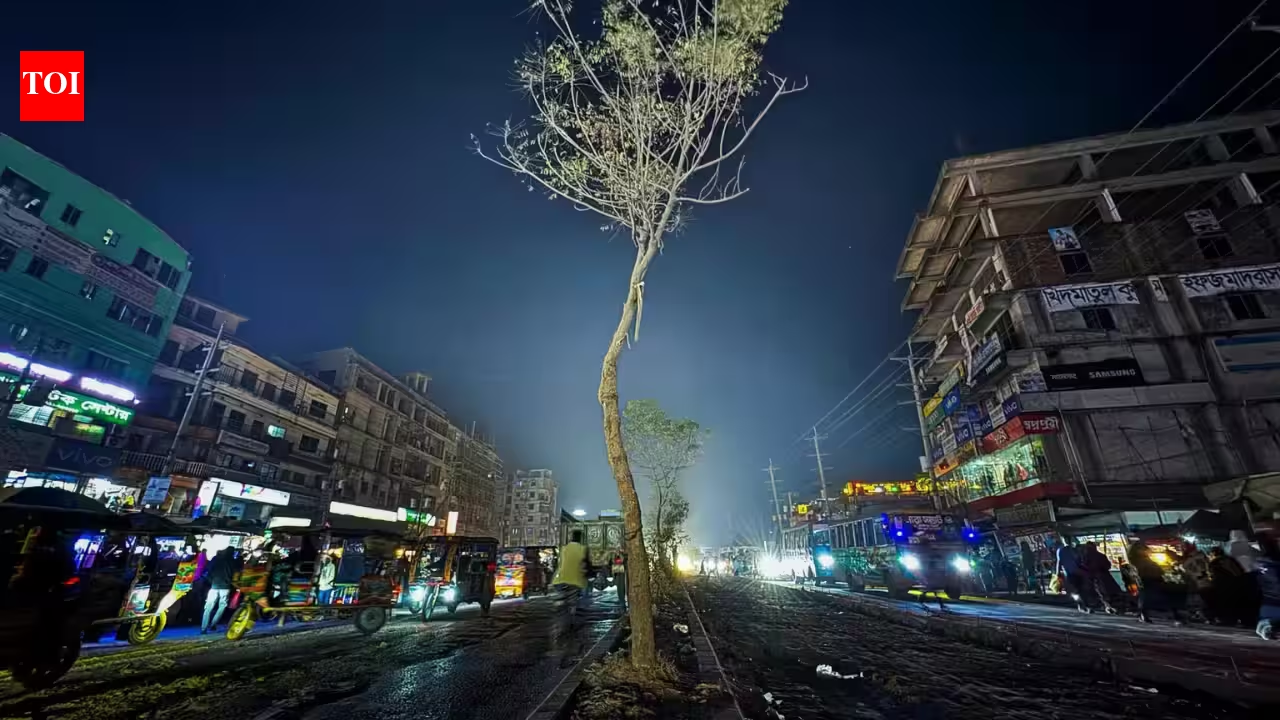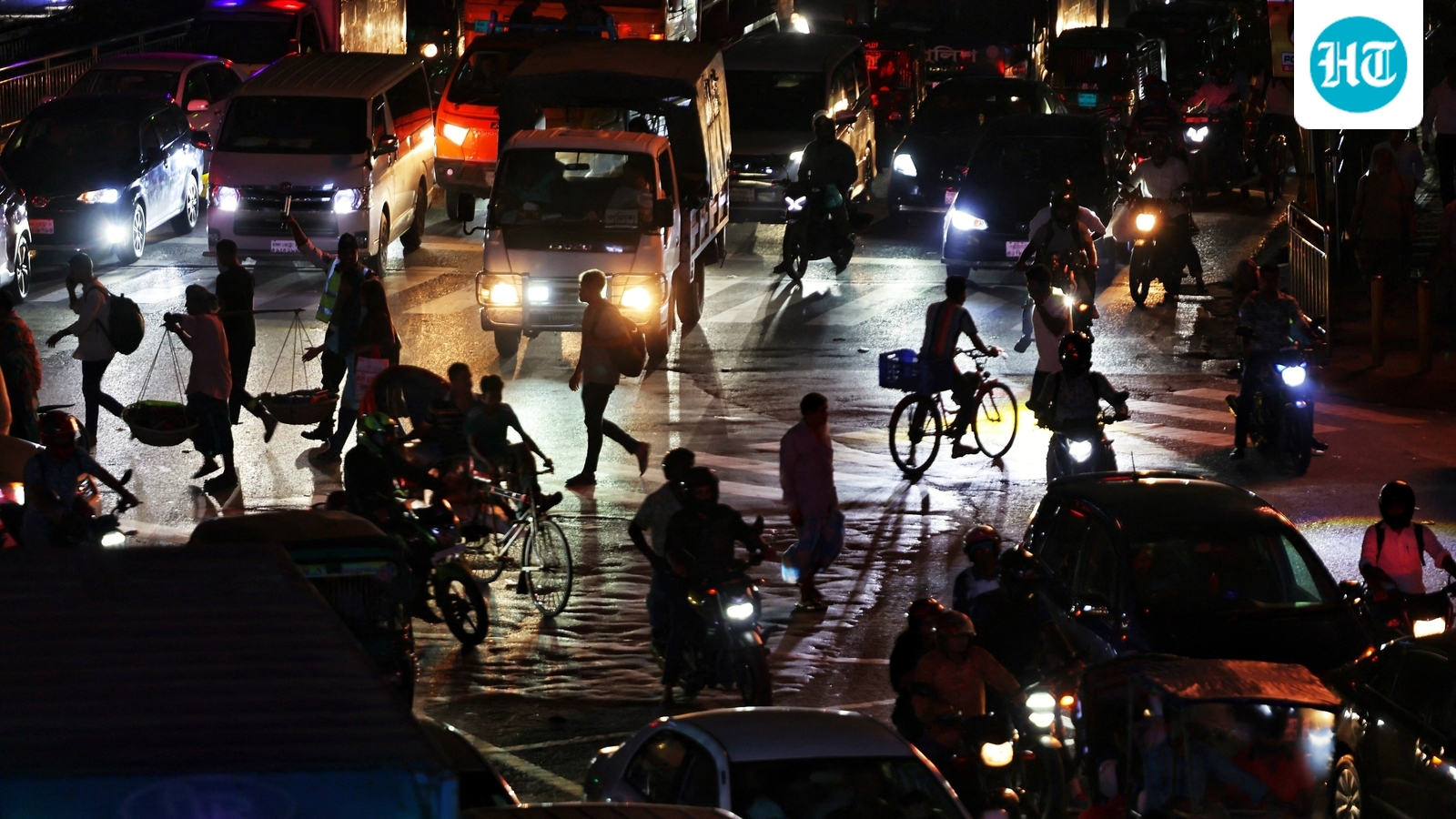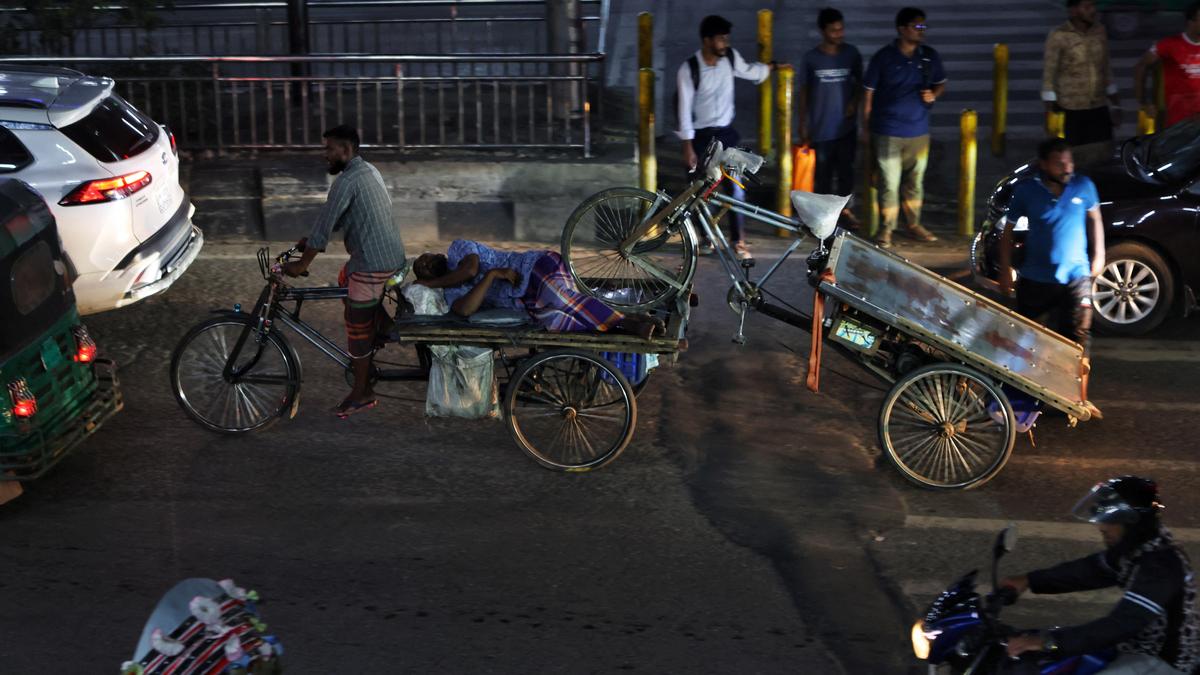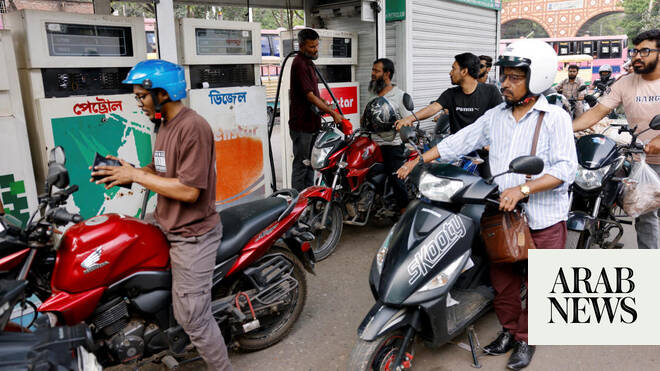
SynopsisBangladesh has enforced earlier closing times for businesses to save electricity. Severe gas shortages are significantly impacting the nation's power generation capacity. Load-shedding now extends for up to twelve hours daily across several regions. Global energy market volatility, including the Iran crisis, exacerbates import challenges. The country faces a persistent gap between its energy demand and available supply.ReutersBangladesh reels under power crisis, 12-hr outagesBangladesh has tightened nationwide electricity-saving measures as it battles severe gas shortages, prolonged power cuts and the broader impact of the Iran crisis on global energy supplies. Under a new government directive, shopping malls, markets and retail shops must now close by 8 pm, an hour earlier than the previous deadline, Reuters reported.Commercial establishments will be allowed to operate only between 11 am and 8 pm. The earlier schedule, introduced on June 11, had permitted businesses to remain open until 9 pm.The restrictions also apply to fairs, trade exhibitions and cultural events, all of which must conclude by 8 pm. Illuminated billboards are required to be switched off by 7 pm, while decorative lighting has been banned. Food shops, hospitals and pharmacies have been exempted.Gas shortage deepens electricity crisisBangladesh's total gas supply has dropped to around 2,100 million cubic feet per day (mmcfd), far below the country's daily demand of about 3,800 mmcfd, according to officials.Domestic gas fields are supplying roughly 1,630 mmcfd, while the country's two floating LNG terminals are contributing up to 410 mmcfd. The supply is the lowest since an accident at the Excelerate Energy LNG terminal on July 21, according to the Dhaka Tribune.Although the Excelerate terminal partially resumed operations on August 5, it has yet to return to full capacity. At the same time, the Summit-operated LNG terminal reduced gas supply from August 10 after rough weather prevented LNG tankers from unloading, raising concerns over further supply disruptions.Load-shedding stretches up to 12 hoursThe gas crunch has severely affected electricity generation, with gas-fired power plants unable to operate at required capacity.Bangladesh recorded an average power deficit of 2,745 MW during the 8 pm peak hour, while several regions have been experiencing between eight and 12 hours of load-shedding each day.Officials say the country is facing a persistent gap between gas demand and available supply, leaving the national grid unable to meet peak electricity requirements.Iran crisis adds to LNG pressureBangladesh's growing dependence on imported liquefied natural gas (LNG) has made its energy system increasingly vulnerable to global disruptions.The Iran crisis has heightened volatility in international fuel and LNG markets, making imports more expensive and creating uncertainty over future supplies. With domestic gas production already in decline, disruptions at LNG terminals and higher import costs have further complicated efforts to secure adequate fuel for power generation.Read More News on
Bangladesh orders malls and markets to shut by 8 pm as it faces 12-hour power cuts
Bangladesh has enforced earlier closing times for businesses to save electricity. Severe gas shortages are significantly impacting the nation's power generation capacity. Load-shedding now extends for up to twelve hours daily across several regions. Global energy market volatility, including the Iran crisis, exacerbates import challenges. The country faces a persistent gap between its energy demand and available supply.
454 words~2 min read