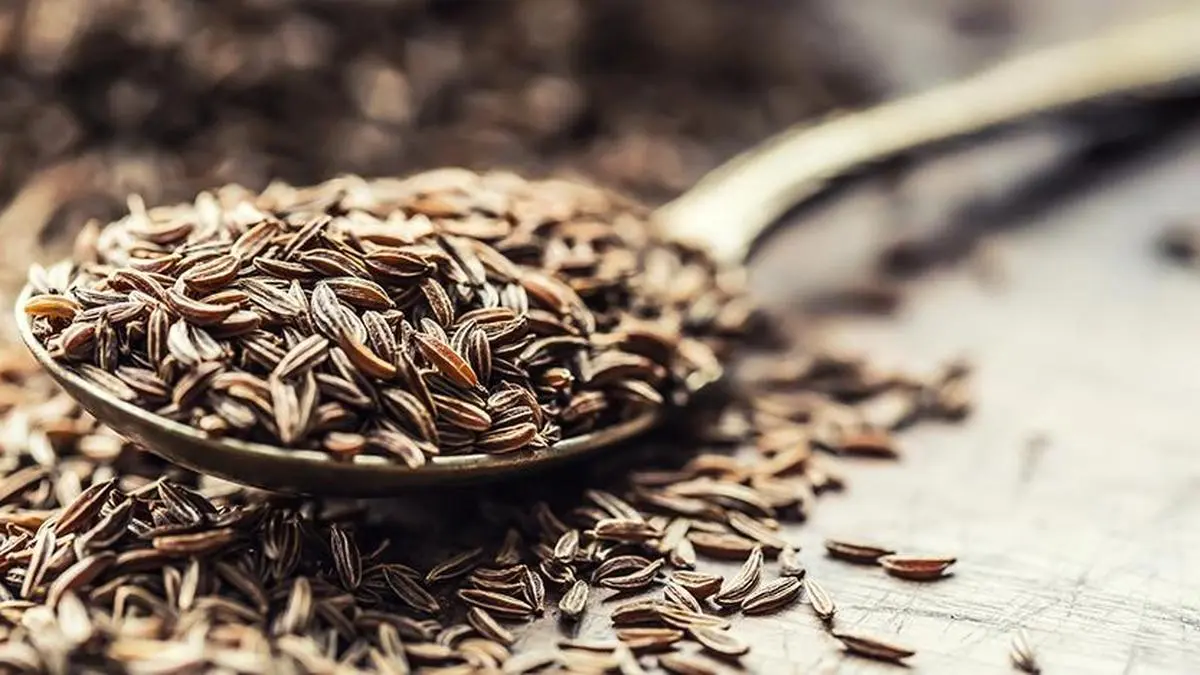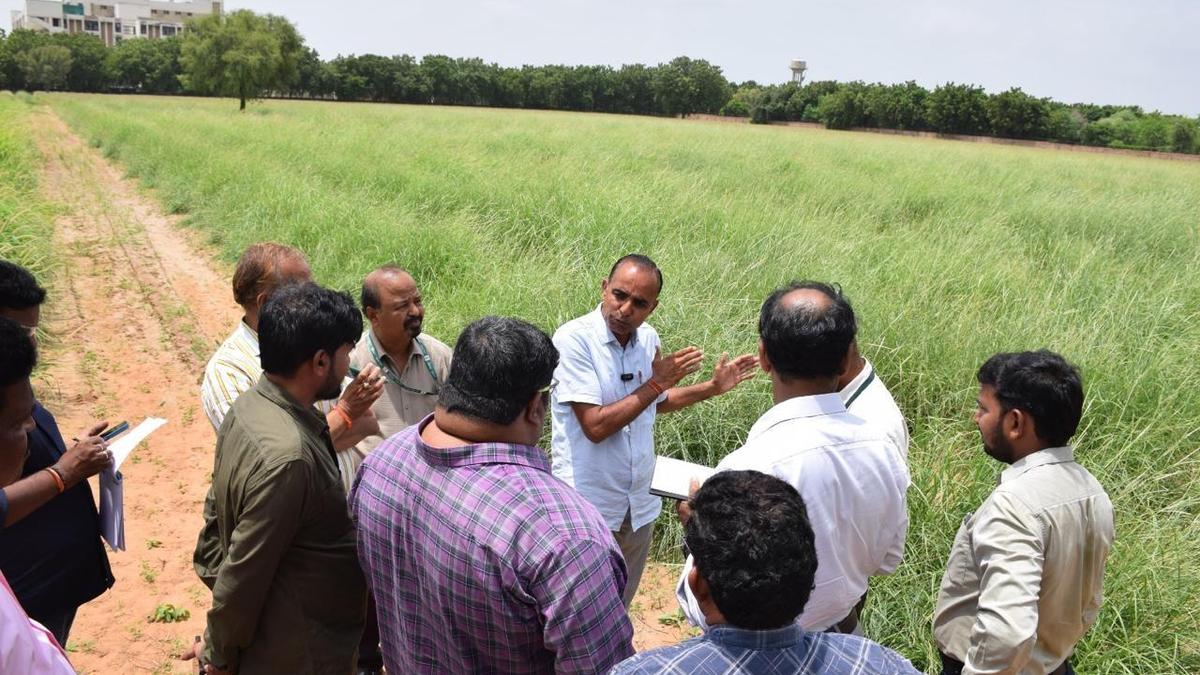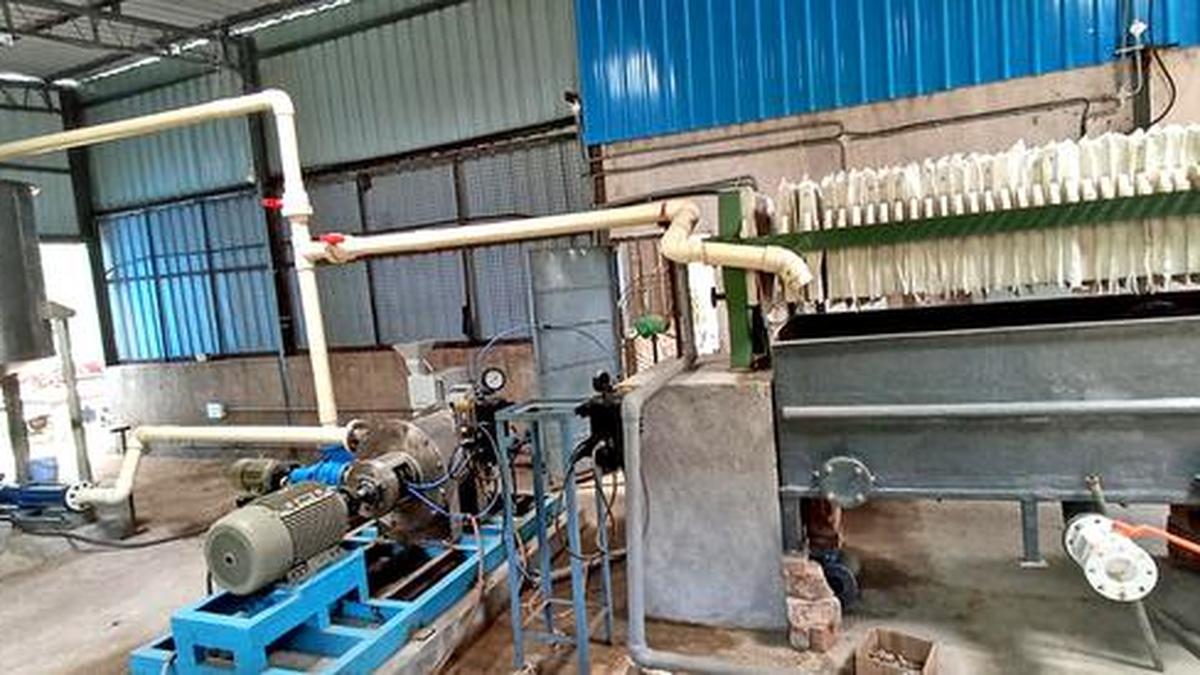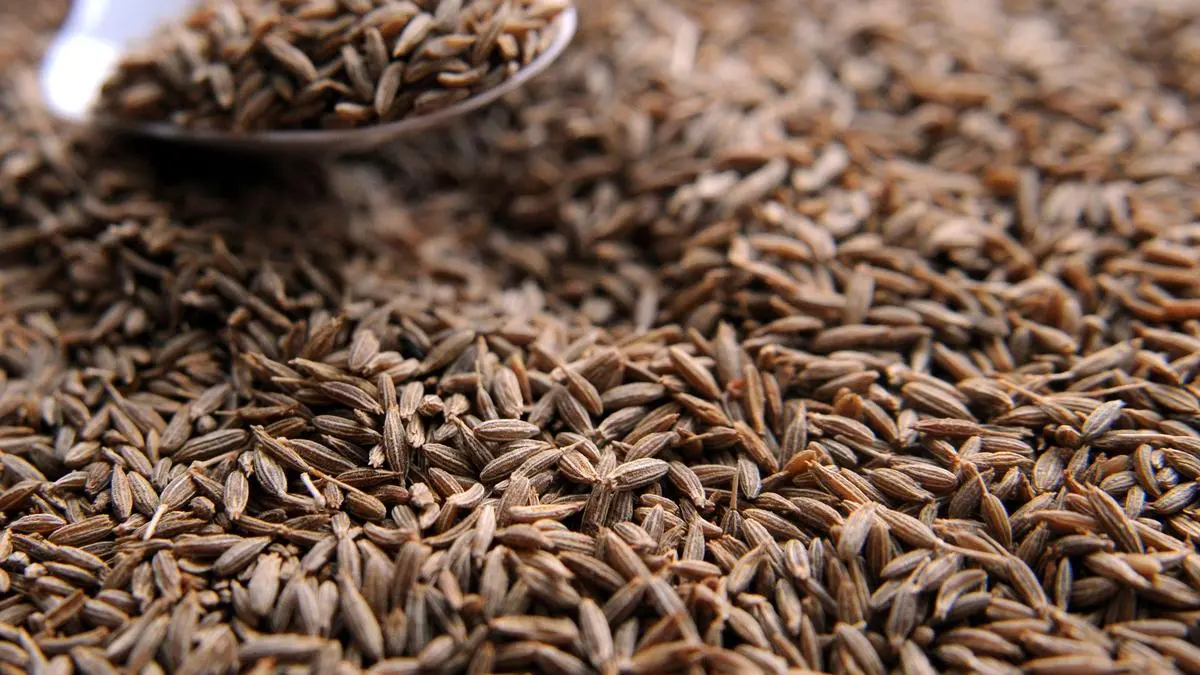
A Department of Biotechnology (DBT) led initiative in western Rajasthan has demonstrated that residue free cumin production is feasible through adoption of integrated pest management (IPM) protocols and good agriculture practices (GAP). Participating farmers’ realisations are higher by 25 per cent over the market price. Production of ‘IPM cumin’, which was 35,000 tonnes, has the potential to increase to 1 lakh tonnes, stakeholders said.The DBT funded initiative, The Biotech-KISAN Hub for the Western Dry Region, came up with an integrated approach to cumin farming and value chain development, that was implemented by the South Asia Biotechnology Centre (SABC), Jodhpur, and ICAR-National Research Centre on Seed Spices (NRCSS), Ajmer.The hub generated modules and promoted package of practice developed by the conducting field demonstrations, training programmes and distributing inputs and plant protection products and formulations in the key cumin growing districts of Western Rajasthan during 2019-2024 and also ensured buy-back arrangements with the corporates and exporters through the FPOS in the sector. On an average, IPM cumin fetched a 24 per cent premium over the market price for demonstration farmers, while reducing the cost of procurement by 25-35 per cent per acre through effective management of fungal disease and insect pests, said Bhagirath Choudhary, Founder Director, South Asia Biotechnology Centre (SABC).Showing the way“Rajasthan’s success in IPM-based cumin cultivation marks a defining milestone in India’s journey towards sustainable, residue-free agriculture. Just as Maharashtra transformed grape cultivation through Integrated Pest Management (IPM), Rajasthan is now demonstrating how science-led, location-specific IPM protocols can shift farmers from chemical-intensive production to high-value, pesticide residue-free cumin that meets stringent international standards,” Choudhary said.“Supported by the DBT Biotech Kisan Hub, farmers have already scaled IPM cumin production to nearly 35,000 tonnes, with the potential to reach 100,000 tonnes in the coming years. This transformation is being driven by strong field presence of large number of spices companies and increasing demand from Europe, China, Japan, South Korea and the United States, positioning Rajasthan as a global leader in quality IPM and organic cumin exports while enhancing farmers’ incomes and agricultural sustainability,” Choudhary said.Vinay Bharadwaj, Director, ICAR-National Research Centre on Seed Spices (NRCSS), Ajmer, said the bio formulations used in the IPM are now proven and expansion of this requires funding. Stakeholders such as the corporates, the industry, the Spices Board and research agencies should come together and fund such an initiative.Financial sopsKrishna Kant, scientist at NRCSS, said now the farmers are getting aware of the biological formulations used in the IPM practices. Besides, the financial incentive of Rs 5000 per quintal provided by the Gujarat over the market price for residue free cumin is also attracting the farmers’ interest.Hanif Khan of Barmer-based Janta Global, which sources IPM cumin from farmers directly for large companies and exporters, said the growers are getting aware of the advantages of the chemical free farming as it reduces the cost of cultivation, besides fetching them higher than the market price. Moreover, farmers growing IPM cumin need not go in search of buyers as the buyer themselves are landing at the door steps of such farmers considering the growing demand for residue free products in the Europe and the US, he said. Farmers who are well versed with the IPM and GAP are now moving towards producing organic cumin, he added.Stakeholders including the industry, State agri and local government department, Apeda, Spices Board and companies such as ITC, SRK Spices, Janta Global, Swani Spices, BKB Industries, Rapid Organics, PJM Industries, Federation of Indian Spice Stakeholders (FISS) and Balaji Farmer Producer Organisation among others participated in the project.Published on August 6, 2026
Residue-free cumin takes root in Rajasthan as IPM fetches higher returns for farmers
Rajasthan's IPM initiative boosts residue-free cumin production, increasing farmers' earnings by 25% while promoting sustainable agriculture practices.
595 words~3 min read